
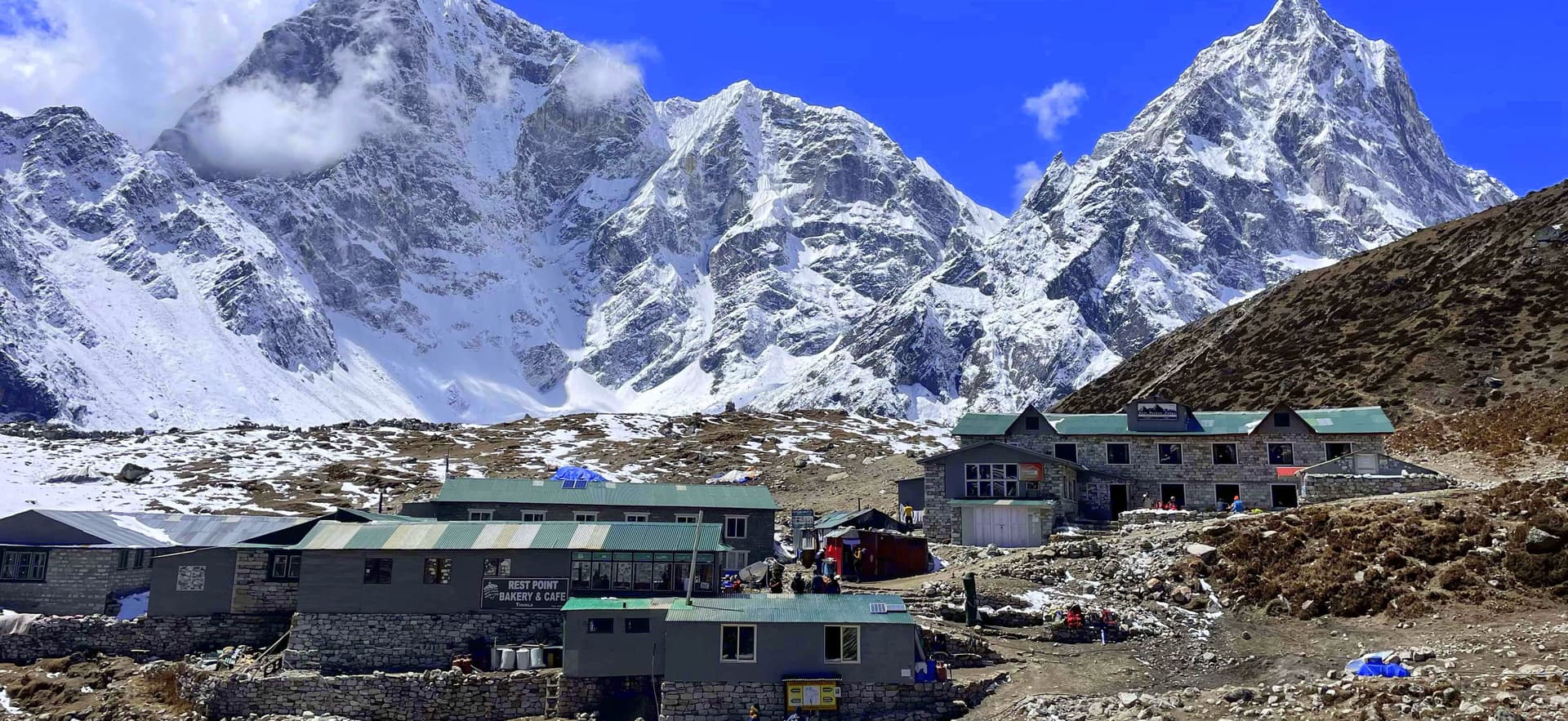
Teahouse Trekking in Nepal – What to Expect?
Teahouse trekking in Nepal is one of the most popular and accessible ways to explore the Himalayas. Instead of camping in remote wilderness, trekkers stay in local lodges—known as teahouses—along the trail, making the journey more comfortable and culturally immersive.
Nepal has developed an extensive network of teahouses across its major trekking regions, which is why this style of trekking is favored by both beginners and experienced hikers. It allows you to enjoy breathtaking mountain landscapes without the need for heavy logistics or camping gear.
For those seeking a balance between adventure and comfort, teahouse trekking offers the perfect introduction to trekking in Nepal.
What Is Teahouse Trekking?
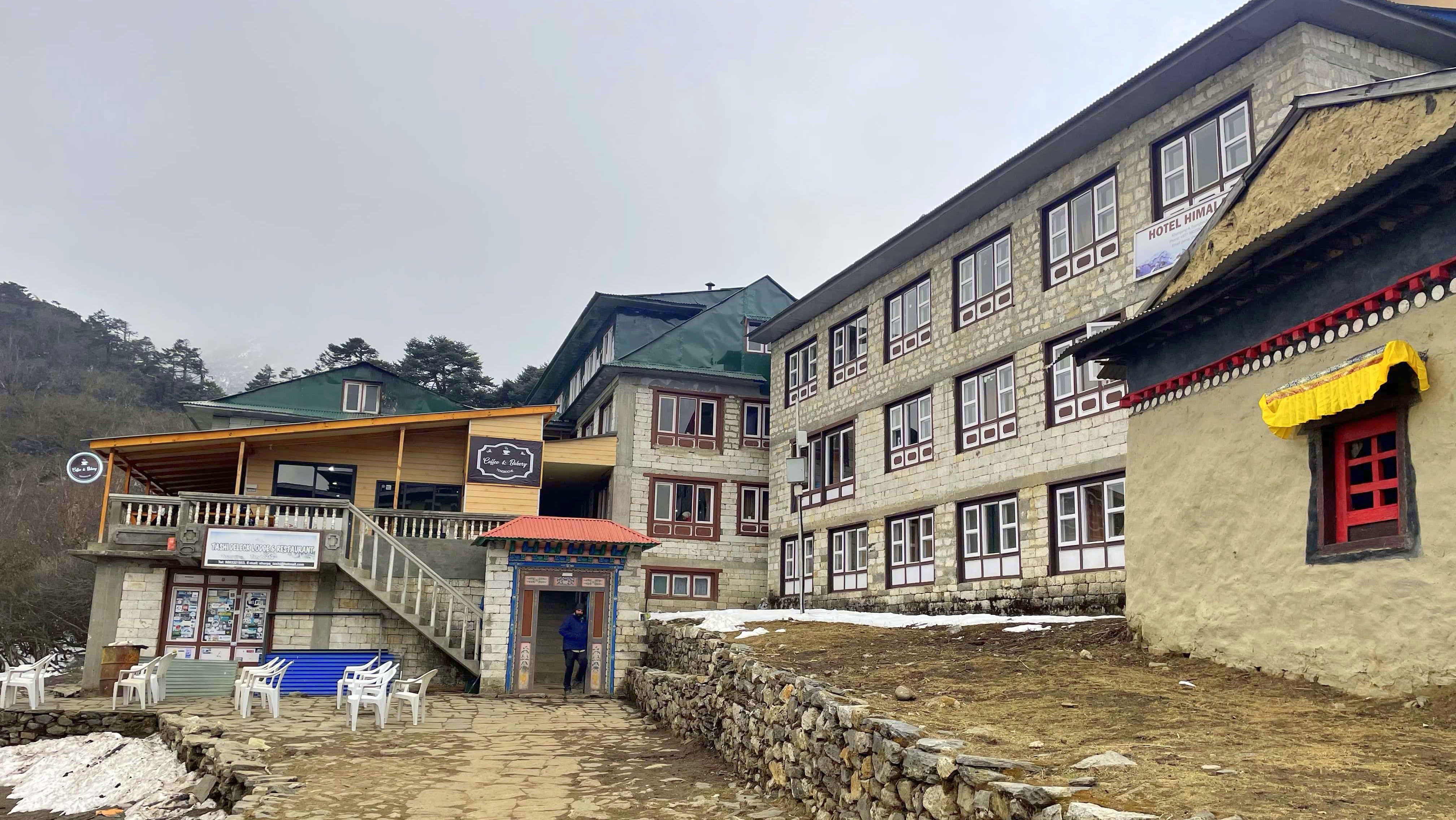
Teahouse trekking in Nepal is a style of trekking where hikers stay in locally run lodges (teahouses) along the trail instead of camping outdoors. These teahouses provide basic accommodation, freshly cooked meals, and a warm place to rest after a day of walking.
More than just a place to sleep, teahouses act as social and cultural hubs, where trekkers from around the world gather, share stories, and experience the hospitality of local mountain communities. This makes the journey not only scenic but also deeply personal and interactive.
Teahouse Trek vs Camping Trek
Understanding the difference between these two trekking styles helps you choose what suits you best:
-
Teahouse Trekking: You stay in lodges, eat meals prepared on-site, and carry only essential gear. This makes the trek lighter, more comfortable, and suitable for most travelers.
-
Camping Trekking: You sleep in tents and rely on a support team to carry food, cooking equipment, and camping gear. This type of trekking is more demanding and is usually done in very remote or less-developed regions where teahouses are not available.
Overall, teahouse trekking is more convenient, affordable, and beginner-friendly, while camping treks offer a more rugged and isolated adventure.
Popular Regions for Teahouse Trekking
Teahouse trekking is most common in Nepal’s well-established trekking regions, where infrastructure has developed over the years:
-
Everest Region: Home to the famous Everest Base Camp trek, this region offers well-developed teahouses with relatively better facilities, stunning Himalayan views, and rich Sherpa culture.
-
Annapurna Region: One of the most diverse trekking areas, featuring routes like Annapurna Base Camp and the Annapurna Circuit. It offers a wide range of teahouses—from basic lodges to more comfortable stays.
-
Langtang Region: A quieter and less crowded option near Kathmandu, known for its peaceful trails, traditional villages, and reliable teahouse accommodation.
These regions are ideal for trekkers looking for a balance between comfort, accessibility, and authentic Himalayan experiences, making them the heart of Nepal trekking accommodation culture.
Where Can You Do Teahouse Trekking in Nepal?
Nepal is home to some of the world’s most iconic trekking routes, and many of them are supported by a well-established network of teahouses. These routes offer the perfect combination of scenic beauty, cultural experiences, and accessible accommodation, making them ideal for teahouse trekking.
Everest Base Camp Trek
The Everest Base Camp (EBC) Trek is one of the most popular trekking routes in the world. This trail takes you through the heart of the Khumbu region, offering breathtaking views of Mount Everest and the surrounding peaks. Along the way, you’ll pass through traditional Sherpa villages like Namche Bazaar and Tengboche, where teahouses are well-developed and relatively comfortable compared to other regions.
Annapurna Circuit / Annapurna Base Camp
The Annapurna region is one of the most diverse trekking areas in Nepal. The Annapurna Circuit takes you through a wide range of landscapes—from subtropical forests and terraced fields to high mountain passes like Thorong La. Meanwhile, the Annapurna Base Camp (ABC) Trek offers a shorter but equally rewarding journey into the heart of the Annapurna Sanctuary.
This region is known for its excellent teahouse infrastructure, offering options from basic lodges to more comfortable stays, making it ideal for both beginners and experienced trekkers.
Langtang Valley Trek
Located just north of Kathmandu, the Langtang Valley Trek is perfect for those looking for a quieter and less crowded alternative. The trail passes through beautiful forests, alpine meadows, and traditional Tamang villages, offering a more peaceful trekking experience.
Teahouses in Langtang are simple but reliable, and the region is well-suited for trekkers who want easy access combined with authentic local culture and stunning Himalayan views.
Manaslu Circuit (Limited Teahouses)
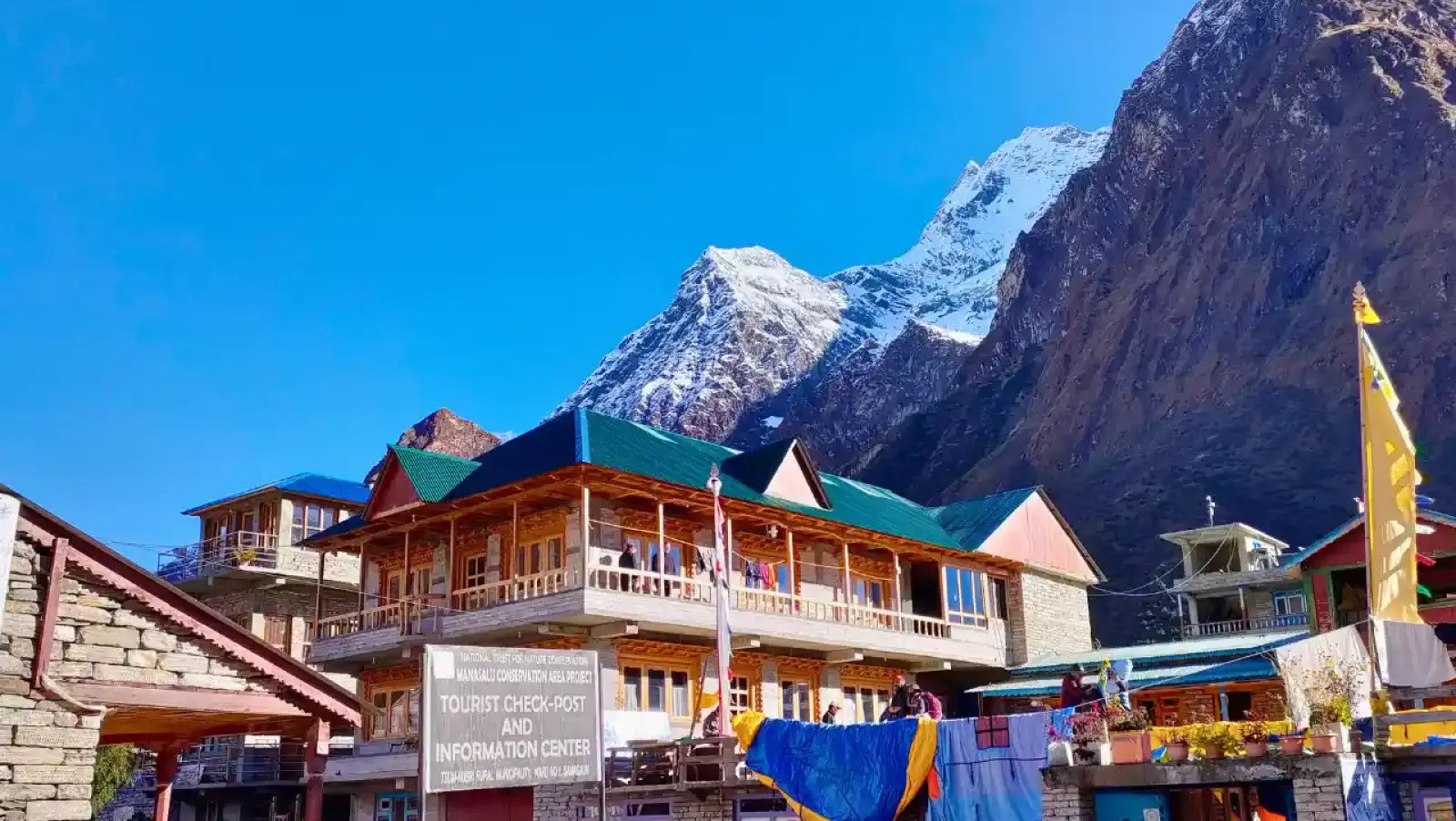
The Manaslu Circuit Trek is a more remote and adventurous option. While teahouse trekking is possible here, the infrastructure is still developing compared to Everest and Annapurna. Teahouses tend to be more basic, especially at higher altitudes.
This trek offers a more off-the-beaten-path experience, with dramatic landscapes, fewer crowds, and a strong sense of wilderness—ideal for trekkers seeking a quieter and more authentic Himalayan journey.
What Are Teahouses Like?
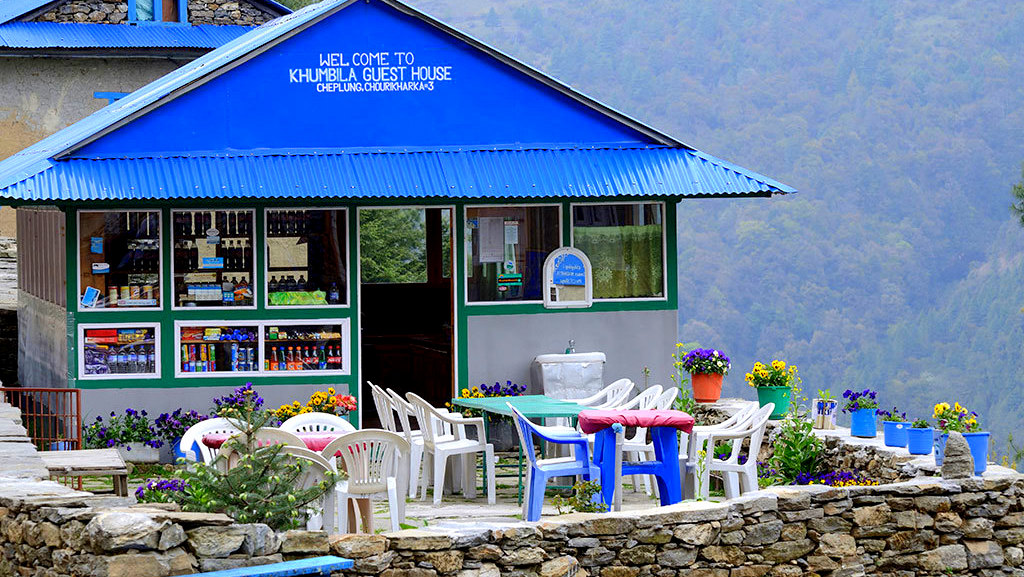
Teahouses in Nepal are simple, family-run lodges that provide trekkers with a place to sleep, eat, and rest along the trail. While they may not offer luxury, they are known for their warm hospitality, homely atmosphere, and cultural authenticity, which often become highlights of the trekking experience.
Basic Structure
Most teahouses follow a similar layout designed for both comfort and practicality:
-
A central dining area, often with a wood or yak-dung stove, where trekkers gather to eat, stay warm, and socialize
-
Bedrooms arranged along corridors or upper floors
-
A kitchen area where fresh meals are prepared daily
The dining room is usually the heart of the teahouse, especially in the evenings when trekkers come together to relax after a long day.
Rooms & Facilities
Accommodation is generally basic but sufficient for trekking needs:
-
Twin-sharing rooms with simple wooden beds, mattresses, pillows, and blankets
-
Shared bathrooms, which may be located inside or outside the main building
-
Limited heating, typically available only in the dining area—not in bedrooms
In lower regions, you may find slightly more सुविधाजनक facilities, while at higher altitudes, services become more basic due to remoteness.
As you ascend, comfort levels gradually decrease, but what remains consistent is the genuine kindness of local hosts and the unique experience of staying in the heart of the Himalayas.
Food & Meals During Teahouse Trekking
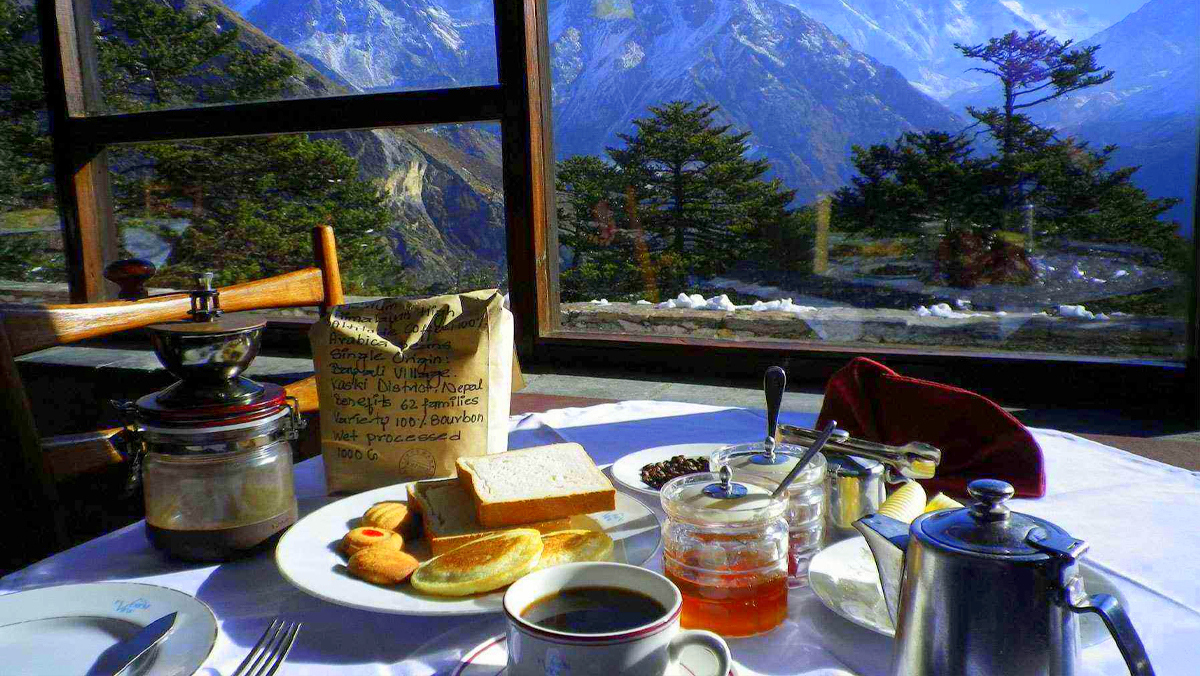
Food plays an essential role in keeping you energized and comfortable during your trek. One of the highlights of teahouse trekking in Nepal is enjoying freshly prepared meals in the mountains, often made with locally sourced ingredients.
Common Menu
Teahouse menus are surprisingly varied, especially in popular trekking regions. You can expect:
-
Dal Bhat (rice, lentils, and vegetables)—the most popular and nutritious meal, often served with unlimited refills
-
Noodles, pasta, and fried rice
-
Soups, pancakes, eggs, and simple breakfast options
-
Tea, coffee, and hot drinks
What to Expect
-
Western dishes like pizza, burgers, and pasta are available in regions like Everest and Annapurna
-
Food is generally safe, fresh, and cooked to order
-
Prices increase with altitude, as all supplies are carried by porters or animals
For most trekkers, Dal Bhat is the best choice—it’s filling, rich, and offers great value for money during long trekking days.
Cost of Teahouse Trekking in Nepal
One of the biggest advantages of teahouse trekking is its affordability compared to other international trekking destinations. It offers a great balance between cost and experience.
Typical Costs
-
Accommodation: $5–$15 per night (often discounted or free if you eat at the same teahouse)
-
Food: $20–$40 per day, depending on location and altitude
-
Daily Budget: Approximately $25–$60 per person
Costs tend to rise as you go higher due to transportation challenges and limited resources.
Budget vs Luxury Teahouse Trekking
-
Budget Trekking:
Basic rooms, shared bathrooms, simple meals, and essential services -
Luxury Teahouse Trekking:
Upgraded lodges with attached bathrooms, better food options, comfortable bedding, and enhanced service
This flexibility allows trekkers to choose an experience that matches both their comfort level and budget.
What to Expect During the Trek
A teahouse trek in Nepal is a well-balanced mix of physical activity, natural beauty, and cultural interaction.
A Typical Day Includes:
-
5–7 hours of walking through forests, villages, and mountain trails
-
Well-marked and maintained paths, especially in popular regions like Everest and Annapurna
-
Opportunities to interact with locals and fellow trekkers from around the world
-
Constantly changing scenery, including snow-capped peaks, rivers, and lush valleys
Each day brings a new landscape and experience, making the journey both exciting and rewarding.
Teahouse trekking is not just about reaching a destination—it’s about immersing yourself in the journey, the culture, and the people you meet along the way.
Facilities & Connectivity
While teahouse trekking offers a comfortable alternative to camping, it’s important to remember that you are still traveling through remote Himalayan regions. Facilities are available but can be basic and limited, especially at higher altitudes.
-
Electricity & Charging: Most teahouses provide electricity, often through solar power. Charging your devices is usually available for an additional fee, particularly in higher regions.
-
Wi-Fi: Wi-Fi is available in many teahouses, especially in the Everest and Annapurna regions. However, it is typically slow, unreliable, and paid.
-
Hot Showers: Hot showers are offered at many stops but come with an extra cost. In higher areas, options may be limited to bucket showers.
-
Mobile Network: Mobile coverage is generally available in lower elevations, but it becomes weak or unavailable as you ascend.
Overall, facilities are improving each year, but it’s best to be prepared for limited connectivity and simple services.
Difficulty Level & Fitness
Teahouse trekking in Nepal can range from easy to challenging, depending on the route you choose.
Is It Suitable for Beginners?
Yes, many popular routes like Annapurna Base Camp and Langtang Valley are considered beginner-friendly and do not require technical climbing skills.
Challenges to Consider
-
High altitude, which reduces oxygen levels and can affect your body
-
Long walking hours, typically 5–7 hours per day
-
Changing weather conditions, especially in higher regions
Important Tip
Proper acclimatization is essential to prevent altitude sickness. Taking rest days and ascending gradually will greatly improve your trekking experience and safety.
Packing Tips for Teahouse Trekking
Packing wisely can make your trek much more comfortable. Since you won’t need camping gear, you can focus on essentials.
Must-Have Items
-
Warm layers, including a down jacket and thermal wear
-
Comfortable and well-broken-in trekking boots
-
A sleeping bag (recommended for extra warmth and hygiene)
-
Basic toiletries and personal items
-
Power bank and headlamp for charging and lighting
The key is to pack light but smart, carrying only what you truly need for the trek.
For Complete Packing List, please visit our blog (Packing List for Travelling in Nepal)
Best Time for Teahouse Trekking in Nepal
Choosing the right season can significantly enhance your trekking experience.
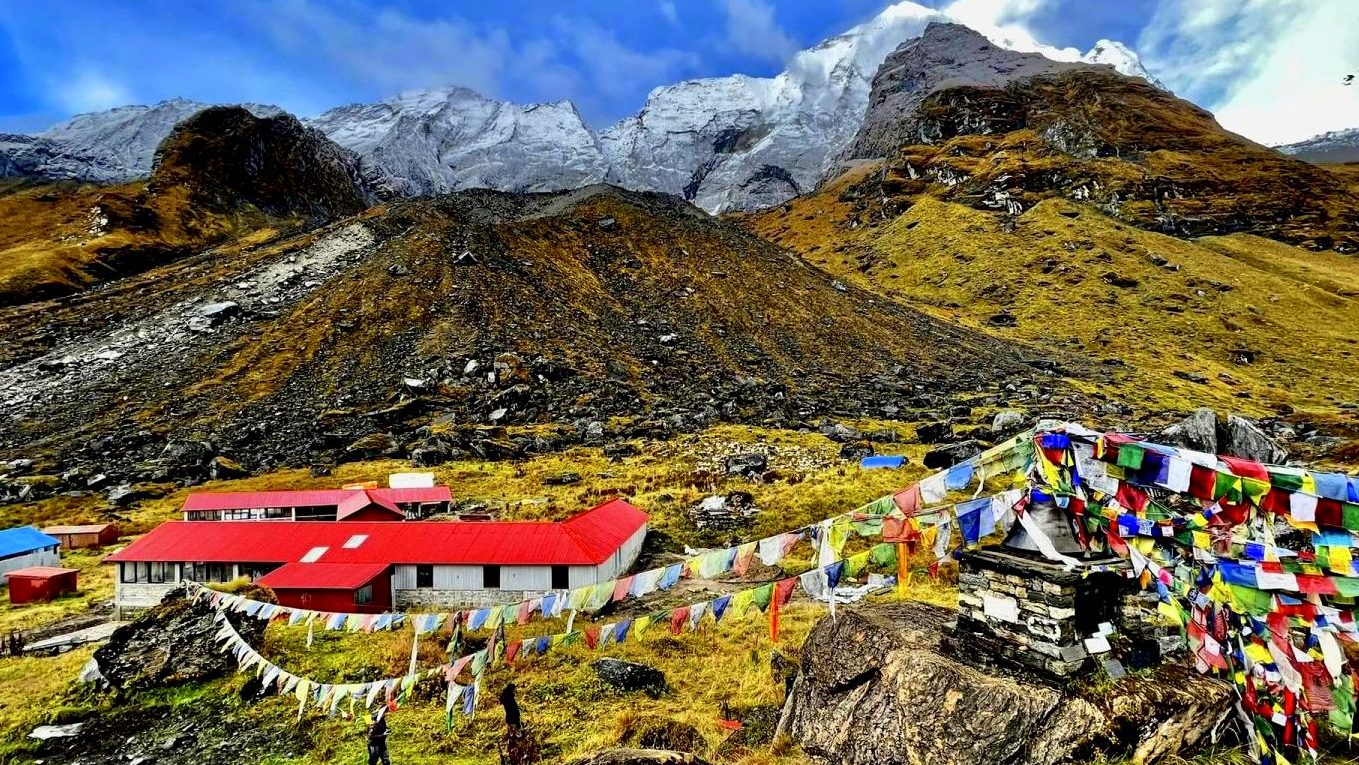
Spring (March–May)
-
Blooming rhododendron forests
-
Clear skies and mild temperatures
-
Excellent for scenic trekking
Autumn (September–November)
-
Best visibility and mountain views
-
Stable and dry weather
-
Peak trekking season in Nepal
Winter & Monsoon
-
Winter (December–February): Cold temperatures but fewer crowds
-
Monsoon (June–August): Rainy conditions and slippery trails, though rain-shadow regions like Mustang remain viable
For most trekkers, spring and autumn are the best seasons for teahouse trekking in Nepal.
For Compelet information about weather in Nepal, please read our weather guide (Best time for trekking in Nepal)
Pros & Cons of Teahouse Trekking
Teahouse trekking is one of the easiest and most popular ways to explore the Himalayas, but like any travel style, it comes with both advantages and limitations. Understanding these will help you plan better and set realistic expectations.
Advantages
-
Affordable and Convenient: Teahouse trekking is much more budget-friendly than camping treks since you don’t need to hire a full support team or carry extensive gear. Food and accommodation are easily available along the route.
-
Lightweight Trekking Experience: Since lodging and meals are provided, you can trek with a lighter backpack, making the journey more comfortable and manageable.
-
Social and Cultural Experience: Teahouses bring trekkers together in shared dining spaces, creating opportunities to meet people from around the world and connect with local hosts. It adds a strong cultural and social element to the trek.
Limitations
-
Basic Facilities: Especially at higher altitudes, teahouses offer only essential amenities. Expect simple rooms, shared bathrooms, and limited heating.
-
Limited Privacy: Most accommodations are twin-sharing, and common dining areas are shared, which may not suit travelers looking for privacy.
-
Varying Comfort Levels: The quality of teahouses can differ depending on the region and altitude. Popular areas like Everest and Annapurna offer better facilities, while remote regions are more basic.
Overall, teahouse trekking offers a great balance between comfort, affordability, and authentic experience—as long as you’re prepared for its simple and rustic nature.
Teahouse Trekking vs Luxury Trekking
Choosing between teahouse trekking and luxury trekking in Nepal depends on your travel style, comfort preferences, and budget. Both options follow similar trekking routes but offer very different experiences in terms of accommodation, service, and overall comfort.
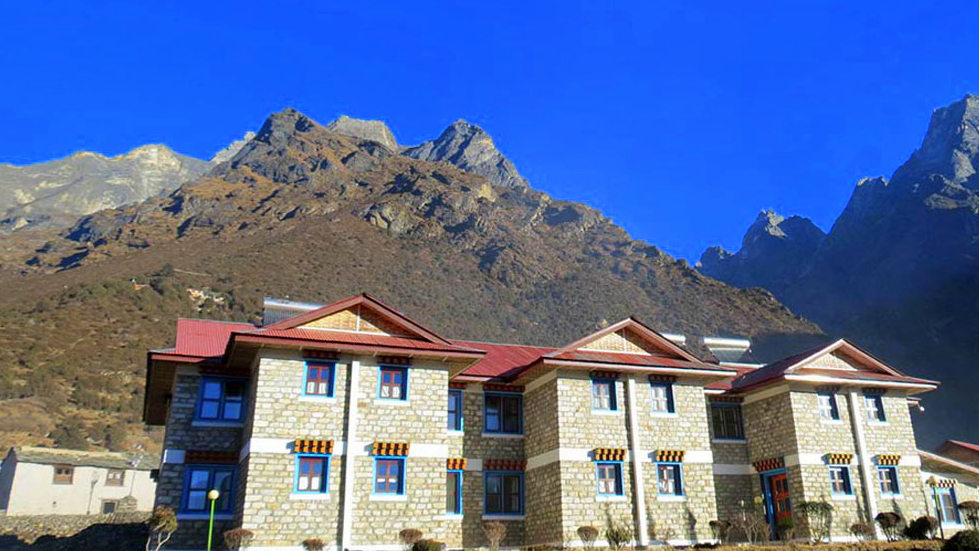
Teahouse Trekking
Teahouse trekking is the traditional and most popular way to explore the Himalayas. It focuses on simplicity, cultural immersion, and affordability.
-
Accommodation: Basic lodges with twin-sharing rooms, simple beds, and shared bathrooms
-
Meals: Local and international dishes served in teahouses, with popular options like Dal Bhat, noodles, and soups
-
Comfort Level: Functional and minimal—suitable for trekkers who prioritize experience over luxury
-
Experience: Offers a more authentic and social atmosphere, where you interact closely with locals and fellow trekkers
-
Cost: Budget-friendly, making it accessible for most travelers
Teahouse trekking is ideal for those who want a raw, immersive Himalayan experience without spending heavily.
Luxury Trekking
Luxury trekking is designed for travelers who want to experience the Himalayas without compromising on comfort and service. It combines adventure with premium hospitality.
-
Accommodation: High-end lodges or boutique mountain hotels with private rooms, attached bathrooms, comfortable bedding, and heating
-
Meals: A wider variety of high-quality meals, including multi-course options, fresh bakery items, and hygienically prepared dishes
-
Comfort Level: Significantly higher, with better facilities such as hot showers, electric blankets, Wi-Fi, and charging access
-
Service: Personalized attention with experienced guides, porters, and well-organized logistics
-
Extras: In some cases, luxury treks may include domestic flights, helicopter returns, or upgraded transportation
Luxury trekking is perfect for those who want to enjoy the stunning landscapes of Nepal in a more relaxed and comfortable way, especially after long trekking days.
Key Takeaway
While both options take you through the same breathtaking Himalayan trails, the difference lies in how you experience the journey:
-
Choose teahouse trekking for authenticity, simplicity, and affordability
-
Choose luxury trekking for comfort, privacy, and a more premium experience
Luxury trekking is especially ideal for travelers who want to enjoy the Himalayas with added comfort, personalized service, and less physical strain from logistics without missing out on the adventure itself.
Safety Tips for Teahouse Trekking
Safety should always be a priority when trekking in the Himalayas.
-
Be aware of altitude sickness symptoms and take them seriously
-
Stay hydrated and maintain a balanced diet
-
Consider hiring a guide or porter for support and safety
-
Always have travel insurance with high-altitude evacuation coverage
Important Update (2026)
As per the updated Nepal trekking rules 2026, while teahouse trekking in popular regions like Everest and Annapurna can still be done independently, restricted areas such as Manaslu, Upper Mustang, and Dolpo now allow solo trekking only with a licensed guide and a registered trekking agency.
This ensures that even solo travelers are properly supported when exploring Nepal’s most remote and challenging regions.
Teahouse trekking in Nepal offers a unique combination of adventure, culture, and comfort. It allows trekkers to experience the beauty of the Himalayas without the complexity of camping logistics.
Whether you are a beginner or an experienced traveler, teahouse trekking provides a flexible and enriching way to explore Nepal’s iconic trails.
With the latest updates in Nepal trekking rules for 2026, travelers also have more options than ever—especially in restricted areas where guided solo trekking is now possible.
Frequently Ask Question (FAQ)
Q: What is a teahouse in Nepal?
A: A teahouse is a small, family-run lodge along trekking routes that provides basic accommodation, meals, and a place to rest for trekkers.
Q: Do I need a guide for teahouse trekking in Nepal?
A: Not always. In popular regions like Everest, Annapurna, and Langtang, independent trekking is allowed. However, hiring a guide is highly recommended for safety. In restricted areas, a licensed guide is mandatory.
Q: How much does teahouse trekking cost per day?
A: On average, teahouse trekking costs around $25–$60 per day, depending on the region, altitude, and your spending on food and services.
Q: Are teahouses safe for trekkers?
A: Yes, teahouses are generally safe. They are run by local families and are accustomed to hosting trekkers from around the world.
Q: Do teahouses have Wi-Fi and electricity?
A: Yes, most teahouses offer Wi-Fi and electricity, especially in popular regions. However, both are often limited, slow, and available for an extra charge.
Q: Can I charge my devices in teahouses?
A: Yes, charging facilities are available, but you may need to pay a small fee—especially at higher altitudes where electricity is limited.
Q: Is food safe during the teahouse trekking?
A: Yes, food is generally safe and freshly prepared. It’s recommended to eat hot, cooked meals and avoid raw foods at higher altitudes.
Q: Do I need to book teahouses in advance?
A: Usually not. You can find rooms easily along the trail. However, during peak seasons (spring and autumn), booking in advance is helpful in busy areas.
Q: Are hot showers available in teahouses?
A: Yes, many teahouses offer hot showers, but they typically come with an additional cost. In higher regions, options may be limited.
Q: Is teahouse trekking suitable for beginners?
A: Yes, many routes are beginner-friendly, such as Annapurna Base Camp and Langtang Valley. However, proper preparation and acclimatization are important.
Q: What should I carry for teahouse trekking?
A: Essentials include warm clothing, trekking boots, a sleeping bag, toiletries, and a power bank. Packing light but smart is key.
If you need any further information, please contact us by email: [email protected], Phone: +977- 985 100 5129 (WhatsApp)
#Tags

Tripadvisor
5.01152 reviewsGoogle
4.8154 reviewsFacebook
4.1 recommend44 ReviewsTrustpilot
4.1 Great(12 reviews)- Trusted by50K plus traveller