Hurry Up! 40% Off Adventure Trips!
Free Airport Transfers on All Luxury Trips
Last-Minute Deals! Save Big!
View Deals
Luxury Holidays Nepal Pvt. Ltd.
+977 9851005129Group Join
    • luxury nepal tour with everest flight
    • luxury nepal tour with everest and lumbini
    • everest heli kathmandu and pokhara luxury tour
    • everest helicopter with luxury nepal tour
    • everest heli with kathmandu pokhara and birthplace of buddha
    • kathmandu and chitwan tour with dhulikhel
    • family tour in nepal
    • honeymoon in nepal
    • destination wedding in nepal
    • nepal tour with dhampus sarangkot trek
    • luxury nepal tour with everest scenic flight
    • luxury everest base camp heli trek
    • luxury everest view trek
    • luxury everest base camp trek
    • luxury tour with dhampus trek
    • annapurna luxury trek
    • upper mustang heli trek
    • vvip everest base camp luxury trek
    • ghorepani poon hill luxury trek
    • everest base camp and gokyo lakes luxury helicopter trek
    • luxury trekking in nepal with pokhara and dhulikhel
    • everest view luxury heli trek
    • annapurna base camp helicopter landing tour
    • langtang helicopter tour
    • upper mustang helicopter tour
    • everest and gokyo helicopter tour
    • everest for breakfast
    • everest heli tour
    • everest base camp helicopter tour with kala patthar gokyo lake
    • core values
    • our fleet
    • refund and cancellation
    • terms conditions
    • why luxury holidays
    • our team
    • legal documents
    • how to book a trip
    • work with luxury holidays
    • lhn and responsible tourism
    • sustainability commitment
  • Contact
Luxury Holidays Nepal Pvt. Ltd.+977 9851005129

Activities and Trip Style

  • trekking and hiking
  • expedition and climbing
  • helicopter tour services
  • cultural tours and historical tours
  • adventure sports and outdoor activities
  • destination wedding honeymoons and family trips
  • luxury trips
  • day activities
  • family trips in nepal
  • student tours in nepal

Helicopter Tours

  • annapurna base camp helicopter landing tour
  • langtang helicopter tour
  • upper mustang helicopter tour
  • everest and gokyo helicopter tour
  • langtang valley heli trek
  • annapurna base camp heli trek
  • everest view helicopter tour luxury holidays nepal

Luxury Trips

  • luxury everest view trek
  • luxury nepal tour with everest and lumbini
  • annapurna luxury trek
  • luxury everest base camp trek
  • nepal tour with dhampus sarangkot trek
  • everest helicopter and kathmandu tour
  • upper mustang heli trek
  • vvip everest base camp luxury trek
  • 5 days luxury nepal tour
  • ghorepani poon hill luxury trek
  • Nepal
    +977 1498 5969Nepal (Head Office)
  • United State of America
    +1 916 794 8443USA & Canada
  • Associations

  • Nepal Gov
  • Ntb
  • Keep
  • NMA
  • Taan

About Us

  • Refund & Cancellation policy
  • Terms & Conditions
  • Why Luxury Holidays?
  • Best Low Price Guarantee
  • Legal Documents
  • How to Book a Trip
  • Work with us
  • Sustainability Commitment
  • Awards & Recognition

Stay inspired!

Subscribe to our newsletter for exciting travel ideas, tips, and updates.

Follow Us

We Accept

  • visa card
  • Master card
  • American Express
  • Discover
  • JCB
  • Dinner Club
  • Union Pay
All content, including images, is owned by Luxury Holidays Nepal. Reproduction is prohibited without permission,© Luxury Holidays Nepal Pvt. Ltd. 2026.
    1. Home
    2. Nepal
    3. Trekking in Nepal
    4. Luxury Everest View Trek

    Luxury Everest View Trek

    5.0Based on52 reviews
      • Facebook
      • Twitter
      • LinkedIn
    Everest Trek Banner (1)
    WhatsApp Image 2024 10 26 at 9.06.43 PM
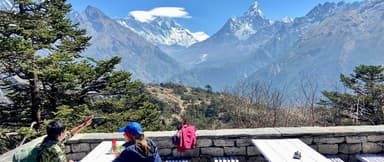
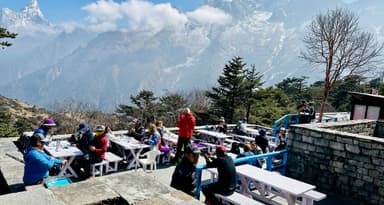
    Everest View Hotel
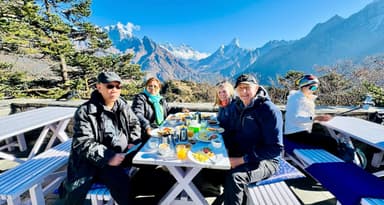
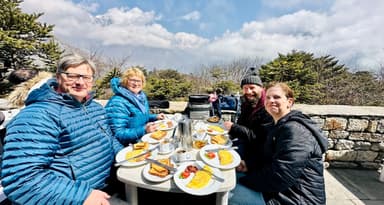
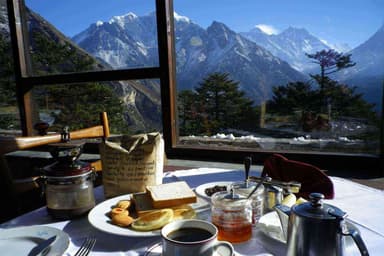
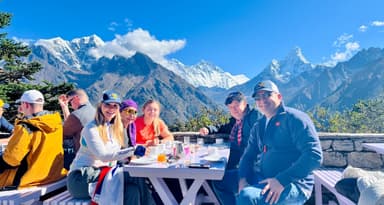
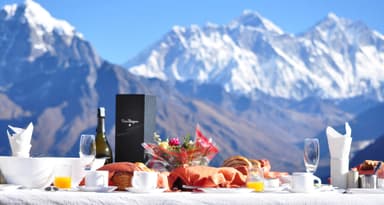
    Breakfast at Everest View Hotel
    Everest View
    HEV Luxury
    Everest Helicopter Tour Hotel Everest View
    Everest Helicopter Tour View from Hotel Everest View
    Breakfast Everest View Hotel
    IMG 9717 2 (1)
    Everest Heli Trek 7
    Everest Base Camp Trek 6
    Everest Base Camp Trek 4
    Everest Base Camp Trek 6
    Everest Base Camp Trek 3
    Everest Base Camp Trek 11 (1)
    Everest Base Camp Trek 7
    17 Photos
    Everest Trek Banner (1)
    WhatsApp Image 2024 10 26 at 9.06.43 PM
    Everest View Hotel
    Breakfast at Everest View Hotel
    Everest View
    HEV Luxury
    Everest Helicopter Tour Hotel Everest View
    Everest Helicopter Tour View from Hotel Everest View
    Breakfast Everest View Hotel
    IMG 9717 2 (1)
    Everest Heli Trek 7
    Everest Base Camp Trek 6
    Everest Base Camp Trek 4
    Everest Base Camp Trek 6
    Everest Base Camp Trek 3
    Everest Base Camp Trek 11 (1)
    Everest Base Camp Trek 7

    Luxury Everest View Trek - 8 days

    5:0Based on 52 reviews
    See Options
    • Overview
    • Itinerary
    • Cost Details
    • Departures
    • Reviews
    • Trip Info
    • FAQs
    200 OFFUS $999
    US $799per person
    • Book Instantly Directly with Provider
    • Best Price guarantee
    • Fully Customizable Trip
    • Extend Trip Without Any Charges
    check availability
    +977 9851005129[email protected]

    *Travel pros with 13+ years of experiencelet’s plan your trip!

    At a Glance

    • DestinationNepal
    • Duration8 days
    • Trip DifficultyModerate
    • ActivitiesTour and Trek
    • Max. Elevation3962m.
    • Group SizeMax. 12 Pax
    • VehiclePrivate Luxury Tourist Vehicles and Aeroplane
    • AccommodationLuxury Hotels in Kathmandu and Luxury Lodges in the Mountain
    • MealsAll Standard Meals throughout the trip

    Places You’ll See

    Kathmandu

    Kathmandu

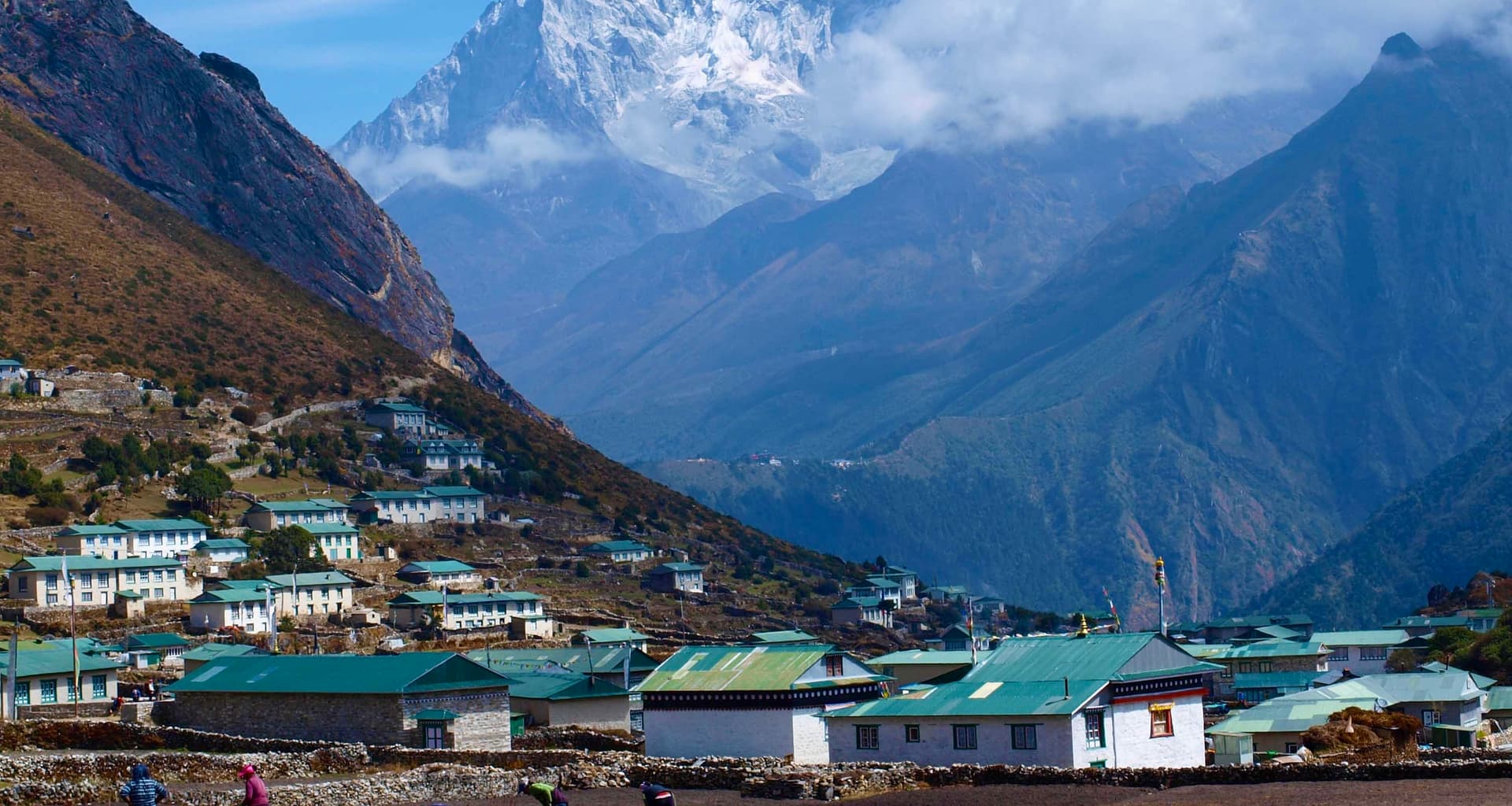
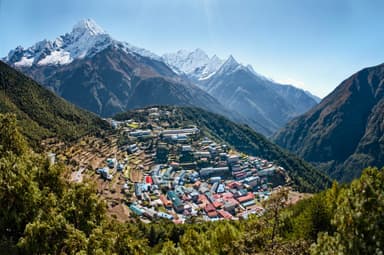
    Namche Bazaar

    Namche Bazaar

    Lukla

    Lukla

    Hotel Everest View

    Hotel Everest View

    Manjo Village

    About Luxury Everest View Trek

    The Luxury Everest View Trek is an extraordinary adventure that combines the thrill of trekking in the Everest region with the comfort of luxury accommodations and personalized services. This trek is perfect for those who wish to experience the grandeur of the Himalayas, including breathtaking views of Mount Everest, without the rigors of more challenging expeditions. The journey takes you through the scenic trails of the Khumbu region, offering insights into the Sherpa culture and picturesque Himalayan landscapes. Staying in some of the finest lodges, including the famous Hotel Everest View, this trek ensures a unique blend of adventure and relaxation. From your arrival in Kathmandu, where you'll explore its UNESCO World Heritage Sites, to flying into the world's most iconic mountain airport in Lukla, each moment is carefully curated to provide an unforgettable experience. Whether it's enjoying a traditional farewell dinner in Kathmandu or marveling at the majestic peaks from a luxury lodge, the Luxury Everest View Trek is designed to offer the ultimate Himalayan experience, blending adventure, culture, and comfort.

    (For Group rates and discounts please contact us at - Direct Call: +977-9851005129 (Nepal) and +1 916 794 8443 (USA) / Whatsapp: +977-9851005129 )

    Highlights of the Luxury Everest View Trek

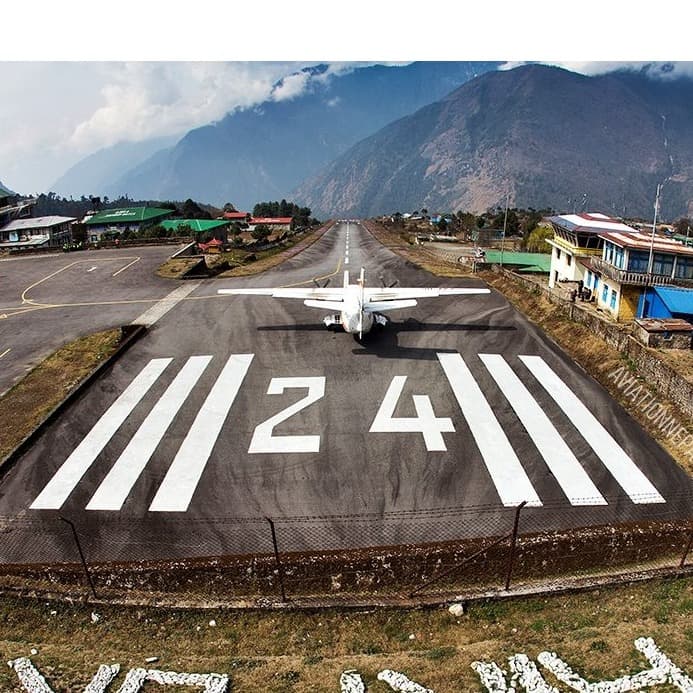
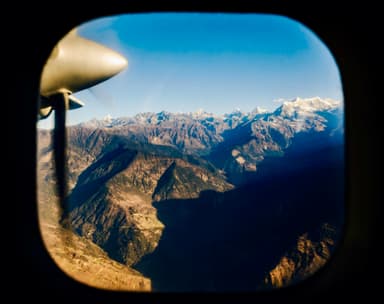
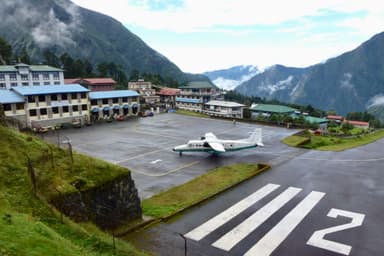
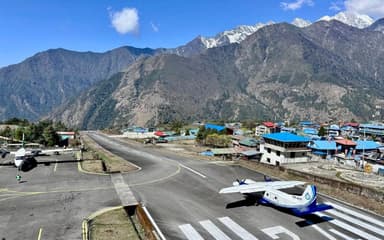
    • Scenic Flight to Lukla: Enjoy a thrilling 30-minute flight over the Himalayas, with breathtaking aerial views of towering peaks as you land at Lukla, one of the world's most famous mountain airports.
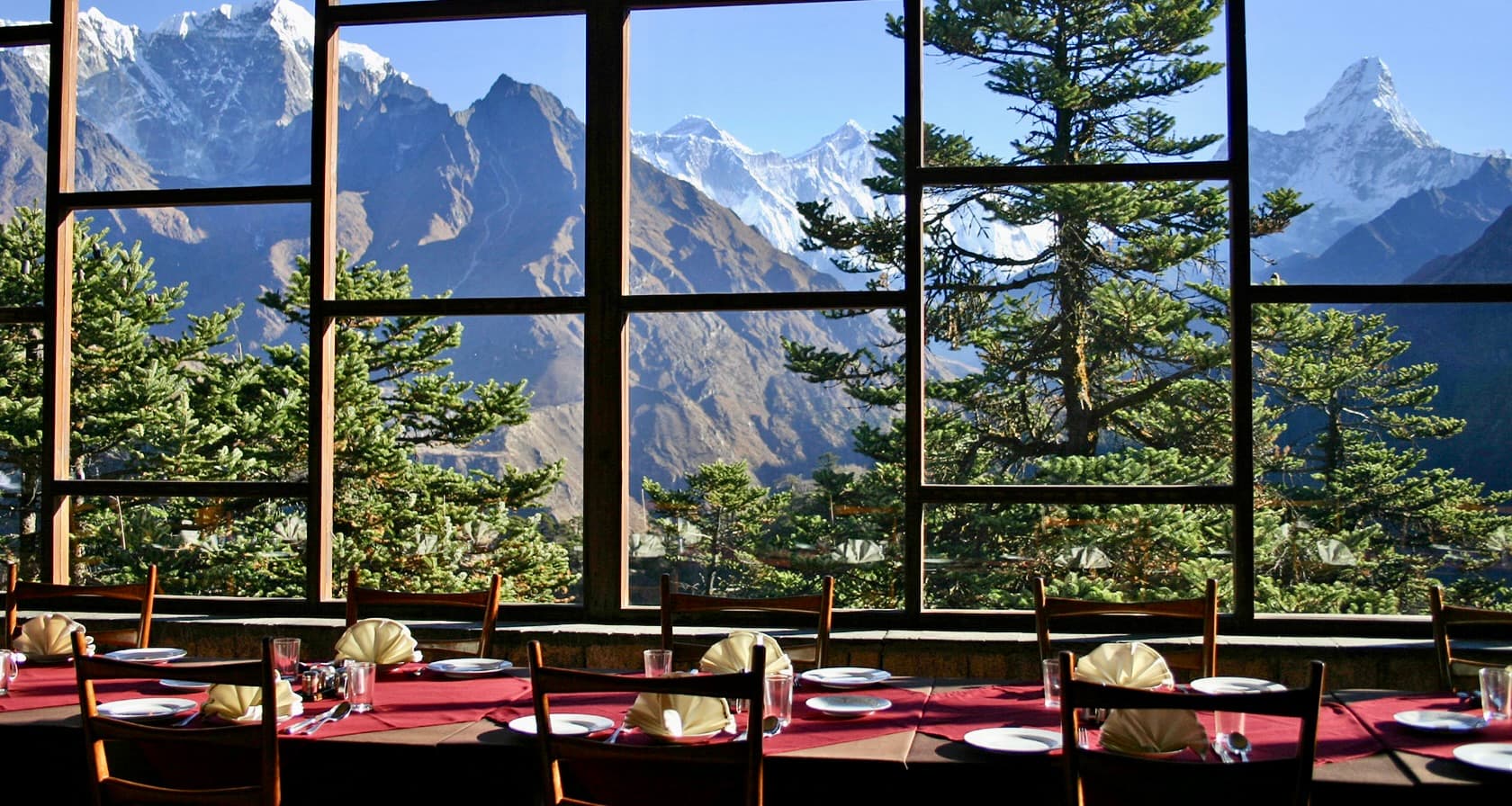
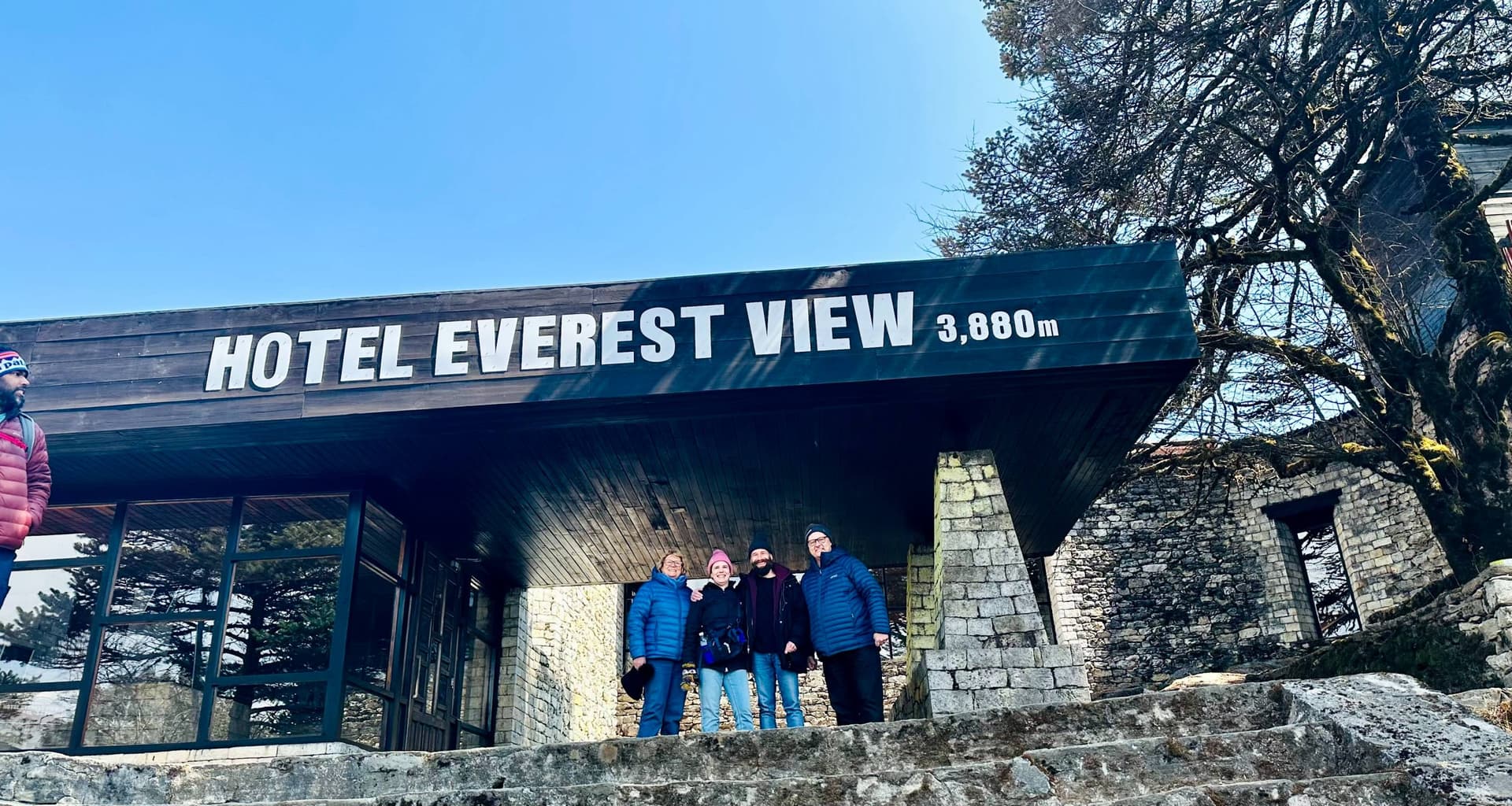
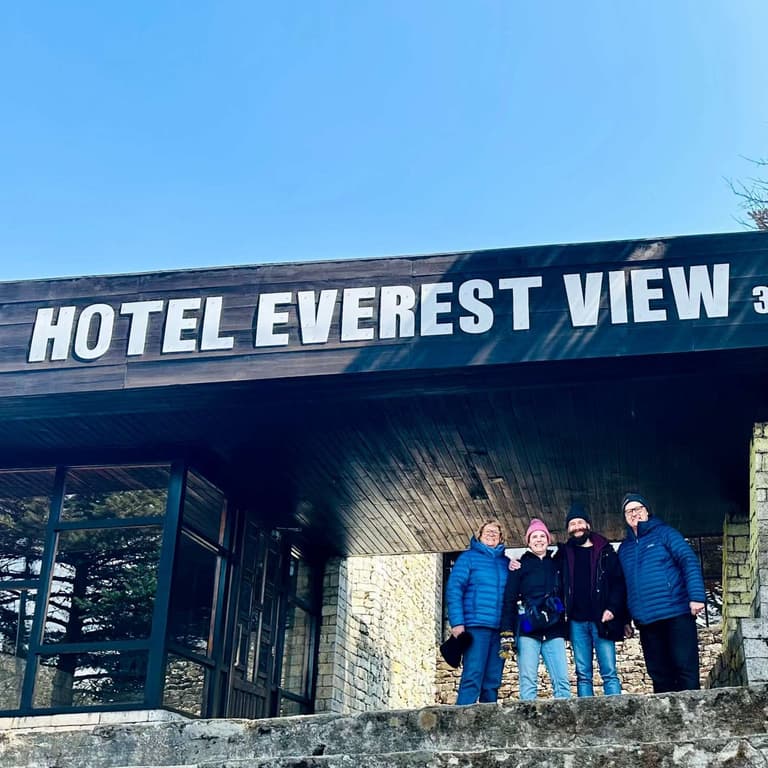
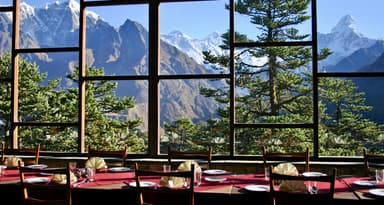
    • Stay at Hotel Everest View: Experience unmatched luxury at one of the highest-altitude hotels in the world, with panoramic views of Mount Everest and the surrounding Himalayas right from your room.
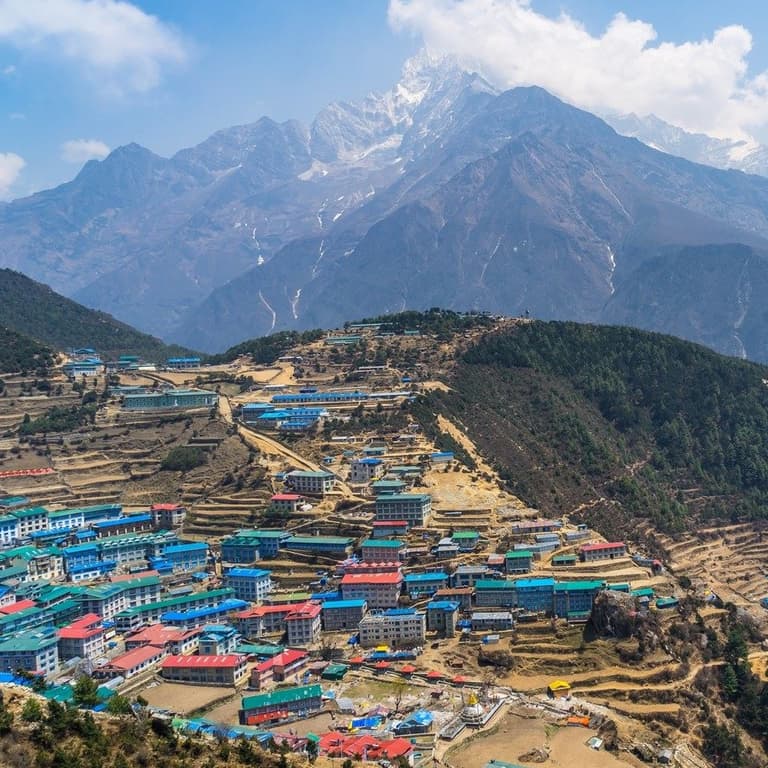
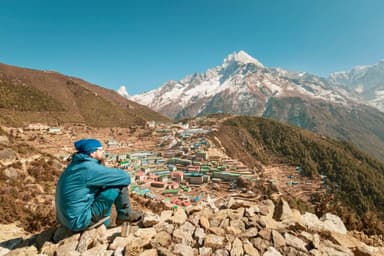
    • Explore Namche Bazaar: Visit the vibrant Sherpa town, the gateway to the Everest region, where you can immerse yourself in Sherpa culture and explore local markets and monasteries.
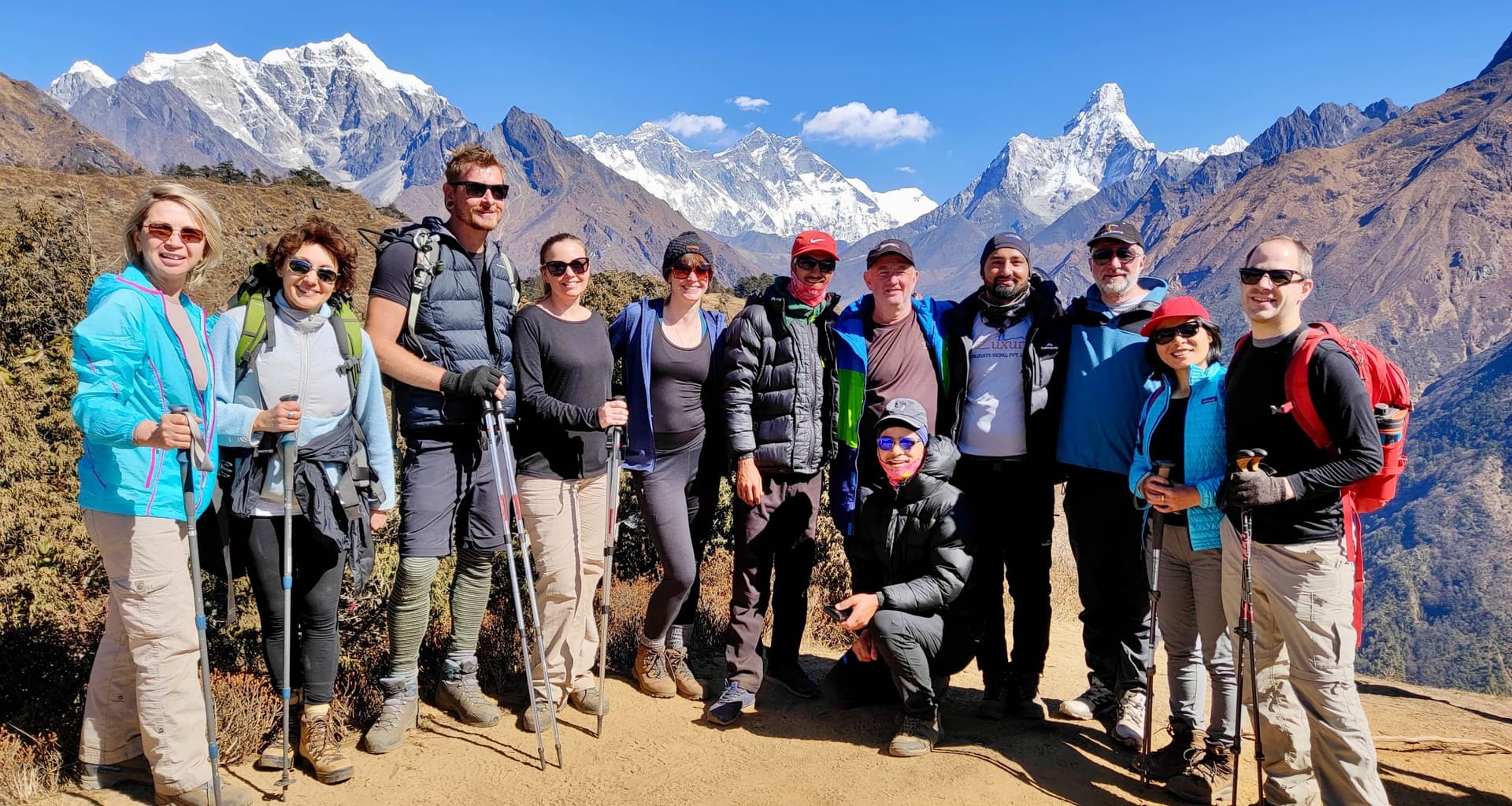
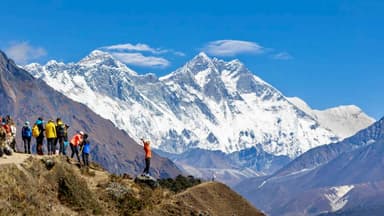
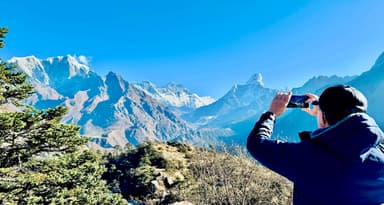
    • Stunning Views of Everest: Enjoy awe-inspiring views of Mount Everest, Lhotse, Ama Dablam, and other iconic peaks, especially from the luxury of Hotel Everest View.
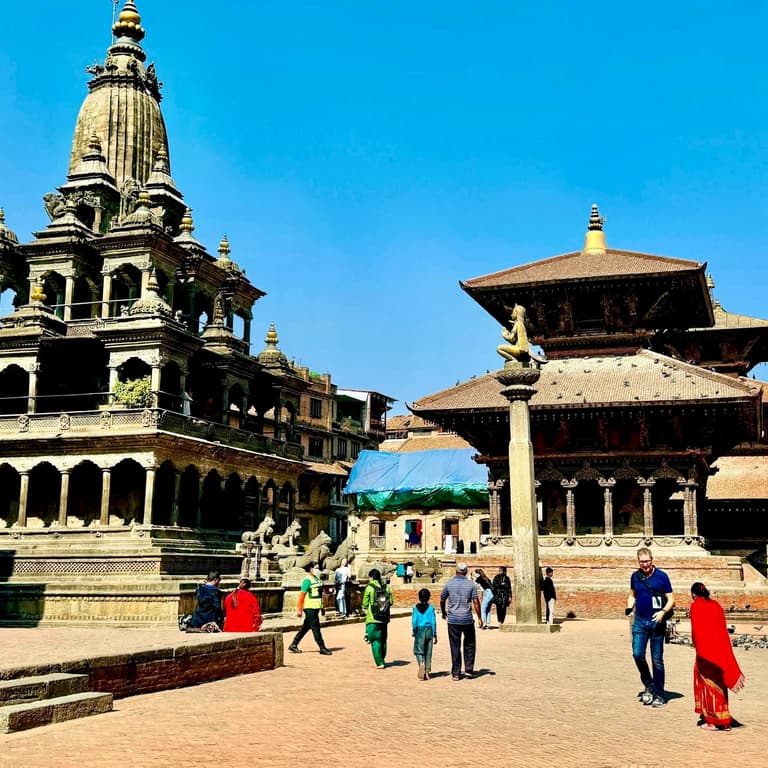
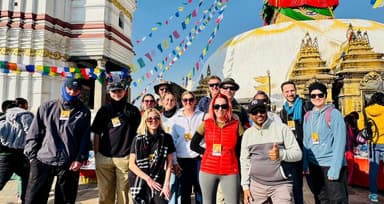
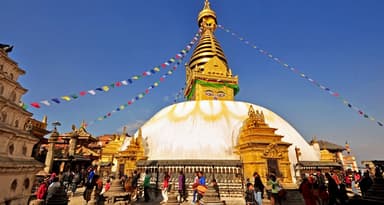
    • Guided Kathmandu Valley Sightseeing: Discover the cultural wonders of Kathmandu with a guided tour of UNESCO World Heritage Sites, including Swayambhunath (Monkey Temple), Boudhanath Stupa, Pashupatinath Temple, and Patan Durbar Square.
    • Luxury Accommodations: Stay in the finest lodges and hotels throughout the trek, ensuring maximum comfort while enjoying the rugged beauty of the Himalayas.
    • Sherpa Culture Immersion: Learn about the rich culture and traditions of the Sherpa people as you trek through villages like Namche Bazaar and interact with the locals.
    • Personalized Service: Benefit from the expertise of licensed trekking guides and porters, who provide personalized attention and ensure a smooth and enjoyable trekking experience.
    • Best Available Meals and Lodging: Relish delicious meals and enjoy the best guesthouses available along the trail, with an option to upgrade to premium luxury lodges.
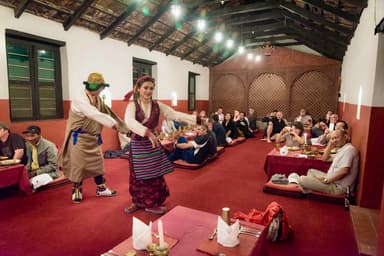
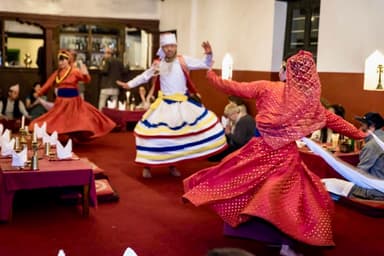
    • Farewell Dinner with Cultural Performance: Conclude your trek with a memorable farewell dinner in a traditional Nepali restaurant, accompanied by cultural dance performances, celebrating your adventure.

    The Luxury Everest View Trek is a perfect combination of adventure, cultural exploration, and luxurious comfort, offering an unforgettable Himalayan experience.

    Route Overview

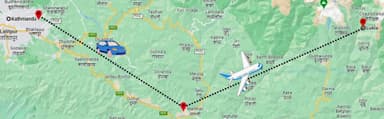
    The Luxury Everest View Trek takes you through some of the most iconic and scenic locations in the Everest region, offering a well-balanced combination of adventure and comfort. The journey begins with a thrilling flight from Kathmandu (or Manthali during peak seasons) to Lukla, the gateway to the Everest region. From there, you embark on a trek along the Dudh Koshi River, passing through charming Sherpa villages like Phakding and Monjo. The trail gradually ascends to Namche Bazaar, the vibrant hub of the Khumbu region, where trekkers acclimatize and explore the local markets and monasteries. The highlight of the trek is the stay at the world-renowned Hotel Everest View, located at an altitude of 3,880m, offering uninterrupted views of Mount Everest and the surrounding Himalayan giants. After enjoying the mesmerizing scenery, the trek retraces its steps back to Lukla before flying back to Kathmandu. This route is designed to provide incredible mountain vistas and cultural insights while ensuring the comfort of luxury lodges and top-tier services throughout the journey.


    Alternative Tours

    For those seeking alternatives to the Luxury Everest View Trek, there are several equally captivating options that cater to different preferences and levels of adventure. One popular alternative is the Everest Base Camp Trek, which takes trekkers deeper into the heart of the Himalayas, offering the chance to visit the base of the world's highest peak and explore the majestic Khumbu Icefall. For a more exclusive and faster-paced experience, the Everest Base Camp Helicopter Tour allows adventurers to witness the grandeur of Mount Everest and Kala Patthar from above, landing at high-altitude locations for a closer look, all in a single day. For those desiring a shorter, more relaxed trek, the Gokyo Lakes Trek is a stunning alternative, where trekkers journey to the pristine Gokyo Valley, known for its turquoise glacial lakes and panoramic views of Everest and Cho Oyu. Additionally, the Pikey Peak Trek offers an off-the-beaten-path experience, with lower altitudes but equally breathtaking views of Mount Everest, and a more serene, culturally immersive trek through Sherpa villages. Each of these alternatives provides a unique way to explore the Everest region, catering to both adventure enthusiasts and luxury travelers alike.

    If you need any further information, please contact us by email: at [email protected], Phone: at +977- 985 100 5129 (WhatsApp)

    Itinerary

    Day

    1. Max. Elevation1355m
    2. Duration20-30 Minutes
    3. Distance6 - 8 KM

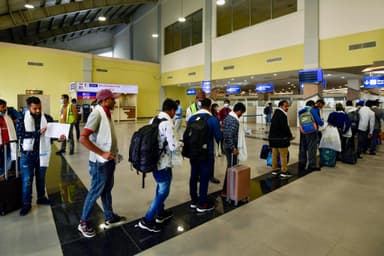
    Upon landing at Tribhuvan International Airport in Kathmandu, you will proceed through immigration for your visa-on-arrival process.

    Visa On Arrival Process:

    • Visa on Arrival is available at Tribhuvan International Airport and major land borders. The process involves filling out an arrival card, submitting your passport (which must have at least 6 months of validity), and paying the appropriate visa fee based on your stay:15 days: USD 30 / 30 days: USD 50 / 90 days: USD 125
    • You can speed up the process by filling out the online visa application up to 15 days before arrival through the official Nepal Immigration website.
    • If you prefer, you can apply for a visa at Nepalese embassies abroad before your arrival.

    Once your visa is issued, you will go through the luggage scanning process before heading to the luggage collection area to retrieve your baggage. After collecting your luggage, proceed to the exit area.

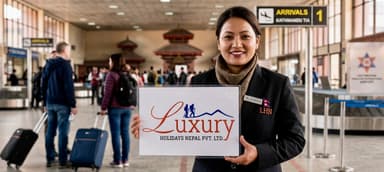
    Upon exiting the terminal building, you will notice a waiting area where people gather to greet arriving passengers. Look for a sign with your name and the Luxury Holidays Nepal board held by our team outside the exit gate. Our representative will be waiting to escort you to your private transfer vehicle.

    Once you're greeted by our team, you'll be transferred to your respective hotel in Kathmandu. Depending on your package, you'll stay at one of the following accommodations:

    Standard: Hotel Mulberry or Hotel Barahi Kathmandu
    Luxury: Kathmandu Marriott Hotel
    Premium: The Dwarika's Hotel

    In the evening, attend a pre-trip meeting at your hotel, where you’ll meet your trek leader and discuss the upcoming trek in detail. All necessary paperwork, permits, and final preparations will be completed during this meeting.

    1. Max. Elevation1355m
    2. Duration5 Hours
    3. Distance40 KM

    Today, you'll enjoy a guided sightseeing tour of the Kathmandu Valley, visiting some of the most important cultural and historical landmarks in the city, all of which are UNESCO World Heritage Sites:

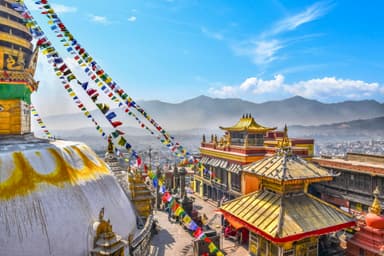
    • Swayambhunath Stupa (Monkey Temple): Your first stop will be the Swayambhunath Stupa, an ancient religious complex perched on a hilltop overlooking Kathmandu. This Buddhist shrine is also known as the Monkey Temple due to the playful monkeys that inhabit the area. You'll enjoy panoramic views of Kathmandu Valley from this vantage point while exploring the stupa's rich history and spiritual significance.
    • Patan Durbar Square: Next, you’ll head to Patan Durbar Square, located in the city of Lalitpur. This historic square is famous for its well-preserved Newari architecture, intricate wooden carvings, and ancient temples. Patan Durbar Square is a center of Hindu and Buddhist culture, showcasing the craftsmanship of the Kathmandu Valley’s rich history.
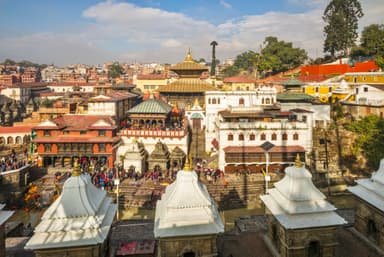
    • Pashupatinath Temple: After lunch, you will visit the sacred Pashupatinath Temple, one of the most significant Hindu temples dedicated to Lord Shiva. Located on the banks of the Bagmati River, this site is also a renowned cremation ground for Hindus. You’ll witness the religious rituals taking place along the riverbanks while learning about the cultural and spiritual importance of this temple.
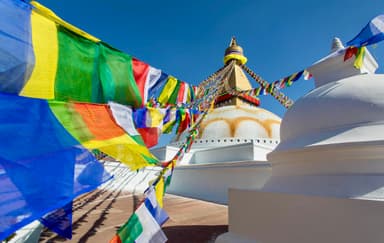
    • Boudhanath Stupa: The final stop of the day will be the Boudhanath Stupa, one of the largest stupas in the world and an important pilgrimage site for Buddhists. The stupa’s massive mandala dominates the skyline, and its serene ambiance attracts visitors seeking peace and reflection. Walk around the stupa, spinning prayer wheels and absorbing the tranquil atmosphere.

    After the tour, you’ll return to your hotel to rest and prepare for the next day's adventure.

    1. Max. Elevation2860m
    2. Duration30-35 Minutes
    3. Distance140 KM

    Today marks the beginning of your trekking adventure in the Everest region.

    Option 1: Fly from Kathmandu to Lukla (35 minutes)

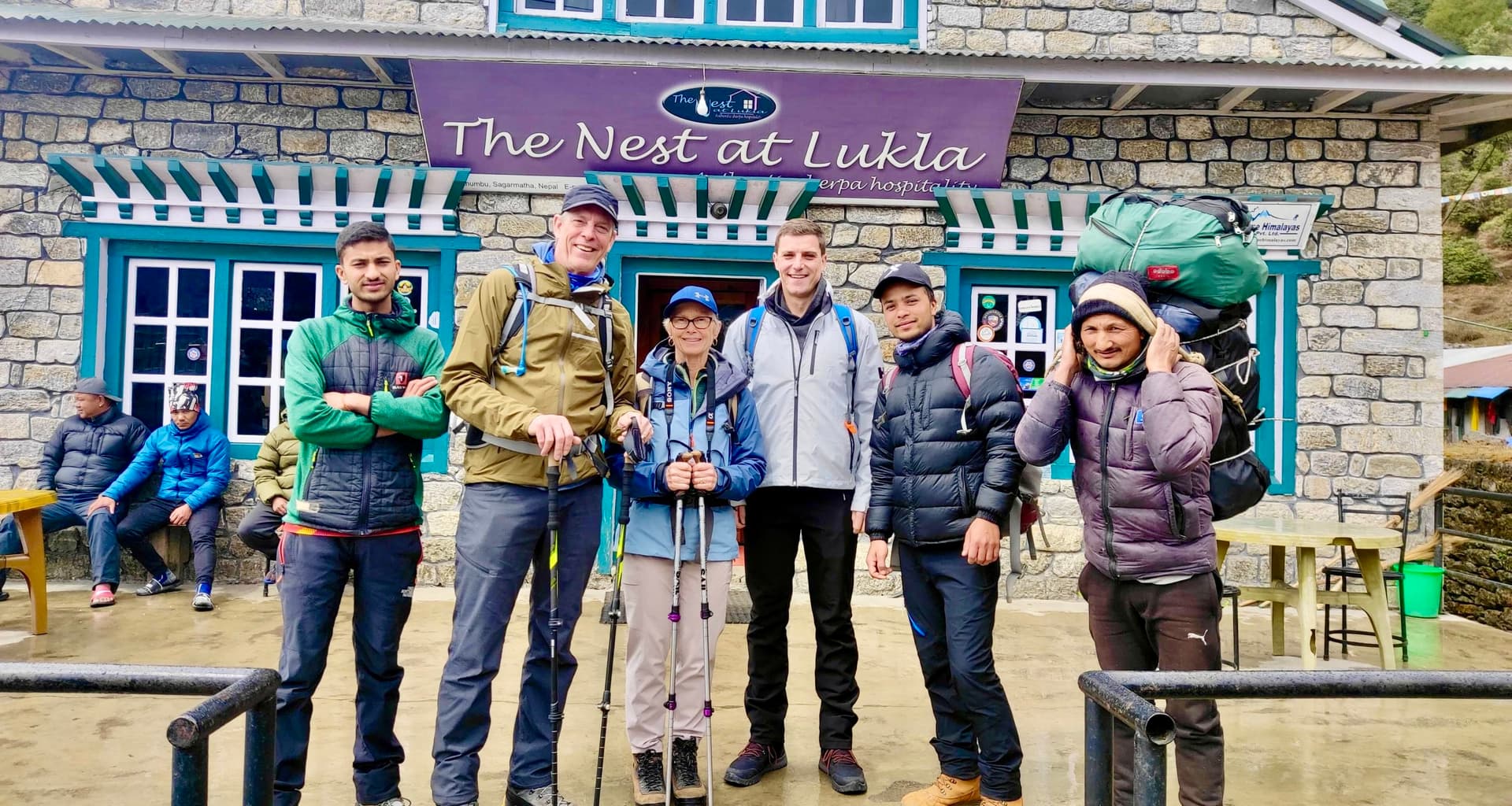
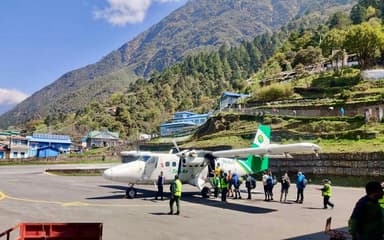
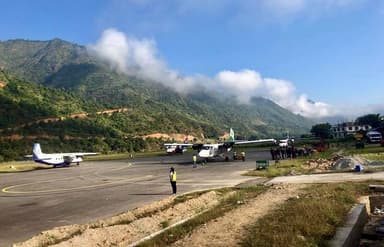
    In the early morning, you’ll be transferred from your hotel to Tribhuvan International Airport for your scenic 35-minute flight to Lukla (2,800m/9,186ft). The flight offers spectacular aerial views of the Himalayan range, including glimpses of snow-capped peaks and rugged landscapes. Upon landing at Lukla’s iconic Tenzing-Hillary Airport, you will meet your porter team and prepare for the trek to Monjo.

    Option 2: Drive from Kathmandu to Manthali (5 hours) & Fly from Manthali to Lukla

    (20 minutes) (Only during peak season: April-May and October-November)
    During peak seasons, flights to Lukla are often rerouted from Manthali Airport in Ramechhap to avoid air traffic congestion at Kathmandu Airport. In this case, you will embark on an early morning 5-hour drive from Kathmandu to Manthali. From there, you’ll take a 20-minute flight to Lukla, arriving at the gateway to the Everest region.

    Trek to Monjo (2,825m/9,268ft)

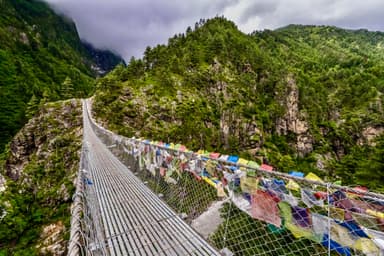
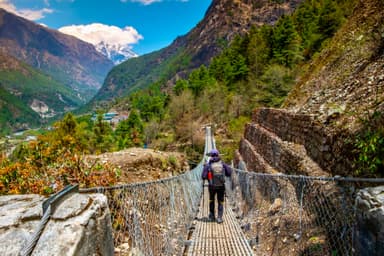
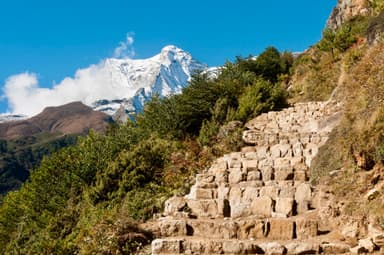
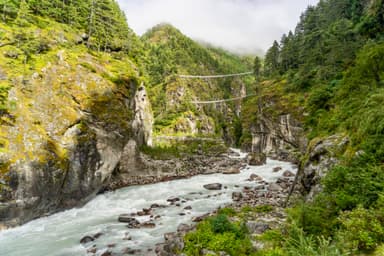
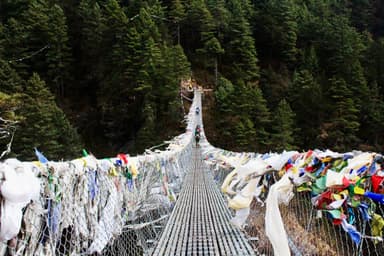
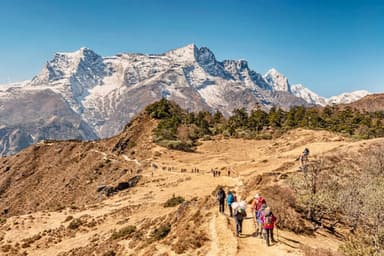
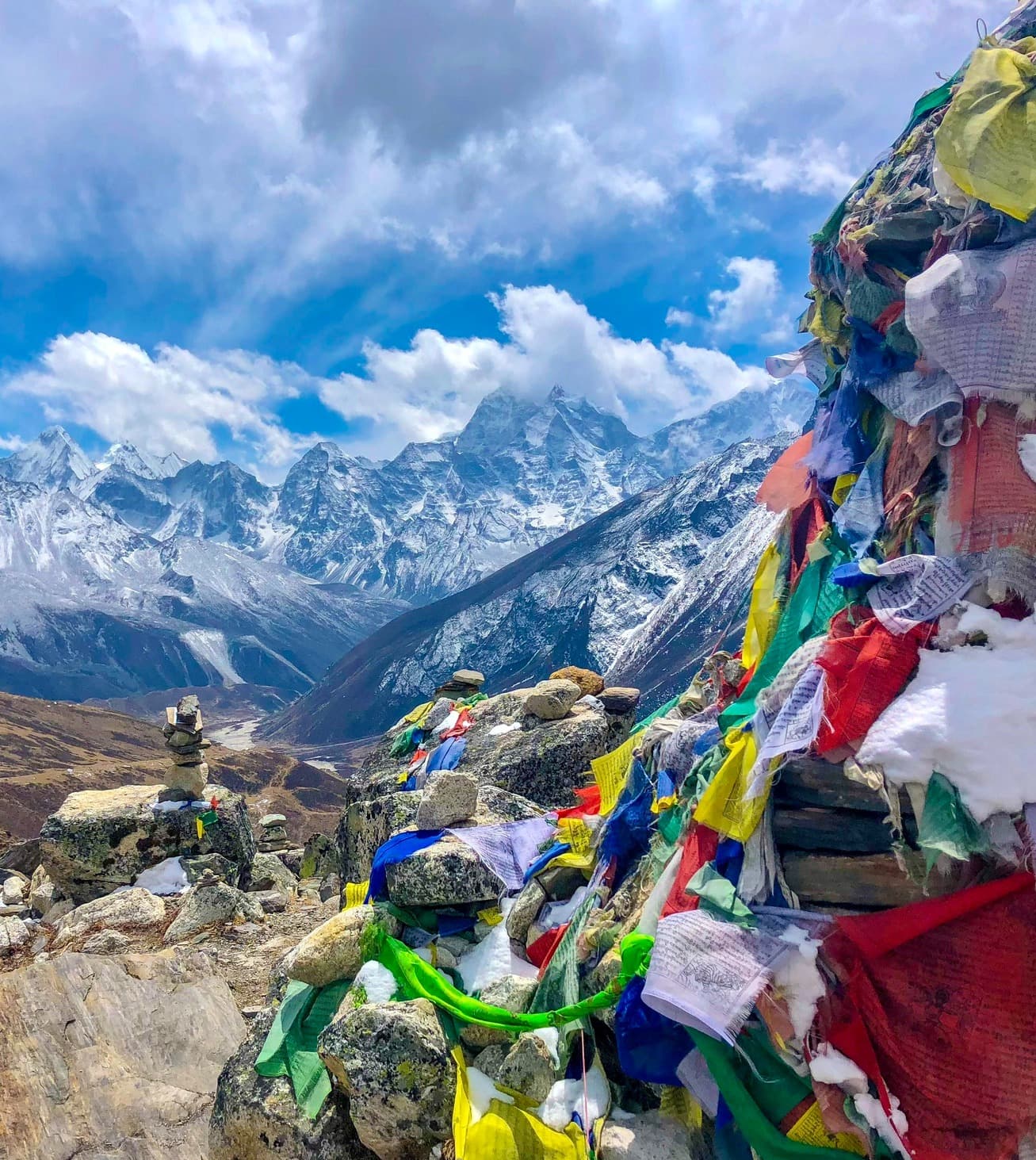
    After arriving in Lukla, you’ll start your trek towards Monjo, a scenic village located along the banks of the Dudh Koshi River. The trail descends gently through lush forests, Sherpa villages, and over suspension bridges draped with prayer flags.
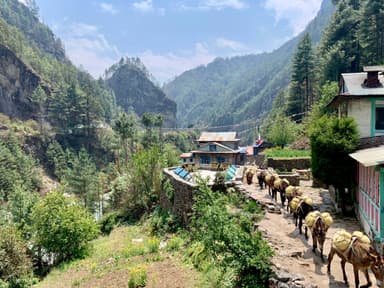
    You’ll pass through Phakding, a small village where many trekkers take their first stop, but you will continue a little further to Monjo to rest for the night. The trail is relatively easy on this first day, with several uphill and downhill sections.
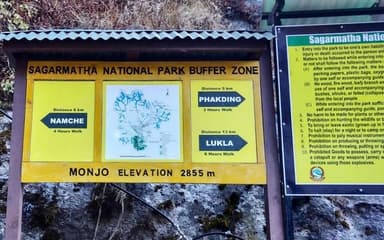
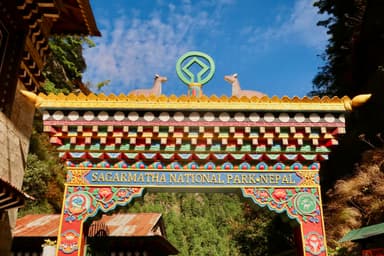
    Monjo is located just before the entrance to Sagarmatha National Park and offers stunning views of the surrounding landscapes.

    This day provides the first real taste of trekking in the Everest region, with incredible scenery and a comfortable trail to ease into the adventure.

    1. Max. Elevation3440m
    2. Duration3-4 Hours
    3. Distance9 KM

    After a restful night in Monjo, today you’ll embark on a scenic trek through one of the most iconic stretches of the Everest region, reaching Namche Bazaar and eventually arriving at the renowned Hotel Everest View, one of the highest luxury hotels in the world.

    • After breakfast, start your trek by entering Sagarmatha National Park, where your permits will be checked. From here, the trail descends briefly to the banks of the Dudh Koshi River, crossing several suspension bridges adorned with prayer flags. One of the most famous bridges you’ll cross is the Hillary Suspension Bridge, the longest and highest bridge on the trek, offering breathtaking views of the valley below.
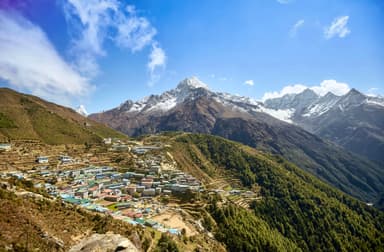
    • The trek becomes steeper as you make your way up to Namche Bazaar (3,440m/11,286ft), the bustling gateway to the Everest region. The climb involves a challenging ascent but rewards you with your first clear views of Mount Everest and Lhotse, weather permitting. Take your time and enjoy the view as you ascend slowly, allowing your body to acclimatize to the higher altitude.
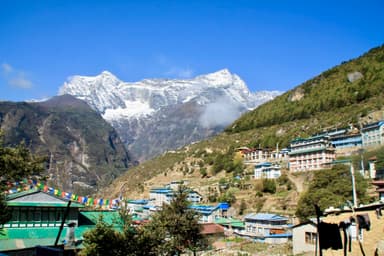
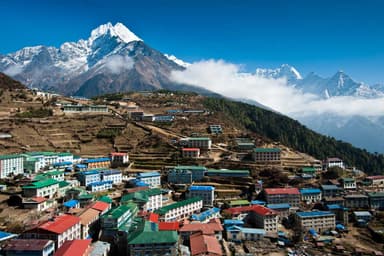
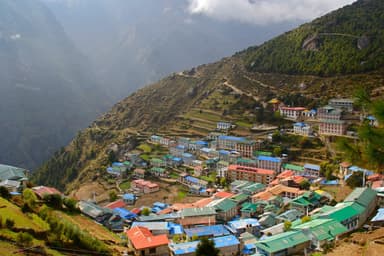
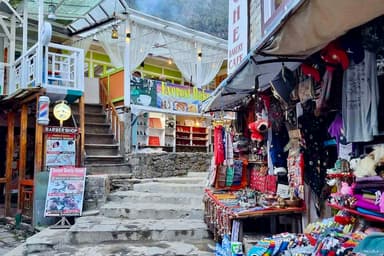
    • Upon reaching Namche Bazaar, take a short break to explore this vibrant Sherpa town. Namche is known for its lively markets, cafes, bakeries, and shops where you can pick up last-minute supplies or simply enjoy a cup of tea or coffee. It’s also a hub of Sherpa culture, where you can interact with locals and learn more about life in the Everest region.
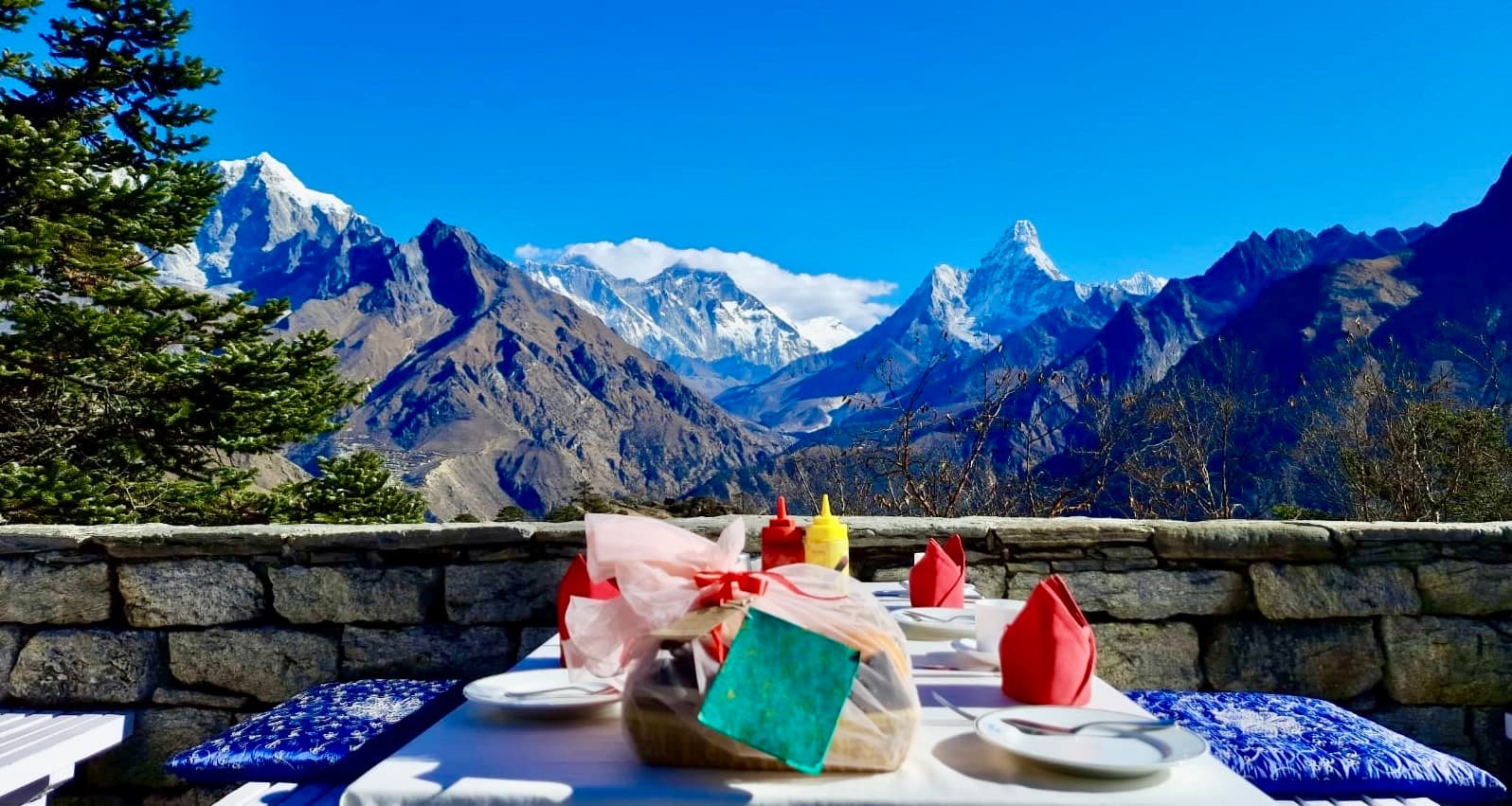
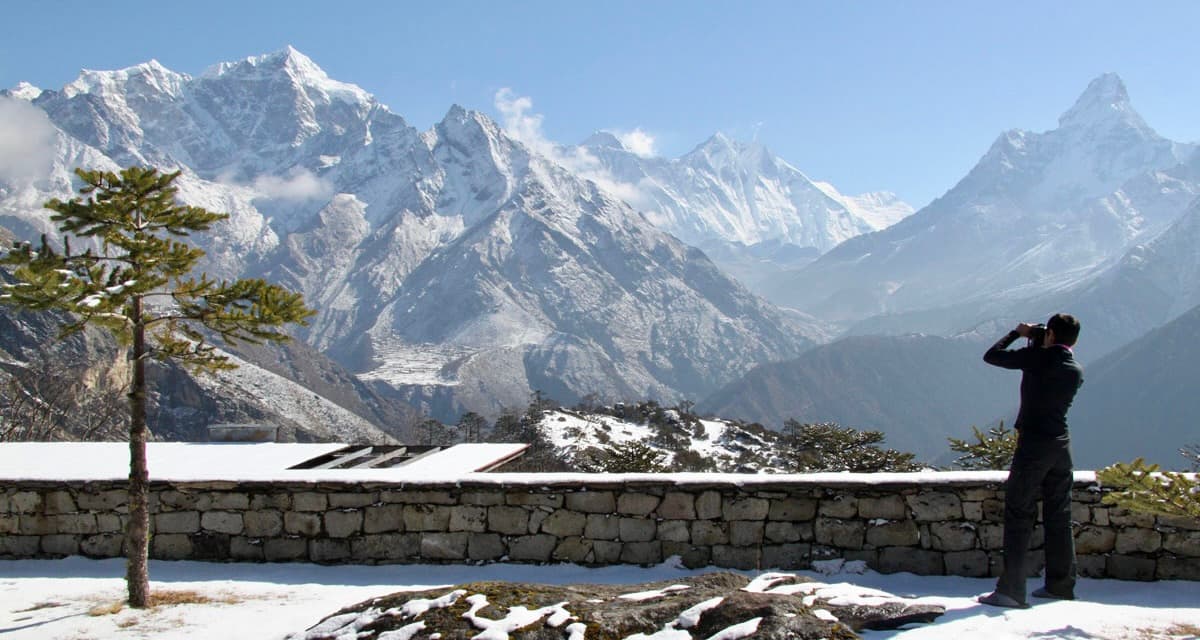
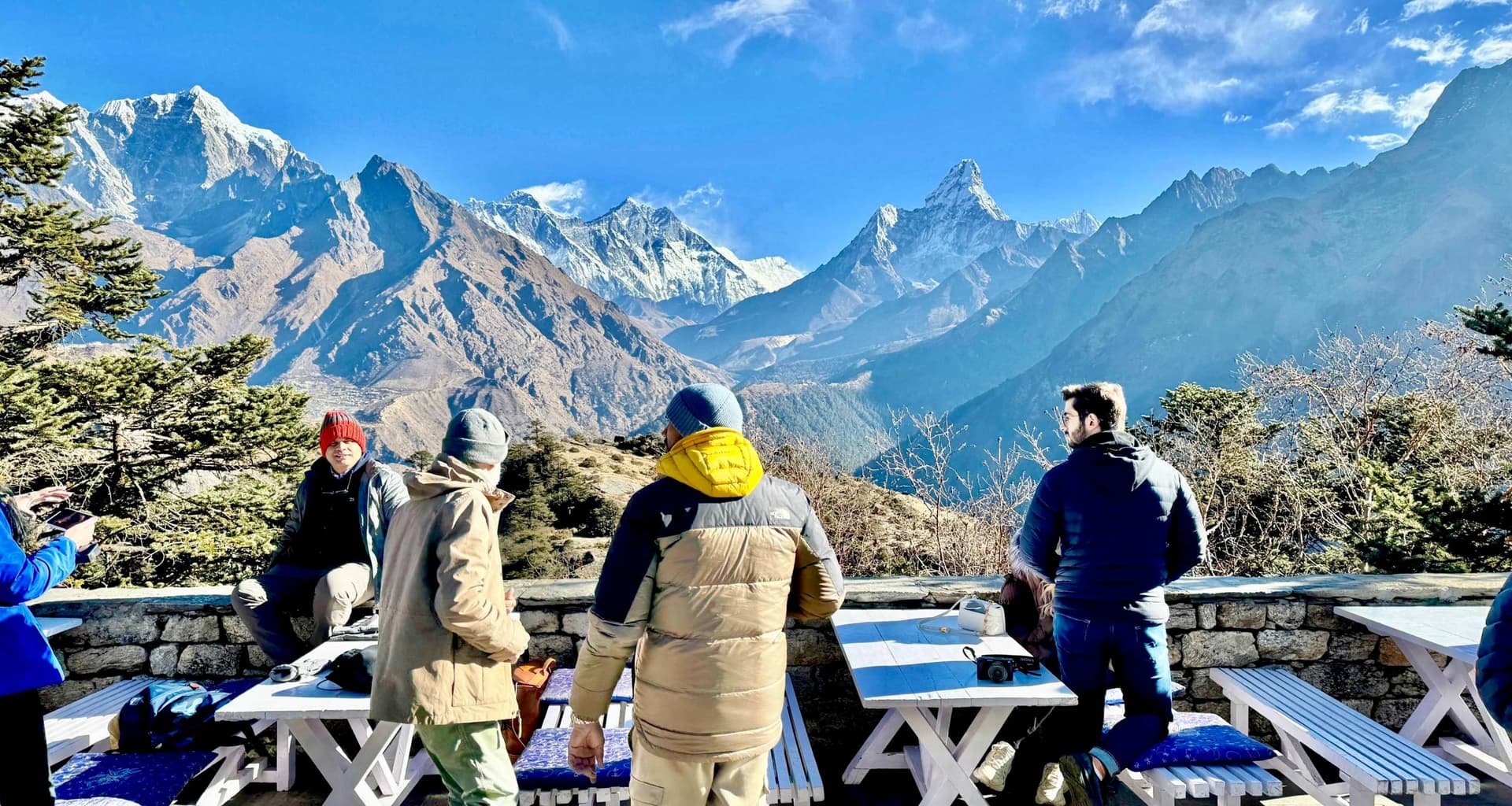
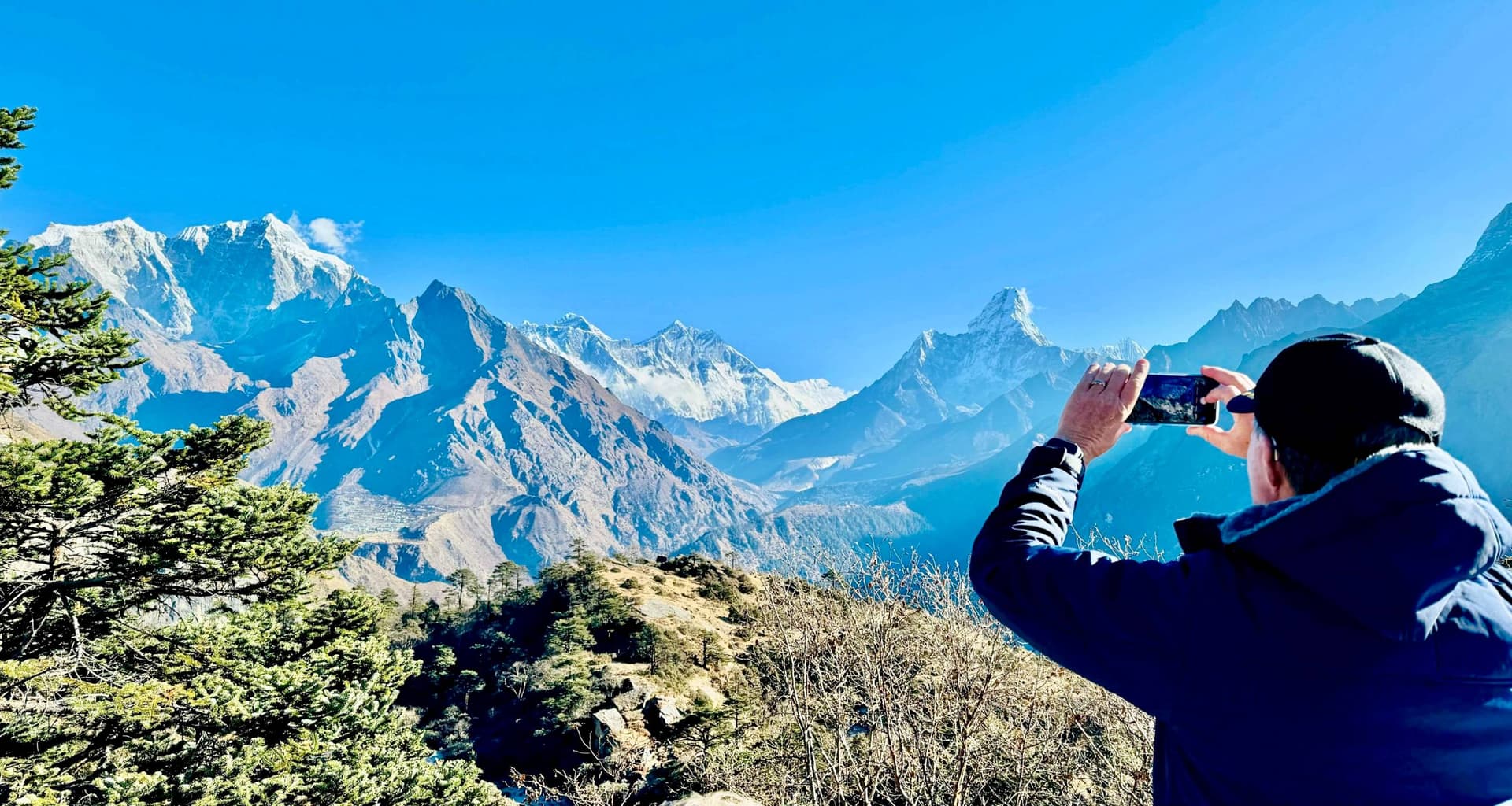
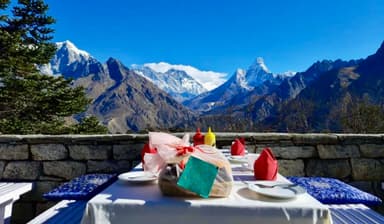
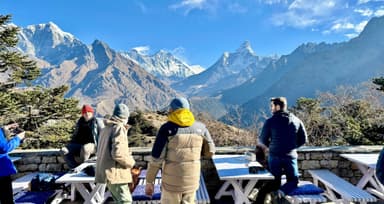
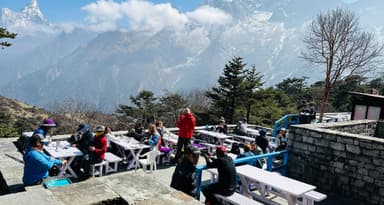
    • After your break in Namche, continue trekking uphill to Hotel Everest View (3,880m/12,730ft). This luxurious hotel is perched on a ridge, offering 360-degree panoramic views of the Himalayas, including Mount Everest, Ama Dablam, and Thamserku. The trek from Namche to the hotel is relatively short but involves a gradual ascent.

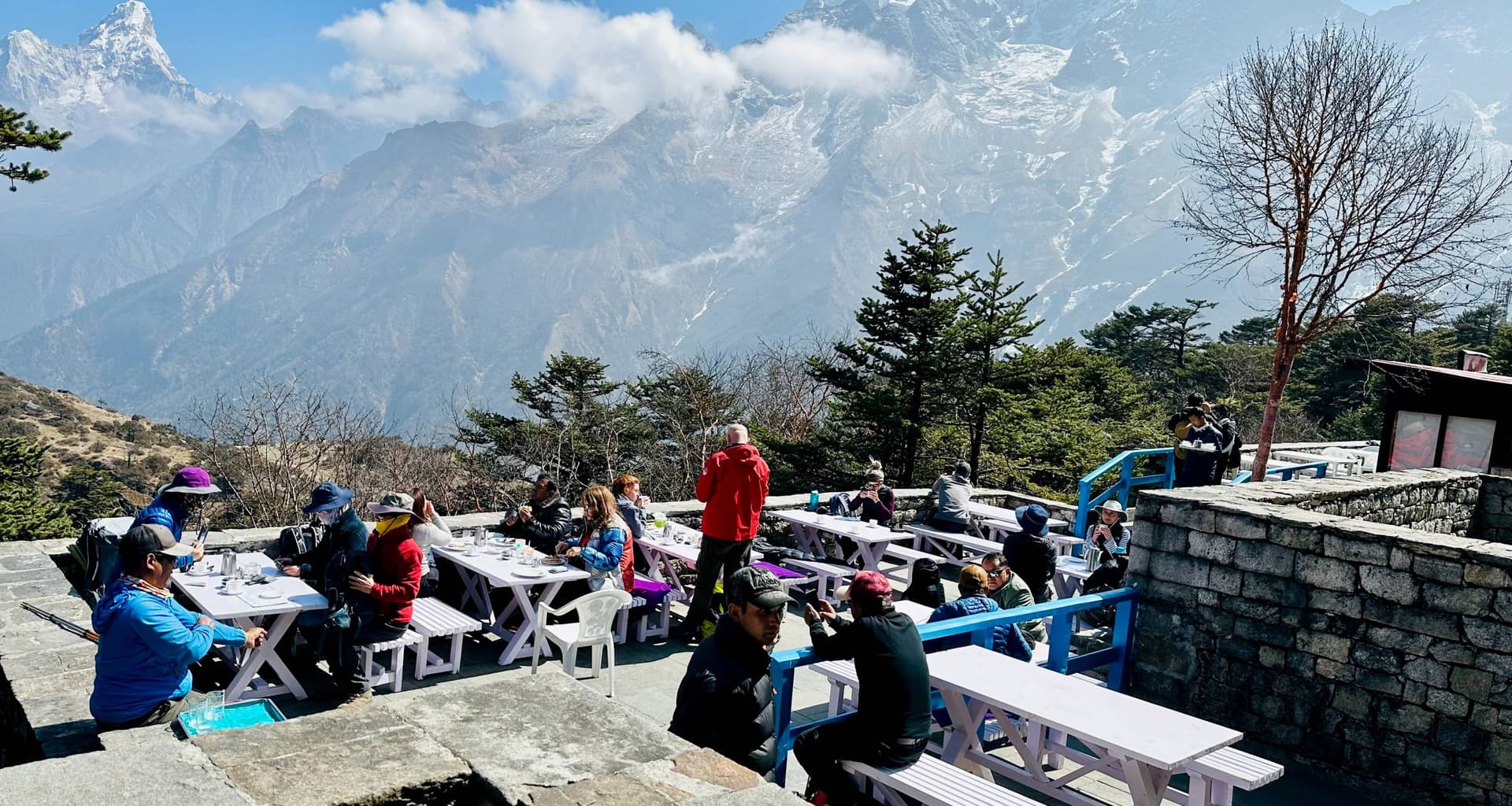
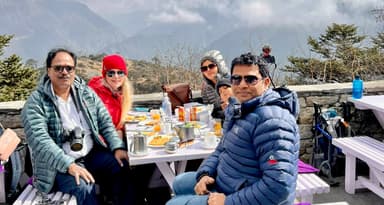
    Upon arrival at Hotel Everest View, settle into your comfortable room and enjoy the incredible views from the hotel’s terrace. This is a perfect spot to relax, take photos, and soak in the beauty of the Everest region. The rest of the day is yours to relax at the hotel, where you can enjoy a meal and the tranquility of this unique location.

    1. Max. Elevation3440m
    2. Duration2 Hours
    3. Distance3 KM

    After a relaxing night at the Hotel Everest View, one of the highest luxury hotels in the world, you’ll begin your descent back to Namche Bazaar.

    The trek from the hotel is a relatively short and easy 2-hour journey along a gently sloping trail. Along the way, you’ll continue to enjoy stunning views of Mount Everest, Ama Dablam, and Lhotse, while passing through rhododendron forests and small Sherpa settlements. The path is scenic and allows you to revisit the beauty of the region without the rigors of climbing.

    Upon reaching Namche Bazaar, you can explore the bustling Sherpa town once again. It’s an excellent opportunity to pick up souvenirs, visit local bakeries, or enjoy the comfort of a teahouse. Namche is also known for its lively Saturday markets, where locals and trekkers come together to trade goods.

    1. Max. Elevation2800m
    2. Duration6-7 Hours
    3. Distance13 KM

    After breakfast, you’ll begin your final day of trekking, descending from Namche Bazaar to Lukla. The route retraces your steps from earlier in the trek, following the Dudh Koshi River and crossing several suspension bridges. The journey takes you through picturesque Sherpa villages such as Monjo and Phakding, offering one last chance to soak in the beauty of the Everest region’s landscapes.

    Although most of the trail is downhill, there are some short uphill sections toward the end as you approach Lukla. As you walk, you’ll be greeted by lush forests, cascading waterfalls, and stunning mountain views. You’ll have the chance to reflect on your incredible journey and the experiences shared with fellow trekkers and locals.

    Upon reaching Lukla, celebrate your successful trek with your guide and porters. You’ll spend the night in Lukla, preparing for your flight back to Kathmandu or Manthali the next morning.

    1. Max. Elevation1355m
    2. Duration35 Minutes Flight
    3. Distance35 Minutes Flight

    In the morning, you’ll board a flight from Lukla back to Kathmandu or Manthali, depending on the season. The flight provides one last opportunity to enjoy aerial views of the Himalayas, as the small plane soars above the snow-capped peaks and deep valleys of the Everest region.

    • During peak trekking seasons (April-May and October-November), flights may operate from Manthali Airport to avoid congestion at Kathmandu Airport. If this is the case, you’ll take a 20-minute flight to Manthali, followed by a 5-hour drive back to Kathmandu.

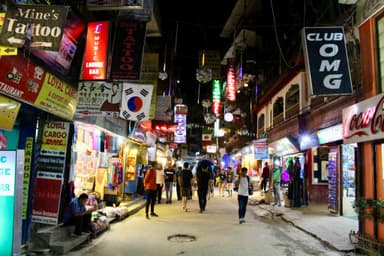
    Upon arrival in Kathmandu, you’ll be transferred to your hotel. The rest of the day is free for you to relax or explore the city at your leisure. You may want to visit the bustling streets of Thamel, do some last-minute shopping, or enjoy a massage after the trek.

    In the evening, a farewell dinner will be arranged at a traditional Nepali restaurant, where you can celebrate the successful completion of your trek with your guide and fellow trekkers. Enjoy delicious Nepali cuisine and cultural dance performances as a perfect conclusion to your Himalayan adventure.

    1. Max. Elevation1355m
    2. Duration30 Minutes
    3. Distance6 KM

    This is your final day in Nepal. After breakfast at your hotel, you will have some free time to relax or do any last-minute shopping or sightseeing, depending on your flight schedule.

    At the designated time, our team will transfer you to Tribhuvan International Airport for your departure flight. You will leave Nepal with unforgettable memories of your trek in the Everest region, the warm hospitality of the Sherpa people, and the incredible beauty of the Himalayas.

    We hope you leave with a sense of accomplishment and a desire to return for more adventures in Nepal.

    If the provided schedule isn't suitable for you, we are able to create personalized travel arrangements according to your preferences and requirements.

    Customize Trip

    Cost, Inclusions/Exclusions & Availability

    Select Package

    Choose your trip type

    Featured

    Standard Option Package Price

    ★★★★ 4-Star Hotels in Kathmandu & Luxury Lodges During the Trek

    US $Infinityper traveller

    Inclusions/Exclusions

    • ARRIVAL AND DEPARTURE TRANSFERS: All ground transport in a private luxury vehicle, including airport transfers and hotel pickups/drop-offs in Kathmandu.
    • HOTEL ACCOMMODATION IN KATHMANDU: 4-star hotel accommodation (Hotel Mulberry or Hotel Barahi Kathmandu) on a twin/double sharing basis with daily breakfast.
    • PERMITS AND PAPERWORK: All necessary trekking permits, including Sagarmatha National Park Entry Permit, TIMS Card, and Pasang Lhamu Rural Municipality Entry Permit.
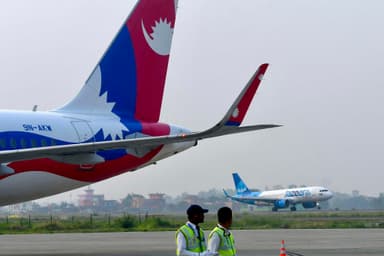
    • DOMESTIC FLIGHTS: Round-trip flights from Kathmandu or Manthali to Lukla and back as per the itinerary, including airport transfers and airport taxes.
    • ACCOMMODATION DURING THE TREK: Stay in the best available standard guesthouses on a twin-sharing basis along the trekking route, including one night at the renowned Hotel Everest View. (For a more Luxury experience, you can upgrade to Luxury Lodges at Monjo, Namche Bazaar, and Lukla, such as those offered by Mountain Lodges of Nepal).
    • MEALS DURING THE TREK: All standard meals (breakfast, lunch, and dinner) during the trek.
    • TREKKING EQUIPMENT: Complimentary trekking equipment, including a duffel bag, sleeping bag, T-shirt, and trekking map provided by Luxury Holidays Nepal (if required).
    • GUIDED SIGHTSEEING IN KATHMANDU: Guided sightseeing tour of the UNESCO World Heritage Sites in Kathmandu Valley by private vehicle, including entrance fees and a professional guide.
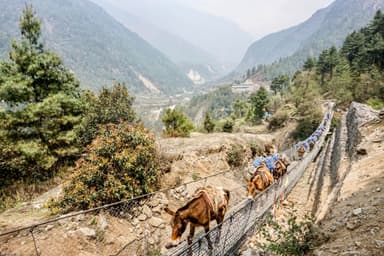
    • PROFESSIONAL TREKKING GUIDE AND PORTERS: An experienced, government-licensed English-speaking trekking guide. Porters to carry luggage during the trek (1 porter for every 2 trekkers).
    • LUGGAGE ALLOWANCE: Up to 15 kg of personal baggage per person during the trek, carried by porters.
    • STAFF SALARY AND INSURANCE: All salaries, wages, food, accommodation, insurance, and equipment for trekking staff and porters.
    • COMPREHENSIVE MEDICAL KIT: A fully equipped medical kit available during the trek for emergencies.
    • FAREWELL DINNER: A special farewell dinner at a traditional Nepali restaurant in Kathmandu, with a cultural dance performance.
    • GOVERNMENT TAXES AND SERVICE CHARGES: All applicable government taxes, official expenses, and service charges.
    • INTERNATIONAL AIRFARE: Flights to and from Kathmandu are not included in the package. Travelers must arrange their international flights.
    • NEPAL ENTRY VISA FEE: The Nepal entry visa, which can be obtained upon arrival at Tribhuwan International Airport in Kathmandu, is not included in the package. Visa fees must be paid directly.
    • MEALS IN KATHMANDU (LUNCH & DINNER): Meals, except for breakfast, in Kathmandu are not included. Lunch and dinner costs during your stay in Kathmandu are your responsibility.
    • PERSONAL TRAVEL INSURANCE: Insurance covering high-altitude trekking, medical evacuation, trip cancellations, interruptions, and other personal incidents is not included. It is mandatory to have travel insurance that covers trekking up to 4,000 meters.
    • EXTRA NIGHTS IN KATHMANDU: Any additional hotel nights in Kathmandu due to early arrival, late departure, or early return from the trek due to unforeseen circumstances (including flight cancellations) are not covered.
    • LUXURY LODGE AND HELICOPTER ADD-ONS (OPTIONAL UPGRADES): Upgrades to luxury lodges during the trek and helicopter flyovers of Everest Base Camp and Kala Patthar from Hotel Everest View are available at an additional cost.
    • HELICOPTER ADD-ON FOR KATHMANDU-LUKLA FLIGHTS: Upgrading your flights from Kathmandu to Lukla and back via helicopter is not included and is available at an additional cost.
    • PERSONAL EXPENSES: Any personal expenses such as: Telephone calls, internet usage, and Wi-Fi fees. Laundry services, toiletries, and hot showers. Beverages, including soft drinks, bottled water, tea/coffee, and alcoholic drinks. Charging of electronic devices.
    • TIPS FOR GUIDES, PORTERS, AND DRIVERS: Tips for trekking guides, porters, drivers, and other staff members are not included and are at the discretion of the traveler. It's a common practice to tip in the trekking industry.
    • GEAR AND EQUIPMENT RENTAL: Personal trekking gear such as hiking boots, jackets, trekking poles, and other equipment is not included. These can be rented or purchased in Kathmandu.
    • EXCESS BAGGAGE CHARGES: The luggage allowance on domestic flights is limited (up to 15 kg per person in most options). Any excess baggage will incur additional charges.
    • EXTRA SERVICES NOT MENTIONED IN THE ITINERARY: Any services, activities, or items that are not explicitly mentioned in the itinerary, such as additional sightseeing tours or activities, will incur extra charges.

    Dates & Availability

    The Start Dates refer to the day of your arrival in Nepal, and the End Dates correspond to the day of your departure from Nepal.

    For the 8-Day Luxury Everest View Trek, we specialize in offering private tours tailored to your schedule and preferences. While set departure dates are available, our primary focus is on providing fully customizable itineraries to suit your specific travel plans, allowing for a personalized and exclusive trekking experience. Whether you want to adjust the dates or add specific elements to your trip, we ensure flexibility to meet your needs.

    Book This Trip Now

    Traveller Review

    • Tripadvisor

      5.0928 reviews
    • Google

      4.8114 reviews
    • Facebook

      4.1 recommend44 Reviews
    • Trusted by50K plus traveller
    • ”
      H

      Henry Lefebvre

      Texas, US
      Verified Review

      Exceeding Expectations at Every Turn

      January 17, 2024

      From the majestic views to the luxurious lodges, everything about this trek was exceptional. Luxury Holidays Nepal ensured a memorable and comfortable journey.

    • ”
      D

      David Cloutier

      San Antonio, US
      Verified Review

      Spectacular Views, Luxurious Journey

      January 16, 2024

      Every aspect of the trek, from the spectacular views to the luxurious lodges, was meticulously planned by Luxury Holidays Nepal. An exceptional experience!

    • ”
      L

      Luke Campbell

      Texas, US
      Verified Review

      Unforgettable Luxury Trek with friendly guide

      May 25, 2023

      From the moment I arrived in Kathmandu, the attention to detail and personalized service were evident. The luxury accommodations provided a comfortable and relaxing environment to rest and rejuvenate before and after the trek. The staff was friendly, professional, and knowledgeable, making sure that every aspect of the trip was well taken care of.

    • ”
      L

      Lily Foster

      San Francisco, US
      Verified Review

      Trip of a lifetime with the best team

      May 25, 2023

      The travel company's attention to detail extended to every aspect of the trip, including safety measures, equipment, and emergency protocols. This allowed us to trek with peace of mind, knowing that our well-being was a top priority.

      In conclusion, the  Everest Base Camp Trek was an extraordinary adventure that combined the thrill of trekking in the world's highest mountains with the comfort and luxury of carefully curated amenities. It was a perfect blend of physical challenge, natural beauty, cultural immersion, and relaxation. This trek truly exceeded all expectations and left me with memories that will last a lifetime.

    • ”
      A

      Ana Beatriz

      Ontario, CA
      Verified Review

      Great EBc Trek

      May 24, 2023

      The trekking company I chose for this adventure went above and beyond to ensure that I had a memorable and indulgent experience. The accommodations throughout the trek were exceptional, with luxurious lodges and teahouses that offered stunning views of the surrounding mountains. Each evening, after a challenging day of hiking, I would arrive at the lodge to find a cozy room with a comfortable bed, plush linens, and all the amenities I could ask for. It was an incredible experience in the Himalayas.

    Read More ReviewsWrite a Review

    Good to Know

    Lukla Flight Information

    Flights to Lukla, the gateway to the Everest region, are typically operated from Kathmandu or Manthali (Ramechhap) Airport, depending on the season. During peak seasons (October-November and March-May), flights are often redirected to Manthali to avoid air traffic congestion in Kathmandu. The flight to Lukla takes about 30 minutes and offers stunning aerial views of the Himalayas. However, due to unpredictable weather conditions in the Everest region, flights may experience delays or cancellations. It’s advisable to plan a buffer day in your itinerary to accommodate any potential flight disruptions.

    Packing List for Everest Base Camp Trek

    A well-thought-out packing list is essential for a comfortable and successful trek to Everest Base Camp. Below is a general guide:

    Clothing:

    • Base layers (moisture-wicking)
    • Insulating mid-layers (fleece jacket, down jacket)
    • Waterproof jacket and pants
    • Trekking pants and t-shirts
    • Thermal underwear
    • Warm hat, gloves, and buff/scarf
    • Hiking socks (wool or synthetic)
    • Sturdy trekking boots (broken-in)
    • Lightweight shoes or sandals for evenings

    Gear:

    • Trekking poles (adjustable)
    • Headlamp with extra batteries
    • Sleeping bag (rated for -10°C to -15°C)
    • Daypack (20-30 liters) with rain cover
    • Duffel bag (provided by the trekking company)

    Accessories:

    • Sunglasses (UV protection)
    • Sunscreen and lip balm (SPF 50+)
    • Water bottles or hydration system (minimum 2 liters)
    • Quick-dry towel
    • Personal first aid kit (with altitude sickness medication)

    Other Essentials:

    • Passport and necessary permits (Sagarmatha National Park entry, TIMS card)
    • Travel insurance covering high-altitude trekking
    • Power bank and camera
    • Snacks like energy bars or trail mix

    Trekking Gear and Luggage Guidelines

    For the trek, you will be allowed a luggage limit of 15 kg per person, which will be carried by porters. This includes both your duffel bag and daypack. Porters typically carry your larger duffel bag, while you will carry your essentials in a daypack (around 20-30 liters). Luxury Holidays Nepal provides duffel bags for trekkers, and it’s recommended that your daypack contains items like water, snacks, a camera, and layers for quick access during the trek. Any excess baggage can be stored securely in your Kathmandu hotel while you are on the trek.

    When packing your gear, remember that layers are key to staying comfortable across a range of temperatures. It’s also important to have high-quality, well-fitting trekking boots and a reliable sleeping bag for cold nights at high altitudes.

    How High is Hotel Everest View?

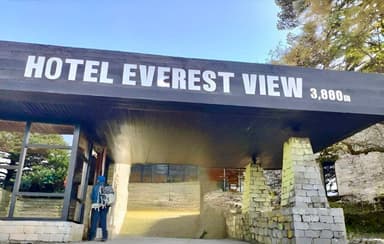
    Hotel Everest View is located at an altitude of 3,880 meters (12,730 feet) above sea level. It is renowned for being one of the highest luxury hotels in the world, offering breathtaking panoramic views of Mount Everest and other iconic peaks in the Everest region. The hotel is accessible after a scenic trek from Namche Bazaar and is a popular stop for trekkers seeking a luxurious experience combined with incredible views.

    Accommodation During the Everest View Trek

    Accommodation during the Luxury Everest View Trek is carefully selected to provide comfort while trekking in the remote Everest region. You will stay in the best available guesthouses and teahouses along the trekking route, all on a twin-sharing basis. One of the highlights is the night spent at Hotel Everest View, offering luxury at a high altitude.

    For those seeking additional comfort, luxury lodge upgrades are available in Monjo, Namche Bazaar, and Lukla through Mountain Lodges of Nepal, which feature modern amenities like attached bathrooms, hot showers, and gourmet meals.

    Kathmandu Accommodation for Everest View Trekking

    Your accommodation in Kathmandu before and after the trek will be in top-tier hotels, offering comfort and relaxation after your adventures in the Everest region. Depending on your package:

    • Standard Option: Stay at 4-star hotels like Hotel Mulberry or Hotel Barahi Kathmandu, offering twin/double sharing rooms with breakfast included.
    • Luxury Option: Stay at 5-star hotels like Kathmandu Marriott Hotel, featuring luxurious amenities and top-class service.
    • Premium Option: For the ultimate experience, enjoy a stay at The Dwarika’s Hotel, a heritage luxury hotel that combines traditional Nepali architecture with world-class luxury.

    These accommodations ensure a comfortable stay with modern amenities, making them the perfect base before and after your trekking journey.

    Attached Toilet/Bathroom Facilities During the Trek

    While trekking in the Everest region, the availability of attached toilet and bathroom facilities depends on the type of accommodation you choose. In standard guesthouses and teahouses along the trek, shared bathroom facilities are the norm and attached bathrooms may be limited. However, if you opt for the luxury lodge upgrade at Monjo, Namche Bazaar, and Lukla through Mountain Lodges of Nepal, you can enjoy attached toilet and bathroom facilities. These upgraded lodges offer modern amenities, including hot showers, comfortable rooms, and clean, private bathrooms, providing a higher level of comfort during your trek.

    Permits for Everest View Trekking

    To embark on the Everest View Trek, you will need to obtain the following permits:

    Sagarmatha National Park Entry Permit:

    • Required to enter the Sagarmatha National Park, which includes the Everest region.
    • Can be obtained in Kathmandu or Monjo (entry point to the park).

    TIMS Card (Trekkers’ Information Management System): A mandatory permit for all trekkers in Nepal, ensuring your safety during the trek and allowing authorities to keep track of your trekking movements.

    Pasang Lhamu Rural Municipality Entry Permit: This permit is required for trekking in the local area outside of the national park, particularly for Monjo and Namche Bazaar.

    All permits are included in the trekking package provided by Luxury Holidays Nepal, and your guide will assist with handling these formalities.

    How Safe is it to Embark on the Everest View Trek?

    The Everest View Trek is generally considered safe for trekkers of various experience levels, as it follows well-trodden paths and avoids the higher, more challenging altitudes of the Everest Base Camp trek. However, safety should always be a priority, and Luxury Holidays Nepal ensures that all precautions are taken. Your trek will be led by experienced, government-licensed guides familiar with the terrain and local conditions. Additionally, porters and guides are insured, and medical kits are provided. The trek also includes an acclimatization schedule to minimize the risk of altitude sickness.

    It's important to be physically prepared, follow your guide's advice, stay hydrated, and ensure you have adequate travel insurance that covers trekking at altitudes up to 4,000 meters.

    How to Prevent Altitude Sickness During the Everest View Trek?

    Altitude sickness, or Acute Mountain Sickness (AMS), can occur when trekking at high altitudes. While the Everest View Trek doesn’t reach extreme altitudes like Everest Base Camp, precautions should still be taken to avoid AMS, especially since Hotel Everest View is situated at 3,880 meters (12,730 feet). Here are some tips to prevent altitude sickness:

    • Gradual Acclimatization: The trek includes an acclimatization day in Namche Bazaar, allowing your body to adjust to higher altitudes gradually.
    • Stay Hydrated: Drink plenty of water and avoid alcohol and caffeine, as they can contribute to dehydration and worsen altitude symptoms.
    • Trek Slowly: Avoid rushing; a slower pace helps your body adjust to the reduced oxygen levels.
    • Medication: Some trekkers take Diamox (acetazolamide) to help prevent altitude sickness. Consult with your doctor before the trek for advice on medication.
    • Recognize Symptoms Early: Common symptoms include headaches, dizziness, nausea, and fatigue. If you experience severe symptoms, inform your guide immediately.

    Luxury Holidays Nepal ensures your safety by following proper acclimatization schedules and monitoring your health throughout the trek.

    What is the Best Time for the Everest View Trek?

    The best time to embark on the Everest View Trek is during the two main trekking seasons in Nepal:

    • Autumn (October to November): The most popular time for trekking due to clear skies, stable weather, and comfortable temperatures. This season offers the best views of the mountains, and the weather is perfect for trekking.
    • Spring (March to May): Another excellent time for trekking, especially for those who enjoy warmer temperatures and seeing the rhododendron forests in full bloom. The views remain clear, though the afternoons can become slightly hazy.

    Both seasons provide favorable conditions for trekking, though autumn is often considered the peak season due to its crystal-clear mountain views. Avoid the monsoon season (June to September) and the winter months (December to February), as trails can be muddy, slippery, or snow-covered, and flights to Lukla are more likely to be delayed due to poor weather conditions.

    Baggage Allowances on Lukla Flights

    Flights to Lukla have strict baggage allowances due to the small aircraft used and weight restrictions. The typical allowance is 15 kg per person, which includes both your main duffel bag and your hand luggage. Usually, this is split into 10 kg for your main bag (carried by porters) and 5 kg for your daypack. If you exceed the weight limit, extra baggage fees will apply, typically charged per kilogram of excess weight. It's advisable to pack light and only bring essential items. Any additional luggage can be stored securely in your hotel in Kathmandu while you're trekking.

    Travel Insurance for Everest View Trek

    It is mandatory to have travel insurance when undertaking the Everest View Trek. The insurance must cover high-altitude trekking (up to 4,000 meters), emergency evacuation, trip cancellations, and medical expenses. Depending on your country of residence, here are some recommended providers:

    • USA and Canada: Tugo, United Health Care, World Nomads, Blue Cross: These companies offer comprehensive insurance plans that cover high-altitude trekking, medical evacuation, and trip interruptions.
    • Australia and New Zealand: Fast Cover, Allianz Australia: They provide excellent travel insurance options for trekking, covering medical emergencies, helicopter evacuations, and cancellations.
    • Singapore: Ergo, World Nomads (Explore Plan Level 3): Both offer plans that include high-altitude trekking and emergency medical evacuations.
    • Europe: Europe Assistance, Austrian Alpine Club, Allianz Europe: These companies offer trekking insurance that covers all essential needs, including medical evacuations from high-altitude regions.
    • India: ICICI Lombard: Provides comprehensive coverage for high-altitude trekking, medical expenses, and emergency evacuations.

    Before purchasing insurance, ensure it specifically covers trekking at altitudes of up to 4,000 meters and includes helicopter evacuation in case of an emergency.

    Tipping Tips for Your Everest View Trek

    Tipping is a common practice and an important part of the trekking experience in Nepal. Here are general guidelines for tipping on the Everest View Trek:

    • Guide: Recommended tipping is around USD 10-15 per day. If you are satisfied with their service, feel free to offer more.
    • Porter: For porters, it is common to tip USD 5-8 per day. Like with guides, if they exceed your expectations, additional tipping is appreciated.
    • Drivers and Support Staff: You can tip USD 5-10 to drivers or support staff who assist with transfers and logistics.

    Tipping is usually done at the end of the trek, and it’s a good idea to hand the tip personally with a few kind words of appreciation. You can also gather contributions from the group to offer a combined tip if you’re trekking with others.

    Phone and Gadget Charging on Everest View Trek

    Charging electronic devices like phones, cameras, and power banks is possible during the trek, but it becomes more limited as you ascend to higher altitudes. In Namche Bazaar and other larger villages, most guesthouses offer charging facilities, often for a fee (around USD 2-5 per hour). However, as you get closer to Everest View Hotel and higher-altitude areas, charging can be more expensive and less reliable due to limited electricity supply.

    To avoid issues, it’s highly recommended to bring a portable power bank (with at least 10,000-20,000 mAh capacity) to charge your devices during the trek. Solar chargers are also popular with trekkers who want an eco-friendly solution, but be mindful that weather conditions can affect their performance.

    Trip Extensions on Everest View Trek

    There are several exciting trip extensions that can be added to your Everest View Trek to enrich your experience. Popular options include extending your trek to Everest Base Camp, adding a scenic helicopter tour over Everest Base Camp and Kala Patthar, or exploring nearby regions like the Gokyo Lakes or the Three Passes Trek. For those interested in cultural experiences, consider a Chitwan National Park safari or a visit to the ancient city of Lumbini, the birthplace of Buddha. You can also add extra days in Kathmandu for further exploration of its rich history and vibrant markets.

    Food Options During the Everest View Trek

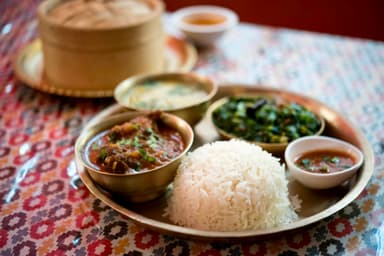
    During the Everest View Trek, trekkers enjoy a variety of local and international cuisines served in teahouses and lodges. Meals typically consist of traditional Nepali dishes such as dal bhat (lentil soup with rice and vegetables), noodles, soups, and Momos (dumplings). You will also find options like pasta, pizza, and fried rice to suit Western tastes. Breakfasts usually include pancakes, eggs, toast, and porridge, while snacks like energy bars, biscuits, and tea are readily available. Vegetarians are well-catered to, and special dietary requests can often be accommodated with prior notice.

    Can Beginners Trek to Everest View?

    Yes, the Everest View Trek is suitable for beginners. Unlike the Everest Base Camp trek, this route does not reach extreme altitudes, making it a great option for those new to trekking in the Himalayas. With proper preparation, reasonable fitness, and acclimatization, beginners can comfortably complete the trek. The itinerary is designed with rest days and moderate trekking distances, allowing first-time trekkers to enjoy the experience without overexerting themselves.

    Training Program for Everest View Trek

    To prepare for the Everest View Trek, a training program focusing on cardiovascular fitness, strength training, and endurance is recommended. Start your training at least 2-3 months before the trek. Incorporate activities like hiking, walking uphill or on stairs, cycling, or running to build endurance. Strength training exercises like squats, lunges, and leg presses will help prepare your legs for trekking. Also, practice carrying a daypack while walking to get accustomed to trekking with added weight. Flexibility exercises such as yoga or stretching are helpful to prevent injuries during the trek.

    Everest View Trek Trekking Difficulty

    The Everest View Trek is considered a moderate-level trek. Although it is not as strenuous as the Everest Base Camp trek, it still involves several days of trekking over varied terrain, with daily ascents and descents. The highest point of the trek is Hotel Everest View at an altitude of 3,880 meters (12,730 feet), which can present challenges related to altitude. With proper acclimatization, preparation, and a steady pace, most trekkers find the trek manageable. It is well-suited for those with a reasonable fitness level, including beginners.

    Cost of Everest View Trek

    The cost of the Everest View Trek varies depending on the level of service and accommodation options you choose. For those opting for luxury upgrades such as stays at premium lodges, helicopter transfers, or private tours, the cost can increase to more. The price includes all essential services, but additional costs such as travel insurance, personal expenses, and tipping are not included in the package.

    Beginner’s Guide for Everest View Trek

    As a beginner, the Everest View Trek is one of the most accessible ways to experience the grandeur of the Himalayas. Before embarking, ensure that you engage in light physical training to build stamina and endurance. Make sure to bring the right gear, including a good pair of trekking boots and warm layers. Be mindful of altitude and pace yourself to allow for proper acclimatization. Hiring an experienced guide is highly recommended to ensure your safety and to enhance your overall experience with insights into the local culture and history. Hydrate well, eat balanced meals, and enjoy the breathtaking scenery.

    Internet & Wi-Fi Availability During Everest View Trek

    Internet and Wi-Fi services are available at most teahouses and lodges along the Everest View Trek, but the connection can be slow and comes at an additional cost. As you ascend higher, the quality of the internet diminishes, and the fees increase. In larger villages like Namche Bazaar, there are several internet cafes, and some guesthouses offer Wi-Fi for USD 2-5 per hour. Many trekkers also purchase a local SIM card with data packages from providers like NTC or Ncell for more reliable access to the internet in remote areas.

    Extra Expenses for the Everest View Trek

    Although most major expenses are covered in the package, there are several additional costs you should budget for during the Everest View Trek:

    • Meals in Kathmandu: Lunch and dinner while staying in Kathmandu.
    • Snacks and Drinks: Additional snacks, bottled water, tea/coffee, or alcoholic beverages along the trek.
    • Charging Fees: Teahouses often charge USD 2-5 for charging devices such as phones and cameras.
    • Wi-Fi/Internet Access: Internet access fees at teahouses.
    • Tipping: Tips for guides, porters, and drivers (recommended USD 10-15 per day for guides, USD 5-8 per day for porters).
    • Personal Gear: Any gear rentals or purchases made in Kathmandu.
    • Insurance: Trekking insurance and medical evacuation coverage.

    Trekking Distance 

    The total trekking distance on the Everest View Trek is approximately 37 kilometers (23 miles), depending on the specific route and accommodations chosen. Here’s a breakdown of the key sections:

    • Lukla to Monjo: About 12 km (7.5 miles) – takes around 4-5 hours.
    • Monjo to Hotel Everest View (via Namche Bazaar): Approximately 9 km (5.5 miles) – takes about 5-6 hours.
    • Hotel Everest View to Namche Bazaar: Around 3 km (1.8 miles) – takes about 2 hours.
    • Namche Bazaar to Lukla: Around 13 km (8 miles) – takes about 6-7 hours.

    This distance covers the full trek, including acclimatization and return from Lukla to Hotel Everest View and back.

    Altitude Acclimatization

    Acclimatization is a key factor in preventing altitude sickness and ensuring a safe trek. The Everest View Trek itinerary is designed with an acclimatization day at Namche Bazaar (3,440m/11,286ft), which helps your body adjust to the thinner air. While the trek only reaches a maximum altitude of 3,880 meters (12,730 feet) at Hotel Everest View.

    Drinking Water on the Trek

    While trekking, it is important to stay hydrated. Clean, safe drinking water is available at teahouses along the route, but you may need to purchase bottled water or use water purification tablets to treat tap or river water. Bottled water becomes more expensive at higher altitudes due to transportation costs, so consider carrying a reusable water bottle and using water purification tablets or a filtration system.

    Weather and Temperature on Everest View Trek

    Weather conditions can vary significantly depending on the season:

    • Autumn (October-November): Clear skies, moderate temperatures during the day (10-15°C/50-59°F) but cold nights (down to -5°C/23°F).
    • Spring (March-May): Mild temperatures during the day, blooming rhododendrons, and warmer evenings compared to autumn.
    • Winter (December-February): Very cold with temperatures often dropping to -10°C (14°F) or lower at night, especially at higher altitudes. Fewer crowds but limited trekking due to snow.
    • Monsoon (June-September): Wet and humid conditions with frequent rain, making the trails muddy and slippery. This is the least recommended season for trekking.

    Local Culture and Etiquette

    The Everest region is home to the Sherpa people, known for their rich culture and traditions. While trekking, it is important to respect local customs and etiquette:

    • Always walk clockwise around Buddhist stupas, mani stones, and prayer wheels.
    • Ask for permission before taking photos of people or religious monuments.
    • Modest clothing is recommended, especially in rural areas.
    • When entering homes or monasteries, it is customary to remove your shoes.

    Health and Hygiene on the Trek

    Maintaining good hygiene is essential, especially in remote areas. Teahouses provide basic washing facilities, but hot showers may be available at an extra cost. Here are a few tips:

    • Bring your own hand sanitizer and wet wipes.
    • Use biodegradable soap for personal washing.
    • Carry personal items like toilet paper as it may not always be available in teahouses.

    The above information should ensure you're fully prepared for your Everest View Trek and can make the most of your trekking experience in the Everest region!

    Need help or have a question about this tour?

    Our team of experienced travel experts, with over a decade in the industry, is here to help you get started. Consult with us today!
    • sajina
    • shishir
    • resham

    Luxury Everest View Trek FAQs

    1. General Faqs for the Trek

    Why trek with Luxury Holidays Nepal?

    At Luxury Holidays Nepal, we provide an unparalleled trekking experience, combining adventure with comfort. Our treks include well-organized itineraries, professional guides, and premium services. We offer everything from luxury accommodations and transportation to high-quality equipment. Safety, guest satisfaction, and sustainable practices are at the heart of our operations. Our expert team ensures personalized service, making every trek a memorable and rewarding journey.

    What should I know about booking my flights to/from Nepal? Do I need to plan extra days in case of delays?

    When booking your international flights to Nepal, we recommend arriving at least one or two days before your trek begins. Domestic flights to trekking regions like Lukla (for Everest) or Jomsom (for Mustang) are subject to weather conditions and can occasionally be delayed or canceled. Planning for extra days before and after your trek provides flexibility in case of any unforeseen delays. This will also allow you to explore more of Kathmandu or rest before your adventure.

    Is hiring a guide necessary even if I have trekking experience?

    While experienced trekkers may feel confident navigating Nepal's trails independently, hiring a guide is highly recommended. A guide ensures your safety, helps with navigating the sometimes tricky trails, provides local insights, and handles permits and logistics. In case of emergencies, a guide can coordinate necessary rescue operations or medical help. Additionally, having a guide enriches your cultural experience, as they provide context and knowledge about the area.

    Can the guide speak English?

    Yes, all our guides at Luxury Holidays Nepal are fluent in English and have excellent communication skills. They are highly trained, licensed professionals with deep knowledge of the trekking routes, local culture, and traditions. Many guides also speak other languages, depending on the group’s needs, and are adept at ensuring guests' comfort and safety.

    What is the best time of year to trek in Nepal?

    The best seasons for trekking in Nepal are during the autumn (September to November) and spring (March to May). Autumn offers clear skies, excellent mountain views, and moderate temperatures, while spring brings beautiful blooms, especially rhododendrons, making the trails picturesque.

    Do I need a visa for Nepal, and how do I get one?

    Yes, most travelers will need a visa to enter Nepal. You can obtain a visa on arrival at Tribhuvan International Airport in Kathmandu. Alternatively, you can apply for a visa through a Nepalese embassy or consulate in your country. Make sure to carry passport-sized photos and US dollars to pay the visa fee.

    What type of accommodation can I expect during the trek?

    For standard treks, accommodation is in tea houses (basic lodges) along the trekking route. They offer simple rooms with twin beds and shared bathrooms. For those opting for luxury treks, we offer stays at luxury lodges, such as Mountain Lodges of Nepal, with upgraded rooms, private bathrooms, and enhanced comfort.

    Do I need travel insurance for trekking?

    Yes, travel insurance is mandatory for trekking in Nepal. Your insurance should cover high-altitude trekking (above 4,000m) and helicopter evacuation in case of an emergency. We highly recommend double-checking your policy to ensure it meets all necessary requirements for your trek.

    What kind of food is available during the trek?

    During the trek, you can expect hearty meals, often a mix of traditional Nepali dishes (like dal bhat), pasta, noodles, soups, and bread. The menus in tea houses are basic but nutritious, helping you stay energized. Luxury trekking packages offer more diverse meal options, including international dishes and fresh ingredients.

    What happens if I get altitude sickness?

    Our guides are trained in managing altitude sickness and will monitor your health during the trek. If you experience symptoms of altitude sickness, we will take the necessary steps, such as slowing down, descending to a lower altitude, or, in severe cases, arranging for a helicopter evacuation (if covered by your insurance). Acclimatization days are built into our itineraries to reduce the risk.

    What should I pack for my trek?

    We provide a detailed packing list before your trip, which includes essentials like proper trekking boots, warm layers, a down jacket, a sleeping bag, sun protection, and personal toiletries. For some treks, we offer equipment like duffel bags, sleeping bags, and trekking poles.

    Can I charge my devices during the trek?


    Yes, most tea houses offer charging facilities for a small fee. However, it is advisable to carry a portable power bank as electricity may not always be reliable, especially at higher altitudes.

    2. Everest Base Camp Weather and Temperature

    What is the best time to trek Everest Base Camp?

    The best time to trek to Everest Base Camp is during the pre-monsoon (March to May) and post-monsoon (September to November) seasons. These months offer stable weather, clear skies, and the best visibility of the surrounding mountains. The temperatures are moderate during these periods, making the trek more comfortable.


    What kind of weather and temperature can I expect while trekking?

    The weather at Everest Base Camp varies with altitude and season. During the spring (March-May), temperatures at higher altitudes can range from -10°C to 5°C (14°F to 41°F). In autumn (September-November), temperatures can drop to -15°C (5°F) at night, especially in the higher regions. Daytime temperatures are usually more pleasant, ranging from 10°C to 15°C (50°F to 59°F) at lower elevations.

    Month-Wise Temperature Guide for Everest Base Camp Trek

    Month Daytime Temperature Nighttime Temperature Weather Conditions
    January -5°C to 5°C (23°F to 41°F) -15°C to -20°C (5°F to -4°F) Very cold, clear skies, fewer trekkers, snow at higher altitudes.
    February -5°C to 5°C (23°F to 41°F) -12°C to -17°C (10°F to 1.4°F) Cold but slightly warmer than January, clear skies, moderate snow.
    March 0°C to 10°C (32°F to 50°F) -10°C to -15°C (14°F to 5°F) Start of the trekking season, warmer days, occasional snow.
    April 5°C to 12°C (41°F to 54°F) -5°C to -10°C (23°F to 14°F) Ideal trekking weather, blooming rhododendrons, clear skies.
    May 10°C to 15°C (50°F to 59°F) -2°C to -5°C (28°F to 23°F) Warmer days, pre-monsoon season, clear skies, some clouds in the evening.
    June 15°C to 20°C (59°F to 68°F) 0°C to 5°C (32°F to 41°F) Monsoon season begins late June, warmer but wet with fewer trekkers.
    July 15°C to 20°C (59°F to 68°F) 5°C to 10°C (41°F to 50°F) Monsoon season, heavy rain, cloudy, less visibility, risk of landslides.
    August 15°C to 20°C (59°F to 68°F) 5°C to 10°C (41°F to 50°F) Peak of monsoon, wet and humid, limited visibility, muddy trails.
    September 10°C to 15°C (50°F to 59°F) 0°C to 5°C (32°F to 41°F) Post-monsoon season, clear skies, ideal trekking conditions.
    October 5°C to 12°C (41°F to 54°F) -5°C to -10°C (23°F to 14°F) Peak trekking season, clear skies, crisp air, and stunning views.
    November 0°C to 10°C (32°F to 50°F) -10°C to -15°C (14°F to 5°F) Clear skies, colder nights, fewer trekkers, great views.
    December -5°C to 5°C (23°F to 41°F) -15°C to -20°C (5°F to -4°F) Cold, dry, clear skies, fewer trekkers, snow possible at higher altitudes.

    What is the temperature rating of the sleeping bag that you lend to trekkers?

    The sleeping bags provided by Luxury Holidays Nepal are rated for temperatures as low as -20°C (-4°F), ensuring that trekkers stay warm and comfortable even in the coldest conditions at higher altitudes.

    Can we hike to Kala Patthar first and then to Mount Everest Base Camp?

    Yes, it is possible to hike to Kala Patthar first and then visit Everest Base Camp, although most trekkers typically visit Everest Base Camp first and then ascend Kala Patthar for sunrise views the next day. Kala Patthar offers the best panoramic views of Mount Everest, especially during sunrise or sunset.

    Does the weather affect domestic flights to Lukla?

    Yes, weather conditions, particularly fog, wind, and poor visibility, can affect flights to and from Lukla. It is common for flights to be delayed or even canceled due to adverse weather. We recommend planning for extra buffer days in Kathmandu at the beginning or end of your trek to avoid any disruptions.

    How does altitude affect the weather on the trek to Everest Base Camp?

    As you gain altitude, the air becomes thinner, and temperatures drop significantly. For every 1,000 meters (3,280 feet) you ascend, the temperature can drop by about 6°C (42.8°F). Weather at higher altitudes is also more unpredictable, with the possibility of sudden changes such as snow or wind, especially near Everest Base Camp.

    3. Arrival and Visas

    Is it possible to obtain a visa for Nepal upon arrival at the airport?

    Yes, travelers can obtain a visa on arrival at Tribhuvan International Airport in Kathmandu. The process is relatively straightforward, and you will need a valid passport, passport-sized photos, and visa fees (payable in USD or other major currencies). Tourist visas are available for 15, 30, or 90 days.

    Visa on Arrival: Available at Tribhuvan International Airport (Kathmandu) and major land borders. Fill out an arrival card, submit your passport (6 months validity), photo, and pay the fee:

    15 days: USD 30
    30 days: USD 50
    90 days: USD 125
    Online Application: Apply online up to 15 days before arrival to speed up the process. Visit Nepal Immigration.

    Visa at Embassies: You can also apply at Nepalese embassies abroad.

    Extensions: Extend your visa at immigration offices in Nepal. Fees start at USD 45 for 15 days.

    Exemptions: Indian citizens don’t need a visa; SAARC nationals get a 30-day free visa on their first visit within a year.

    Who will come to pick me up at the airport upon my arrival?

    A representative from Luxury Holidays Nepal will be at the airport to welcome you. They will be holding a sign with your name or the company’s name and will assist you with your transfer to the hotel. You’ll receive advance details about the meeting point and contact information.

    After completing the visa process, you’ll go through a security scan and then proceed to the luggage collection area. Once you’ve collected your baggage, head toward the exit. In the waiting area outside the exit gate, you will see people holding signs. As you exit the terminal building, look for our team holding a sign with your name and the Luxury Holidays Nepal board. Our representative will greet you there and escort you to your hotel.

    How long should I expect the visa process and baggage claim to take upon arrival at the airport?

    The visa-on-arrival process typically takes 30 minutes to 1 hour, depending on the number of travelers at immigration. Baggage claims can take another 15-30 minutes, but they may vary based on flight schedules and airport traffic.


    Can I buy a SIM card at the airport in Kathmandu?

    Yes, you can purchase a local SIM card at the airport. There are counters for mobile providers like Ncell and Nepal Telecom near the baggage claim area. SIM cards are affordable, and you’ll need to provide a passport copy and a passport-sized photo to register.

    Where can I exchange money upon arrival in Nepal?

    You can exchange foreign currency at the money exchange counters at Tribhuvan International Airport, where several booths offer competitive rates. Alternatively, you can wait to exchange currency at your hotel or nearby exchange centers in the city. ATMs are also available at the airport to withdraw local currency.

    Additionally, you can exchange money at or near your hotel, and our team will be happy to guide you to the best options for currency exchange.

    What is the best way to get from the airport to my hotel?

    If you have booked a trek or tour with Luxury Holidays Nepal, we provide airport transfers to and from your hotel. Alternatively, taxis are available outside the airport, but it is recommended to arrange transport in advance for convenience and peace of mind.

    4. Who Can Trek Everest Base Camp?

    Do I need prior trekking experience?

    Prior trekking experience is not required to trek to Everest Base Camp, but a good level of physical fitness is essential. The trek can be challenging due to the high altitude and length, so it's recommended to prepare with some cardio exercises and hiking practice before the trek.

    Are there any age restrictions for joining Everest Base Camp Trek Packages?

    There are no strict age restrictions, but we recommend trekkers to be between 12 and 70 years old. Children and elderly trekkers should be in good health and have the physical stamina for the trek. If you're unsure, it's best to consult with a doctor before planning your trek.

    Is trekking to mountain regions safe for solo female travelers?

    Yes, trekking to Everest Base Camp is generally safe for solo female travelers. Many female trekkers have successfully completed the trek. At Luxury Holidays Nepal, we prioritize safety and can arrange for female guides upon request, ensuring a comfortable and secure experience.

    Can beginners trek to Everest Base Camp?

    Yes, beginners can trek to Everest Base Camp if they have a reasonable fitness level and are prepared adequately. The trek is physically demanding, but with proper acclimatization days and a steady pace, even first-time trekkers can complete it successfully.

    Do I need to be in top physical shape to trek to Everest Base Camp?

    You don’t need to be an athlete, but you should be in good physical condition to handle long trekking days and high altitudes. Cardiovascular exercises, stamina-building activities, and some hiking experience will help you enjoy the trek. Acclimatization is key, and the itinerary is designed to help you adjust to the altitude gradually.

    5. Trek Preparation and Packing for Everest Base Camp Trek

    What is the weight limit for the Lukla flight?

    For flights to and from Lukla, the weight limit is typically 15 kg (33 lbs), including both your main luggage and carry-on bag. If you exceed the limit, you may need to pay an extra fee per additional kilogram.

    What are the procedures after I make my deposit?

    Once you make your deposit, we will confirm your booking and send you detailed information about the trek, including the itinerary, packing list, and visa requirements. Our team will also assist in finalizing your accommodation, permits, and flight arrangements.


    What sort of insurance do I need? How can I obtain a policy?

    You need travel insurance that covers high-altitude trekking (up to 5,545 meters), emergency evacuation, and medical expenses. You can purchase a policy through any reliable travel insurance provider. Make sure your insurance includes helicopter rescue services, as this is essential for treks in remote mountain areas like Everest Base Camp.

    What are the necessary items that I should pack for this trek?

    Key items to pack include:

    • Warm layers (thermal base layers, fleece, down jacket)
    • Waterproof jacket and pants
    • Good-quality trekking boots
    • Sunglasses, hat, and gloves
    • Trekking poles
    • Sunscreen and lip balm
    • Personal toiletries and medications A full packing list will be provided by Luxury Holidays Nepal upon booking.

    Do you provide sleeping bags or down jackets for rent?

    Yes, we provide sleeping bags and down jackets for rent at no additional cost for our trekkers. These items are rated for cold conditions and are suitable for the Everest Base Camp trek.

    What are the weights of the sleeping bag and down jacket?

    The sleeping bag weighs approximately 1.5-2 kg (3.3-4.4 lbs), and the down jacket weighs around 500-700 grams (1.1-1.5 lbs). These items are lightweight and easy to carry, ensuring comfort during the trek.

    What type of bag will the porters carry?

    The porters will carry a duffel bag provided by Luxury Holidays Nepal, which will contain your main luggage for the trek. Your personal items and day essentials should be kept in a separate daypack that you will carry.

    What type of daypack should I bring?

    You should bring a 25-30 liter daypack that is comfortable to carry. This should include adjustable straps, a rain cover, and enough space for your daily essentials like water, snacks, extra layers, and a camera.

    What about my passport, medications, and belongings?

    Keep important items like your passport, medications, and valuable belongings in your daypack. It is also advisable to bring a waterproof pouch or ziplock bags to protect these items from rain or snow.

    Are there any luggage storage options in Kathmandu?

    Yes, you can store any extra luggage in your hotel in Kathmandu while you’re on the trek. Most hotels provide secure storage for free or for a nominal fee, allowing you to keep unnecessary items safe during your trek.

    6. EBC Trek Accommodation

    What kind of lodging is available on this trip?

    Lodging during the Everest Base Camp trek typically includes teahouses or mountain lodges. These are simple accommodations providing basic amenities such as a bed, pillow, and blanket. In Kathmandu, trekkers can stay in comfortable hotels ranging from 3-star to 5-star options depending on their preference.

    Is it possible to have private rooms while trekking in the Everest region or while in Kathmandu?

    Yes, private rooms are available in both Kathmandu and some teahouses along the trail. However, availability decreases as you go higher in altitude. In busy seasons, private rooms may be limited, and shared rooms become more common.

    Do the rooms at the teahouse have a private attached toilet, or do we have to use a common toilet?

    Most teahouses have common toilets that are shared by all guests. Some teahouses in lower-altitude regions offer rooms with attached bathrooms, but this becomes rare as you ascend higher.

    What happens if I end up staying an extra night/s in Kathmandu due to an unforeseen delay or cancellation?

    If you need to stay extra nights in Kathmandu due to flight delays or cancellations, you can easily arrange additional accommodation. At Luxury Holidays Nepal, we can assist in securing hotel bookings for the extra nights at reasonable rates.

    Is it necessary to bring toilet paper for the trek?

    Yes, it’s advisable to bring your own toilet paper, as most teahouses don’t provide it. You can also purchase it along the trekking route, but it may be more expensive.

    Are there restrooms along the trail?

    Restrooms are available at teahouses and lodges along the trail. However, between teahouses, restrooms are scarce, and outdoor rest stops may be necessary.

    What sort of food can I expect in trekking?

    The teahouses offer a variety of meals including Nepali, Tibetan, and basic Western dishes such as pasta, noodles, rice, soups, and potatoes. Meals are hearty, providing enough energy for long trekking days.

    Is the food in the mountains prepared to international standards in terms of safety?

    Yes, food is prepared to basic safety standards in the teahouses. However, hygiene levels may vary, so it’s a good idea to choose well-established lodges and carry hand sanitizer.

    I'm a vegetarian. Is that a problem?

    Not at all. Vegetarian meals are widely available along the Everest Base Camp trek. Most teahouses offer options like vegetable soups, dal bhat (lentils and rice), and vegetable noodles or rice.

    Is the water okay to drink? Do I need to bring purifying tablets or filters?

    It is recommended to either boil water or use purifying tablets or filters to ensure it is safe to drink. Bottled water is available for purchase, but it can get expensive at higher altitudes.

    Can we get hot or boiled drinking water? Does it cost extra?

    Yes, you can get boiled water at teahouses, but it usually comes at an additional cost, especially at higher elevations where fuel is limited. Prices for boiled water increase as you go higher up the trek.

    Can I shower/bathe during the trek?

    Hot showers are available at most teahouses, but they come at an extra cost. As you climb higher, showers may become limited, and hot water is sometimes provided in a bucket.

    Are there any laundry services available on the EBC trek?

    Laundry services are not widely available on the trek. You may find laundry services in Namche Bazaar, but at higher altitudes, it's best to hand wash smaller items if necessary.

    Can I charge my electronic equipment during the trek?

    Yes, you can charge your electronics at most teahouses, but this typically comes at an extra cost. The higher you go, the more expensive the charging fees become, so carrying a portable power bank is recommended.

    7. Health and Safety

    Do your guides have the trekking guide certificates from the Hotel Management and Tourism Center? Have they received first aid training for high altitudes?

    Yes, all of our guides are certified trekking guides from the Hotel Management and Tourism Training Center in Nepal. Additionally, they have undergone first aid training for high-altitude trekking and are experienced in managing altitude sickness and emergencies.

    What are safety measures in place? What safety equipment do your guides carry on the trek to deal with sickness/accidents?

    Safety is our top priority. Our guides carry first aid kits equipped with medicines and basic supplies for altitude sickness, injuries, and other health issues. They are trained to use oxygen supplies and Portable Altitude Chambers (PAC) in case of severe altitude sickness. We also have an emergency evacuation plan in place for helicopter rescues if necessary.

    How do you allocate guides and porters in a group?

    We allocate one guide for every group of trekkers, and for larger groups, additional assistant guides are assigned to ensure safety and manage the group effectively. We allocate one porter for every two trekkers to carry luggage, ensuring that both trekkers and porters are comfortable during the trek.

    Is Luxury Holidays Nepal’s staff insured?

    Yes, all staff members, including guides and porters, are insured by Luxury Holidays Nepal. Their insurance covers medical emergencies, accidents, and evacuation during the trek.

    What vaccinations will I need?

    It is recommended to have vaccinations for Hepatitis A, Typhoid, Tetanus, and Diphtheria before traveling to Nepal. Consult your doctor for a full list of vaccinations and advice on any additional precautions based on your travel history and current health.

    What if I am very sick in the mountain?

    If you become seriously ill during the trek, our guides will assess your condition and take necessary measures. If needed, you will be brought to a lower altitude, and in severe cases, we will arrange an emergency helicopter evacuation to Kathmandu for further medical treatment.

    Do you guys have a PAC (Portable Altitude Chamber)?

    Yes, we have access to a Portable Altitude Chamber (PAC) in case of an emergency. While it is not typically essential to carry during the trek, we can arrange for one upon request for an extra cost of USD 200. The PAC is used to simulate lower altitude conditions and is helpful in cases of severe altitude sickness.

    Do you provide oxygen supply if needed?

    Yes, guesthouses at higher elevations such as Lobuche and Gorak Shep offer oxygen at an extra cost if needed. The cost of oxygen can be high, so we recommend having travel insurance to help with reimbursements.

    We can also provide pre-booked oxygen for an extra cost of USD 200 for one oxygen tank, which can be carried along with you from Namche to higher elevations for use as necessary during the trek.

    How are acclimatization and altitude related?

    Acclimatization is the process of allowing your body to adjust to the reduced oxygen levels at higher altitudes. On the Everest Base Camp trek, we build in acclimatization days at key points to help your body adapt gradually, which reduces the risk of altitude sickness.

    How are acclimatization and altitude related?

    Acclimatization is the process of allowing your body to adjust to the reduced oxygen levels at higher altitudes. On the Everest Base Camp trek, we build in acclimatization days at key points to help your body adapt gradually, which reduces the risk of altitude sickness.

    What kind of trekking boots would be best for the trek?

    It is recommended to use sturdy, waterproof trekking boots with good ankle support and a comfortable fit. Ensure that your boots are well broken in before the trek to avoid blisters or discomfort. Boots with vibram soles or a similar grip are ideal for the varying terrain on the Everest Base Camp trek.

    What is necessary for sun protection during the trek?

    The sun’s rays are stronger at high altitudes, so it’s crucial to have adequate sun protection. Bring sunscreen (SPF 30+ or higher), sunglasses with UV protection, a wide-brimmed hat, and lip balm with SPF to protect your skin and eyes from harmful UV rays.

    I want to extend my holiday, any recommendations?

    We can help you extend your trip with various add-on options, such as exploring Chitwan National Park for a wildlife safari, visiting Pokhara for adventure activities, or taking a cultural tour of Bhutan or Tibet. Let us know your interests, and we will tailor the perfect extension for your holiday.

    8. Practical Matters for the Trek

    What is your cancellation policy?

    Notice should be provided 20 days before the trip start date in case of cancellation. The trip can be canceled for justifiable reasons, and a fee of 30% of the trip cost is retained for administrative costs. If the trip is canceled within 20 days, the trip amount is non-refundable as per our terms and conditions.

    For submitting a claim to your insurance company after cancellation, we can assist with documentation such as a receipt for the payments made. Refunds will not be provided for unused accommodation in case of trip cancellation caused by personal reasons, sickness, or weather conditions.

    More information about our cancellation policy can be found on the Terms and Conditions page.

    Do I need to tip my guide and porter? How much would that be?

    Tipping is customary in Nepal. We recommend tipping around USD 10-15 per day for your guide and USD 8-10 per day for your porter. The amount is discretionary and can be adjusted based on your satisfaction with their services.

    Is there any communication while we are trekking?

    Yes, communication is available at various points along the trek. Most teahouses have Wi-Fi, but the connection can be slow and may require an extra fee. Mobile networks are available in certain areas, though coverage can be patchy at higher altitudes.

    What is the Internet availability in the Everest region?

    For internet usage, the Everest region has a network called Everest Link. You can purchase 6GB of data for NPR 600-800 (USD 5-7) that can be used at one destination, or NPR 2500 (USD 21) for 10GB of data, which can be used in all regions with access to Everest Link. The purchase is valid for one device only.

    Some teahouses also offer Wi-Fi hotspots for an additional charge, but the connection may be unreliable. It is recommended that you either purchase Everest Link or use a 3G/4G SIM card for the duration of your trek

    Does it cost an extra amount if I am a solo traveler?

    If you are a solo traveler and book one of our published dates, there is no additional fee. However, if you sign up for a private trip or request a change of the trip date from one of our published dates, you may be charged an additional fee.

    Is there a provision for a refund policy if I don't accomplish the trek?

    Unfortunately, there is no refund for incomplete treks, as all services such as permits, guides, and porters are pre-arranged and non-refundable. However, you can discuss rescheduling or alternative trekking routes with us if needed.

    Who else will be joining my trekking group?

    If you book a group trek, you will be trekking with other like-minded travelers from around the world. We create small groups to ensure personalized attention, and groups typically consist of diverse nationalities and backgrounds.

    What is your group size?

    Our group size typically ranges from a minimum of 2 participants to a maximum of 14 participants. However, the average group size is usually around 8 participants. We also offer options for solo travelers and private group treks. If you’re interested in these, please feel free to contact us for more information.

    Can I add extra days to my trekking trip?

    Yes, we offer the flexibility to add extra days to your trekking itinerary, whether for additional acclimatization or exploration. This can be arranged in advance or during the trek, depending on your preferences and schedule.

    9. Transportation and Flight for Trek

    Do I need to book my international flights for the travel to Nepal?

    Yes, you are responsible for booking your own international flights to and from Kathmandu. We can provide advice on suitable arrival and departure times based on your trek schedule, but the flight bookings must be made by the traveler.

    What form of transportation do you utilize?

    For ground transportation, we provide private vehicles (cars, jeeps, or buses) depending on the group size. For trekking regions such as Lukla, we arrange domestic flights. In certain cases, helicopter flights are also available as an alternative to domestic flights.

    Can we fly by plane to Lukla directly from the Kathmandu airport?

    The flight to Lukla depends on the trekking season. During peak trekking seasons (March, April, May, October, and November), the air traffic at Kathmandu airport is congested, so flights to Lukla may depart from Manthali Airport in the Ramechhap district. However, during the off-season, you can take a flight directly from Kathmandu airport to Lukla.

    How can I reach Manthali Airport, Ramechhap? Do the airlines provide shuttle services to get to Manthali from Kathmandu?

    You can reach Manthali Airport by vehicle, and the journey takes about 4 to 5 hours (depending on traffic). Usually, airlines provide shuttle services that depart around 3 AM from Kathmandu (depending on the flight time). If airlines do not provide transportation, Luxury Holidays Nepal can arrange a private vehicle for you.

    For early morning Lukla flights, you may need to travel to Manthali the day before and stay overnight. More information will be shared with you 2 to 3 weeks before you arrive in Kathmandu.

    What sort of bus services can I expect to reach Manthali Airport from Kathmandu?

    Vehicles such as Toyota Hiace or Mahindra Scorpio or EV Vans are commonly used for shuttle services between Kathmandu and Manthali. Although the road to Manthali is bumpy, sloping, and winding, the vehicles provided are comfortable for the journey.

    Is there a possibility of flying to Kathmandu from Lukla by plane directly after the trek?

    The flight from Lukla to Kathmandu depends on the trekking season. During peak trekking seasons (March, April, May, October, and November), direct flights to Kathmandu may not be possible due to heavy air traffic. In these cases, flights land at Manthali Airport in the Ramechhap district.

    What are the main reasons for Lukla flight delay or cancellation?

    The major reason for Lukla flight delays or cancellations is bad weather conditions, such as poor visibility. Other reasons include congested air traffic at Kathmandu Airport, staffing shortages, or technical issues.

    Is there any alternative option if my flight to and from Lukla is canceled or delayed?

    If your flight to or from Lukla is canceled or delayed due to weather or other conditions, you may opt for a chartered helicopter. Helicopters can operate in weather conditions where planes cannot. The cost for a helicopter is typically around USD 550 per person (one way), based on 5 passengers sharing. These expenses are not covered by Luxury Holidays Nepal, so it's advisable to have funds available and comprehensive travel insurance to cover these costs.

    We will provide all necessary documents, such as receipts and letters, to help you claim these expenses through your insurance.

    Is it possible to book a helicopter flight instead of a regular flight between Lukla and Kathmandu?

    Yes, you can book a helicopter flight instead of a regular domestic flight between Kathmandu and Lukla. The cost is USD 550 per person (one way), based on 5 passengers sharing the helicopter.

    How much should I pay for a private Helicopter charter?

    A private helicopter charter from Kathmandu to Lukla costs around USD 3,500 one way, and from Manthali to Lukla, it costs USD 2,500 one way. The helicopter can carry up to 5 passengers, so the cost can be shared among the group. If other trekkers from Luxury Holidays Nepal are sharing the flight, the cost may be reduced.

    What is the weight limit in a helicopter?

    The weight limit in a helicopter depends on the number of passengers. For a typical 5-passenger helicopter, the individual weight limit is around 80 kg (176 lbs) per passenger, with a luggage limit of 15 kg (33 lbs) per person. The total load capacity for the helicopter ranges from 475 to 575 kg (1,047 to 1,267 lbs), including passengers and luggage.

    10. Everest Base Camp Trek Route information

    How long is the Everest Base Camp trek?

    The Everest Base Camp trek is approximately 130 kilometers (80 miles) round trip, depending on the specific route taken. The trek usually takes 12-14 days, including acclimatization days, covering 5-7 hours of trekking each day.

    How long is the Everest Base Camp trek?

    The Everest Base Camp trek is approximately 130 kilometers (80 miles) round trip, depending on the specific route taken. The trek usually takes 12-14 days, including acclimatization days, covering 5-7 hours of trekking each day.

    What is the starting point of the trek?

    The trek typically starts from Lukla, after a short flight from Kathmandu or Manthali. Lukla is the gateway to the Everest region and serves as the starting point for most trekkers heading to Everest Base Camp.

    What are the main stops along the Everest Base Camp route?

    The main stops along the trek include:

    • Lukla (starting point)
    • Phakding
    • Namche Bazaar (a major acclimatization point)
    • Tengboche (home to a famous monastery)
    • Dingboche (another acclimatization stop)
    • Lobuche
    • Gorak Shep (the last stop before reaching Everest Base Camp)
    • Kala Patthar (best view of Mount Everest)
    • Everest Base Camp (final destination).

    What is the highest point on the trek?

    The highest point on the Everest Base Camp trek is Kala Patthar, which stands at 5,545 meters (18,192 feet). Kala Patthar offers one of the best views of Mount Everest and surrounding peaks.

    Is acclimatization necessary during the trek?

    Yes, acclimatization is crucial to avoid altitude sickness. The trek includes two acclimatization days, typically in Namche Bazaar and Dingboche, allowing your body to adjust to the high altitude before proceeding to higher elevations.

    Are there alternative routes to Everest Base Camp?

    Yes, there are several alternative routes to reach Everest Base Camp, such as:

    • Gokyo Lakes Trek: This route combines the traditional Everest Base Camp trek with a visit to the stunning Gokyo Lakes, offering beautiful views of glacial lakes and the Himalayas.
    • Three Passes Trek: This challenging route includes crossing three high passes—Kongma La, Cho La, and Renjo La—providing a more adventurous and scenic journey to Everest Base Camp.
    • Gokyo Lakes and Everest Base Camp Trek: This trek combines both the Gokyo Lakes and the Everest Base Camp, offering a longer and more rewarding adventure with spectacular views of both the lakes and Everest.

    What type of terrain should I expect on the trek?

    The terrain on the Everest Base Camp trek is diverse, ranging from well-trodden stone paths in the lower altitudes to rocky and uneven trails as you ascend. You will encounter steep ascents, river crossings, suspension bridges, and glacial moraine near Everest Base Camp.

    How do I cross the suspension bridges on the trek?

    The trek includes multiple suspension bridges, most notably between Phakding and Namche Bazaar. These bridges are safe and maintained regularly, but they can sway slightly. Trekkers are advised to cross one by one or in small groups to avoid overcrowding and to stay focused on the trail.

    What wildlife can I expect to see on the trek?

    Along the trek, you may encounter various wildlife species such as:

    • Himalayan Tahr (a type of wild goat)
    • Musk deer
    • Snow leopards (rare)
    • Danphe (the national bird of Nepal)
    • Various types of birds and small mammals. The higher altitudes also offer breathtaking views of the Himalayan peaks and glaciers.

    What is the distance from Gorak Shep to Everest Base Camp?

    The distance from Gorak Shep to Everest Base Camp is approximately 3.5 kilometers (2.2 miles), which usually takes around 2-3 hours to walk due to the high altitude and rough terrain

    11. Accommodations and Foods During Everest Base Camp Trek

    What type of accommodation is available during the Everest Base Camp trek?

    Accommodation during the Everest Base Camp trek is primarily in teahouses or mountain lodges. These are basic lodges offering small, simple rooms with twin beds, blankets, and shared bathrooms. In larger villages like Namche Bazaar, you may find teahouses with more comfortable amenities, such as hot showers and Wi-Fi (for an additional cost).

    What type of accommodation is available during the Everest Base Camp trek?

    During the Everest Base Camp trek, accommodation is primarily in teahouses or mountain lodges. These are simple, locally run lodges that offer basic rooms with twin beds, blankets, and shared bathrooms. At lower elevations, such as Phakding and Namche Bazaar, teahouses may offer additional amenities like hot showers, Wi-Fi, and attached bathrooms (at an extra cost). As you ascend to higher altitudes, such as Lobuche and Gorak Shep, the accommodations become more basic, with shared facilities and fewer amenities.

    Teahouses are comfortable for trekkers, providing a warm place to rest and meals to fuel your journey. However, don’t expect luxury, as they are designed for practicality in remote mountain regions.

    Is it possible to get a private room during the trek?

    For those opting for single sharing, it is available in most of the places along the trek, particularly at lower elevations such as Phakding, Namche Bazaar, and Dingboche. However, as you trek to higher altitudes like Lobuche and Gorak Shep, availability may be limited due to the smaller number of lodges and higher demand. In such areas, you may need to share a room with other trekkers, especially during peak seasons. If you prefer single sharing throughout the trek, it's best to inform your trekking company in advance, and they will try to arrange it where possible.

    Do the teahouses have attached bathrooms?

    In lower altitudes like Phakding, Namche Bazaar, and Dingboche, some teahouses offer rooms with attached bathrooms, though these are usually available at an additional cost. However, as you ascend to higher altitudes like Lobuche and Gorak Shep, most teahouses only have shared bathrooms with basic facilities, and attached bathrooms are generally unavailable.

    What kind of food is available during the trek?

    Teahouses along the trek offer a variety of food options, including Nepali, Tibetan, and Western dishes. Common meals include dal bhat (rice with lentils and vegetables), noodles, soups, pasta, potatoes, pancakes, and momos (dumplings). Breakfast typically includes items like porridge, eggs, toast, and pancakes. While the menu is basic, the food is filling and provides the necessary energy for trekking.

    Is the food hygienic and safe to eat?

    Yes, the food served at teahouses is generally hygienic and safe to eat. Teahouses take care to ensure cleanliness in food preparation, especially in areas with high trekking traffic. However, it's always wise to stick to well-cooked food and drink boiled or purified water to avoid any stomach issues.

    I'm a vegetarian. Will I have food options available?

    Yes, vegetarian options are widely available during the trek. Many teahouses serve vegetable curries, dal bhat, vegetable soups, noodles, and other vegetarian-friendly dishes. In fact, many trekkers prefer eating vegetarian meals in the mountains to avoid potential issues with meat freshness at higher altitudes.

    Can I get hot or boiled water during the trek?

    Yes, you can get hot or boiled water at most teahouses along the trek, but it usually comes at an additional cost that increases as you go higher. Many trekkers bring water purification tablets or filters to purify tap water or water from streams, which can be a more cost-effective option.

    Is the water safe to drink during the trek?

    The tap water in the Everest region is not safe to drink without treatment. You can make it safe by boiling, using water purification tablets, or using a water filter. Bottled water is available for purchase at teahouses, but it becomes more expensive as you ascend. Many trekkers prefer bringing a water filter or purification tablets to avoid buying plastic bottles and minimize environmental impact.

    What should I bring for snacks during the trek?

    It’s a good idea to bring high-energy snacks like energy bars, nuts, dried fruits, chocolates, and trail mix to keep your energy up during the trek. While you can buy snacks at teahouses, they are often more expensive at higher altitudes due to transportation costs. Having your own snacks ensures you have something readily available when needed.

    What should I bring for snacks during the trek?

    It’s a good idea to bring high-energy snacks like energy bars, nuts, dried fruits, chocolates, and trail mix to keep your energy up during the trek. While you can buy snacks at teahouses, they are often more expensive at higher altitudes due to transportation costs. Having your own snacks ensures you have something readily available when needed.

    Can I get Wi-Fi or charging facilities at the teahouses?

    Yes, most teahouses offer Wi-Fi and charging stations, but both typically come at an additional cost. As you ascend higher, the cost of Wi-Fi and charging increases, and the quality of the Wi-Fi can be unreliable, especially at places like Lobuche and Gorak Shep. It’s recommended to carry a power bank for your devices, as charging facilities may be limited at higher elevations.

    Are there any laundry services available on the trek?

    Laundry services are generally available in larger villages like Namche Bazaar, but as you ascend to higher altitudes, these services become less common or unavailable. Most trekkers prefer to bring quick-dry clothing and wash smaller items by hand during the trek. It’s best to pack light and plan for limited laundry options.

    Will I have access to hot showers during the trek?

    Hot showers are available at most teahouses at lower elevations like Phakding and Namche Bazaar, though they come at an additional cost. As you get higher, hot showers may become scarce and more expensive, and in some places, you may only have access to a bucket shower with heated water. Prices can range from USD 3 to USD 10 per shower, depending on the altitude.

    What kind of food should I avoid during the trek?

    It’s recommended to avoid meat at higher altitudes, as it may not be fresh due to the lack of refrigeration and the difficulty in transporting it. Also, be cautious about uncooked vegetables and salads, as they may not be washed with clean water. Stick to well-cooked meals and drink only boiled or purified water to avoid any stomach issues.

    Can I order alcoholic drinks during the trek?

    Yes, some teahouses offer alcoholic beverages such as beer or local drinks like rakshi (a traditional Nepali spirit). However, it is generally discouraged to consume alcohol at higher altitudes, as it can lead to dehydration and exacerbate symptoms of altitude sickness. It’s best to avoid alcohol during the trek, especially as you ascend higher.

    What is the cost of food and accommodation during the trek?

    The cost of food and accommodation during the Everest Base Camp trek varies based on altitude and the type of services offered. As you ascend higher, prices tend to increase due to transportation challenges and limited resources.

    • Meals: On average, a meal costs between USD 5 to USD 12, depending on the altitude and location. Prices are lower at places like Phakding and Namche Bazaar, while they rise in higher altitudes such as Lobuche and Gorak Shep.
    • Accommodation: The cost for standard teahouse accommodation ranges from USD 5 to USD 25 per night. At lower altitudes, prices are on the lower end of the scale, while at higher altitudes, prices increase.

    Additionally, there are extra costs for:

    • Wi-Fi: USD 3 to USD 10 per hour.
    • Hot showers: USD 3 to USD 10 per shower.
    • Charging electronic devices: USD 2 to USD 5 per hour or per device.

    Cost of Luxury Accommodations

    For trekkers seeking luxury accommodations, there are luxury lodges available in certain villages along the trek, such as Namche Bazaar and Phakding. These lodges offer more comfortable rooms with attached bathrooms, hot showers, better amenities, and gourmet meals.

    • Luxury lodges like Mountain Lodge of Nepal or Everest Summit Lodges can cost between USD 100 to USD 300 per night, depending on the location and the level of luxury offered. These lodges provide upgraded services such as private rooms, attached bathrooms, and even Wi-Fi and electricity included in the cost.

    Choosing a luxury accommodation option will significantly increase your overall trek cost, but it provides added comfort, privacy, and a more premium experience.

    12. Internet or Wi-Fi access during Everest Base Camp

    Is there Wi-Fi available during the Everest Base Camp trek?

    Yes, Wi-Fi is available at most teahouses along the Everest Base Camp trek route. However, the quality of the connection can vary depending on the location and altitude. The Wi-Fi service is typically provided at an additional cost, and the signal becomes weaker as you ascend higher.

    How much does Wi-Fi cost during the trek?

    The cost of Wi-Fi increases with altitude. On average, you can expect to pay between USD 3 to USD 10 for Wi-Fi access per hour, depending on the location. In some places, you can purchase Everest Link data cards, which provide a more consistent connection across multiple teahouses.

    What is Everest Link, and how does it work?

    Everest Link is a dedicated Wi-Fi network for trekkers in the Everest region. You can purchase data cards ranging from NPR 600-800 (USD 5-7) for 6GB (usable at one destination) or NPR 2500 (USD 21) for 10GB, which works at various destinations along the trek. It’s valid for one device, and the connection is generally more reliable than individual teahouse Wi-Fi services.

    Is the Wi-Fi connection reliable during the trek?

    Wi-Fi in the Everest region is often slow and unreliable, especially at higher altitudes such as Lobuche and Gorak Shep. The signal is generally better in lower-altitude areas like Namche Bazaar. Keep in mind that during bad weather or busy seasons, the connection may become even slower.

    Can I use mobile data during the trek?

    Yes, you can use mobile data if you purchase a Nepal Telecom (NTC) or Ncell SIM card. Both networks offer 3G/4G coverage in parts of the Everest region, but coverage is limited at higher altitudes. Mobile data is generally more reliable than Wi-Fi in certain areas of the trek.

    Where can I purchase a SIM card for mobile data?

    You can purchase Nepal Telecom or Ncell SIM cards in Kathmandu before your trek. These SIM cards are available at mobile shops and kiosks around the city. Be sure to bring a copy of your passport and a passport-sized photo for registration.

    Can I charge my devices while using Wi-Fi?

    Yes, most teahouses offer charging stations, but you will usually need to pay an additional fee to charge your devices. As with Wi-Fi, the cost of charging increases with altitude, and power availability can be limited, especially at higher altitudes.

    Should I bring a power bank or solar charger?

    Yes, it is highly recommended to bring a power bank or solar charger for your trek. Since charging facilities can be expensive and limited at higher altitudes, having your own backup power source ensures that you can keep your devices charged throughout the trek.

    You Also Like Similar Packages

    You may like from the best trips that we offer for the delightful Himalayan experience in Nepal.

    Top Seller
    Luxury Everest Base Camp Trek - 12 Days & 15 Days
    $4099$3499
    5.0 from 116 reviews

    Luxury Everest Base Camp Trek

    14 Nights 15 Days
    Top Seller
    Luxury Everest Base Camp Trek with Helicopter Return - 9 Days
    $2799$2299
    5.0 from 61 reviews

    Luxury Everest Base Camp Heli Trek

    8 Nights 9 Days
    On Sale
    Luxury Everest Base Camp Trek - 14 Days
    $3099$2299
    5.0 from 36 reviews

    Luxury Everest Base Camp Trek - 14 Days

    13 Nights 14 Days
    Book NowSee Options