Nepal stands at a crossroads. After the September 2025 Gen Z protests sent ripples through international headlines, many travelers are asking one crucial question: Is it safe to visit Nepal right now?
This comprehensive guide is for adventure seekers, cultural enthusiasts, and families planning their Himalayan journey who want honest, up-to-date information about traveling to Nepal after the recent civil unrest. We'll cut through the media noise to give you the real situation on the ground.
You'll discover the current safety conditions across major destinations, get detailed insights into trekking route accessibility, learn about the unique advantages of visiting Nepal now, find essential planning information for your trip, and understand how responsible tourism supports local communities recovering from recent challenges.
Trekking in Nepal
Tour in Nepal
Luxury Trekking in Nepal
Luxury Tours in Nepal
Helicopter Tours Packages in Nepal
One Day Activities in Nepal
Adventure Sports Tour in Nepal
Heli Trekking in Nepal
Luxury Adventure Activities in Nepal
VVIP, VIP, Luxury, and Premium Tours and Treks in Nepal
Luxury Family Tours in Nepal
Understanding the 2025 Gen Z Protests in Nepal
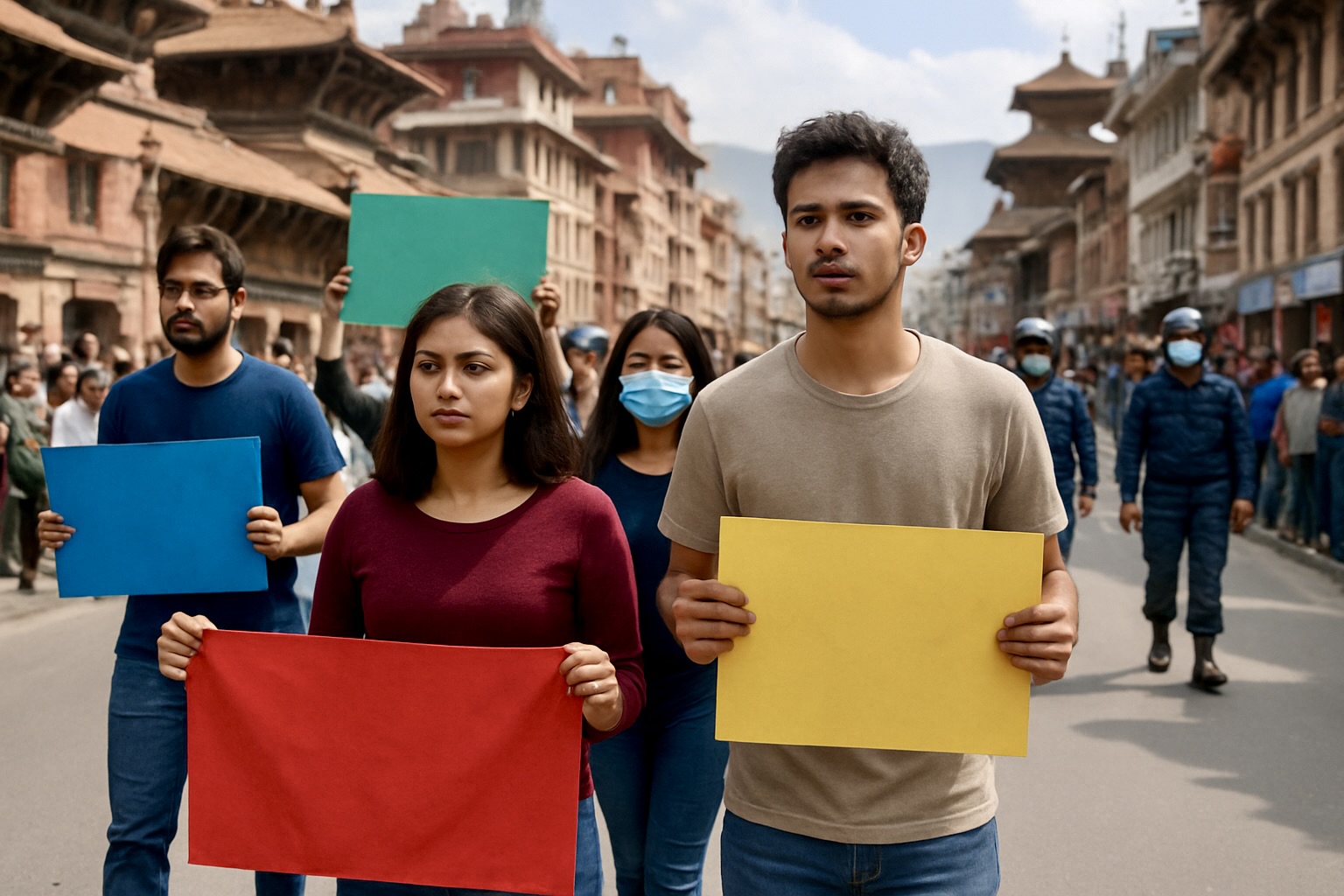
The youth-led demonstrations that swept across Nepal in early September 2025 weren't random acts of rebellion. Young Nepalese took to the streets with specific grievances that had been building for years.
The immediate trigger was a government-imposed ban on 26 social media platforms, including Facebook, Instagram, and YouTube. But deeper issues fueled the movement: limited job opportunities for educated youth, rising living costs, concerns about government transparency, and inadequate rural infrastructure development.
The protests peaked in early September, with demonstrations concentrated in Kathmandu and other major cities. While mostly peaceful, some incidents involved water cannons, tear gas, and temporary curfews. A few vehicles were damaged, and normal city life was disrupted for several days.
The movement achieved significant results. The prime minister resigned, and on September 12, Nepal appointed its first female interim Prime Minister, Sushila Karki. By September 13, protests had largely ended, and normal life resumed across the country.
Most importantly for travelers, the trekking regions and rural tourism areas experienced minimal disruption throughout this period. Mountain communities continued welcoming visitors, and tea houses stayed open along popular routes.
Current Safety Assessment and Travel Conditions
Nepal's tourism infrastructure is now operating at full capacity, with normal safety conditions restored. The country has not only returned to stability but is actively welcoming international visitors with renewed enthusiasm.
Transportation Networks
Tribhuvan International Airport maintains regular schedules with all major airlines. Flight delays related to protests have completely ceased. Domestic flights to the Everest region, Pokhara, and other destinations run normally, while helicopter services for trekking remain fully available.
Road connections between major cities function without restrictions. Tourist buses, private vehicles, and rental motorcycles move freely across all regions. Highway travel to popular destinations like Pokhara and Chitwan operates on normal schedules.
Urban Safety Conditions
Kathmandu has returned to its bustling, welcoming atmosphere. All temples, markets, restaurants, and cultural sites operate normally. The Thamel district buzzes with its usual energy, and government areas that saw protests now function without incident.
Pokhara continues its role as the gateway to the Annapurnas, with lake activities, paragliding, and mountain flights operating without interruption. Bhaktapur's heritage sites welcome visitors for cultural tours and traditional workshops.
Crime levels remain consistent with pre-protest statistics. Petty theft occasionally affects tourists in crowded markets, but violent crime against visitors remains extremely rare. Local police maintain a visible presence in tourist areas without creating tension.
Comprehensive Trekking Safety and Route Status
Nepal's world-famous trekking routes operate with full support services and enhanced safety awareness following the recent period of uncertainty.
Major Route Accessibility
The Everest Base Camp Trek maintains complete access, with tea houses operating at normal capacity and experienced guides readily available. The classic route, the Three Passes trek, and the Gokyo Lakes alternatives all function without restrictions.
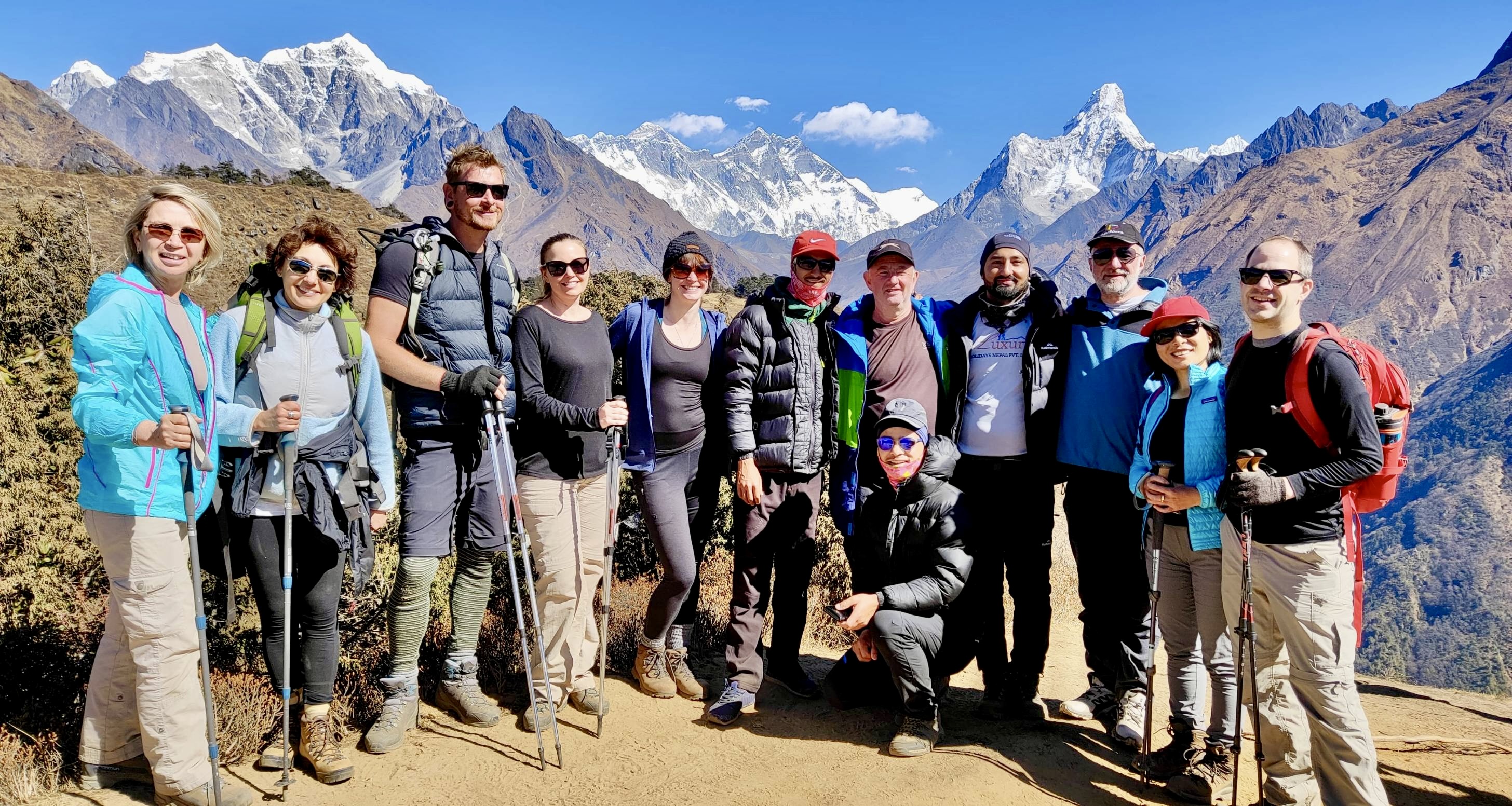
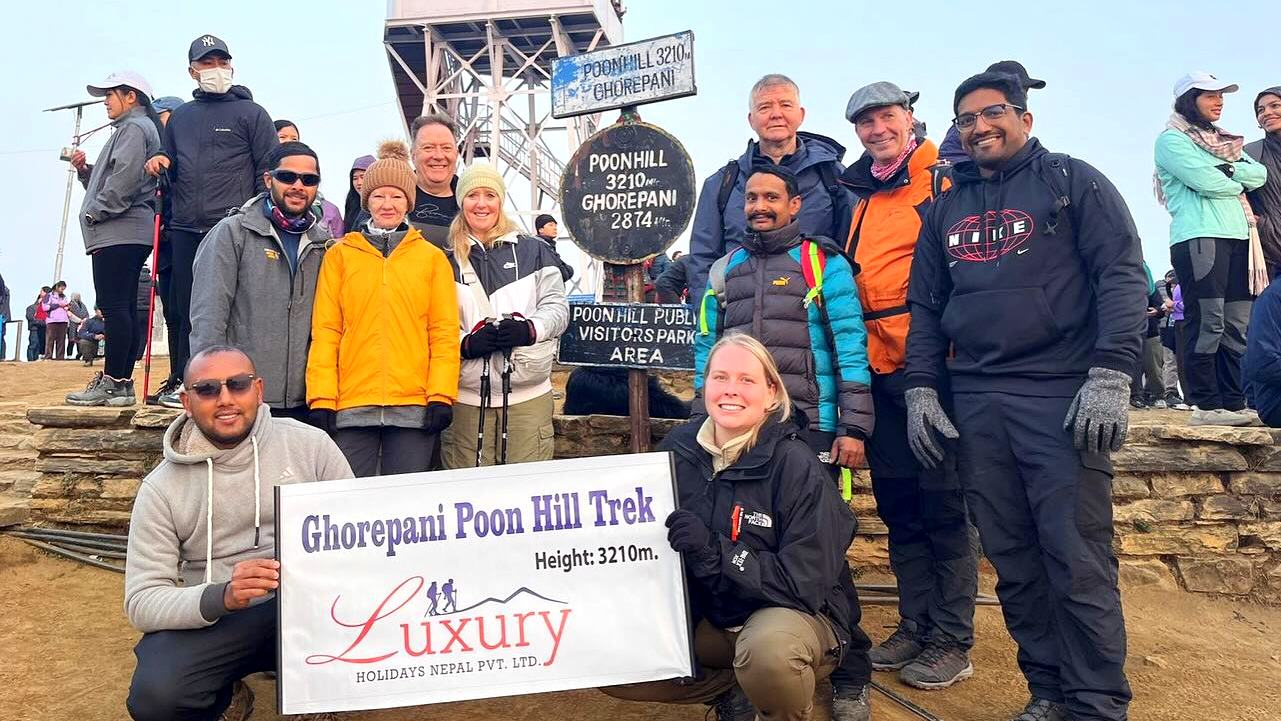
The Annapurna region, including Annapurna Base Camp and the complete Annapurna Circuit, operates with excellent infrastructure supporting trekkers of all experience levels. The popular Poon Hill trek offers spectacular sunrise views with comfortable lodge accommodations.
Langtang Valley, rebuilt and thriving since the 2015 earthquake, provides a quieter alternative with local communities warmly welcoming visitors. The region offers excellent acclimatization opportunities and cultural experiences.
For more remote adventures, restricted area treks like Manaslu Circuit and Upper Mustang process permits normally through us. These areas maintained their unique appeal and basic facilities throughout recent events.
Seasonal Trekking Conditions
October through December offers ideal conditions with clear mountain views, stable weather, and comfortable temperatures. This peak season sees higher lodge prices but guarantees spectacular Himalayan panoramas.
The current period provides unique advantages: reduced international visitor numbers mean better lodge availability, more personalized guide attention, and peaceful experiences at normally crowded viewpoints.
Permit Processing and Requirements
All trekking permits are processed through normal channels in Kathmandu and Pokhara. Standard permits like TIMS and National Park passes cost $30-50 and are available same-day. Restricted-area permits for places like Manaslu require 2-3 days of processing time and cost $100-120.
Travel Advantages and Opportunities in Post-Protest Nepal
Current conditions create exceptional opportunities for travelers seeking authentic Himalayan experiences.
Uncrowded Destinations
Reduced international visitor numbers translate to immediate benefits. Popular viewpoints like Poon Hill and Everest Base Camp offer unobstructed sunrise experiences. Lodge availability improves dramatically, even during peak season periods.
Mountain flights to see Everest, paragliding in Pokhara, and cultural tours in Kathmandu Valley provide more intimate experiences with personalized attention from guides and operators.
Cultural Immersion Opportunities
Nepal's festival calendar continues uninterrupted, offering incredible cultural experiences. Dashain in October brings elaborate celebrations nationwide, while Tihar in November transforms the country with beautiful light displays.
Local communities, especially in trekking regions, show increased appreciation for international visitors. The recent challenges have reinforced the importance of tourism to local economies, resulting in even warmer hospitality.
Photography and Scenic Advantages
Fewer crowds at iconic locations provide exceptional photography opportunities. Mountain panoramas, cultural sites, and local interactions offer authentic moments without the usual tourist congestion.
The post-protest period has created a unique window where Nepal's spectacular scenery and rich culture remain fully accessible while offering more peaceful, contemplative experiences.
Essential Travel Planning and Preparation
Proper preparation ensures smooth travels in Nepal's current environment.
Documentation and Permits
Tourist visas are available on arrival at Tribhuvan International Airport or through the official Nepal immigration website. Costs range from $30 for 15 days to $125 for 90 days. Travel insurance remains mandatory for trekking activities and should include helicopter evacuation coverage up to 6000 meters.
Health and Safety Preparations
Standard vaccinations, including Hepatitis A/B, Japanese Encephalitis for Terai regions, and Typhoid, are recommended. Altitude preparation becomes crucial above 3000 meters, requiring gradual ascent and altitude sickness medication.
Water safety practices remain important: use bottled water, avoid raw vegetables, and choose busy restaurants with high food turnover.
Cultural Sensitivity Guidelines
Religious sites require shoes removal and modest dress with covered shoulders and knees. Photography etiquette involves asking permission before photographing people and avoiding photos inside religious buildings unless permitted.
Tipping practices include 10% in restaurants, 200-500 rupees daily for trekking guides, and 150-300 rupees for porters. Bargaining is expected in markets but not in shops with fixed prices.
Supporting Local Communities Through Responsible Tourism
Your visit plays a vital role in Nepal's economic recovery and community development, particularly important after recent challenges.
Economic Impact and Employment
Tourism provides direct income for guides, porters, lodge owners, and transport operators in remote mountain communities. Tourist spending supports entire supply chains, including farmers, craftspeople, and small businesses throughout rural Nepal.
Revenue from tourism funds is critical for infrastructure improvements, including roads, communication networks, and medical facilities in mountain regions where government resources are limited.
Responsible Travel Practices
Environmental stewardship involves following Leave No Trace principles, using refillable water bottles, and avoiding single-use plastics. Cultural respect includes learning basic Nepali phrases and understanding local customs.
Economic distribution improves when choosing locally-owned lodges and restaurants over international chains. Purchasing handicrafts directly from artisans ensures money reaches community members rather than middlemen.
Porter Welfare and Fair Tourism
We provide proper equipment, insurance, and fair wages for porters. We emphasize porter welfare as a key differentiator in responsible tourism practices.
Supporting local guides and family-run tea houses creates lasting relationships that benefit communities long after your trek ends. These connections often lead to lifelong friendships and a deeper understanding of Nepalese culture.
Nepal has emerged from the Gen Z protests stronger and more committed to welcoming international visitors. The country now offers exceptional value, fewer crowds, and the same spectacular mountains, rich culture, and warm hospitality that have drawn adventurous travelers for decades.
Current conditions make this an ideal time to experience Nepal's wonders while supporting communities that depend on tourism. Whether you seek Himalayan peaks, ancient temples, or wildlife encounters, Nepal delivers authentic experiences with reliable infrastructure and safety standards.
The question isn't whether it's safe to travel to Nepal after the 2025 protests—it's whether you're ready to experience one of the world's most remarkable destinations during a unique period of accessibility and appreciation for visitors.
Trekking in Nepal
Tour in Nepal
Luxury Trekking in Nepal
Luxury Tours in Nepal
Helicopter Tours Packages in Nepal
One Day Activities in Nepal
Adventure Sports Tour in Nepal
Heli Trekking in Nepal
Luxury Adventure Activities in Nepal
VVIP, VIP, Luxury, and Premium Tours and Treks in Nepal
Luxury Family Tours in Nepal
Understanding the 2025 Gen Z Protests in Nepal
Root Causes and Triggers Behind Youth Demonstrations
The 2025 Gen Z protests in Nepal emerged from deep-rooted socioeconomic frustrations that had been building within the younger generation. Limited employment opportunities for educated young people served as a primary catalyst, with many graduates finding themselves unable to secure meaningful careers despite their qualifications. This economic disparity created widespread discontent among Nepal's youth population.
Concerns about government transparency manifested through protests against corruption, reflecting the younger generation's demand for accountability and ethical governance. The rising cost of living, affecting daily necessities, further intensified these grievances, making basic survival increasingly challenging for ordinary citizens. Additionally, inadequate infrastructure development in rural areas highlighted the government's failure to provide essential services to all regions of the country.
The immediate trigger for the September 2025 demonstrations was the government's decision to impose a social media ban, which directly targeted platforms that Gen Z used for communication and expression. This restriction on digital freedom became the final straw that mobilized widespread youth activism across the nation.
Timeline and Key Events of September 2025 Protests
In early September 2025, widespread protests erupted across Nepal, primarily led by Generation Z youth who organized through various networks despite digital restrictions. The demonstrations gained momentum as demonstrators took to the streets in Kathmandu and other cities, responding directly to a government-imposed social media ban on 26 platforms, including Facebook, Instagram, and YouTube, implemented on September 1st.
Many young Nepalese expressed their frustrations through peaceful assemblies, maintaining largely non-violent demonstrations throughout the initial phases. However, some incidents involved water cannons, tear gas, and rubber bullets as authorities managed larger gatherings, particularly in densely populated urban areas where crowds grew significantly.
During the protests, a few vehicles were set on fire in isolated incidents, and curfew measures were temporarily imposed to maintain order in affected areas. These security measures were implemented selectively, primarily targeting regions with the highest concentration of protesters.
By September 13, the protests had largely subsided, and normal life resumed without disruption across the country, marking a relatively quick resolution to the civil unrest.
Government Response and Leadership Changes
The government's initial response to the protests involved both security measures and attempts at dialogue with protest leaders. The protests eventually led to significant political changes, with the prime minister resigning as pressure mounted from sustained demonstrations and public criticism.
On September 12, Interim Prime Minister Sushila Karki, former Chief Justice, was appointed as Nepal's transitional leader to help navigate the country through this period of political uncertainty. This appointment represented an attempt to restore public confidence through the selection of a respected judicial figure known for her integrity and legal expertise.
The leadership change signaled the government's recognition of the legitimate concerns raised by the protesters and demonstrated a willingness to address the underlying issues that had sparked the demonstrations.
Impact on Tourism Infrastructure and Services
Despite the intensity of the protests, Nepal's tourism infrastructure remained largely intact throughout the September 2025 demonstrations. The brief duration of the unrest, lasting approximately two weeks, minimized long-term damage to tourism facilities and services.
Most hotels, restaurants, and tourism-related businesses continued operating, though some temporary disruptions occurred in areas with heavy protest activity. Transportation services experienced minor delays, but major airports and key tourist routes remained accessible to international visitors.
The quick resolution of the protests and return to normalcy by mid-September meant that the tourism sector could resume full operations without significant structural damage or lasting security concerns affecting visitor experiences.
Current Safety Assessment and Travel Conditions
Flight Operations and Transportation Status
International flight operations to and from Nepal have returned to normal schedules following the completion of the 2025 Gen Z protests. Tribhuvan International Airport in Kathmandu continues to operate without disruption, with all major international carriers maintaining their regular routes. Domestic flight connections to popular trekking destinations, including Lukla, Jomsom, and Pokhara, are functioning as scheduled, ensuring seamless access to Nepal's mountain regions.
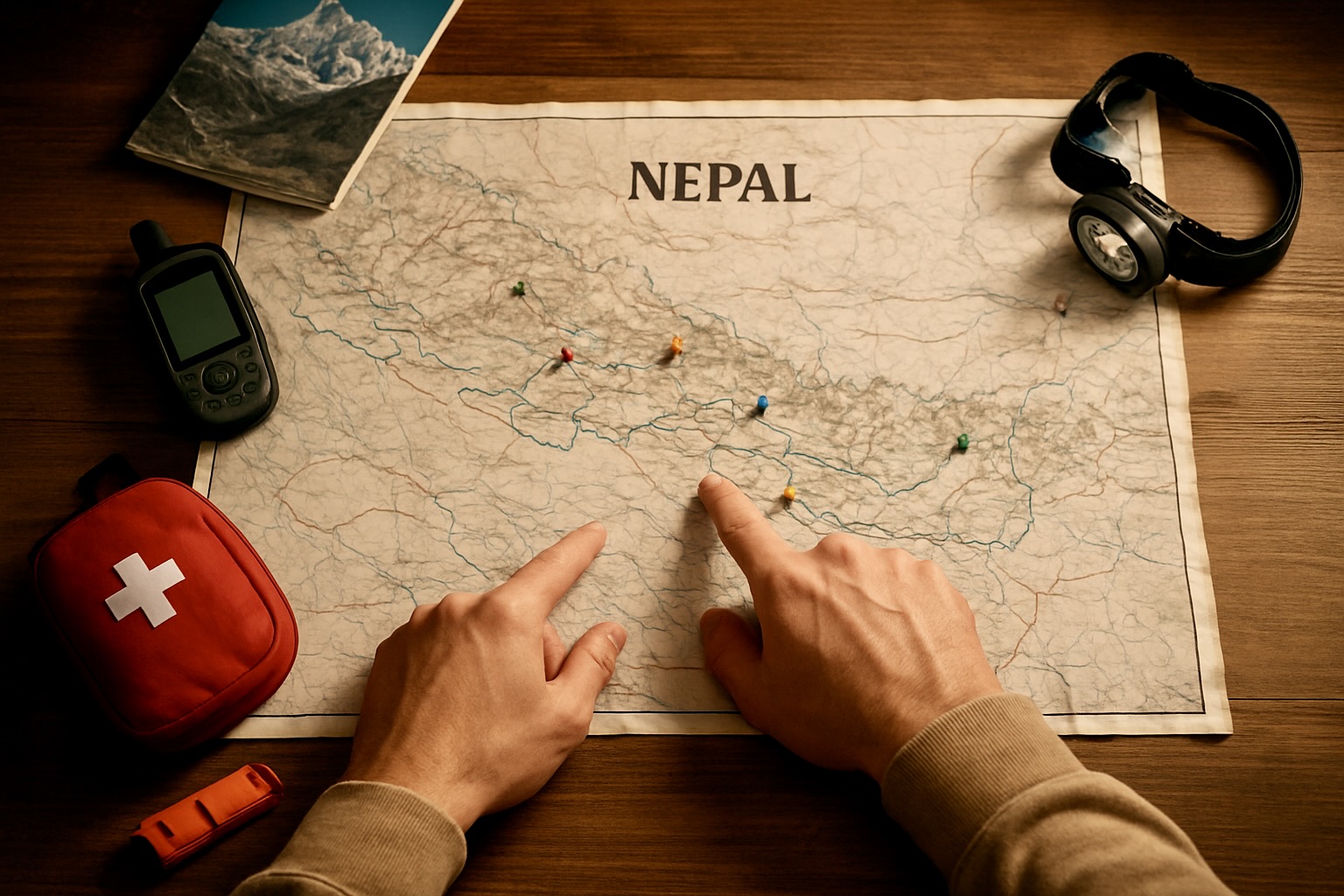
Ground transportation networks have fully resumed normal operations across the country. Tourist buses, private vehicles, and local transportation services are running on standard schedules between major cities and tourist destinations. The road networks connecting Kathmandu to Pokhara, Chitwan, and other primary tourist areas remain open and well-maintained, with no reported travel restrictions or delays related to the recent protests.
Security Situation in Major Tourist Cities
Now that we have covered transportation accessibility, the security landscape in Nepal's primary tourist destinations requires careful examination. Kathmandu, Pokhara, and Chitwan have all returned to their typical peaceful atmosphere, with tourism police maintaining their regular presence in key areas frequented by international visitors.
The Nepal Tourism Board has confirmed that all major tourist sites, including UNESCO World Heritage Sites in the Kathmandu Valley, are operating under normal security protocols. Hotels, restaurants, and tour operators in these cities report standard business operations with no ongoing security concerns affecting visitor experiences.
Local authorities have strengthened coordination with tourism stakeholders to ensure rapid communication of any developing situations. Tourist police stations in Thamel, Lakeside Pokhara, and other primary visitor areas maintain 24-hour operations and English-speaking staff to assist international travelers.
Rural and Trekking Region Accessibility
With this understanding of urban security conditions, rural and trekking regions present an equally stable environment for visitors. The Everest Base Camp route, Annapurna Circuit, and Langtang Valley trails are fully accessible with no reported restrictions or safety concerns. Teahouses and lodges throughout these regions continue normal operations, providing essential services to trekkers.
Mountain communities in popular trekking areas were minimally impacted by the urban-centered protests, maintaining their traditional hospitality and support systems for international visitors. Local guides, porters, and support staff are available as usual, with us reporting full operational capacity across all major routes.
Remote areas, including Upper Mustang, Manaslu Circuit, and restricted regions, maintain their standard permit requirements and accessibility protocols, unchanged by recent events.
Crime Levels and Public Order Analysis
Previously established crime statistics for Nepal remain consistent with pre-protest levels, with petty theft and tourist-targeted scams representing the primary concerns for international visitors. Violent crime against tourists remains exceptionally rare, and the recent protests have not altered this favorable security profile.
Public order has returned to normal patterns throughout Nepal, with no lingering tensions or civil unrest affecting tourist areas. Local communities demonstrate continued welcoming attitudes toward international visitors, recognizing tourism's vital role in Nepal's economic recovery and development.
We maintain standard protocols for tourist safety, with no heightened alert levels or special restrictions in place. The overall environment remains conducive to safe and enjoyable travel experiences across Nepal's diverse destinations.
Comprehensive Trekking Safety and Route Status
Major Himalayan Trek Route Operations
Now that we have covered the current safety landscape, it's essential to examine the operational status of Nepal's premier trekking routes. The major Himalayan circuits continue to function normally with established safety protocols in place. The Everest Base Camp trek, Annapurna Circuit, and Langtang Valley routes maintain their regular operational schedules, with local authorities confirming that mountain access remains unaffected by recent urban developments.
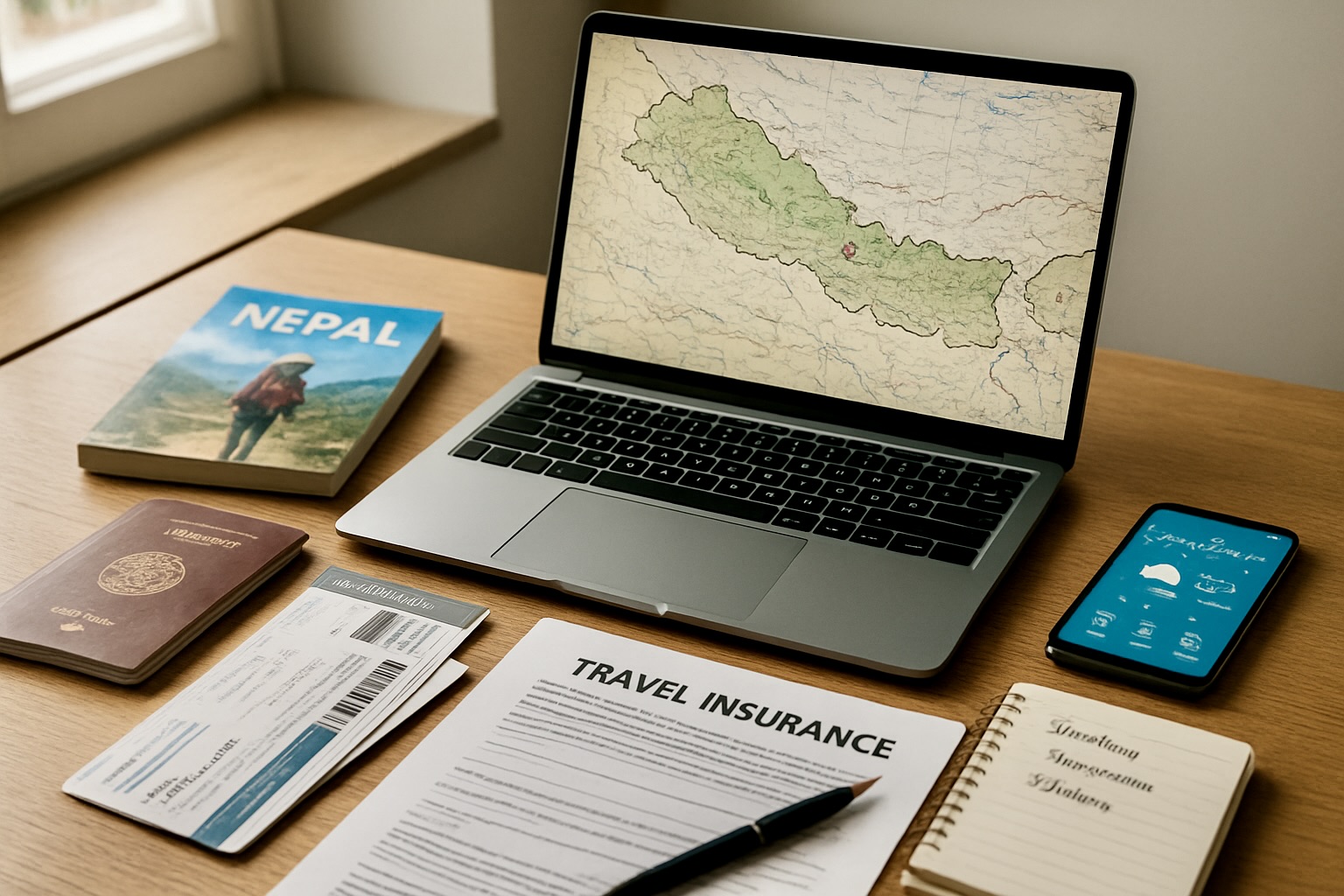
We report standard service levels across all primary routes, with helicopter rescue services, communication networks, and emergency medical facilities operating at full capacity. The Nepal Tourism Board has confirmed that high-altitude regions experienced minimal disruption during recent events, ensuring that mountain adventures proceed with their characteristic safety standards and logistical support systems intact.
Permit Requirements and Processing Times
With this in mind, permit acquisition procedures have returned to their standard timelines following any temporary administrative adjustments. The Department of Immigration processes TIMS (Trekkers' Information Management System) cards within 24-48 hours, while national park entry permits maintain their typical same-day or next-day issuance schedule.
Special area permits for restricted regions like Upper Mustang, Manaslu, and Dolpo continue with their established 10-15 day processing periods. We report no significant delays in permit approvals, with government offices maintaining regular operating hours and full staffing levels. Digital permit systems remain functional, allowing for streamlined application processes online in Kathmandu and Pokhara.
Seasonal Considerations for Mountain Adventures
Previously established seasonal patterns remain the primary consideration for mountain planning rather than any protest-related factors. October through December offers optimal visibility and stable weather conditions, with clear mountain views and moderate temperatures ideal for high-altitude trekking. Spring seasons from March to May provide excellent conditions with blooming rhododendrons and pre-monsoon clarity.
Winter trekking from January to February presents challenges related to temperature and snow conditions rather than security concerns, while monsoon periods require standard precautions for trail conditions and weather-related risks. Local weather monitoring systems and seasonal advisories continue operating normally, providing accurate forecasting for trek planning purposes.
Tea House and Lodge Availability
Tea house networks along major trekking routes maintain full operational capacity with standard booking procedures in effect. Lodge owners report normal occupancy patterns and service levels, with established chains like those along the Everest and Annapurna circuits operating without interruption. Accommodation availability follows traditional seasonal demand patterns rather than any protest-related constraints.
Reservation systems function normally, with advance booking recommended during peak seasons through established channels. Local hospitality services, including meals, lodging, and porter arrangements, continue at their customary standards, supporting the complete trekking infrastructure that international visitors expect from Nepal's mountain tourism sector.
Travel Advantages and Opportunities in Post-Protest Nepal
Reduced Crowds and Better Availability
With the conclusion of the 2025 Gen Z protests, Nepal presents an exceptional window of opportunity for travelers seeking authentic experiences without the typical tourist congestion. The temporary reduction in international visitor numbers has created unprecedented availability across accommodation options, from boutique mountain lodges to heritage hotels in Kathmandu's cultural districts. Trekking permits for popular routes like Everest Base Camp and Annapurna Circuit are now readily accessible without the usual advance booking requirements, allowing for greater flexibility in travel planning.
This reduced crowd scenario extends beyond accommodation availability. Popular viewpoints, cultural sites, and scenic locations that typically experience heavy foot traffic now offer more intimate and peaceful experiences. Travelers can capture unobstructed photographs at iconic locations like Poon Hill, Sarangkot, and the ancient squares of Bhaktapur without navigating through crowds of fellow tourists.
Cultural Festival and Experience Access
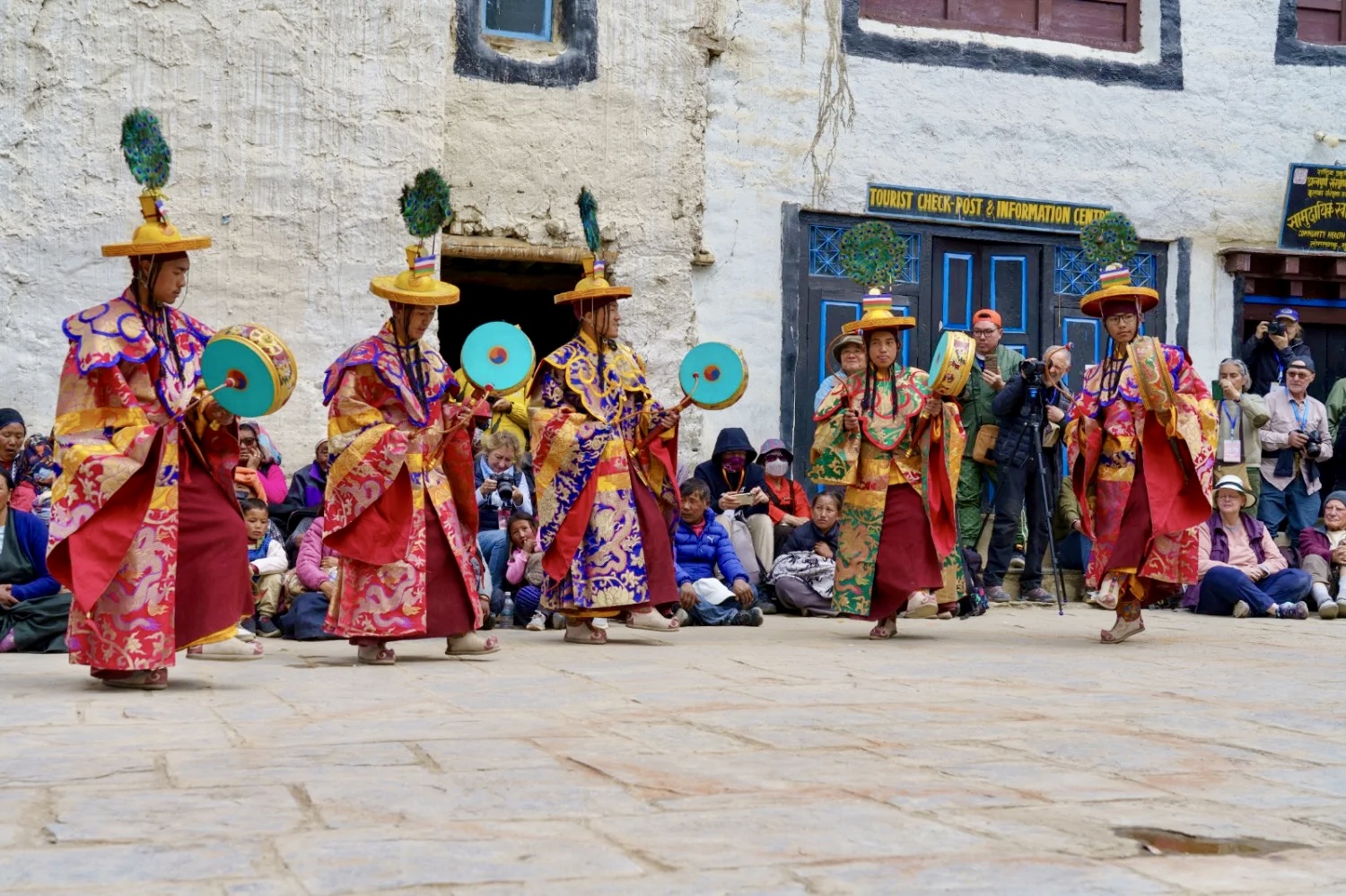
Now that we have covered the availability advantages, it's important to highlight the exceptional cultural access opportunities currently available in Nepal. Local communities, eager to reconnect with international visitors, are providing more personalized cultural exchanges and authentic festival experiences. Traditional celebrations, monastery visits, and community interactions offer deeper cultural immersion as local hosts have more time and attention to dedicate to individual travelers.
The reduced tourist presence has encouraged local cultural groups to maintain their authentic practices without commercial pressure, resulting in more genuine cultural exchanges. Travelers can participate in traditional cooking classes, artisan workshops, and religious ceremonies with unprecedented access to local knowledge and customs.
Enhanced Photography and Scenic Opportunities
Previously challenging photographic locations now offer optimal conditions for capturing Nepal's stunning landscapes and cultural heritage. The absence of typical tourist crowds at sunrise viewpoints means photographers can secure prime positions at locations like Nagarkot, Dhulikhel, and various Himalayan viewpoints without competition for the best angles.
Mountain photography enthusiasts will find clear trails and unobstructed views along popular trekking routes. The reduced helicopter traffic and fewer trekking groups create quieter environments that enhance wildlife spotting opportunities and allow for more contemplative mountain experiences. This period represents an ideal time for serious photographers to capture Nepal's natural beauty in its most pristine state.
Improved Value for Tourism Services
With this in mind, travelers can expect enhanced value propositions across Nepal's tourism sector. Hotels and guesthouses are offering competitive rates and upgraded services to attract the gradual return of international visitors. Many establishments are providing complimentary services, room upgrades, and personalized attention that exceeds typical hospitality standards.
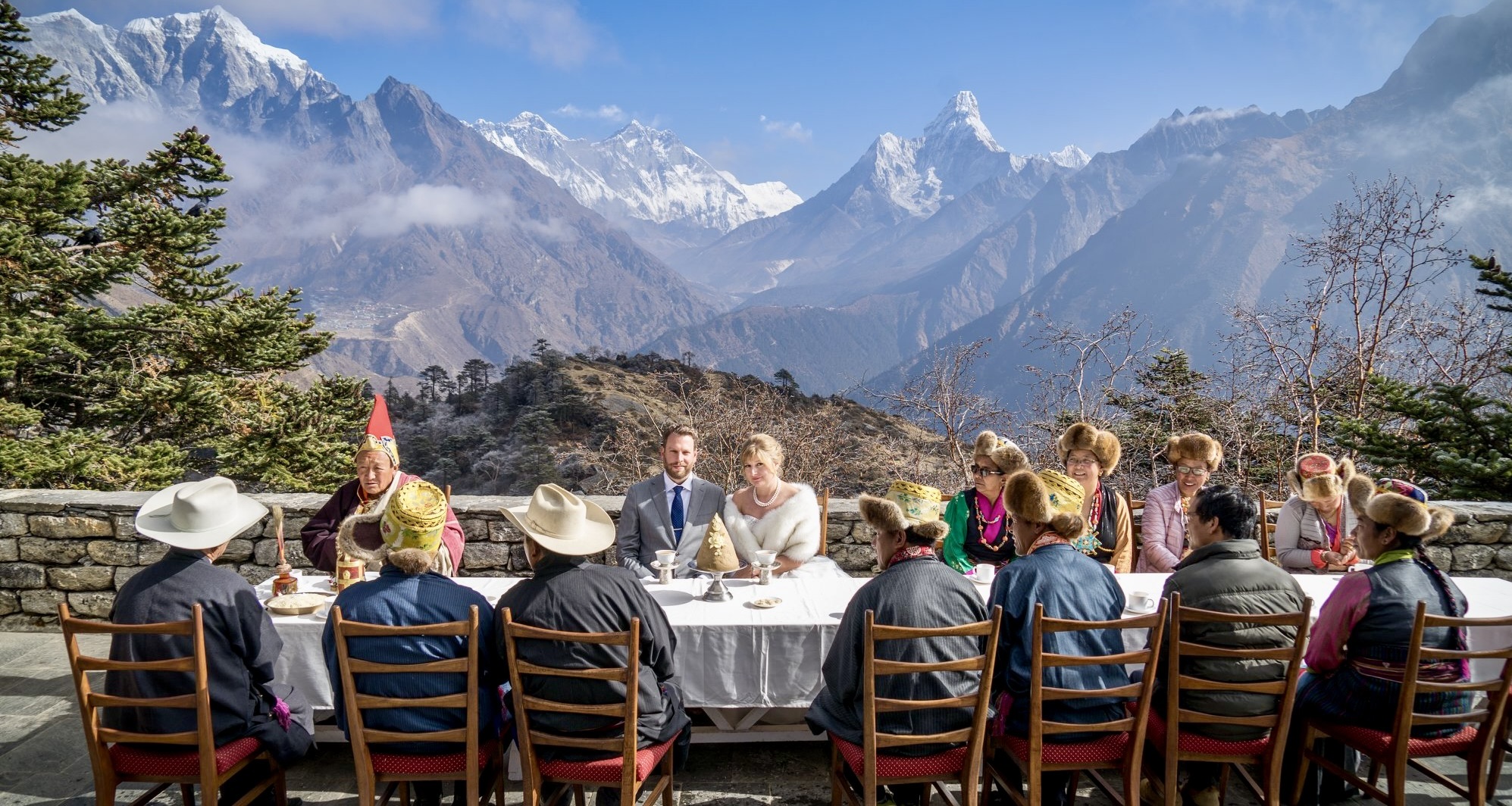
We are similarly motivated to deliver exceptional experiences, often including additional services or extending itineraries without corresponding price increases. This competitive environment benefits travelers through improved service quality, flexible booking terms, and enhanced overall value for their Nepal adventure investment.
Essential Travel Planning and Preparation
Visa Requirements and Documentation Process
With the current situation in Nepal stabilizing, travelers should ensure their documentation is in order before departure. Nepal offers visa-on-arrival services for most nationalities at Tribhuvan International Airport in Kathmandu, as well as at various land border crossings. Tourist visas are available for 15, 30, or 90-day periods, with fees ranging from $30 to $125 USD depending on duration. It's advisable to carry passport-sized photographs and have exact change in USD, as this expedites the process.
For enhanced security during your visit, consider obtaining your visa in advance through Nepalese embassies or consulates. This approach provides additional peace of mind and reduces potential delays at entry points. Keep multiple copies of your passport, visa, and travel insurance documents stored separately throughout your luggage.
Health Precautions and Medical Preparations
Now that we have covered documentation requirements, health preparation becomes equally crucial for safe travel to Nepal. Consult with a travel medicine specialist at least 4-6 weeks before departure to discuss necessary vaccinations. Common recommendations include hepatitis A and B, Japanese encephalitis, typhoid, and ensuring routine vaccinations are current.
Altitude sickness prevention is particularly important for trekkers and travelers visiting higher elevations. Consider carrying acetazolamide (Diamox) after consulting with your physician. Pack a comprehensive first-aid kit including anti-diarrheal medications, water purification tablets, sunscreen with high SPF, and any personal prescription medications with extra supplies.
Travel insurance covering emergency evacuation and medical treatment is essential, especially given recent events and potential infrastructure disruptions.
Cultural Sensitivity and Local Customs
Previously established cultural norms remain important to observe while visiting Nepal. Dress modestly, particularly when visiting religious sites, by covering shoulders and knees. Remove shoes before entering temples and homes, and always walk clockwise around religious monuments and stupas.
Show respect for local customs by using both hands when giving or receiving items, and avoid pointing feet toward people or religious objects. Photography restrictions apply at many religious sites, so always ask permission before photographing people or sacred areas. Understanding these cultural nuances demonstrates respect for local communities and enhances your travel experience.
Smart Packing and Equipment Recommendations
With this in mind, next, we'll examine essential packing considerations for Nepal travel. Pack layers suitable for varying climates and altitudes, including moisture-wicking base layers, insulating mid-layers, and waterproof outer shells. Quality hiking boots are essential for trekking activities, while comfortable walking shoes work well for city exploration.
Essential electronics include portable chargers, universal adapters, and backup batteries, as power outages can occur. Pack water bottles with built-in filtration systems and consider bringing electrolyte supplements. Include cash in small denominations, as ATMs may be limited in remote areas. A reliable headlamp, basic tools, and duct tape prove invaluable for various situations during your Nepal adventure.
Supporting Local Communities Through Responsible Tourism
Economic Impact of Tourism on Mountain Communities
Tourism serves as a vital economic lifeline for Nepal's remote mountain communities, particularly in regions where traditional agriculture provides limited income opportunities. The trekking and mountaineering industry directly employs thousands of local residents as guides, porters, lodge operators, and support staff, creating sustainable income sources in areas where few alternatives exist.
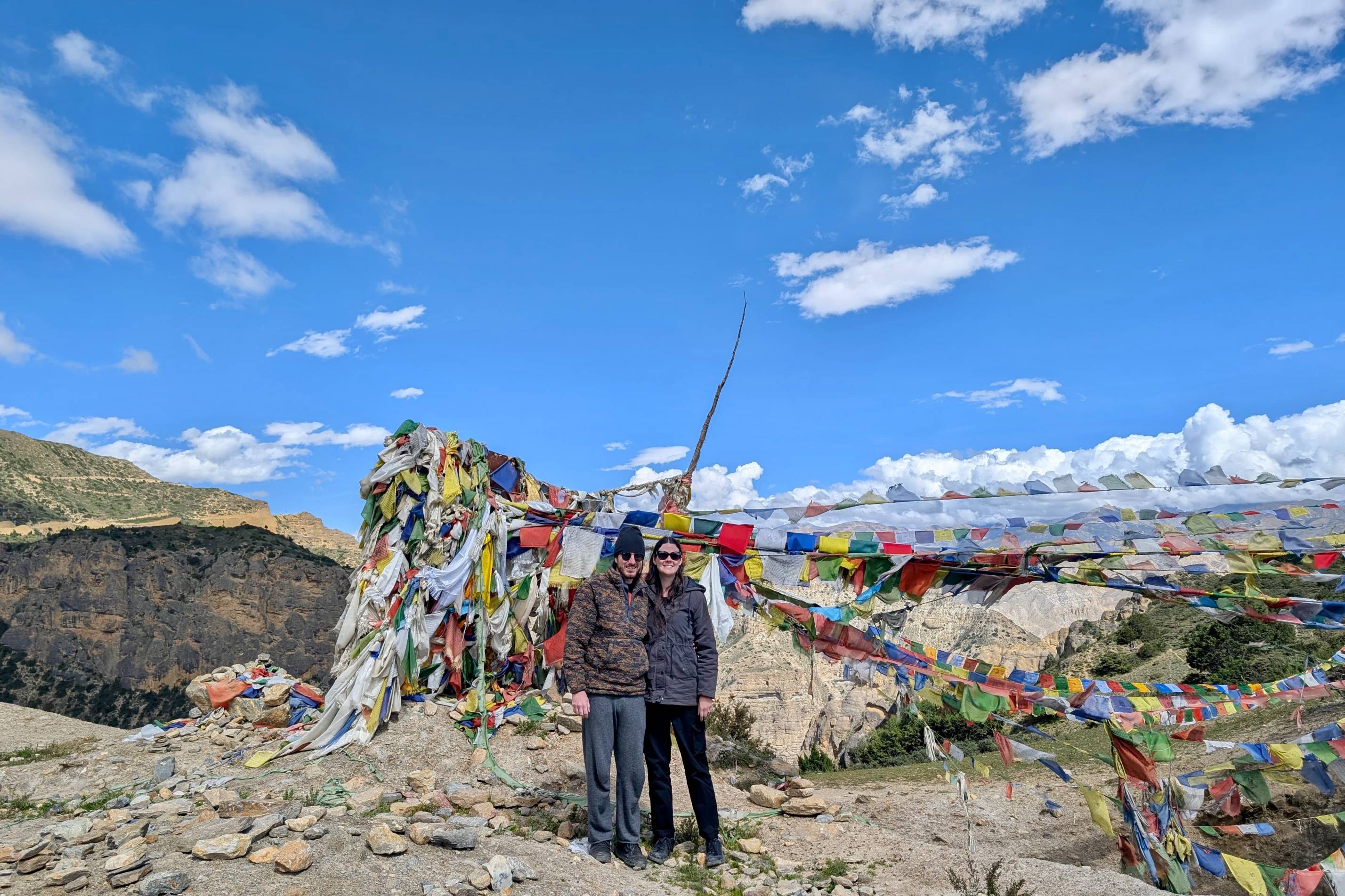
Local tea houses and lodges along popular trekking routes like the Everest Base Camp and Annapurna Circuit generate substantial revenue, with many families relying entirely on seasonal tourist income to support their livelihoods throughout the year. This economic dependency has transformed traditional subsistence communities into entrepreneurial hubs, where locals have developed hospitality skills and business acumen to serve international visitors.
The multiplier effect of tourism spending extends beyond direct employment, supporting local suppliers of food, handicrafts, and essential services. Village economies benefit when trekkers purchase locally-produced goods, hire equipment, and utilize communication services, creating a robust economic ecosystem that sustains entire communities.
Environmental Conservation and Sustainable Practices
Mountain communities have increasingly recognized the importance of balancing tourism development with environmental protection. Local conservation initiatives have emerged organically, with community-led efforts to maintain trail cleanliness, manage waste disposal, and protect fragile alpine ecosystems.
Many trekking regions now implement waste management programs where lodge owners coordinate garbage collection and disposal, while some communities have established recycling systems for plastic bottles and packaging materials commonly discarded by trekkers. These grassroots environmental efforts demonstrate how tourism revenue can fund conservation activities.
Water resource management has become particularly crucial, with communities developing sustainable systems to provide clean drinking water for visitors while preserving local supplies. Solar power adoption in remote lodges reduces reliance on firewood and diesel generators, minimizing environmental impact while improving service quality for guests.
Fair Employment and Porter Welfare Standards
The trekking industry has evolved to prioritize porter welfare and fair employment practices, recognizing that ethical treatment of mountain workers enhances both safety and service quality. We provide comprehensive insurance coverage, appropriate gear, and medical support for porters working at high altitudes.
Weight limitations for porter loads have become standardized, with reputable operators strictly enforcing maximum carrying capacities to prevent overloading and reduce injury risks. This professional approach ensures sustainable employment conditions that protect worker health while maintaining operational efficiency.
Training programs for local guides and porters have expanded their skill sets, enabling career advancement opportunities within the tourism sector. These capacity-building initiatives create professional development pathways that retain talent within mountain communities rather than forcing migration to urban areas for employment.
Cultural Preservation Through Visitor Engagement
Tourism has become an unexpected ally in preserving traditional mountain cultures, providing economic incentives for communities to maintain their authentic practices and heritage. Cultural demonstrations, traditional music performances, and handicraft workshops offer visitors meaningful experiences while generating income for local artisans and cultural practitioners.
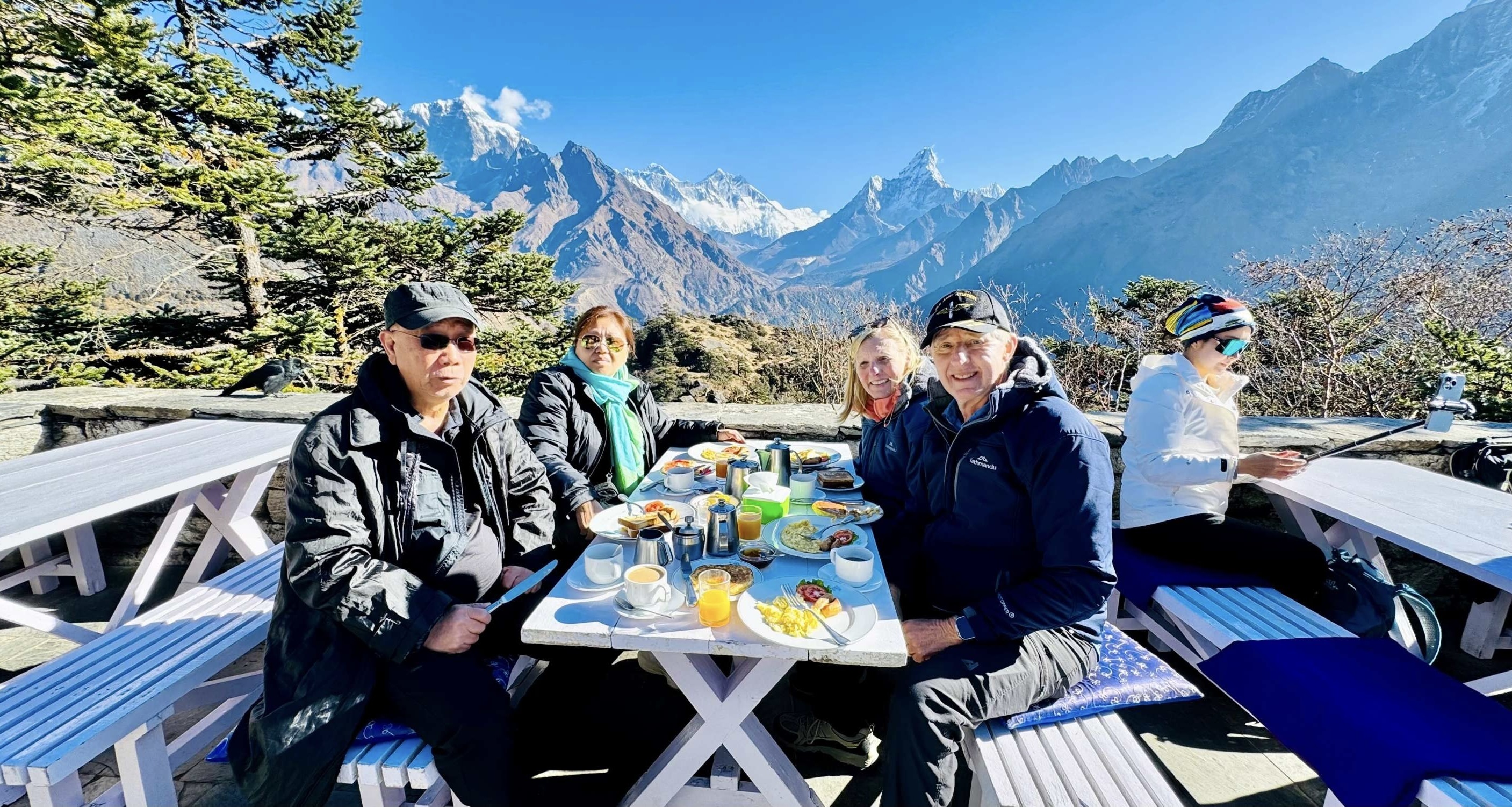
Monastery visits and participation in local festivals create opportunities for cultural exchange that benefit both visitors and residents. These interactions help preserve traditional knowledge systems, languages, and customs that might otherwise be lost to modernization pressures.
Community-based tourism initiatives enable visitors to participate in traditional activities like yak herding, traditional cooking, and local farming practices. These immersive experiences provide sustainable income sources while ensuring that valuable cultural knowledge is transmitted to younger generations who see economic value in maintaining their heritage.
The integration of cultural preservation with tourism development has created a sustainable model where traditional practices become valuable assets rather than obstacles to economic progress, ensuring that Nepal's mountain communities can prosper while maintaining their unique cultural identity.
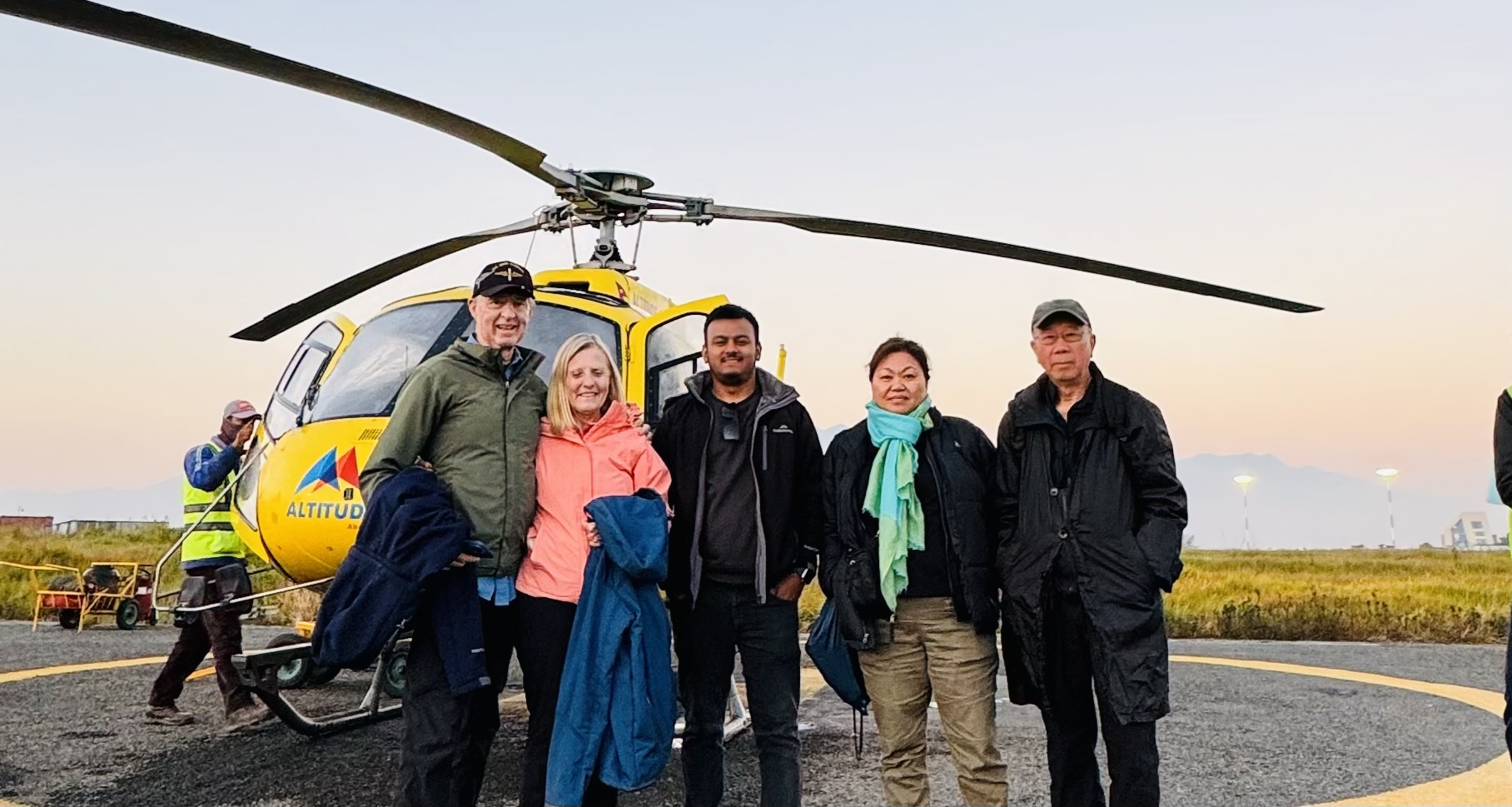
Nepal has successfully navigated through the Gen Z protests of September 2025 and emerged as a safe, welcoming destination for international travelers. With all major trekking routes fully operational, tourist infrastructure functioning at full capacity, and local communities eager to welcome visitors, the country offers exceptional opportunities for authentic Himalayan adventures. The temporary disruptions have passed, normal life has resumed, and enhanced safety measures ensure that travelers can explore Nepal's magnificent mountains, rich cultural heritage, and vibrant communities with complete confidence.
Now is an ideal time to experience Nepal's wonders with fewer crowds, better availability at popular destinations, and the same spectacular landscapes that have captivated adventurers for generations. Whether you're planning to trek to Everest Base Camp, explore the Annapurna region, or immerse yourself in Kathmandu's cultural treasures, Nepal stands ready to deliver the journey of a lifetime. Contact us today to begin planning your Himalayan adventure and discover why this remarkable destination continues to inspire travelers from around the world.
Trekking in Nepal
Tour in Nepal
Luxury Trekking in Nepal
Luxury Tours in Nepal
Helicopter Tours Packages in Nepal
One Day Activities in Nepal
Adventure Sports Tour in Nepal
Heli Trekking in Nepal
Luxury Adventure Activities in Nepal
VVIP, VIP, Luxury, and Premium Tours and Treks in Nepal
Luxury Family Tours in Nepal
If you need any further information, please contact us by email: [email protected], Phone: at +977- 985 100 5129 (WhatsApp).