
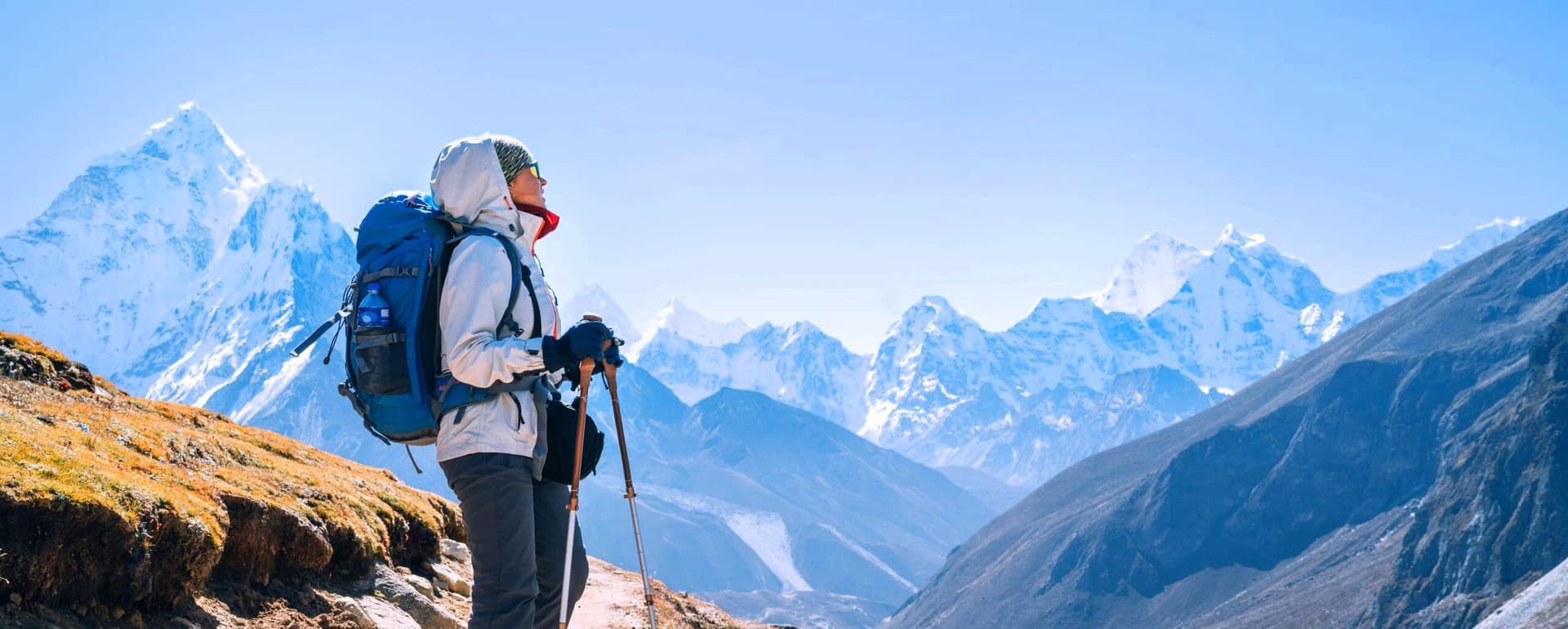
Is Nepal Safe for Solo Female Travelers? An Honest Guide
Yes, Nepal is generally safe for solo female travelers, particularly when you use normal precautions, choose reputable accommodation and transportation, and plan your mountain trips carefully. Nepal's welcoming culture, established tourism industry, and large international traveler community make it a comfortable destination for many women traveling alone.
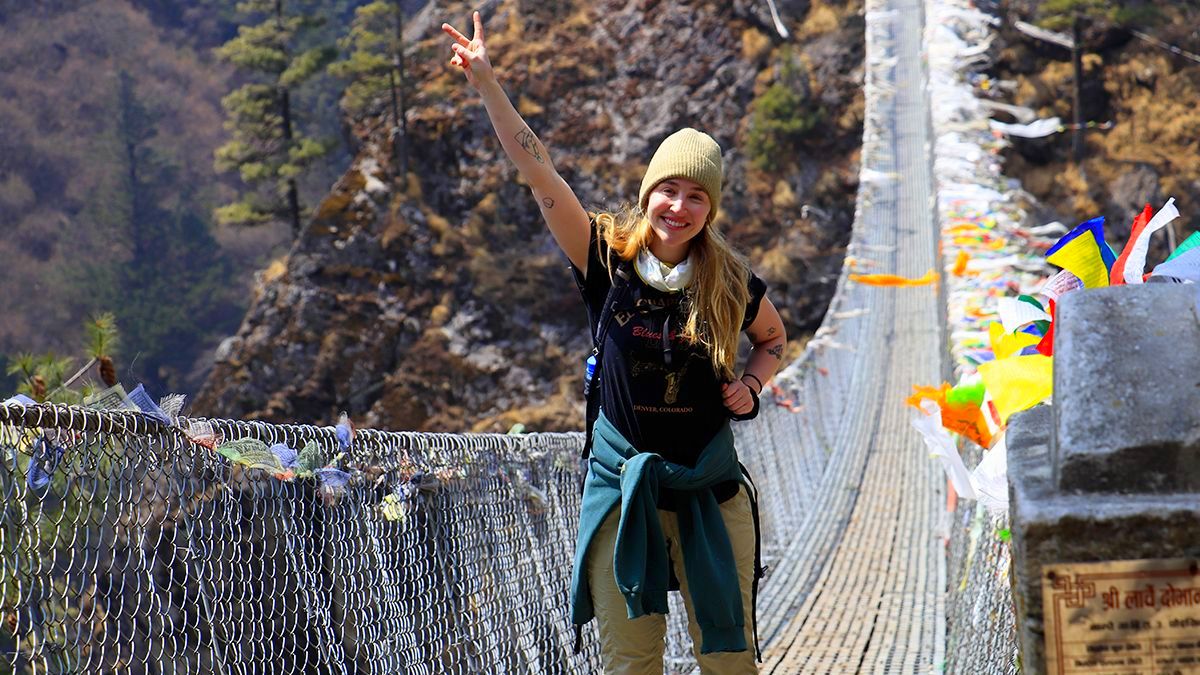
But "safe" does not mean that nothing uncomfortable will happen. Women traveling alone may encounter unwanted attention, conservative cultural expectations, transportation challenges, and the practical risks of trekking at altitude. Knowing what to expect makes a much bigger difference than being told that Nepal is safe.
Is Nepal Safe for Solo Female Travelers?
For most visitors, yes. Nepal is a welcoming destination where solo travelers are common in Kathmandu, Pokhara, and the major trekking regions.
For women, the experience is usually less about serious crime and more about understanding the local environment. You may encounter persistent attention, unwanted conversations, aggressive touts, uncomfortable transportation, or cultural differences around clothing and personal space.
That does not mean you should let your guard down. Keep valuables secure, avoid isolated areas after dark, use reputable transportation, and trust your instincts if a situation feels wrong.
One advantage of Nepal is that you are unlikely to feel like the only solo traveler. Kathmandu and Pokhara attract travelers from around the world, while the major trekking routes have a well-established network of guides, teahouses, and tourism businesses.
For a woman who wants independence without managing every part of the trip alone, Nepal also offers another option: combining independent city travel with a guided trek or a women-only departure.
What Women Travelers Actually Deal With in Nepal
A realistic guide to solo female travel in Nepal should go beyond simply saying "Nepal is safe."
Unwanted Attention
Women may occasionally receive unwanted attention from men, particularly in busy tourist areas or when traveling alone. This can range from staring and repeated attempts at conversation to persistent invitations.
Most interactions are harmless, but you do not have to continue a conversation simply because someone approaches you.
A firm "No, thank you" and continuing to walk is often enough. If someone continues following or bothering you, move into a busy shop, hotel, restaurant, or other public place and ask staff for help.
Cultural Expectations
Nepal is culturally diverse, but many communities remain relatively conservative. Visitors are generally welcomed, but clothing that may be completely ordinary at home can attract more attention in traditional neighborhoods or religious areas.
Covering your shoulders and knees is a useful general rule, especially when visiting temples, monasteries, and rural communities.
You do not need to dress like a local. The goal is simply to be respectful while remaining comfortable.
Traveling at Night
Kathmandu and Pokhara have active tourist areas, restaurants, and nightlife, but solo women should use more caution after dark.
Rather than walking long distances alone late at night, arrange transportation through your hotel, a trusted driver or a reputable ride-hailing service. Avoid accepting rides from strangers who approach you on the street.
The same principle applies when returning to your accommodation after dinner or drinks: know how you are getting back before you leave.
Tourist Touts and Scams
Scams are generally more of a nuisance than a serious safety threat, particularly around major tourist areas.
You may encounter inflated taxi prices, aggressive shopping invitations, or people presenting themselves as unofficial guides. The easiest way to avoid most problems is to book tours and transportation through reputable businesses and agree on prices before traveling when appropriate.
Picture idea: A female traveler speaking with a professional local guide in Kathmandu.
Here are the best tour packages for solo or groups of female travelers to explore Nepal:-
The Trekking Rule: What Solo Women Need to Know
If your Nepal trip includes trekking, there is an important difference between traveling independently and trekking completely alone.
Nepal changed its trekking regulations effective April 1, 2023, requiring trekkers on many major routes to be accompanied by a licensed trekking guide and to obtain an agency-issued TIMS card. The Nepal Tourism Board currently lists major routes in regions including Everest, Annapurna, Langtang, Manaslu, Kanchenjunga, and Mustang under these requirements.
For a solo female traveler, that may initially sound like a restriction. In practice, it can provide an additional layer of support when you are traveling through remote mountain environments.
A professional guide can help with navigation, changing weather, accommodation, communication, transportation, altitude concerns, and emergency coordination. You can still travel independently to Nepal, have your own itinerary, and make your own decisions; the difference is that your trek may require professional support depending on the route.
What happened in 2025?
The 2025 rule that often causes confusion concerns high-altitude mountaineering, rather than ordinary trekking.
Nepal introduced rules requiring climbers attempting mountains above 8,000 meters to have appropriate mountain support, effectively ending solo expeditions on peaks such as Everest.
For ordinary travelers, the key takeaway is simple: check the current requirements for your specific trekking route before you travel.
Our Female Trekking Guides in Nepal
This is one area where choosing the right travel company matters.
At Luxury Holidays Nepal, we work with licensed female trekking guides who lead and support women traveling throughout Nepal's trekking regions. Rather than simply telling women to "find a female guide," we can arrange a female-led experience as part of your trip, depending on the itinerary and guide availability.
Our female guiding network includes experienced trekking professionals who know Nepal's trails, communities, and local culture. We also have female tour guides who play an important role in helping travelers feel comfortable from the moment they arrive.
Asmita Mahat is one of our female guides and works as a tour guide at Luxury Holidays Nepal. Punam Prajapatiis another experienced female member of our team, working as a tour guide.
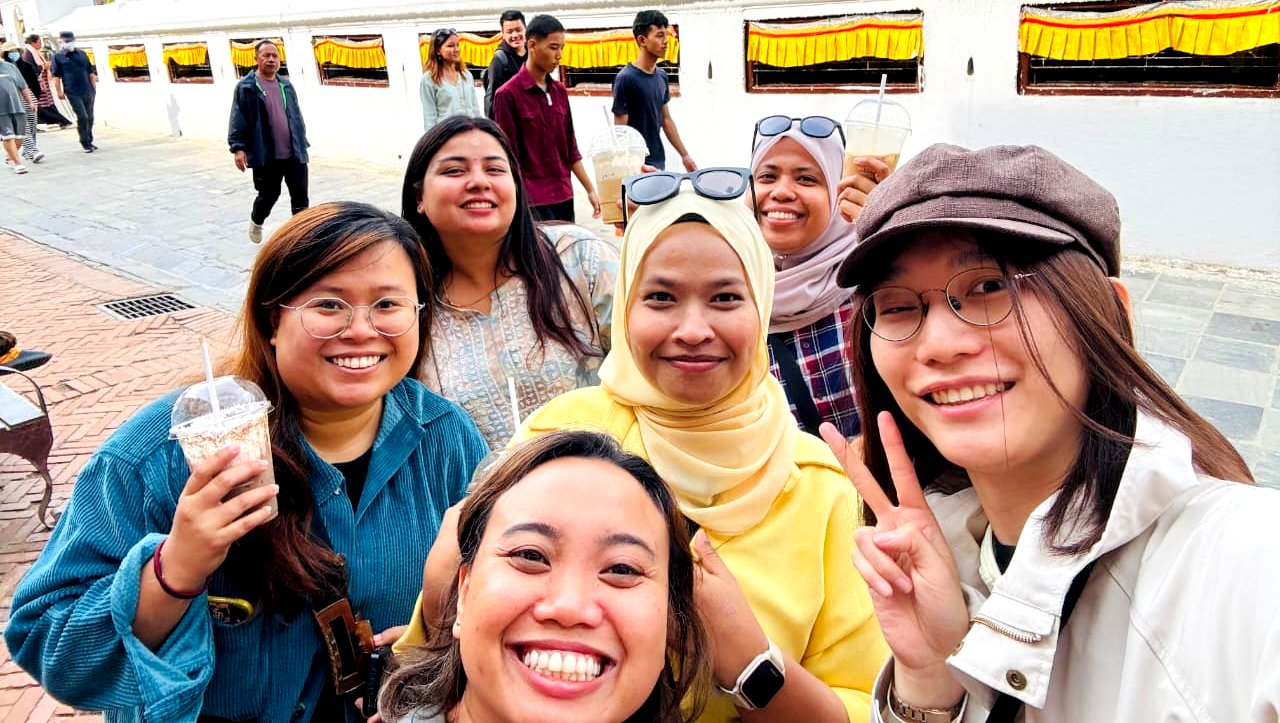
For nervous first-time travelers, their role goes beyond simply showing guests around. They take time to talk with travelers, understand how they are feeling, learn about their interests, and help them become comfortable with the people and places around them.
That personal connection matters. A traveler arriving in Nepal alone may initially feel nervous about meeting a new guide, navigating an unfamiliar culture, or starting a trek with people they have never met. Our guides make an effort to create a friendly, relaxed relationship so guests feel that they have someone they can talk to rather than simply someone leading them from one destination to another.
In many cases, that relationship begins before the trek itself. Getting to know the traveler, understanding their expectations, and answering their questions can help turn first-day nervousness into confidence.
Here are the best tour packages for solo or groups of female travelers to explore Nepal:-
Why Do Our Guests Choose a Female Guide?
Women who request a female guide often appreciate having someone who understands the practical realities of traveling and trekking as a woman while also providing professional local expertise.
That can include:
-
Personal comfort on the trail
-
Local customs and appropriate clothing
-
Accommodation and bathroom facilities
-
Managing personal needs during a trek
-
Communication with local communities
-
Trekking pace and physical comfort
-
Cultural differences
-
Questions they may feel more comfortable asking another woman
A female guide is still a professional trekking guide first. She needs the same route knowledge, mountain awareness, communication skills and emergency preparedness expected of any qualified guide.
For women traveling with Luxury Holidays Nepal, the advantage is having a Nepal-based team that can combine professional trekking knowledge with a friendly and personal approach.
Our Women-Only Treks and Tours in Nepal
For women who want to experience Nepal independently but feel more comfortable traveling with other women, our women-only treks and tours in Nepaloffer a supportive way to explore the country.
Our women-only experiences are designed for travelers who want the adventure of Nepal while sharing the journey with other women and receiving professional support from our local team.
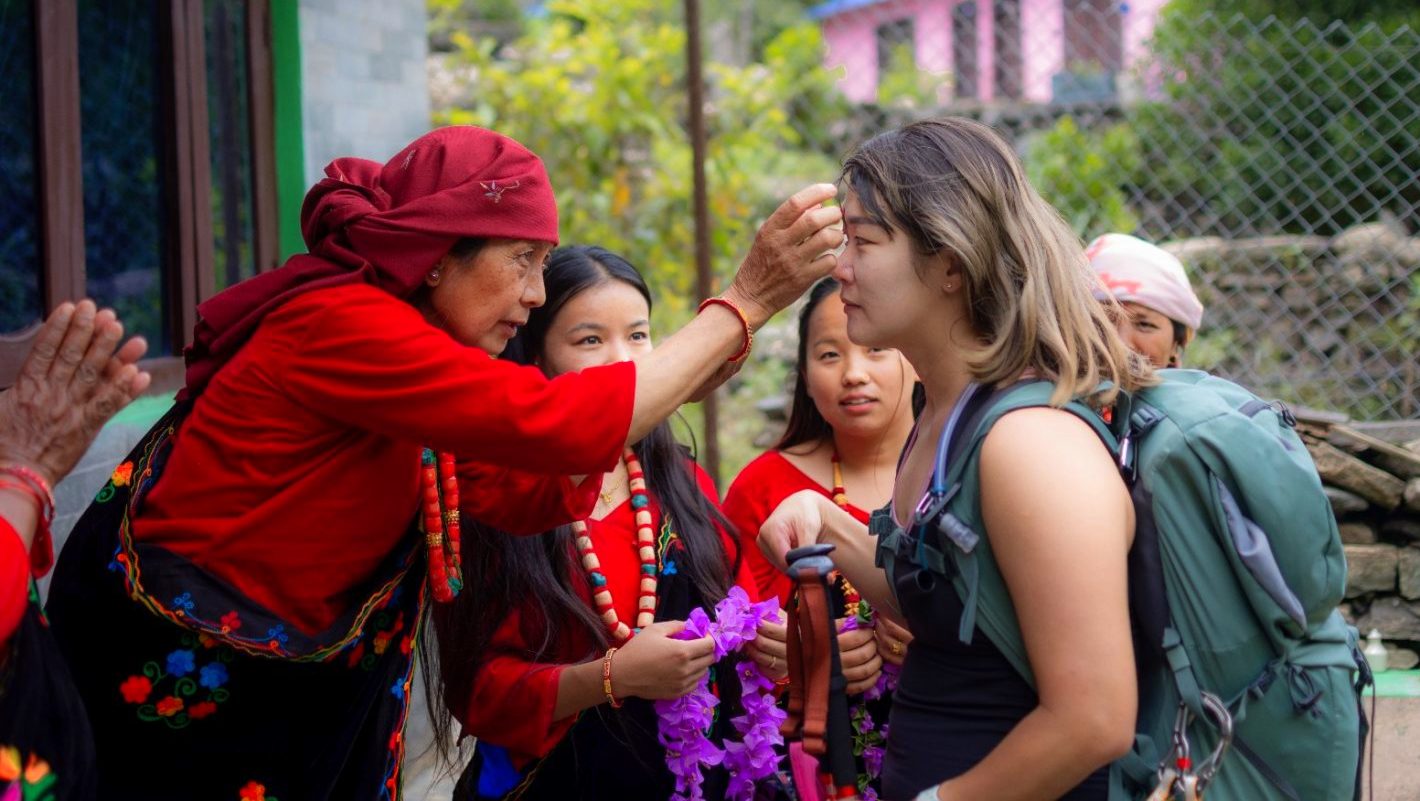
Depending on the itinerary, a women-only journey can combine cultural sightseeing, local experiences and Himalayan trekking. Travelers are supported by professional guides and a Nepal-based operations team that handles the practical details of the journey.
For solo women, this creates a comfortable middle ground. You can make the journey to Nepal independently, spend time exploring Kathmandu or Pokhara, and then join a women-only experience when you want the company and support of other female travelers.
Women may choose these departures because they:
-
Prefer traveling with other women
-
Want the additional comfort of a female guide
-
Are taking their first solo international trip
-
Want to meet other female travelers
-
Feel more comfortable discussing personal concerns with another woman
-
Want professional support while still experiencing Nepal authentically
-
Prefer a small-group environment rather than traveling completely alone
The experience is about more than simply putting women together in a group. Our guides and operations team take time to understand the travelers, help them settle in, and create an environment where guests can feel comfortable asking questions, sharing concerns, and enjoying the journey at their own pace.
Here are the best trekking packages for solo or groups of female travelers to explore Nepal:-
Kathmandu: Is It Safe for a Woman Alone?
Kathmandu is generally manageable for solo women, particularly during the day and in established tourist areas.
Thamel has a large concentration of hotels, restaurants, cafés, travel companies, and international travelers, making it convenient for first-time visitors.
During the day, you can explore cultural sites, markets, cafés, and heritage areas independently. The city's traffic and crowded streets can be more challenging than the actual security situation, so take care when crossing roads and keep your phone and wallet secure in busy areas.
At night, use transportation rather than walking through unfamiliar or isolated streets alone.
If someone approaches you repeatedly, you are not obligated to engage. Step into a shop, hotel or restaurant if necessary.
Pokhara: A Comfortable Base for Solo Women
Pokhara is often one of the easiest places in Nepal for solo female travelers to settle into.
The Lakeside area has numerous hotels, cafés, restaurants, travel agencies, and outdoor activity providers. It also attracts a large international traveler community, making it easy to meet other people.
During the day, you can explore the lakeside, visit viewpoints, enjoy cafés, or arrange outdoor adventures. At night, use the same precautions you would in Kathmandu.
Pokhara is also a popular starting point for Annapurna treks, making it a practical place to meet your guide and finalize arrangements before heading into the mountains.
Solo Female Travel on the Nepalese Trails
The mountains are where safety planning becomes more important.
Trekking involves risks that have little to do with gender. Weather can change quickly, trails can be steep or slippery, altitude can affect experienced hikers, and remote areas may have limited connectivity.
For women traveling alone, having a professional guide provides an additional safety layer.
Before your trek:
-
Check whether your route requires a licensed guide and TIMS.
-
Use a registered trekking agency.
-
Confirm your guide's name and credentials.
-
Share your itinerary with someone at home.
-
Make sure your travel insurance covers trekking and emergency evacuation.
-
Discuss expected walking hours and altitude with your guide.
-
Check weather conditions before departure.
-
Do not ignore symptoms of altitude sickness.
A guide also knows when a trekking plan needs to change. If weather deteriorates or someone becomes unwell, local experience can be invaluable.
What Should Women Wear in Nepal?
You do not need an entirely new wardrobe for Nepal.
The easiest approach is to pack comfortable clothing that can be adapted to different environments.
In Kathmandu and Pokhara: Tourist areas are relatively relaxed. T-shirts, trousers, long skirts and comfortable dresses are practical choices.
In Villages and Religious Sites: Choose more conservative clothing. Cover your shoulders and knees, particularly when entering temples, monasteries, and traditional communities.
While Trekking: Comfort and practicality matter more than fashion. Hiking pants, moisture-wicking shirts, layers, a warm jacket, and suitable footwear are more useful than following a strict dress code.
A simple rule works well: dress more conservatively in traditional or religious settings and more practically on the trail.
12 Practical Safety Tips for Solo Female Travelers in Nepal
1. Choose accommodation carefully: Look for well-reviewed hotels, guesthouses or hostels in established areas. A 24-hour reception, secure room locks and easy transportation access are useful features.
2. Arrange airport pickup for your first arrival: If this is your first visit, pre-arranging an airport transfer can make your arrival much less stressful.
3. Use reputable transportation: Avoid accepting unsolicited rides from strangers. For longer journeys, use established tourist transportation or a trusted private driver.
4. Keep your accommodation details private: You do not need to tell strangers where you are staying or that you are traveling alone.
5. Keep emergency contacts accessible: Save your hotel, trekking company, guide, and insurance details on your phone and keep a written backup.
6. Stay connected: A local SIM, eSIM or reliable mobile data can make navigation and communication much easier. Connectivity can become weaker or disappear completely in remote mountain areas, so download important maps and documents before trekking.
7. Carry a power bank: Electricity and charging access can vary outside major cities. A power bank is particularly useful on trekking routes.
8. Carry some cash: Cards are increasingly useful in tourist areas, but cash remains important in smaller towns and mountain villages.
9. Do not advertise valuables: Keep your passport, cash and electronics secure. Avoid displaying expensive belongings unnecessarily.
10. Trust your instincts: You do not need a dramatic reason to leave a situation. If a person, vehicle, hotel room or meeting feels wrong, remove yourself.
11. Share your itinerary: Send your flight details, accommodation information and trekking itinerary to a trusted person at home.
12. Take altitude seriously: Altitude sickness can affect anyone, regardless of fitness or trekking experience. Follow your guide's advice and report symptoms early.
Getting Around Nepal Alone
It is very possible to travel around independently, but transportation requires patience.
In Kathmandu, traffic can be heavy, and road conditions can be unpredictable. In the mountains, journeys can take much longer than they appear on a map. For solo women, the safest strategy is not necessarily the most expensive one. It is the one where you know who is driving you, where you are going, and how you will get there. For longer journeys, reputable tourist buses, domestic flights, and pre-arranged private transfers can be useful options.
If you are unsure about a local journey, ask your hotel or travel company to arrange transportation rather than accepting an unsolicited offer.
Staying Connected and Handling Emergencies
Before leaving Kathmandu, make sure you have:
-
Your accommodation details
-
Trekking agency contact information
-
Guide's phone number
-
Travel insurance information
-
Emergency contacts
-
Digital copies of your passport and important documents
-
Offline maps
-
A charged power bank
The Nepal Tourism Board operates tourist police services in several locations, including tourist areas of Kathmandu.
For trekking, your guide or trekking agency should be your first point of contact for route problems and emergency coordination.
Should You Travel to Nepal Alone as a Woman?
If Nepal has been on your list but you have been waiting for someone to come with you, you do not necessarily need to keep waiting.
Nepal can work particularly well for solo women because you can combine independent city travel with organized activities, guided trekking, or a women-only departure.
The important thing is to understand what "safe" really means.
It means being comfortable enough to explore while knowing when to be cautious. It means respecting local culture without feeling that you have to change who you are. And in the mountains, it means recognizing that professional support is not a limitation—it can make the experience safer and more enjoyable.
For women who want extra reassurance, traveling with one of our experienced female guides or joining one of our women-only departures can provide that balance between independence and support.
If you are preparing for your first trip, read our guide to getting a Nepal tourist visa.
For the broader question of safety for American visitors, see our Is Nepal Safe for American Tourists guide.
Final Verdict: Is Nepal Safe for Solo Female Travelers?
Yes—Nepal is generally a safe and rewarding destination for solo female travelers who use normal precautions and plan their trekking carefully.
You may encounter unwanted attention, conservative expectations around clothing, transportation challenges and occasional tourist scams. These are real considerations, but they should not automatically prevent you from traveling.
For mountain adventures, follow the current guide and permit requirements, choose a reputable trekking company and consider a female guide if that makes you more comfortable.
Most importantly, remember that solo travel does not mean you have to do everything alone. You can arrive independently, explore Kathmandu and Pokhara at your own pace, meet other travelers, and then choose professional support for the Himalayan portion of your journey.
That flexibility is one of the reasons Nepal works so well for women traveling on their own.
Frequently Asked Questions
Q. Is Kathmandu safe for a woman alone?
A. Yes, Kathmandu is generally safe for solo female travelers, particularly during the day and in established tourist areas. Use normal precautions around crowds, traffic, and unsolicited offers. At night, use trusted transportation rather than walking alone through unfamiliar or isolated streets.
Q. Can women trek alone in Nepal?
A. It depends on the route and current regulations. Nepal requires licensed guides and agency-issued TIMS on many major trekking routes. Restricted areas can have additional requirements. Always check the current rules for your specific trek before departure and arrange your guide through a reputable agency.
Q. Are there female trekking guides in Nepal?
A. Yes. Nepal has many experienced licensed female trekking guides, and Luxury Holidays Nepal works with female guides across different trekking regions. Travelers can request a female-led experience where available, providing professional mountain expertise alongside the comfort of traveling with another woman.
Q. What should women wear in Nepal?
A. Women do not need to dress traditionally, but modest clothing is recommended in villages and religious areas. Covering the shoulders and knees is a useful general guideline. On trekking routes, prioritize comfortable, weather-appropriate hiking clothing and warm layers.
Q. Is Pokhara safe for solo female travelers?
A. Pokhara is generally one of Nepal's more comfortable destinations for solo travelers. Lakeside has many hotels, restaurants and tourism businesses and attracts international visitors. During the day it is easy to explore independently; after dark, use the same precautions you would in any unfamiliar city.
Q. Is Nepal good for a first solo trip?
A. Yes. Nepal can work well for first-time solo travelers because of its established tourism infrastructure and large international traveler community. Women can explore cities independently and then join a guided trek, private itinerary, or women-only departure for the Himalayan portion.
Q. What are the biggest safety concerns for women in Nepal?
A. The most common concerns are unwanted attention, transportation, tourist scams, cultural misunderstandings, and the physical risks associated with trekking and altitude. Remote mountain travel requires more preparation than sightseeing in Kathmandu or Pokhara.
Q. Should I choose a female guide for my Nepal trek?
A. You do not have to, but many women find it reassuring. A female guide can provide professional trekking expertise while making conversations about personal comfort, cultural expectations, and practical issues easier. The most important considerations are experience, licensing, communication skills and professionalism.
If you need any further information, please contact us, Email: at [email protected], Phone: +977-985-100-5129 (WhatsApp)
#Tags

Tripadvisor
5.01152 reviewsGoogle
4.8154 reviewsFacebook
4.1 recommend44 ReviewsTrustpilot
4.1 Great(12 reviews)- Trusted by50K plus traveller