
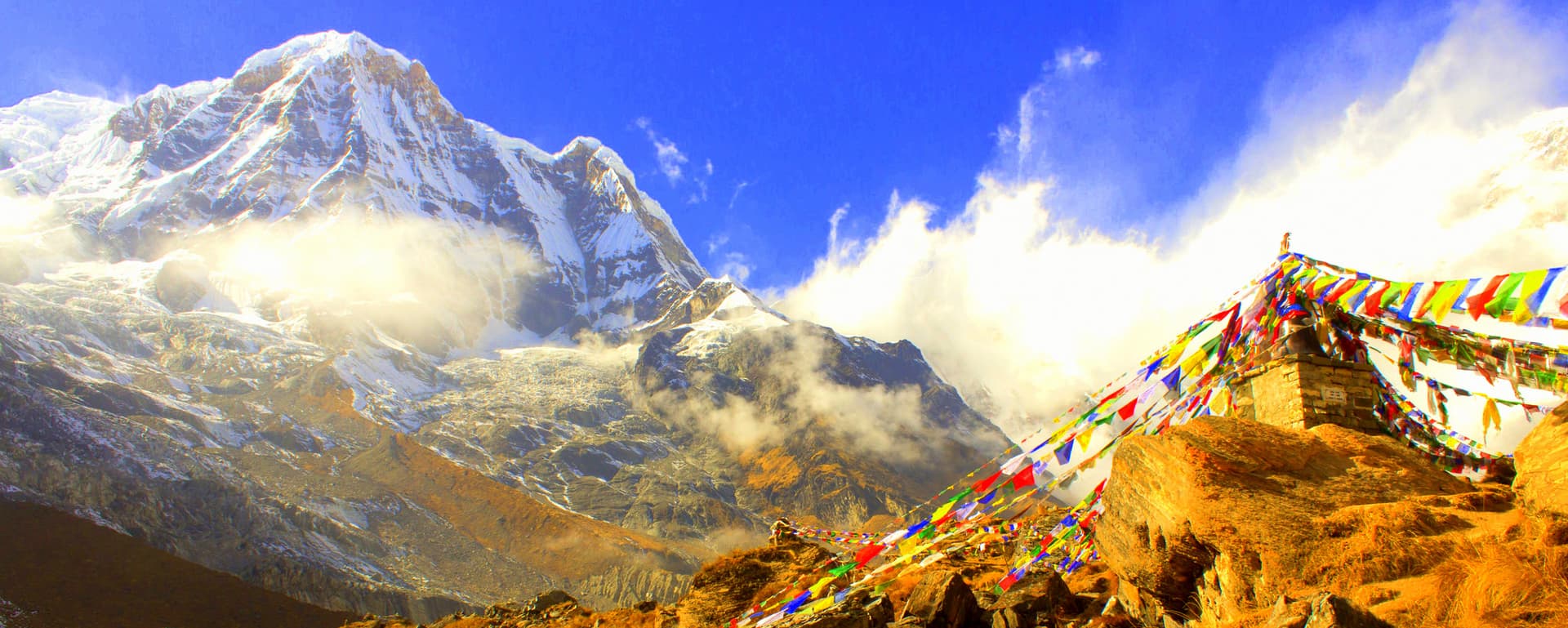
Is Nepal Safe for American Tourists? (2026 Update)
Nepal has long been one of the world's most rewarding travel destinations, attracting thousands of American visitors each year with its breathtaking Himalayan landscapes, rich cultural heritage, ancient temples, diverse wildlife, and unforgettable trekking adventures. Whether you're planning to trek to Everest Base Camp, explore the medieval streets of Kathmandu, enjoy a jungle safari in Chitwan, or experience the peaceful beauty of Pokhara, one question often comes to mind before booking a trip:
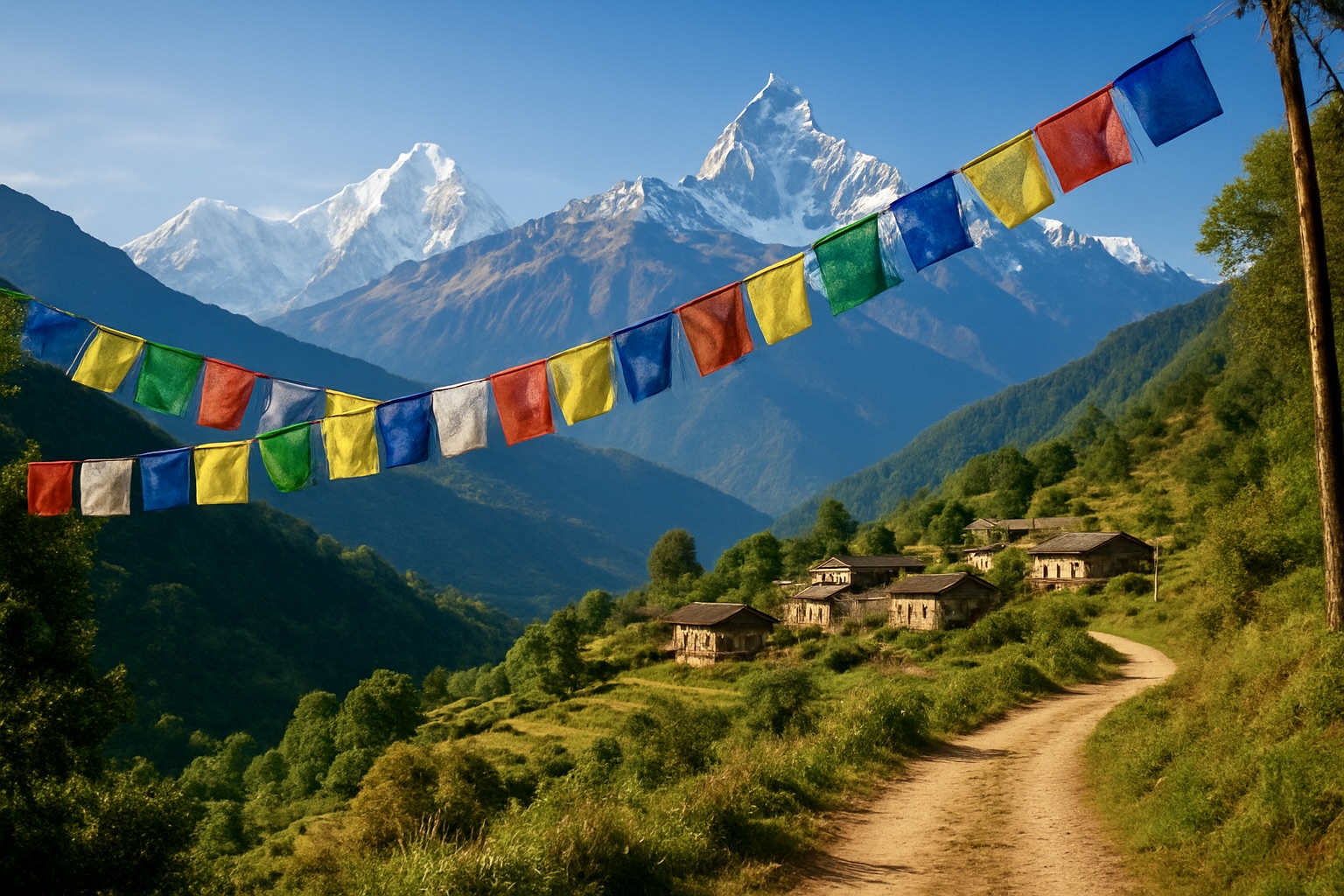
Is Nepal Safe for American Tourists? The Honest 2026 Answer
The short answer is yes. Nepal is generally considered a safe destination for American travelers. Millions of international visitors, including thousands from the United States, travel throughout the country each year without major problems. Like any destination, Nepal has certain risks, but these can usually be avoided through careful planning, common sense, and choosing reliable local operators.
This 2026 safety guide covers everything American travelers need to know before visiting Nepal, including current travel advisories, crime rates, trekking safety, transportation, health concerns, scams to avoid, and practical travel tips.
Is Nepal Safe to Visit in 2026?
Yes. Nepal remains one of the safest and most welcoming destinations in South Asia for international travelers. Every year, thousands of American tourists visit Nepal to trek in the Himalayas, explore ancient UNESCO World Heritage Sites, enjoy jungle safaris, and experience the country's rich culture and warm hospitality. Tourism is one of Nepal's most important industries, and popular destinations are well-equipped to welcome visitors. While no destination is completely risk-free, most trips to Nepal are trouble-free. The main concerns for travelers are petty theft, road conditions, high-altitude trekking, and seasonal weather, all of which can be managed with proper planning. By staying informed, following local advice, and choosing reputable tour operators, American travelers can enjoy a safe and unforgettable journey across Nepal.
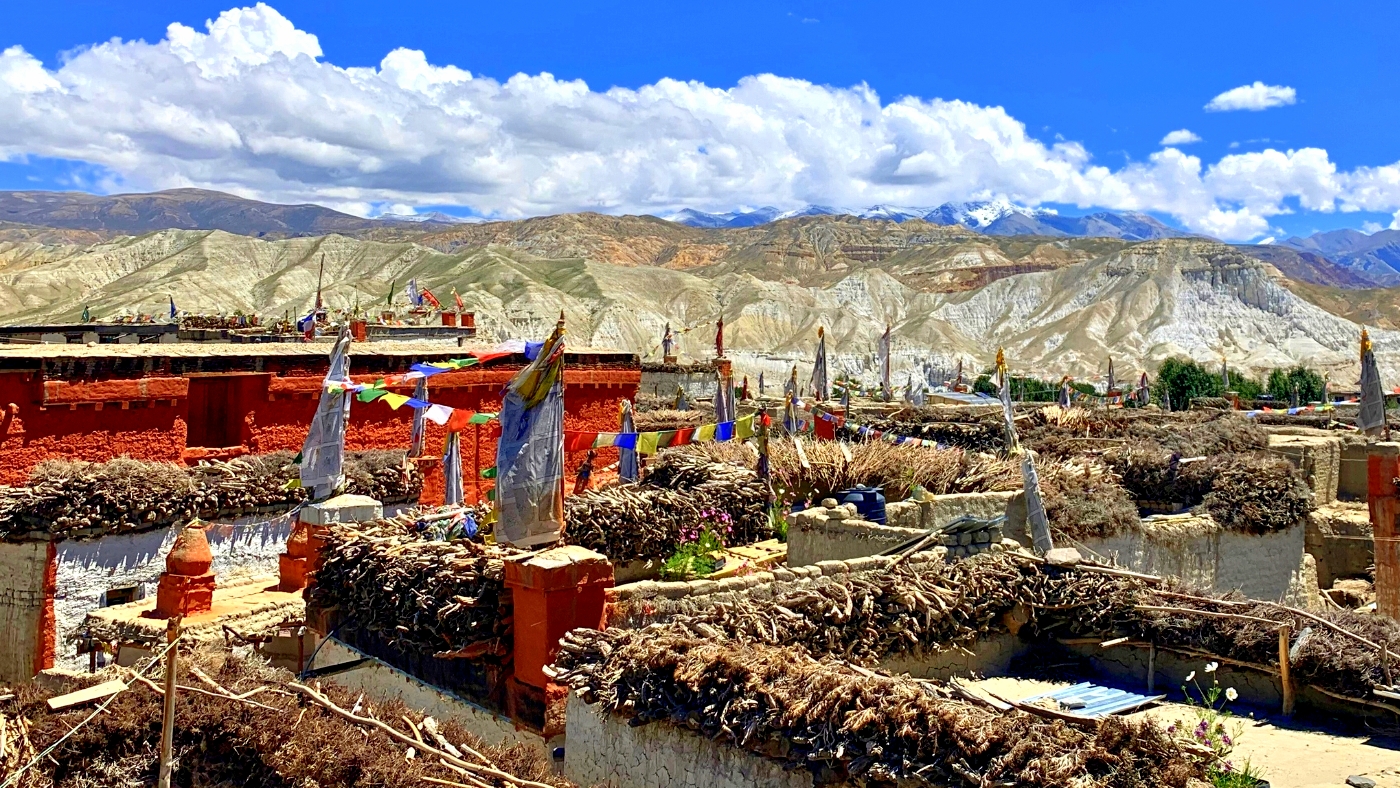
Some of Nepal's most popular tourist destinations include:
-
Kathmandu – Nepal's historic capital, known for its temples, heritage sites, and lively markets.
-
Pokhara – A scenic lakeside city and the gateway to the Annapurna trekking region.
-
Chitwan National Park – Famous for jungle safaris and wildlife, including the one-horned rhino and Bengal tiger.
-
Lumbini – The birthplace of Lord Buddha and an important pilgrimage destination.
-
Everest Region – Home to Mount Everest and the world-famous Everest Base Camp Trek.
-
Annapurna Region – Renowned for diverse trekking trails and breathtaking mountain scenery.
-
Langtang Valley – A beautiful Himalayan valley offering peaceful trekking close to Kathmandu.
-
Mustang – A remote region known for its dramatic landscapes and unique Tibetan-influenced culture.
These destinations have well-developed tourism infrastructure, including comfortable hotels, licensed guides, reliable transportation, and essential visitor services, making travel convenient for international tourists.
Here are some of the best travel packages operated by LHN: -
The most common safety concerns in Nepal include:
-
Petty theft – Pickpocketing may occur in crowded tourist areas, so keep your valuables secure.
-
Road conditions – Mountain roads can be narrow and affected by landslides during the monsoon season.
-
Trekking accidents – Most incidents are linked to poor preparation, bad weather, or trekking without proper guidance.
-
High-altitude sickness – Treks above 2,500 meters require gradual acclimatization to reduce health risks.
-
Seasonal weather – Weather in the Himalayas can change quickly and may affect trekking plans or domestic flights.
Fortunately, these risks are well understood and can be minimized through good preparation, travel insurance, experienced local guides, and sensible precautions. With the right planning, Nepal continues to be a safe and rewarding destination for American travelers in 2026.
U.S. Travel Advisory for Nepal (2026)
Before traveling, American citizens should always check the latest Nepal travel advisory 2026 issued by the U.S. Department of State. The current advisory classifies Nepal as Level 2: Exercise Increased Caution, providing important guidance for travelers planning a visit.
As of the latest 2026 guidance, Nepal is listed under:
Level 2: Exercise Increased Caution
The Nepal travel advisory Level 2 does not mean Americans should avoid Nepal. Instead, it encourages visitors to stay aware of their surroundings and follow normal travel precautions, just as they would in many other popular destinations.
The advisory mainly highlights the following areas of caution:
-
Occasional political protests – Demonstrations can occur in cities like Kathmandu and may temporarily disrupt traffic. Travelers should avoid protest areas and monitor local news.
-
Petty crime – Pickpocketing and bag snatching can happen in crowded tourist areas, markets, and public transportation hubs.
-
Trekking safety – High-altitude trekking requires proper acclimatization, experienced guides, and awareness of changing mountain conditions.
-
Mountain weather – Weather in the Himalayas can change rapidly, sometimes causing trekking challenges or domestic flight delays.
-
Natural disasters – Nepal is prone to earthquakes and seasonal landslides, particularly during the monsoon months.
Despite these considerations, the vast majority of American tourists visit Nepal each year without experiencing any major safety issues. By following official travel advice, using reputable tour operators, and taking sensible precautions, travelers can enjoy a safe and memorable experience throughout the country.
What Changed After the September 2025 Protests?
Many American travelers still ask, "Is Nepal safe after the September 2025 protests?" The short answer is yes. The demonstrations that took place in September 2025 were temporary, localized, and primarily affected traffic and public transportation in parts of Kathmandu. They were not directed at tourists, and Nepal's major trekking regions and popular travel destinations continued to welcome visitors throughout the period.
Since then, the demonstrations have ended, the political situation has stabilized, and tourism across the country has returned to normal. Popular destinations including Kathmandu, Pokhara, Chitwan National Park, the Everest Region, and the Annapurna Region have continued to receive thousands of international visitors.
The strongest confirmation of this recovery came in April 2026, when the U.S. Department of State classified Nepal as Level 2: Exercise Increased Caution. This advisory recognizes that while travelers should remain aware of their surroundings and occasional demonstrations, Nepal is considered a suitable destination for tourism when normal travel precautions are followed.
If you're planning a trip, it's always a good idea to check the latest travel updates before departure. You can also explore our Nepal tour packages and Nepal trekking packages, where our team provides up-to-date travel advice and itinerary support throughout your journey.
How Safe is Kathmandu for Americans?
One of the most common questions visitors ask is, "Is Kathmandu safe for tourists?" The answer is yes. Kathmandu is generally safe during both the day and evening, especially in popular tourist areas. Kathmandu, the capital of Nepal, is the starting point for most American travelers exploring the country. Whether you're visiting UNESCO World Heritage Sites, shopping in local markets, or preparing for a Himalayan trek, the city is generally considered safe for tourists. Popular areas such as Thamel, Lazimpat, Boudha, Patan, and Bhaktapur are well-developed tourist hubs with hotels, restaurants, cafes, and tour operators that welcome international visitors throughout the year.
Like any major city, it's important to stay aware of your surroundings and follow basic safety precautions. The most common issues are minor crimes, such as pickpocketing, particularly in crowded places.
To stay safe while exploring Kathmandu:
-
Keep your valuables secure, especially in busy tourist areas.
-
Avoid displaying expensive jewelry, cameras, or large amounts of cash.
-
Store passports and important documents in your hotel safe whenever possible.
-
Stay alert in crowded markets and public transportation areas.
-
Use licensed taxis or trusted ride-hailing services for transportation.
-
Avoid walking alone in poorly lit or unfamiliar areas late at night.
Violent crime against tourists is rare in Kathmandu, and most visitors enjoy a safe and pleasant stay. By taking simple precautions and respecting local customs, American travelers can confidently explore the city's rich history, vibrant culture, and famous landmarks.
Is Trekking in Nepal Safe?
Is it safe to trek in Nepal? Yes. Trekking is one of the biggest reasons Americans visit Nepal, and with proper planning, licensed guides, and gradual acclimatization, it is considered safe for most travelers.
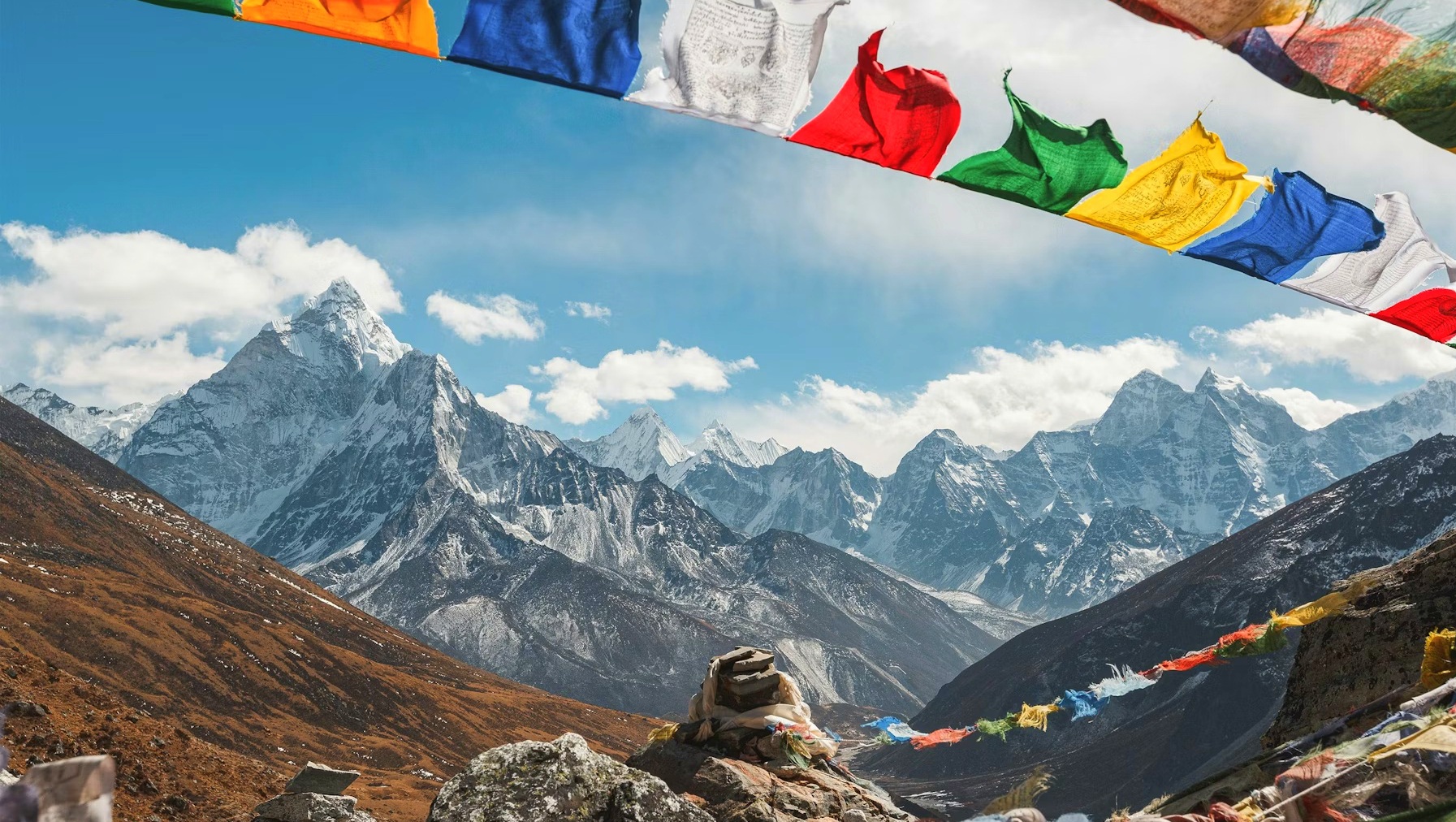
Some of the most popular trekking routes include:
-
Everest Base Camp Trek
-
Annapurna Circuit Trek
-
Annapurna Base Camp Trek
-
Mardi Himal Trek
-
Langtang Valley Trek
-
Manaslu Circuit Trek
-
Ghorepani Poon Hill Trek
While crime is rarely a concern on these trails, the biggest risks come from Nepal's natural environment. High altitudes, unpredictable mountain weather, and challenging terrain require proper preparation and responsible trekking practices.
Here are some of the best Nepal treks operated by LHN: -
The most common trekking risks include:
Altitude Sickness: One of the biggest challenges while trekking in Nepal is Acute Mountain Sickness (AMS), which can affect anyone traveling above 2,500 meters, regardless of age or fitness level. Recognizing the symptoms early and taking them seriously is essential for a safe trek.
Common symptoms include:
-
Headache
-
Nausea
-
Fatigue
-
Dizziness
-
Difficulty sleeping
The best ways to prevent altitude sickness are to ascend gradually, include acclimatization days in your itinerary, stay well-hydrated, and avoid rushing to higher elevations.
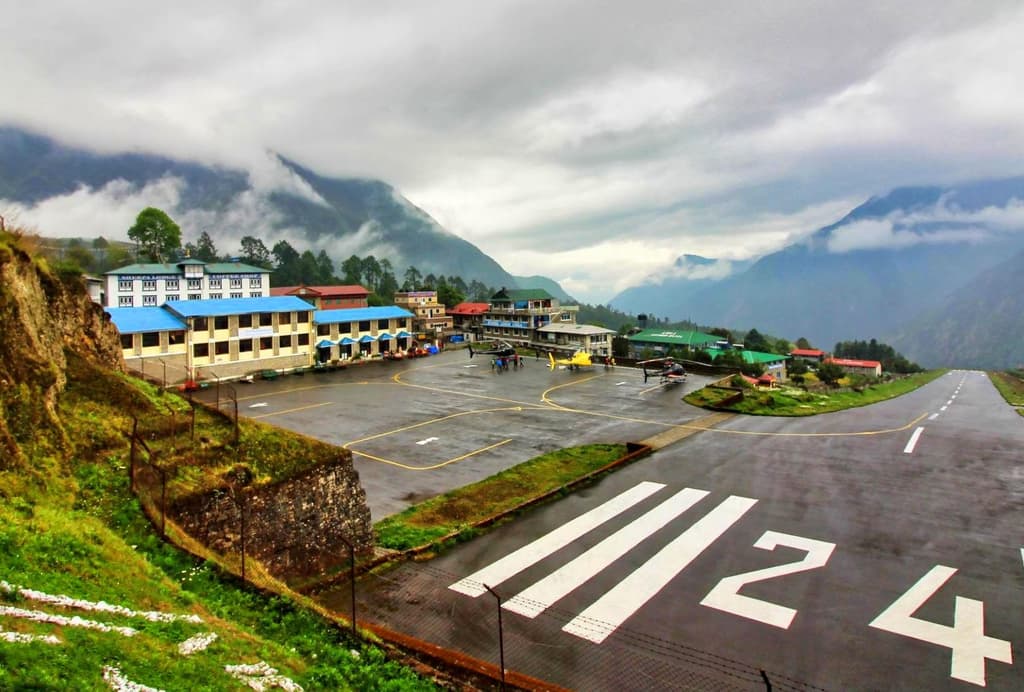
Weather Conditions: Weather in the Himalayas can change rapidly, even during the peak trekking seasons. Heavy snowfall, rain, strong winds, or thick fog may affect trail conditions and cause delays or cancellations of domestic flights, especially those to and from Lukla.
It's always a good idea to include one or two extra buffer days in your itinerary to accommodate unexpected weather-related changes.
Trek with Experienced Guides: Hiring a licensed local guide is one of the best ways to improve your safety while trekking in Nepal. Experienced guides understand the terrain, monitor your health, keep track of weather conditions, and know how to respond in emergencies.
A professional guide can help you by:
-
Monitoring your health and watching for altitude sickness.
-
Navigating trails safely and avoiding potential hazards.
-
Arranging accommodations and daily logistics.
-
Responding quickly in case of emergencies.
-
Coordinating helicopter evacuation if medical assistance is required.
With proper preparation, experienced guides, and responsible trekking practices, most visitors complete their Himalayan adventure safely while enjoying one of the world's most unforgettable trekking experiences.
Are Helicopter Tours in Nepal Safe?
For many travelers, especially those with limited time or concerns about long mountain treks, helicopter tours are one of the safest and most comfortable ways to experience the Himalayas when operated by reputable companies.
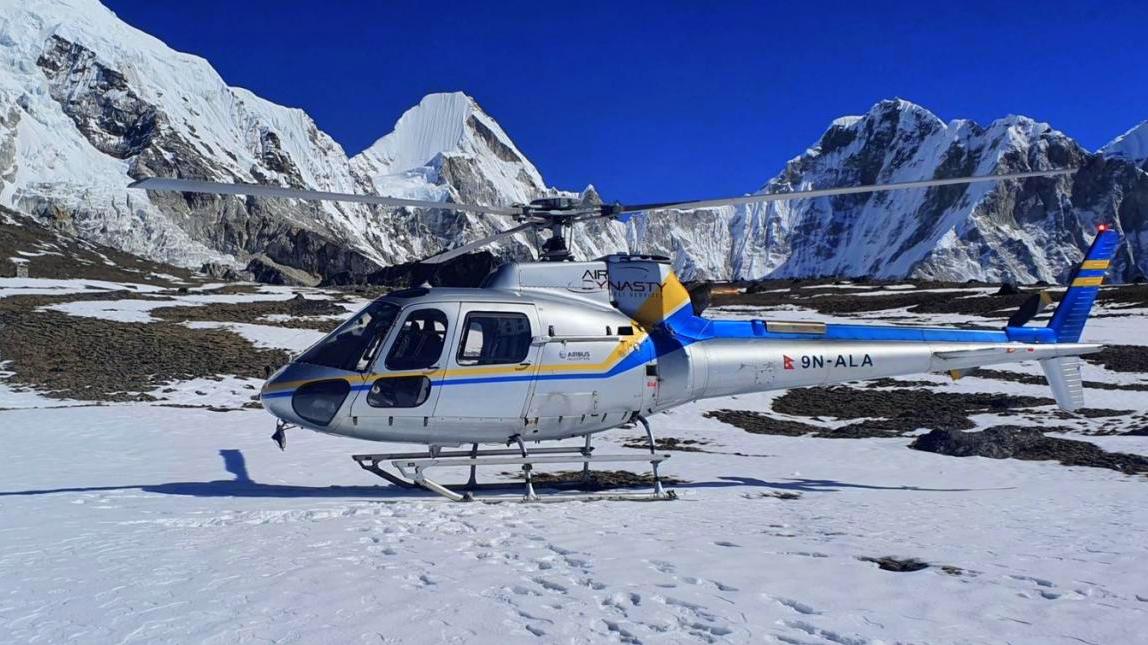
Nepal's helicopter tourism industry is regulated by the Civil Aviation Authority of Nepal (CAAN), and licensed operators must follow strict aviation safety standards. Before choosing a helicopter tour, it's worth understanding how reputable operators manage safety.
How Reputable Helicopter Tour Operators Keep You Safe
Professional operators reduce risk through several important measures:
Licensed and Vetted Helicopter Partners: Established travel companies work only with CAAN-certified helicopter operators that maintain strong safety records and experienced flight crews. This ensures that every aircraft meets Nepal's aviation regulations before carrying passengers.
Regular Aircraft Maintenance: Commercial helicopters undergo routine inspections, scheduled maintenance, and mandatory safety checks. Aircraft are serviced by qualified engineers according to manufacturer recommendations and aviation regulations, helping ensure they remain in excellent operating condition.
Strict Weather Protocols: Mountain weather can change rapidly in the Himalayas, making weather monitoring one of the most important parts of helicopter operations. Flights are never guaranteed simply because they are scheduled. If visibility, wind conditions, or cloud cover fall below safe operating limits, flights are delayed, rescheduled, or canceled. While this may occasionally affect travel plans, these decisions prioritize passenger safety above all else.
Experienced Mountain Pilots: Pilots flying in Nepal's Himalayan regions receive specialized training for high-altitude operations and have extensive experience navigating mountain terrain. Their familiarity with changing weather patterns, valley winds, and high-elevation landing sites is a key part of maintaining safe operations.
Whether you're taking an Everest Base Camp helicopter tour, an Annapurna Base Camp helicopter tour, or a scenic mountain flight, choosing an experienced operator that follows these safety practices significantly reduces travel risks.
Here are some of the best helicopter tours operated by LHN: -
Crime in Nepal
Nepal is generally considered a safe destination for tourists, Simple precautions, such as keeping valuables secure and using trusted transportation, are usually all that's needed while exploring the city.
The most common issues include:
Pickpocketing
Pickpocketing is the most common crime affecting tourists and usually occurs in crowded places such as:
-
Thamel
-
Bus stations
-
Local markets
-
Festivals and public events
Keep your passport, cash, phone, and other valuables secure, and avoid carrying large amounts of cash while sightseeing.
Bag Snatching: Although relatively rare, bag snatching can happen in busy areas. Carry your backpack or handbag in front of you when walking through crowded streets, and avoid keeping valuables in easily accessible outer pockets.
ATM Fraud: When withdrawing money, use ATMs located inside banks or reputable financial institutions whenever possible. Before inserting your card, inspect the machine for any unusual attachments and cover the keypad while entering your PIN.
Overall, exercising the same level of caution you would in any major tourist destination is usually enough to keep your trip safe and enjoyable.
Common Tourist Scams
While Nepal is generally a safe destination, travelers may occasionally encounter minor scams in popular tourist areas. These are usually more inconvenient than dangerous and can be easily avoided by staying alert and using trusted services.
Fake Tour Operators: Some unregistered operators may offer unusually cheap trekking or tour packages that lack proper permits, experienced guides, or safety standards. Always book with a licensed and reputable trekking or tour company that has verified customer reviews and transparent pricing.
Overpriced Taxi Rides: Some taxi drivers may quote higher fares to tourists, especially near airports or busy tourist areas. To avoid overpaying, agree on the fare before your journey or ask the driver to use the meter whenever available. Ride-hailing apps can also be a convenient alternative in Kathmandu.
Fake Trekking Permits: Only obtain trekking permits through authorized government offices or registered trekking agencies. Avoid individuals offering unofficial permits or shortcuts, as these may not be valid and could create problems during your trek.
Street Sellers and Unwanted Offers: In busy tourist areas, you may encounter persistent street vendors or individuals offering souvenirs, tours, or other services. If you're not interested, simply smile, politely decline, and continue walking without engaging in lengthy conversations.
Booking through reputable businesses and confirming prices in advance can help you avoid most common tourist scams.
Transportation Safety
Transportation is often considered one of the biggest safety challenges in Nepal, particularly in remote mountain regions. While getting around the country is generally safe, road conditions and changing weather can sometimes affect travel plans. Allowing extra travel time and choosing experienced transport providers can make journeys more comfortable and reliable.
Road Conditions
Road travel in Nepal, especially in hilly and mountainous areas, can be challenging. Many roads are:
-
Narrow
-
Steep
-
Winding
-
Occasionally affected by landslides during the monsoon season
For long-distance travel, it's best to use experienced drivers or book transportation through reputable tour operators who prioritize vehicle maintenance and passenger safety.
Domestic Flights: Domestic flights are the fastest way to reach many trekking regions, including mountain airports such as Lukla, but they are highly dependent on weather conditions. Fog, strong winds, and poor visibility can lead to delays or cancellations, particularly during the monsoon and winter seasons.
To avoid unnecessary stress, always include one or two extra buffer days in your itinerary before your international flight home. This flexibility can help accommodate unexpected weather-related changes without affecting your overall travel plans.
Is Nepal Safe for Solo American Travelers?
Nepal safety for solo travelers is generally very good. Thousands of solo travelers, including many Americans, visit Nepal every year to explore its cities, national parks, and Himalayan trekking routes without problems.
Whether you're exploring cultural landmarks or trekking in the Himalayas, following a few basic safety precautions will help ensure a smooth and worry-free experience.
Solo travelers should:
-
Share your travel itinerary with family or friends back home.
-
Stay connected by purchasing a local SIM card or portable Wi-Fi device.
-
Choose reputable hotels, guesthouses, and trekking agencies with positive reviews.
-
Avoid walking alone in isolated or poorly lit areas after dark.
-
Trust your instincts and leave any situation that feels uncomfortable.
Nepal's established tourist infrastructure and popular trekking routes make independent travel straightforward for many visitors.
Is Nepal Safe for American Women?
Yes. Nepal is widely considered one of the safer destinations in South Asia for female travelers. Every year, many American women visit Nepal on their own or in small groups to explore its cultural heritage, trek in the Himalayas, and experience its warm hospitality. While most trips are safe and enjoyable, following a few practical precautions can make your journey even more comfortable.
Helpful safety tips include:
-
Dress respectfully, particularly when visiting temples, monasteries, and rural villages.
-
Avoid walking alone in isolated or poorly lit areas late at night.
-
Hire licensed guides when trekking in remote mountain regions.
-
Stay in well-reviewed hotels or guesthouses with good security and positive traveler feedback.
-
Use trusted transportation services and keep family or friends informed of your travel plans.
Nepalese people are generally friendly and respectful toward visitors, and female travelers often describe Nepal as a welcoming destination. By using common sense and taking basic safety precautions, American women can confidently enjoy everything Nepal has to offer.
Is Nepal Safe for Families?
Absolutely. Nepal is a safe and rewarding destination for American families seeking a mix of culture, nature, and adventure. With welcoming locals, family-friendly accommodations, and a wide range of activities suitable for all ages, Nepal offers memorable experiences for both parents and children.
Some of the best family-friendly destinations include the following:
-
Kathmandu – Explore ancient temples, UNESCO World Heritage Sites, and cultural attractions.
-
Pokhara – Enjoy peaceful lakes, scenic mountain views, boating, and easy family activities.
-
Chitwan National Park – Experience exciting jungle safaris and spot wildlife such as rhinos, elephants, and a variety of bird species.
-
Lumbini – Discover the birthplace of Lord Buddha and enjoy its peaceful gardens and monasteries.
Many hotels in Nepal offer spacious family rooms, child-friendly facilities, and flexible meal options. Private tours and guided experiences also make traveling with children easier by allowing families to move at their own pace.
With proper planning and age-appropriate activities, Nepal is an excellent destination where families can safely create unforgettable memories together.
Health and Medical Safety
Nepal offers good private healthcare facilities in major cities such as Kathmandu and Pokhara, where travelers can access quality medical care for most common illnesses and emergencies. However, medical services become more limited in remote trekking regions, making it important to prepare before your trip.
If you're planning a trek in the Himalayas, it's strongly recommended to purchase comprehensive travel insurance that includes emergency medical treatment and helicopter evacuation, as air rescue may be necessary in cases of serious altitude sickness or injury.
Before traveling to Nepal, you should:
-
Consult your doctor about recommended vaccinations and any pre-existing medical conditions.
-
Bring enough prescription medications for the entire trip, along with copies of your prescriptions.
-
Carry a basic first-aid kit with essentials such as pain relievers, bandages, antiseptic wipes, and altitude sickness medication if advised by your doctor.
With proper preparation and the right travel insurance, most health-related risks can be managed effectively, allowing you to enjoy your trip with greater peace of mind.
Food and Water Safety
Nepali cuisine is one of the highlights of visiting Nepal, offering a variety of flavorful dishes influenced by Himalayan, Tibetan, and South Asian traditions. While food in tourist areas is generally safe, travelers should follow a few simple precautions to avoid stomach-related illnesses during their trip.
For drinking water, choose:
-
Bottled water
-
Boiled water
-
Properly filtered or purified water
It's best to avoid untreated tap water, especially if you're not accustomed to local water sources.
When dining out, choose clean and reputable restaurants and opt for freshly cooked meals whenever possible. Hot, freshly prepared food is generally the safest option.
Some popular Nepali dishes worth trying include:
-
Dal Bhat – Nepal's traditional meal of rice, lentil soup, vegetables, and curry.
-
Momo – Delicious steamed or fried dumplings filled with meat or vegetables.
-
Thukpa – A comforting Himalayan noodle soup.
-
Newari Cuisine – Traditional dishes from the Kathmandu Valley known for their rich flavors.
-
Sel Roti – A sweet, ring-shaped rice bread often enjoyed during festivals.
By being mindful of food and water choices, most travelers can enjoy Nepal's diverse culinary experiences without any major health concerns.
Natural Disaster Risks
Nepal is located in the Himalayan region and is naturally prone to certain geological and weather-related hazards. While these events are not common enough to affect most travelers, it's important to be aware of the potential risks and follow local advice, especially if you're trekking or traveling during the monsoon season.
Earthquakes: Nepal lies in an active seismic zone, making earthquakes a natural risk. Although major earthquakes are rare, travelers should familiarize themselves with emergency procedures and follow instructions from local authorities or hotel staff if an earthquake occurs.
Landslides: Landslides are most likely during the monsoon season (June to August), particularly on mountain roads and rural highways. Heavy rainfall can occasionally cause road closures or travel delays, so it's advisable to check the weather and road conditions before traveling.
Avalanches: Avalanches can occur in high Himalayan regions during winter and early spring, especially after heavy snowfall. Trekkers and climbers should always follow local weather forecasts, listen to their guides, and avoid entering high-risk areas during unfavorable conditions.
Although these natural hazards exist, they rarely impact most tourists. Staying informed, monitoring weather forecasts, and following the guidance of experienced local guides will help ensure a safe and enjoyable trip throughout Nepal.
Cultural Etiquette and Local Customs
Respecting Nepal's local customs and traditions not only shows appreciation for the country's rich cultural heritage but also helps create positive interactions with local people. Nepal is home to diverse ethnic communities and deeply rooted religious traditions, so being mindful of cultural etiquette will enhance your overall travel experience.
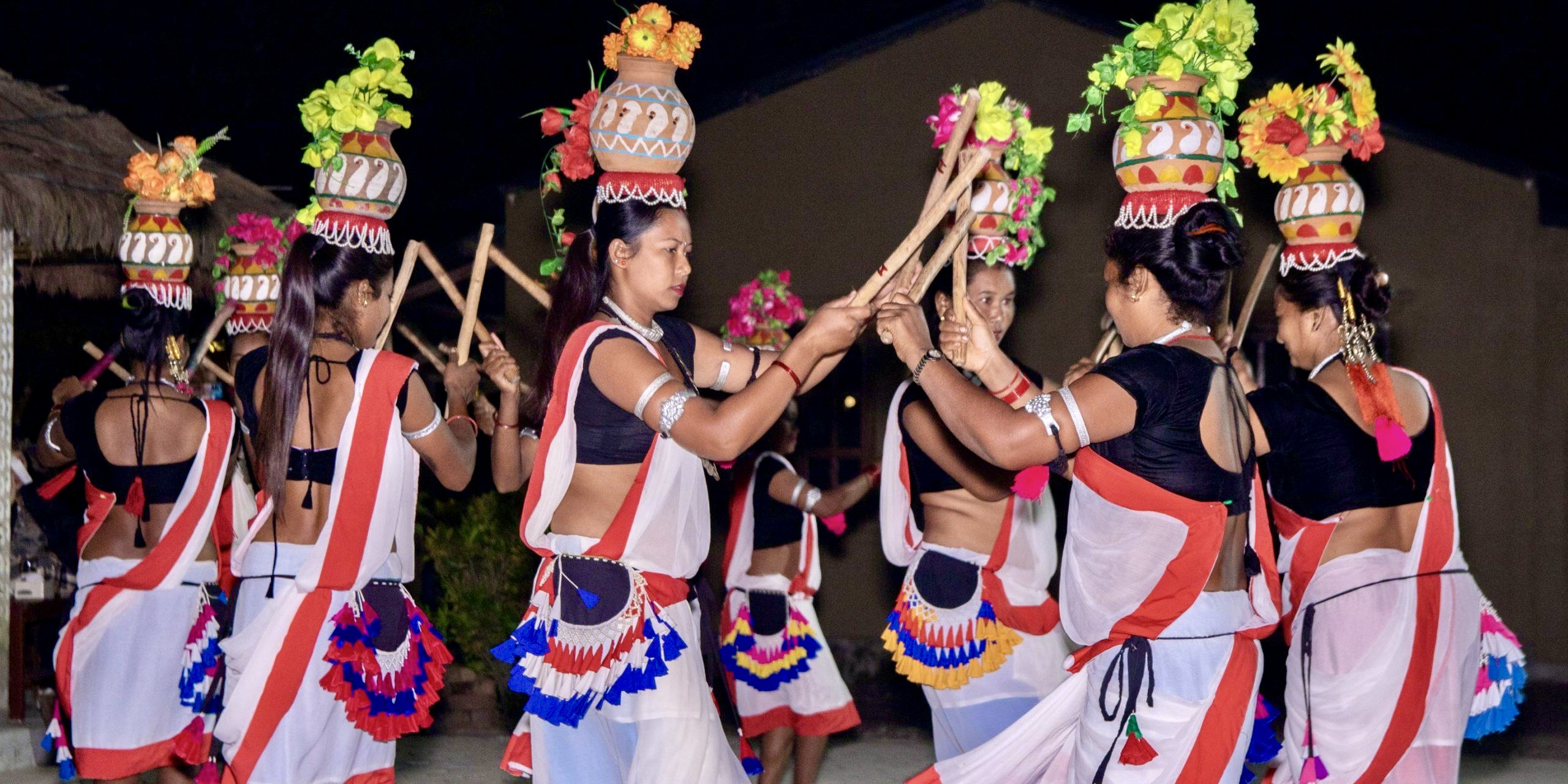
When visiting Nepal, remember to:
-
Remove your shoes before entering temples, monasteries, and many traditional homes.
-
Dress modestly when visiting religious sites by covering your shoulders and knees.
-
Ask for permission before photographing local people, especially monks and those in rural communities.
-
Walk clockwise around Buddhist stupas, prayer wheels, and monasteries as a sign of respect.
-
Avoid touching someone's head, as it is considered the most sacred part of the body in Nepalese culture.
-
Use your right hand when giving or receiving money, food, or gifts, as it is regarded as the polite and respectful custom.
Nepalese people are known for their warmth and hospitality, and even small gestures of cultural respect are greatly appreciated. By observing local customs, you'll build meaningful connections and enjoy a more authentic and rewarding travel experience.
How a Luxury Tour Operator Removes Most of the Risk
Many of the challenges travelers associate with Nepal—such as mountain transportation, unpredictable weather, or high-altitude trekking—can be significantly reduced by traveling with an experienced local operator. A well-planned itinerary and knowledgeable support team allow you to focus on enjoying your trip rather than managing unexpected situations.
At Luxury Holidays Nepal, safety is built into every stage of the journey. We help reduce travel risks by providing:
-
Private transportation, offering a safer, more comfortable alternative to crowded public buses on long road journeys.
-
Experienced, licensed trekking guides trained in altitude sickness awareness, first aid, and emergency response, who monitor guests throughout the trek.
-
Carefully vetted helicopter partners that operate certified aircraft, employ experienced mountain pilots, and follow strict maintenance and weather safety procedures.
-
24/7 operational support, ensuring assistance is available if flights are delayed, weather conditions change, or travel plans need to be adjusted.
-
Emergency evacuation coordination, working closely with helicopter providers and travel insurance companies to arrange rapid assistance if required.
-
Thoughtfully designed itineraries that include proper acclimatization days, quality accommodations, and realistic travel schedules to help reduce fatigue and altitude-related risks.
Choosing an experienced operator doesn't eliminate every challenge that comes with mountain travel, but it does provide professional planning, local expertise, and continuous support throughout your journey. Whether you're joining a luxury trek, a private cultural tour, or an Everest helicopter luxury tour experience, having an experienced team behind you allows you to travel with greater confidence and peace of mind.
Essential Safety Tips for American Tourists
A little preparation goes a long way in ensuring a safe and enjoyable trip to Nepal. By planning ahead, staying informed, and following local advice, American travelers can confidently explore the country's stunning mountains, vibrant cities, and cultural landmarks with peace of mind.
Before Your Trip
Take these important steps before traveling to Nepal:
-
Purchase comprehensive travel insurance that includes medical expenses, adventure activities, and emergency helicopter evacuation if you plan to trek.
-
Register your trip with the U.S. Smart Traveler Enrollment Program (STEP) to receive travel updates and make it easier for the U.S. Embassy to contact you in an emergency.
-
Keep digital and printed copies of your passport, visa, travel insurance, flight tickets, and other important documents.
-
Save emergency contact numbers, including your hotel, tour operator, travel insurance provider, and the U.S. Embassy in Nepal.
During Your Trip
Following a few simple precautions can help you stay safe throughout your journey:
-
Stay updated on weather forecasts, especially if you're trekking or taking domestic flights.
-
Listen to your guide's advice and follow local safety recommendations during tours and treks.
-
Avoid trekking alone in remote mountain regions and stay on marked trails.
-
Carry enough cash when traveling to rural or high-altitude areas, as ATMs and card payment facilities may be limited.
-
Respect local customs and traditions to enjoy positive interactions with local communities.
By following these practical safety tips and using common sense, most American travelers enjoy a safe, comfortable, and unforgettable experience in Nepal.
Why Thousands of Americans Continue Visiting Nepal
Despite its mountainous terrain and developing infrastructure, Nepal remains one of the most popular travel destinations for American visitors seeking adventure, culture, and unforgettable natural beauty. Every year, thousands of travelers from the United States choose Nepal for experiences that are difficult to find anywhere else in the world. From the towering Himalayas to ancient temples and vibrant local traditions, Nepal offers a unique combination of excitement, spirituality, and warm hospitality.
Some of the top reasons Americans continue to visit Nepal include:
-
World-class trekking routes, including the iconic Everest Base Camp and Annapurna trails.
-
spectacular Himalayan mountain landscapes featuring eight of the world's ten highest mountains.
-
Rich cultural heritage with centuries-old traditions, festivals, and diverse ethnic communities.
-
UNESCO World Heritage Sites, including historic temples, palaces, and sacred monuments.
-
Warm Nepalese hospitality, with friendly locals known for welcoming visitors.
-
Excellent value for money makes Nepal an affordable destination for a wide range of travelers.
-
Exciting wildlife safaris in Chitwan and Bardia National Parks, home to rhinos, Bengal tigers, and elephants.
-
Spiritual experiences, from Buddhist monasteries to Hindu pilgrimage sites such as Pashupatinath and Lumbini.
-
Adventure activities include trekking, mountain climbing, rafting, paragliding, bungee jumping, and helicopter tours.
-
unique mountain adventures that leave lasting memories and inspire many visitors to return.
Many American visitors return because Nepal offers a unique combination of outdoor adventure, cultural heritage, and diverse landscapes, all within a relatively compact and easy-to-explore destination.
Frequently Asked Questions
Q: Is Nepal safe for American tourists in 2026?
A. Yes. Nepal is generally considered safe for American tourists who take normal travel precautions and plan responsibly.
Q: Is Kathmandu safe at night?
A. Popular tourist areas such as Thamel are usually safe, but travelers should avoid isolated streets late at night and use licensed transportation.
Q: Can Americans trek independently in Nepal?
Some trekking regions allow independent trekking, while others require licensed guides. Even when not required, hiring an experienced guide is strongly recommended for safety.
Q: Is altitude sickness dangerous?
It can become serious if ignored. Proper acclimatization, hydration, and descending when symptoms worsen are essential.
Q: Is travel insurance necessary?
A. Yes. Comprehensive travel insurance with emergency medical and helicopter evacuation coverage is strongly recommended.
Q: Is Nepal expensive for Americans?
A. No. Nepal offers excellent value for money compared to many international destinations, with accommodations, food, transportation, and guided tours available across a wide range of budgets.
Q: Are Nepalese people friendly to Americans?
A. Yes. Nepal is well known for its warm hospitality, and visitors from the United States are generally welcomed with friendliness and respect.
Q: Is it safe to drink tap water in Nepal?
A. No. Travelers should drink bottled, boiled, or properly filtered water to reduce the risk of waterborne illnesses.
Q: Is it safe to trek to Everest Base Camp?
A. Yes. The Everest Base Camp Trek is safe for most travelers when completed with proper acclimatization, a licensed guide, and good preparation. The main risks are altitude sickness and changing mountain weather rather than crime.
Q: What should I do in an emergency?
A. Contact local emergency services, inform your embassy if necessary, and reach out to your travel insurance provider or tour operator for assistance. If trekking, follow your guide's instructions and seek medical help immediately for serious health concerns.
Q: Is Nepal safe after the September 2025 protests?
A: Yes. The September 2025 demonstrations have ended, the situation has stabilized, and tourism has returned to normal. The April 2026 U.S. Department of State Level 2 advisory confirms Nepal remains a safe destination when travelers follow normal precautions.
Q: Do I need travel insurance for Nepal?
A: Yes. Comprehensive travel insurance is strongly recommended, especially if you plan to trek. Choose a policy that covers medical treatment, trip cancellations, and emergency helicopter evacuation.
Q: What is the safest time to visit Nepal?
A: Spring (March–May) and autumn (September–November) are the safest and most popular seasons, offering stable weather, clear mountain views, and ideal conditions for trekking, sightseeing, and helicopter tours.
Final Thoughts
Nepal remains one of the most welcoming and rewarding destinations for American travelers in 2026. From the towering peaks of the Himalayas to the vibrant streets of Kathmandu and the tranquil jungles of Chitwan, the country offers unforgettable experiences for adventurers, culture lovers, families, and solo explorers alike.
While no destination is entirely risk-free, Nepal is generally safe for visitors who exercise common sense, stay informed, and prepare appropriately for their activities. Choosing reputable local tour operators, respecting local customs, and following basic safety guidelines can help ensure a smooth and memorable journey.
Whether you're dreaming of trekking to Everest Base Camp, exploring ancient temples, spotting wildlife on safari, or simply enjoying the warmth of Nepalese hospitality, you'll find that Nepal is a destination where incredible adventures and genuine cultural connections await.
If you need any further information, please contact us, Email: at [email protected], Phone: +977-985-100-5129 (WhatsApp)
#Tags

Tripadvisor
5.01110 reviewsGoogle
4.8154 reviewsFacebook
4.1 recommend44 ReviewsTrustpilot
4.1 Great(12 reviews)- Trusted by50K plus traveller