Hurry Up! 40% Off Adventure Trips!
Free Airport Transfers on All Luxury Trips
Last-Minute Deals! Save Big!
View Deals
Luxury Holidays Nepal Pvt. Ltd.
+977 9851005129Group Join
    • luxury nepal tour with everest flight
    • luxury nepal tour with everest and lumbini
    • everest heli kathmandu and pokhara luxury tour
    • everest helicopter with luxury nepal tour
    • everest heli with kathmandu pokhara and birthplace of buddha
    • kathmandu and chitwan tour with dhulikhel
    • family tour in nepal
    • honeymoon in nepal
    • destination wedding in nepal
    • nepal tour with dhampus sarangkot trek
    • luxury nepal tour with everest scenic flight
    • luxury everest base camp heli trek
    • luxury everest view trek
    • luxury everest base camp trek
    • luxury tour with dhampus trek
    • annapurna luxury trek
    • upper mustang heli trek
    • vvip everest base camp luxury trek
    • ghorepani poon hill luxury trek
    • everest base camp and gokyo lakes luxury helicopter trek
    • luxury trekking in nepal with pokhara and dhulikhel
    • everest view luxury heli trek
    • annapurna base camp helicopter landing tour
    • langtang helicopter tour
    • upper mustang helicopter tour
    • everest and gokyo helicopter tour
    • everest for breakfast
    • everest heli tour
    • everest base camp helicopter tour with kala patthar gokyo lake
    • core values
    • our fleet
    • refund and cancellation
    • terms conditions
    • why luxury holidays
    • our team
    • legal documents
    • how to book a trip
    • work with luxury holidays
    • lhn and responsible tourism
    • sustainability commitment
  • Contact
Luxury Holidays Nepal Pvt. Ltd.+977 9851005129

Activities and Trip Style

  • trekking and hiking
  • expedition and climbing
  • helicopter tour services
  • cultural tours and historical tours
  • adventure sports and outdoor activities
  • destination wedding honeymoons and family trips
  • luxury trips
  • day activities
  • family trips in nepal
  • student tours in nepal

Helicopter Tours

  • annapurna base camp helicopter landing tour
  • langtang helicopter tour
  • upper mustang helicopter tour
  • everest and gokyo helicopter tour
  • langtang valley heli trek
  • annapurna base camp heli trek
  • everest view helicopter tour luxury holidays nepal

Luxury Trips

  • luxury everest view trek
  • luxury nepal tour with everest and lumbini
  • annapurna luxury trek
  • luxury everest base camp trek
  • nepal tour with dhampus sarangkot trek
  • everest helicopter and kathmandu tour
  • upper mustang heli trek
  • vvip everest base camp luxury trek
  • 5 days luxury nepal tour
  • ghorepani poon hill luxury trek
  • Nepal
    +977 1498 5969Nepal (Head Office)
  • United State of America
    +1 916 794 8443USA & Canada
  • Associations

  • Nepal Gov
  • Ntb
  • Keep
  • NMA
  • Taan

About Us

  • Refund & Cancellation policy
  • Terms & Conditions
  • Why Luxury Holidays?
  • Best Low Price Guarantee
  • Legal Documents
  • How to Book a Trip
  • Work with us
  • Sustainability Commitment
  • Awards & Recognition

Stay inspired!

Subscribe to our newsletter for exciting travel ideas, tips, and updates.

Follow Us

We Accept

  • visa card
  • Master card
  • American Express
  • Discover
  • JCB
  • Dinner Club
  • Union Pay
All content, including images, is owned by Luxury Holidays Nepal. Reproduction is prohibited without permission,© Luxury Holidays Nepal Pvt. Ltd. 2026.
    1. Home
    2. Best Destinations to Travel in South Asia
    3. Everest View Trek Bhutan Magical Tour

    Nepal to Bhutan: Trekking the Himalayas & Exploring the Last Shangri-La – 14 Days

    5.0Based on11 reviews
      • Facebook
      • Twitter
      • LinkedIn
    466849231 1164486921937644 6008313228818809483 n
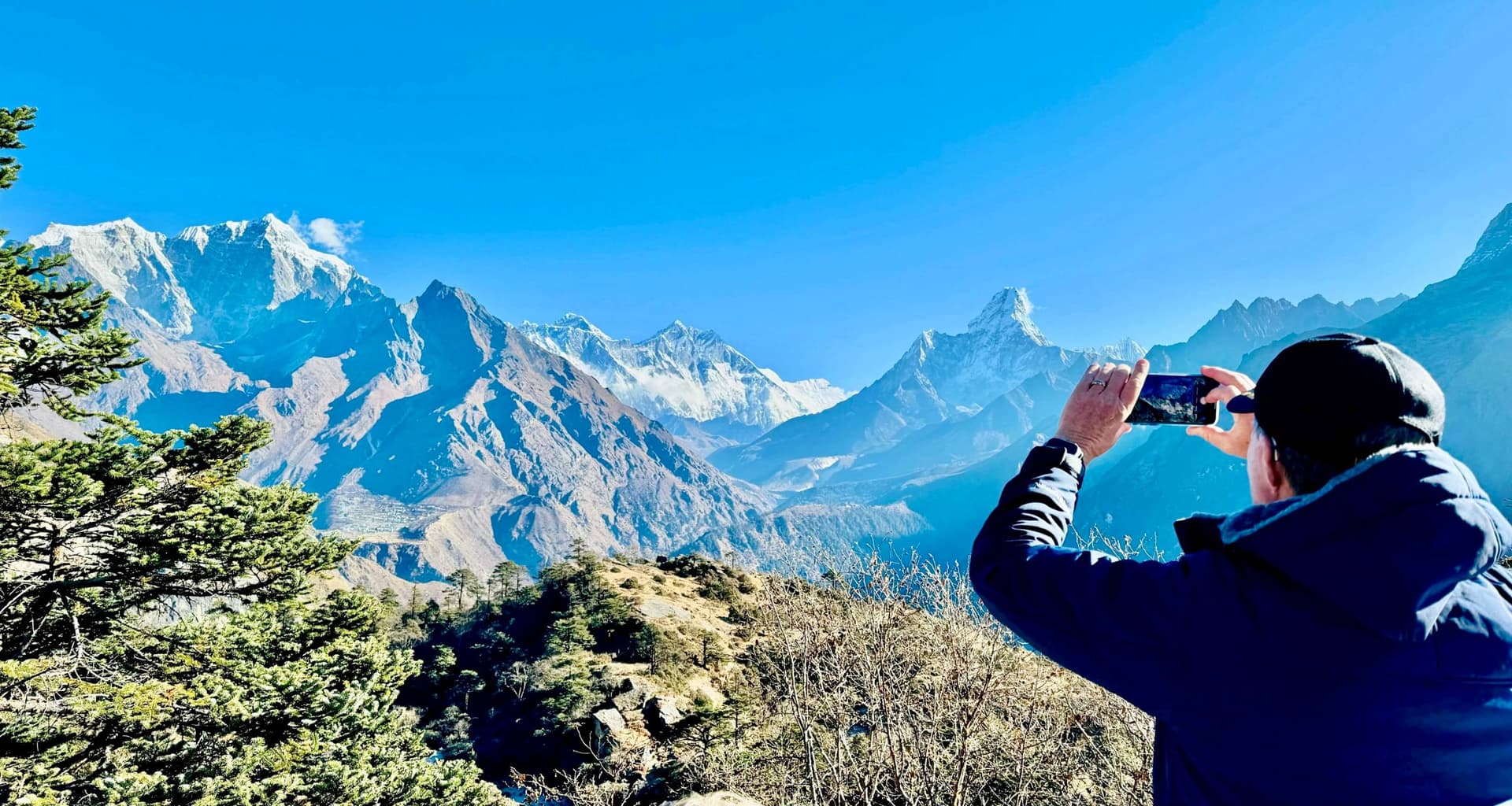
    Everest View
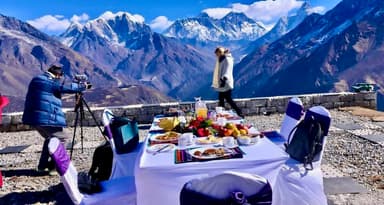
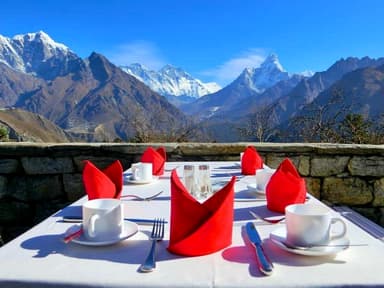
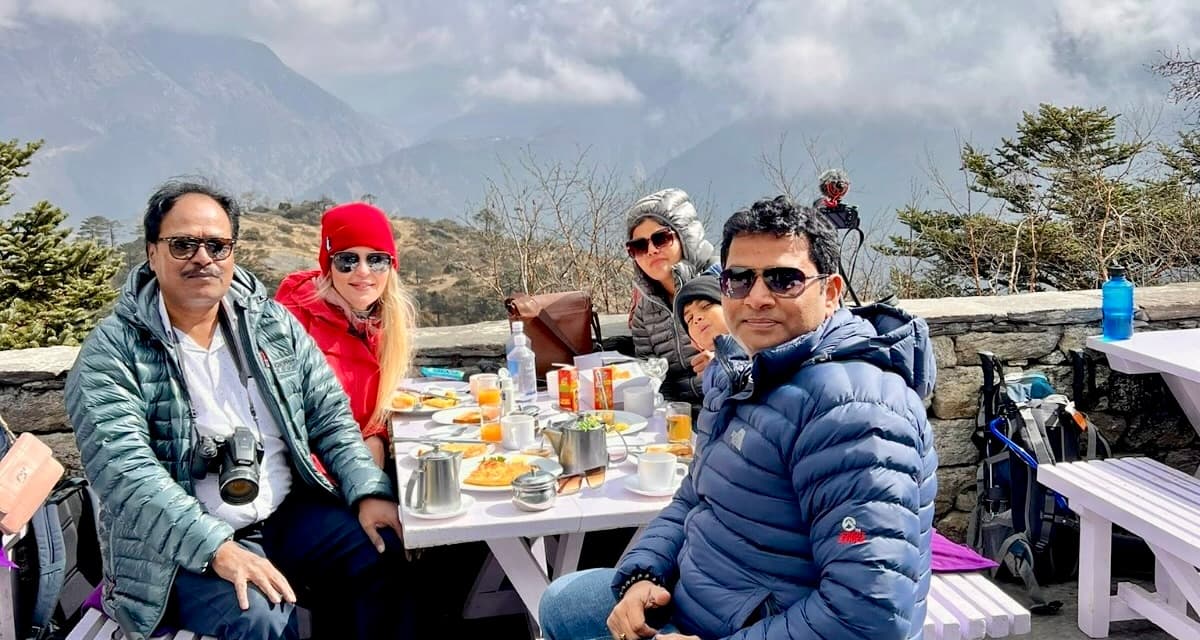
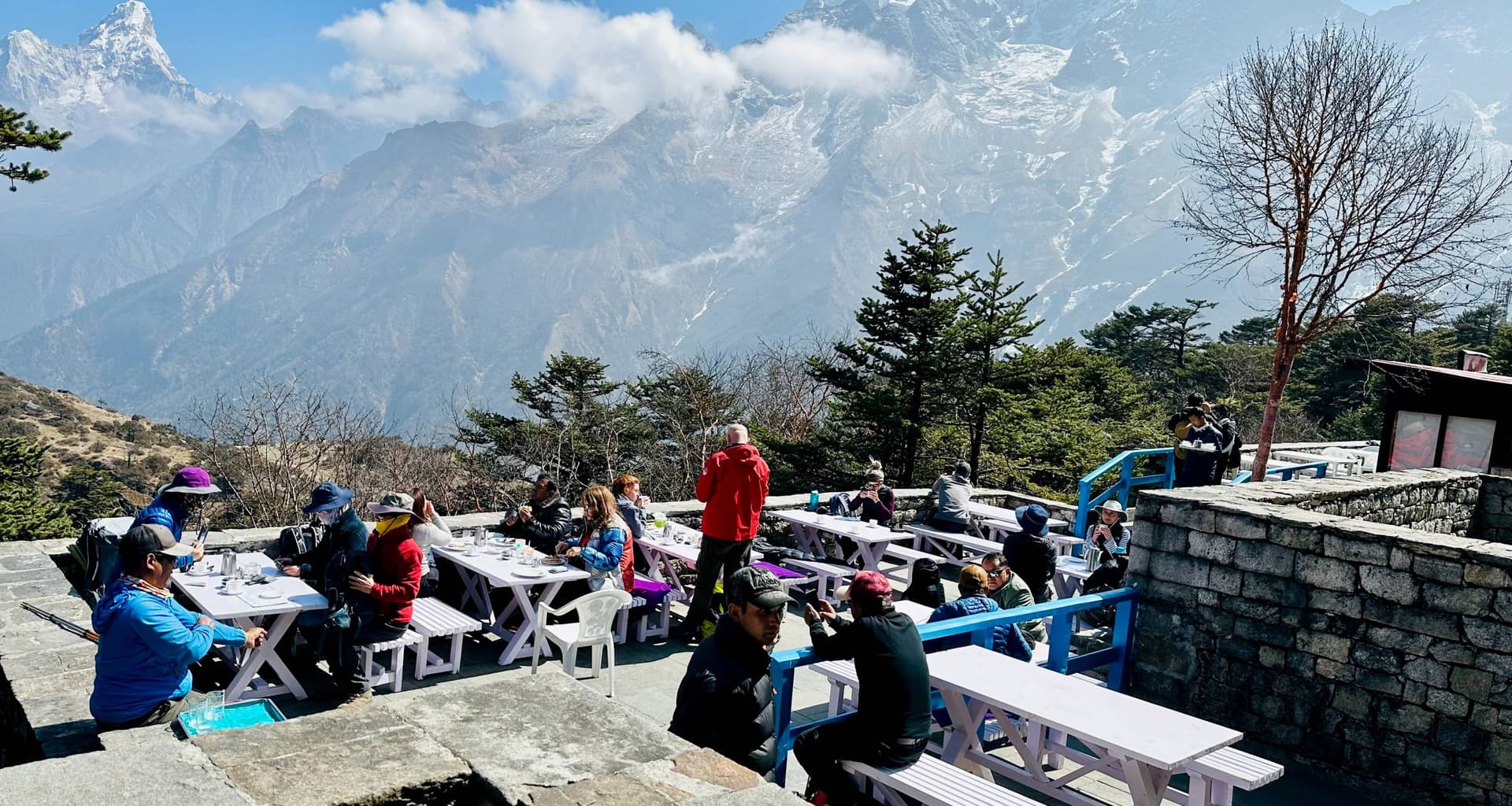
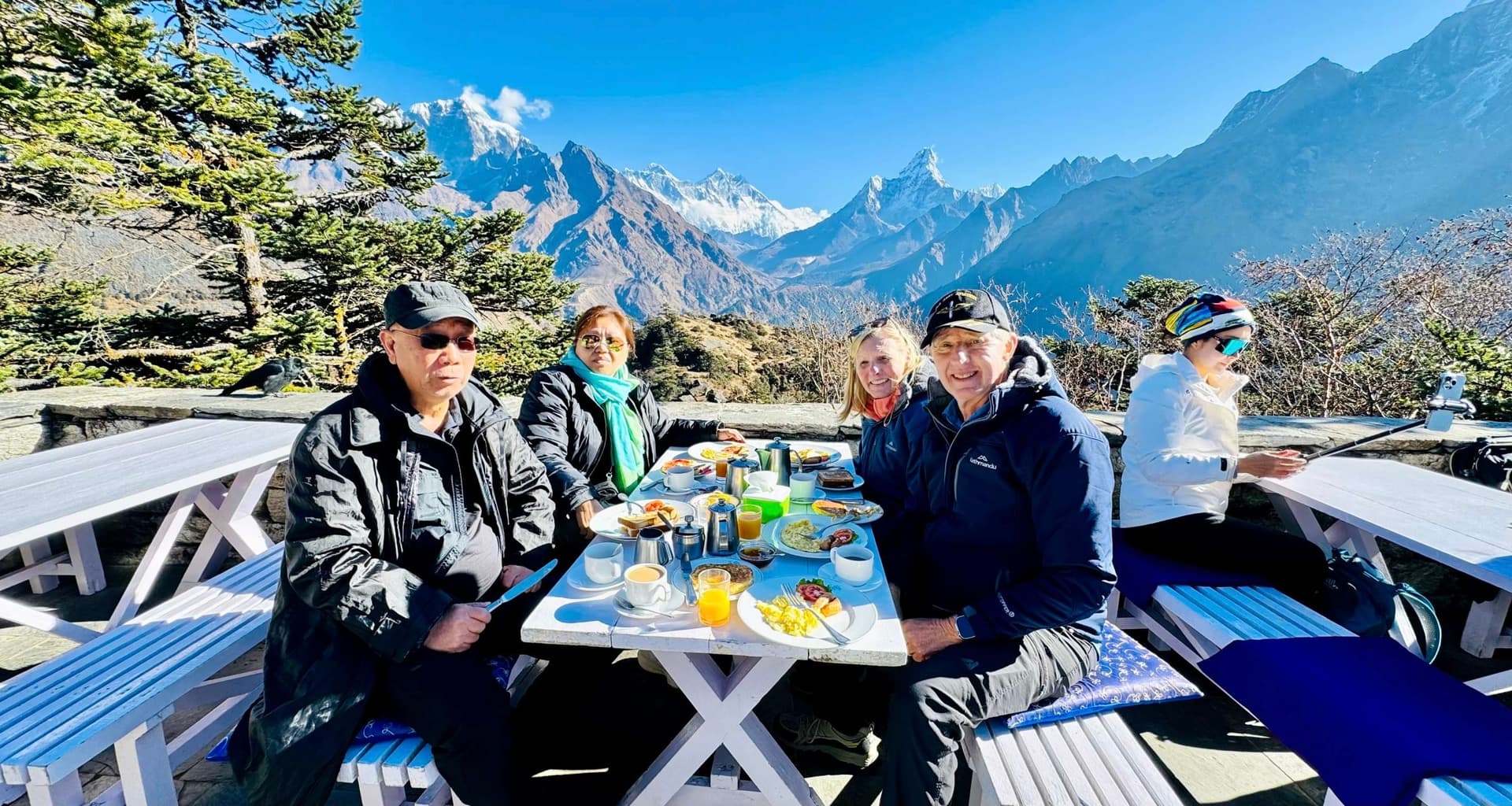
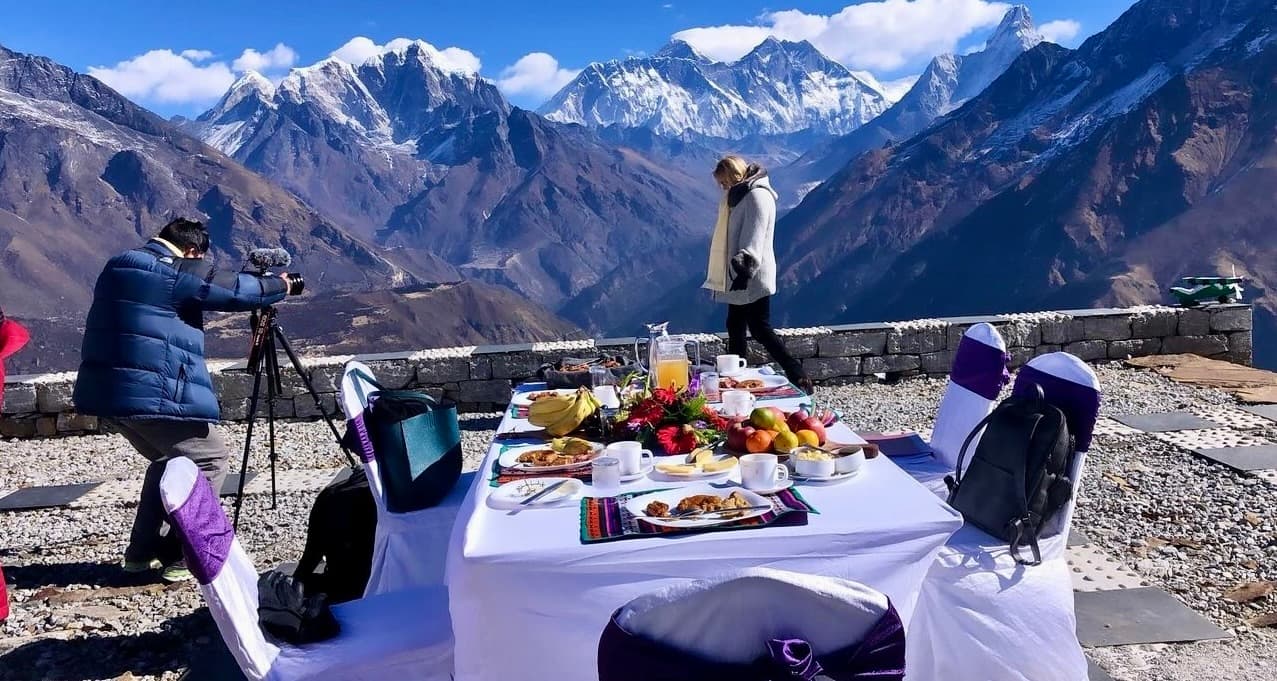
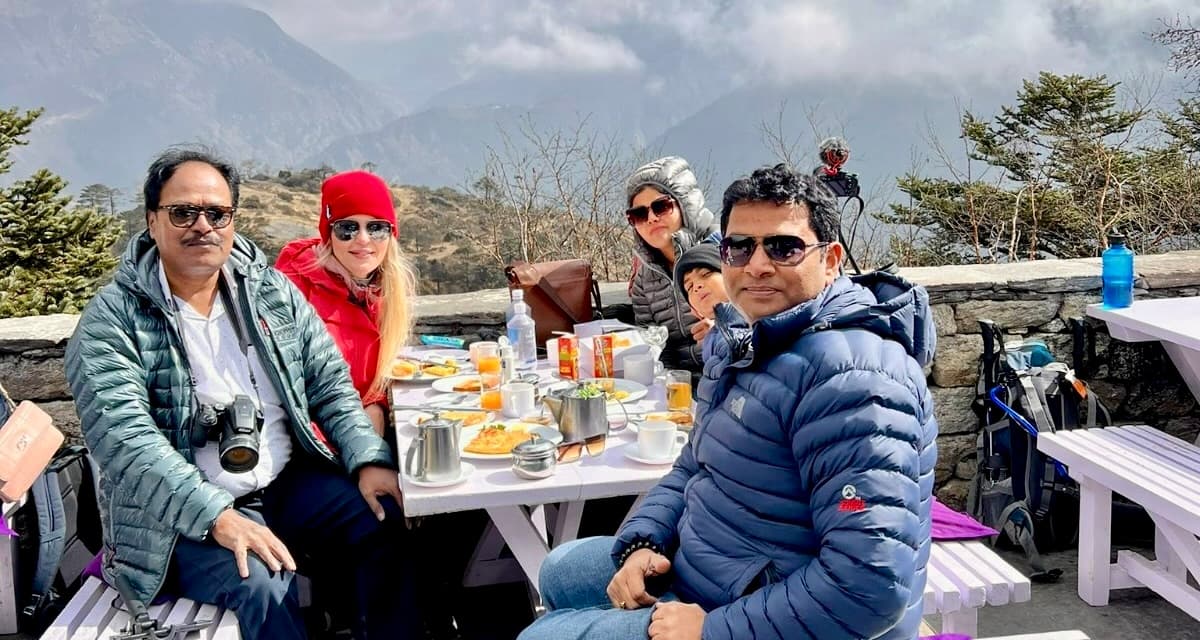
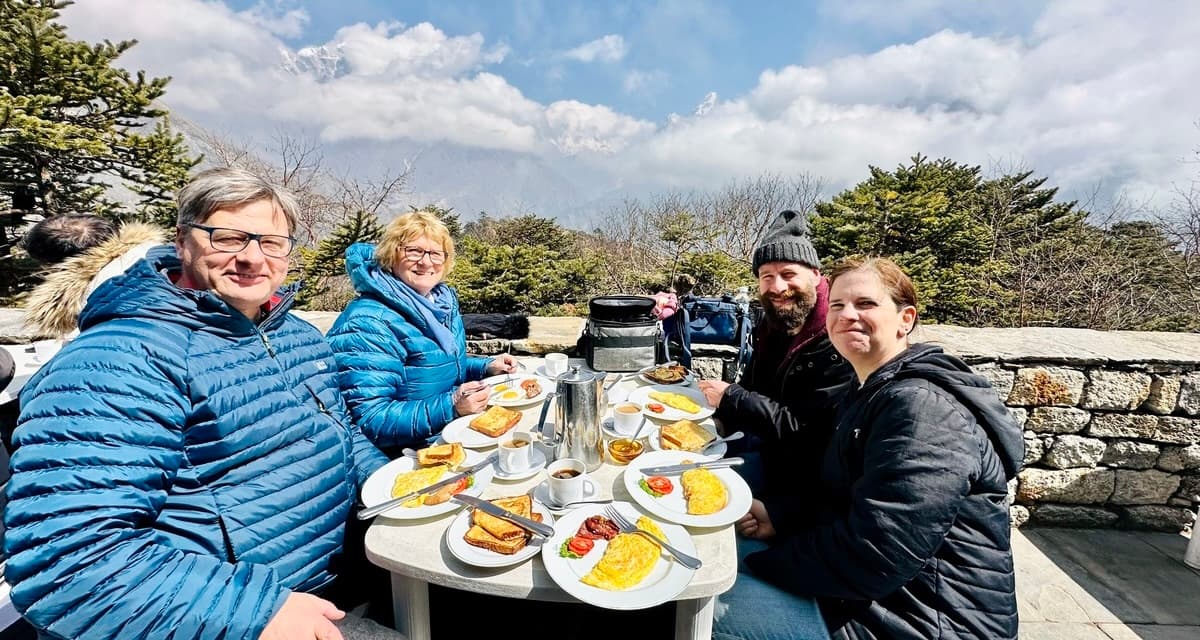
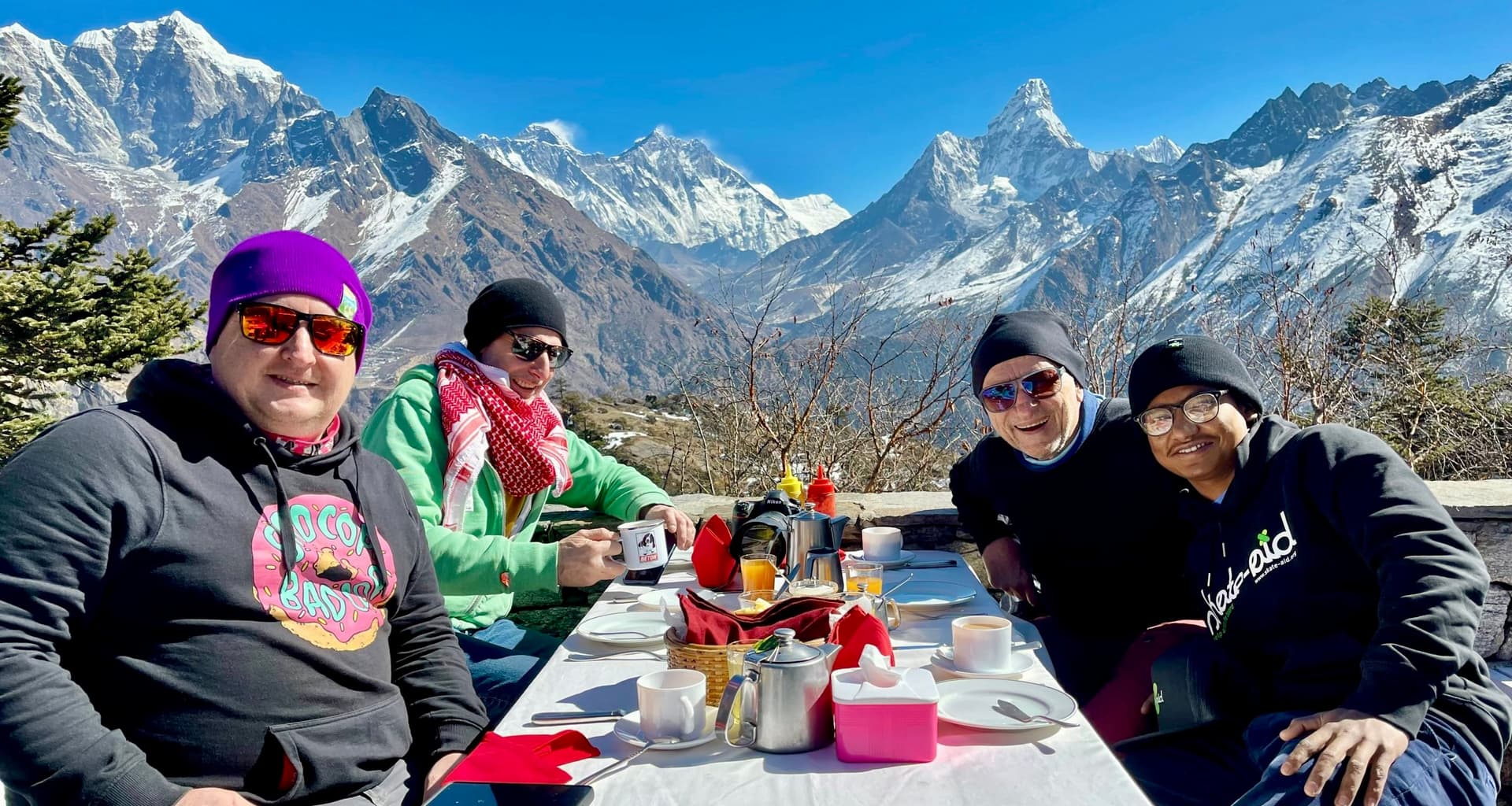
    Breakfast at Everest View Hotel
    Everest Base Camp Trek 6
    IMG 9717 2 (1)
    Everest View Hotel
    Everest Helicopter Tour Hotel Everest View
    461082348 1123552049364465 2637943222082690282 n
    467012126 1165444358508567 2596439892874605997 n
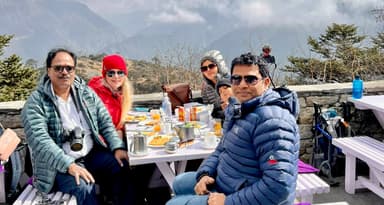
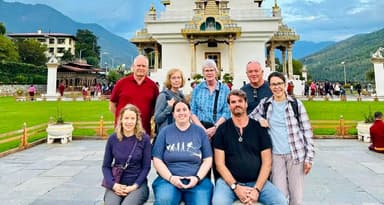
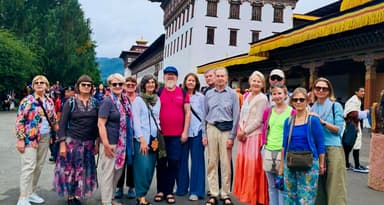
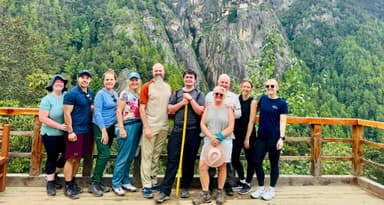
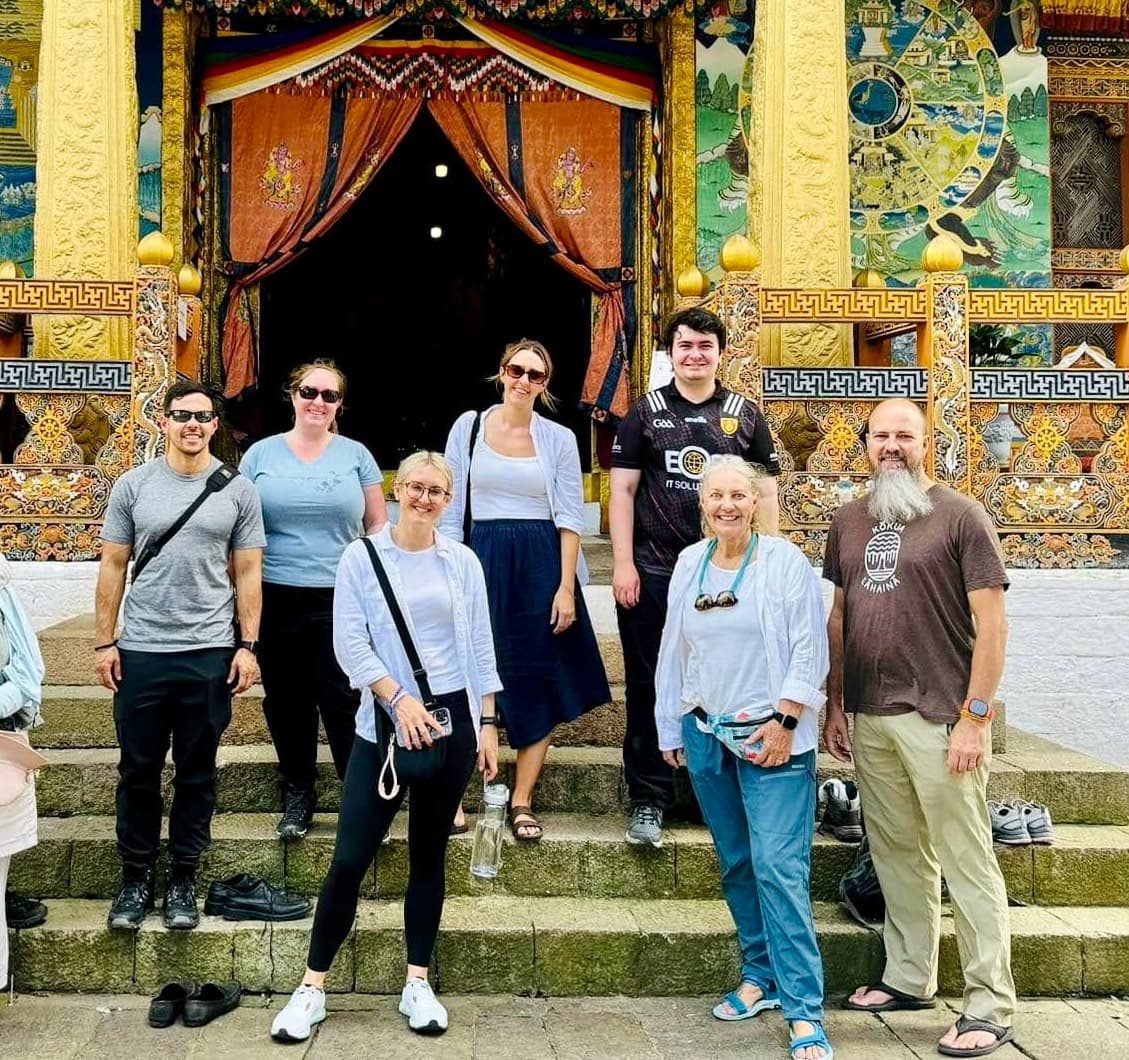
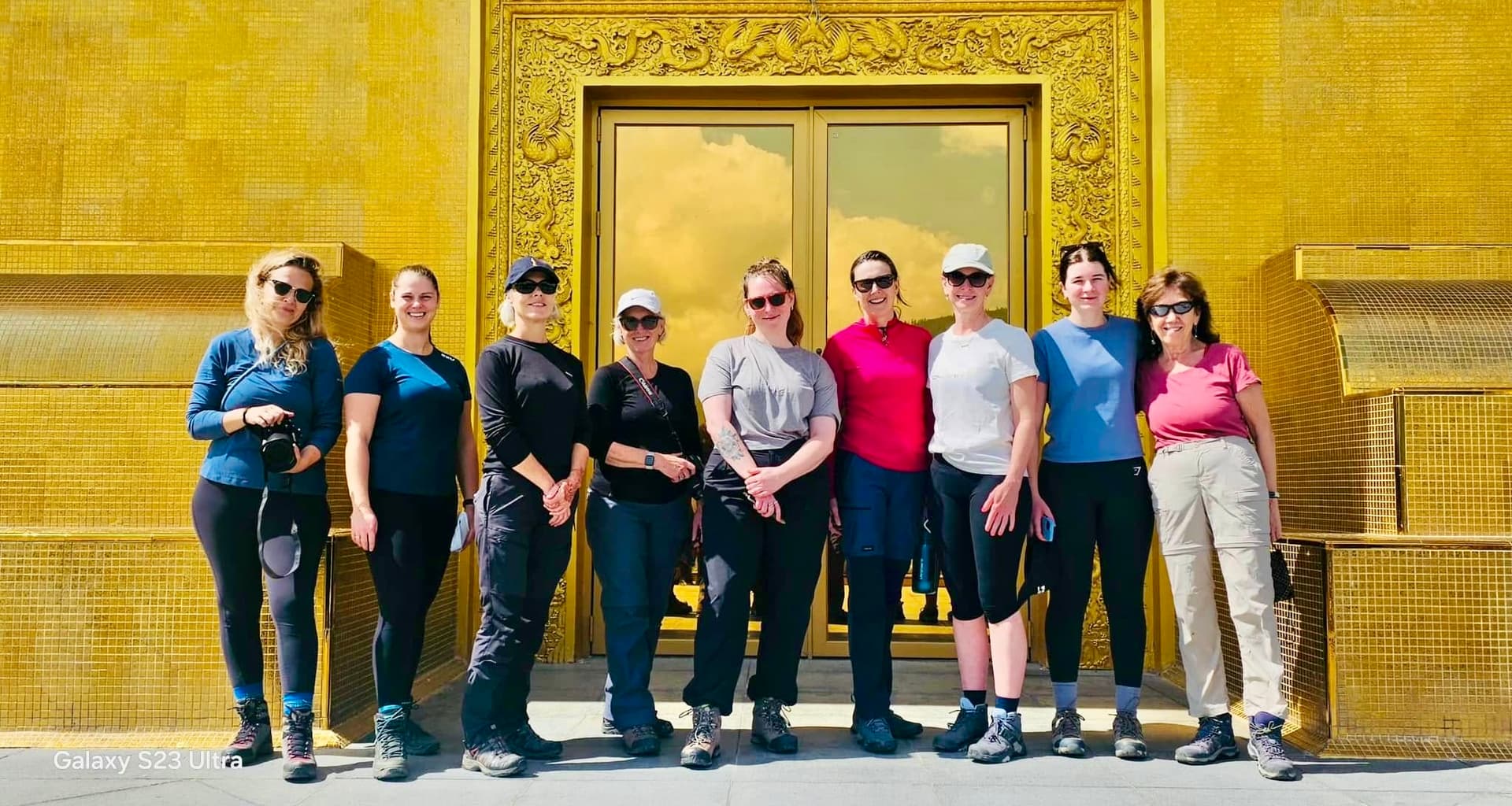
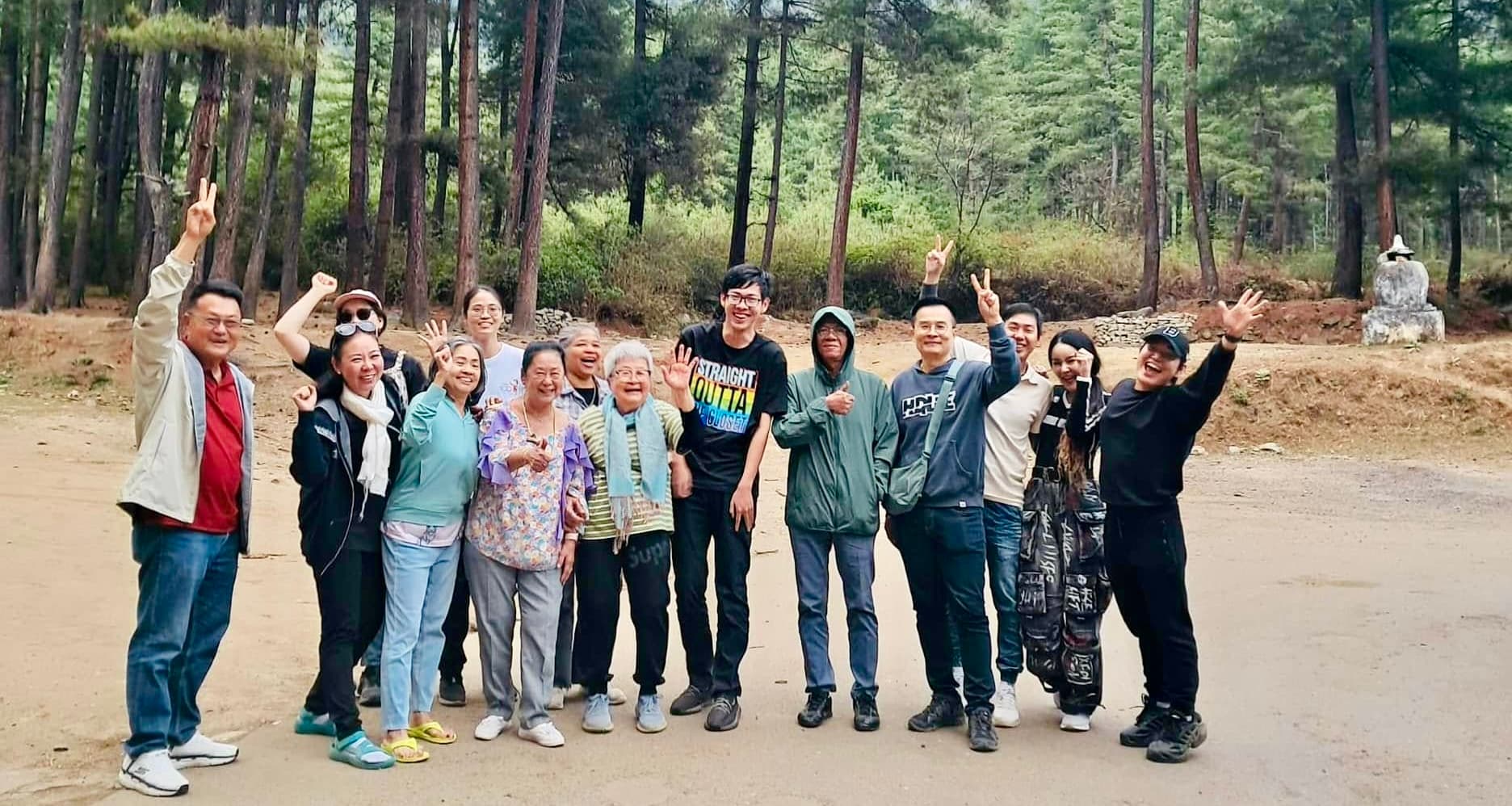
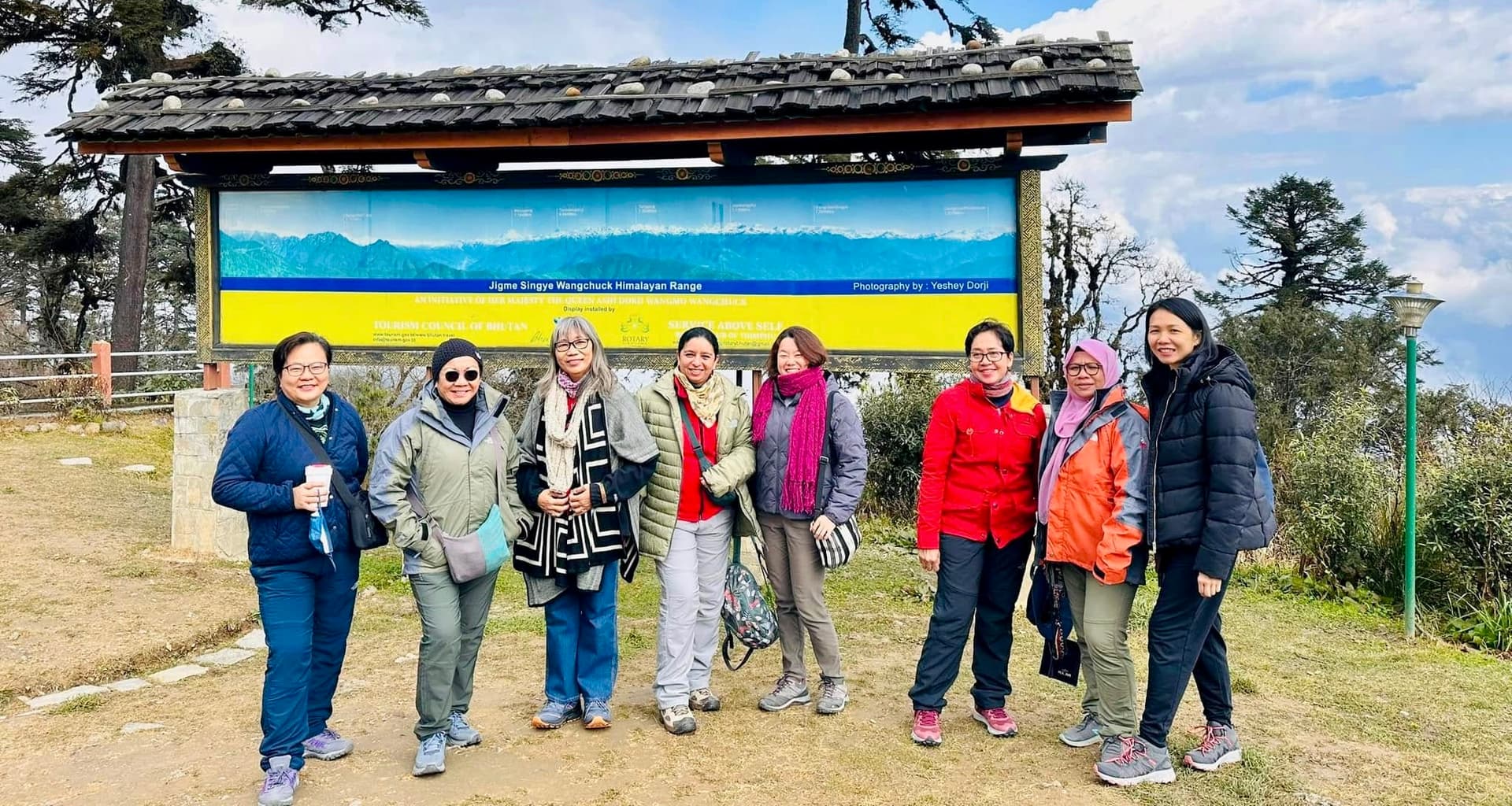
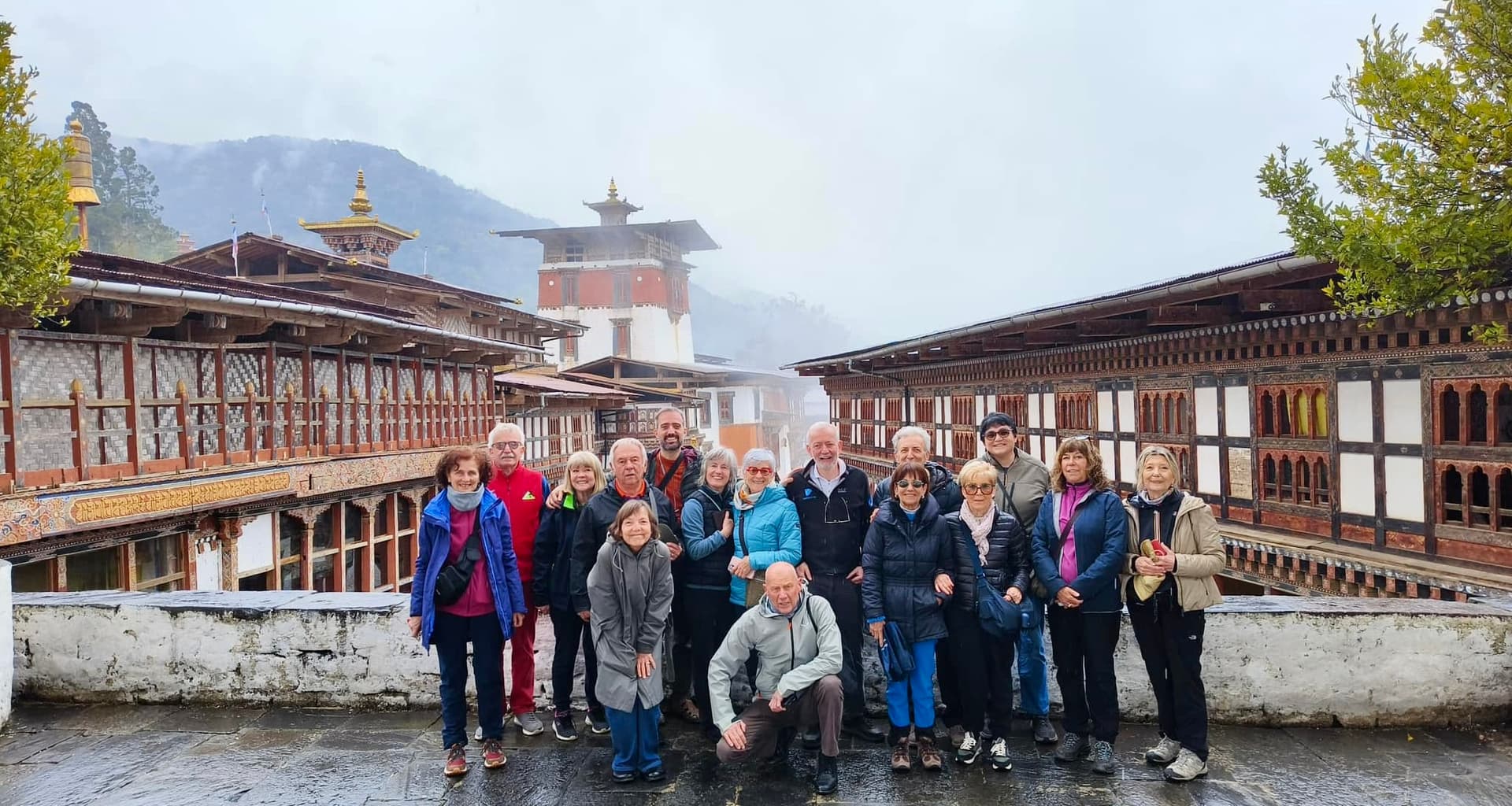
    Bhutan Tour group
    WhatsApp Image 2024 10 26 at 9.06.43 PM
    463049608 1140782244308112 3958760703338699534 n
    492115835 4210052242653632 214719345020720119 n
    Breakfast Everest View Hotel
    Everest Helicopter Tour Breakfast HEV
    466165861 1162904922095844 5595021817453500580 n
    471317121 1196449488741387 8455498568076761956 n
    4wnqjk14yo321
    Img 7785
    468541092 1175645084155161 6500726015901577826 n
    Everest Breakfast Helicopter
    Breakfast at Everest View Hotel
    Breakfast at HEV
    IMG 9715
    Everest Helicopter Tour View from Hotel Everest View
    491944998 4213242715667918 2023717762899631113 n
    492128941 4213242782334578 8207520017508712231 n
    491835483 4207644576227732 728533488099630562 n
    Everest Helicopter Tour View from Hotel Everest View
    Breakfast at Evrest View Hotel
    30 Photos
    466849231 1164486921937644 6008313228818809483 n
    Everest View
    Breakfast at Everest View Hotel
    Everest Base Camp Trek 6
    IMG 9717 2 (1)
    Everest View Hotel
    Everest Helicopter Tour Hotel Everest View
    461082348 1123552049364465 2637943222082690282 n
    467012126 1165444358508567 2596439892874605997 n
    Bhutan Tour group
    WhatsApp Image 2024 10 26 at 9.06.43 PM
    463049608 1140782244308112 3958760703338699534 n
    492115835 4210052242653632 214719345020720119 n
    Breakfast Everest View Hotel
    Everest Helicopter Tour Breakfast HEV
    466165861 1162904922095844 5595021817453500580 n
    471317121 1196449488741387 8455498568076761956 n
    4wnqjk14yo321
    Img 7785
    468541092 1175645084155161 6500726015901577826 n
    Everest Breakfast Helicopter
    Breakfast at Everest View Hotel
    Breakfast at HEV
    IMG 9715
    Everest Helicopter Tour View from Hotel Everest View
    491944998 4213242715667918 2023717762899631113 n
    492128941 4213242782334578 8207520017508712231 n
    491835483 4207644576227732 728533488099630562 n
    Everest Helicopter Tour View from Hotel Everest View
    Breakfast at Evrest View Hotel

    Everest View Trek Bhutan Magical Tour - 14 days

    5:0Based on 11 reviews
    See Options
    • Overview
    • Itinerary
    • Cost Details
    • Departures
    • Reviews
    • Trip Info
    • FAQs
    500 OFFUS $2598
    US $2098per person
    • Book Instantly Directly with Provider
    • Best Price guarantee
    • Fully Customizable Trip
    • Extend Trip Without Any Charges
    check availability
    +977 9851005129[email protected]

    *Travel pros with 13+ years of experiencelet’s plan your trip!

    At a Glance

    • DestinationMulti Country
    • Duration14 days
    • Trip DifficultyEasy Trip
    • ActivitiesTour and Trek
    • Max. Elevation3880m.
    • Group SizeMax. 20 Pax
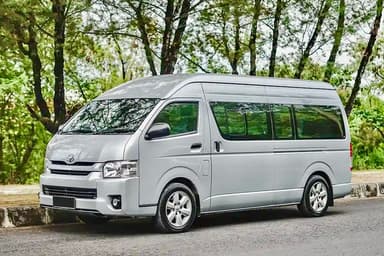
    • VehiclePrivate Luxury Tourist Vehicles and Aeroplane
    • AccommodationStandard and Luxury Options
    • MealsAll Standard Meals throughout the trip

    Places You’ll See

    Kathmandu

    Kathmandu

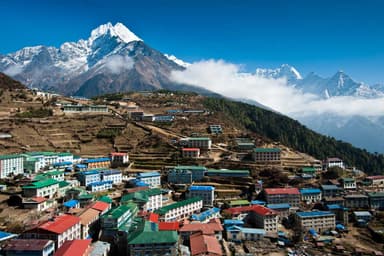
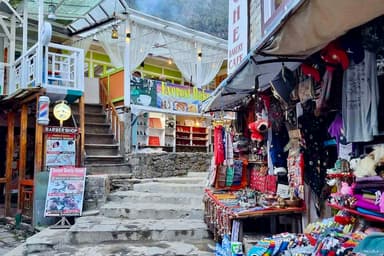
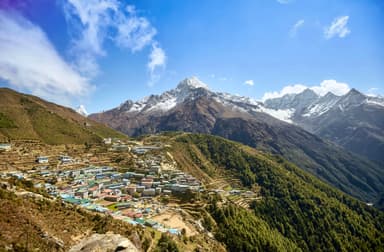
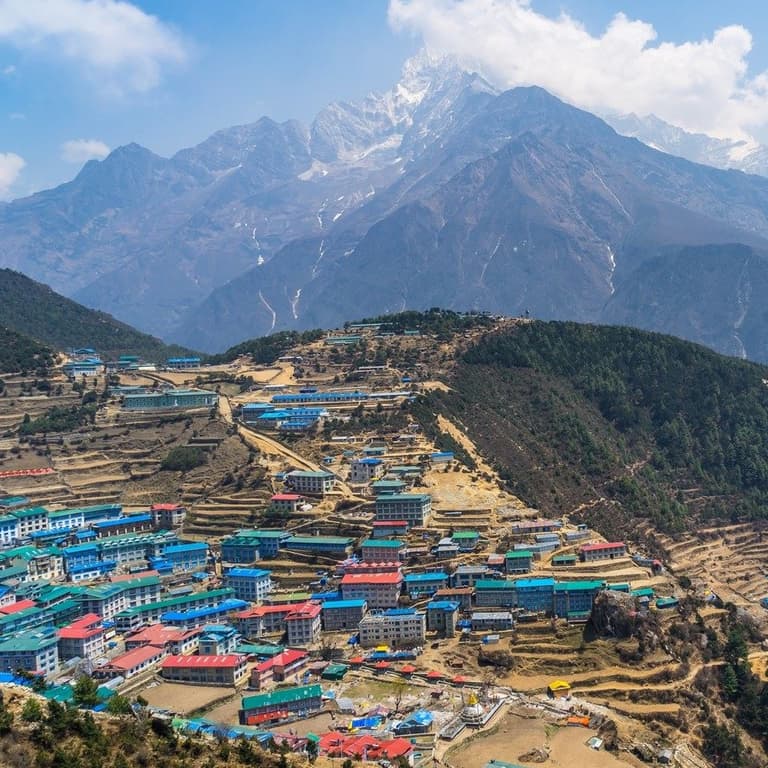
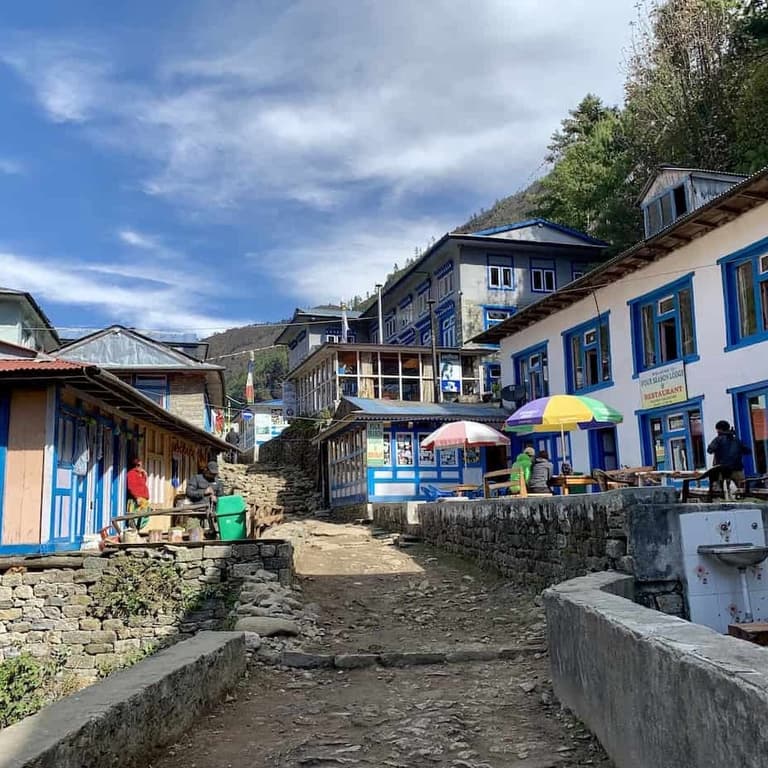
    Namche Bazaar

    Namche Bazaar

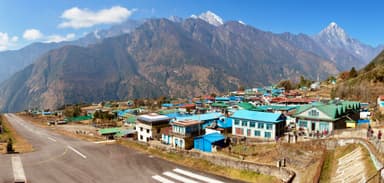
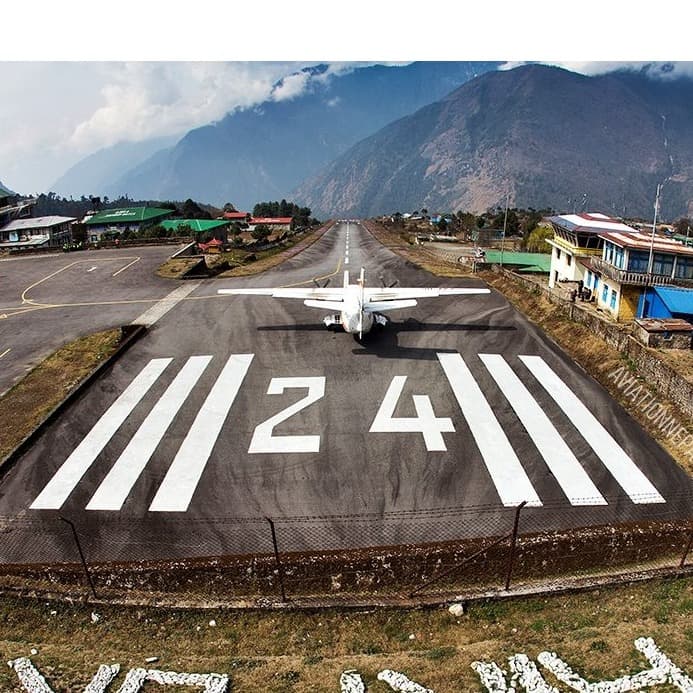
    Lukla

    Lukla

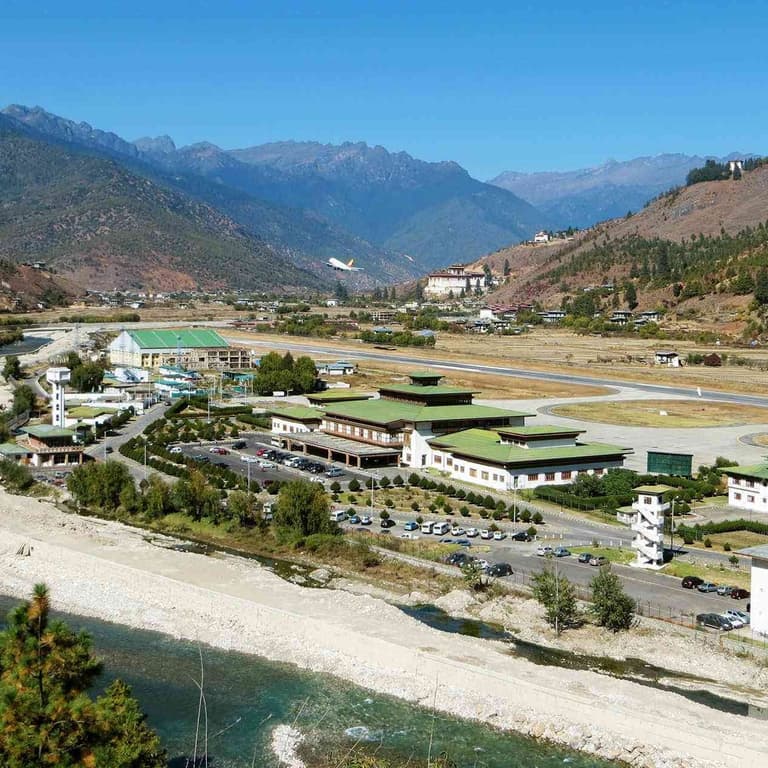
    Paro, Bhutan

    Paro, Bhutan

    Thimphu, Bhutan

    Thimphu, Bhutan

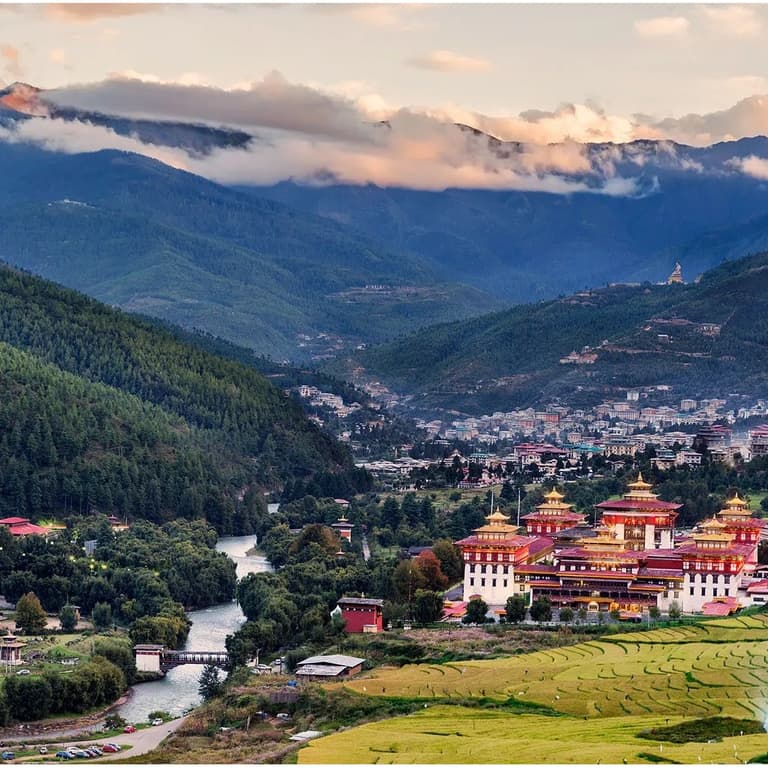
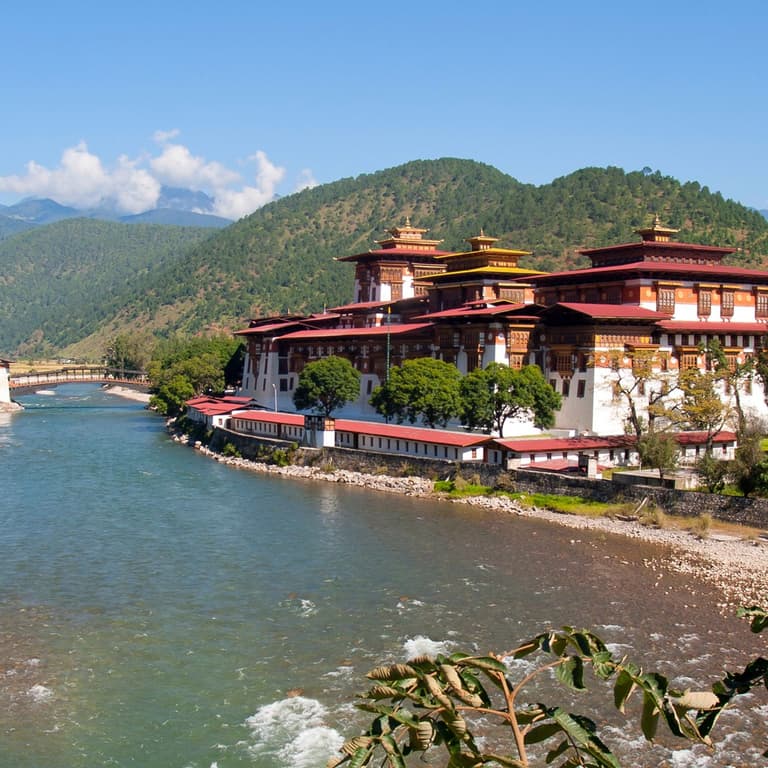
    Punakha

    Punakha

    Phakding

    Phakding

    About Everest View Trek Bhutan Magical Tour

    Embark on an extraordinary 14-day journey that takes you from the towering peaks of the Nepalese Himalayas to the mystical valleys of Bhutan, the Last Shangri-La. Begin your adventure in the vibrant capital of Kathmandu, exploring UNESCO World Heritage Sites that reflect Nepal’s deep-rooted history and spirituality. From there, take a thrilling mountain flight to Lukla and trek through picturesque Sherpa villages to the bustling mountain hub of Namche Bazaar, with a breathtaking side hike to the Everest View Hotel. This moderate trek offers panoramic views of Everest and surrounding giants, giving you a true taste of the high Himalayas without the demands of a full base camp expedition.

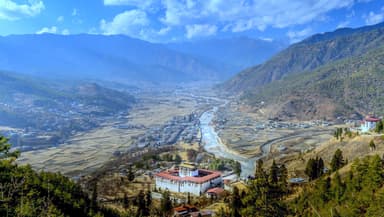
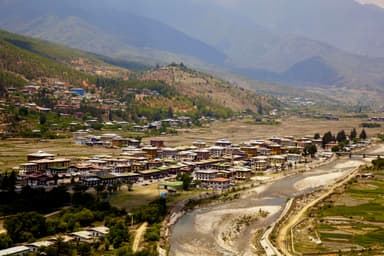
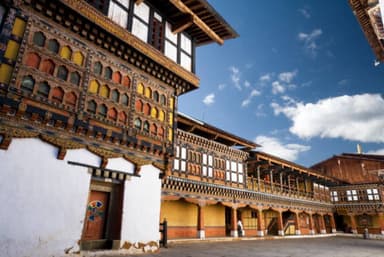
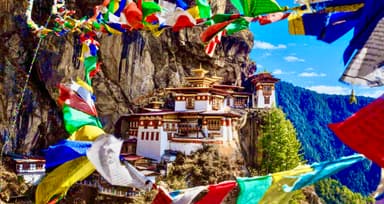
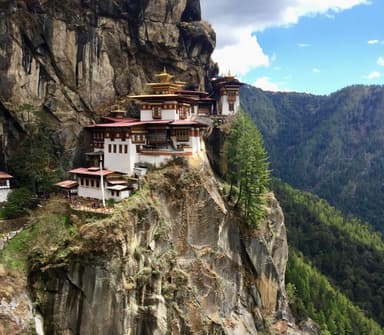
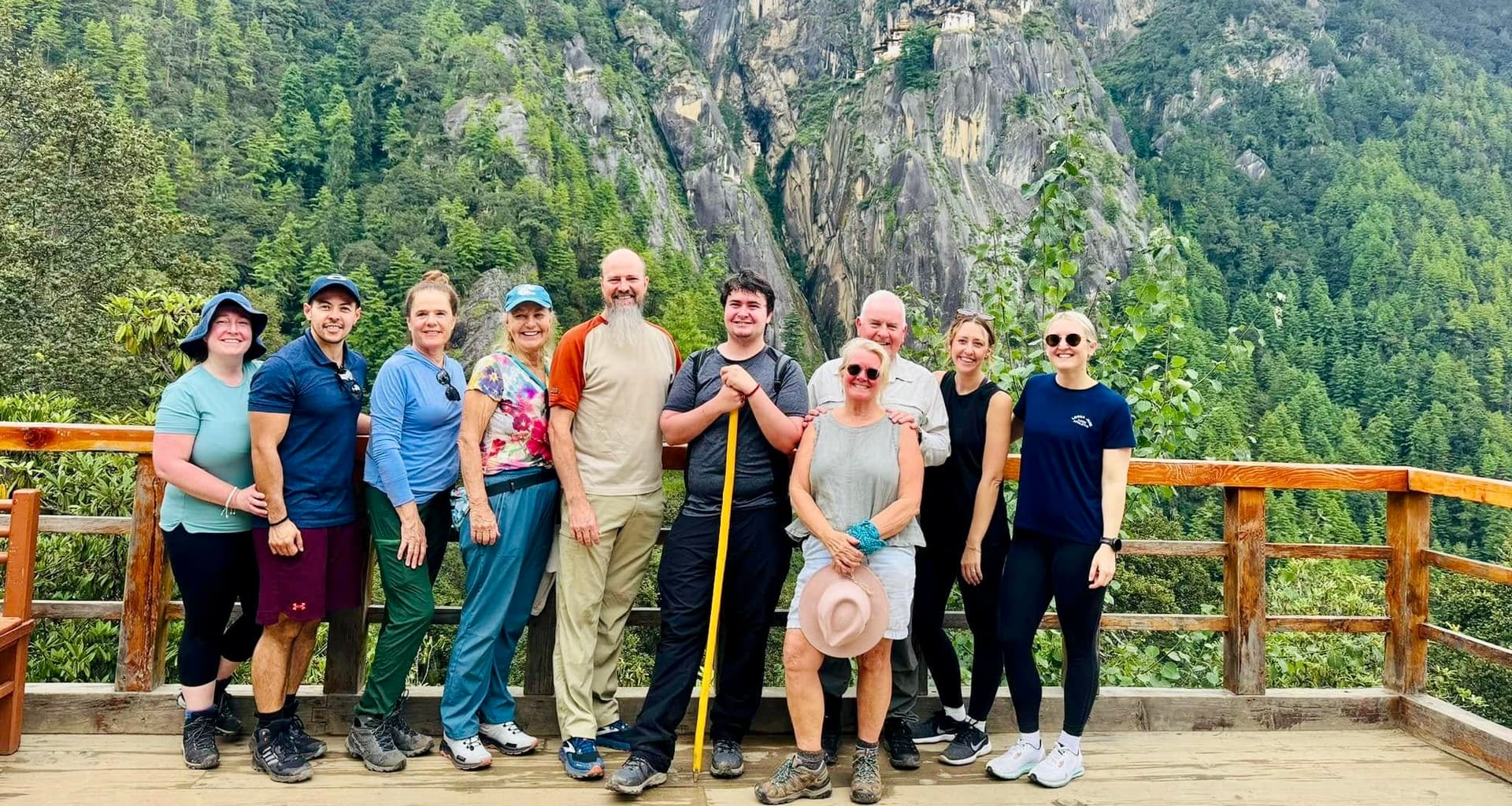
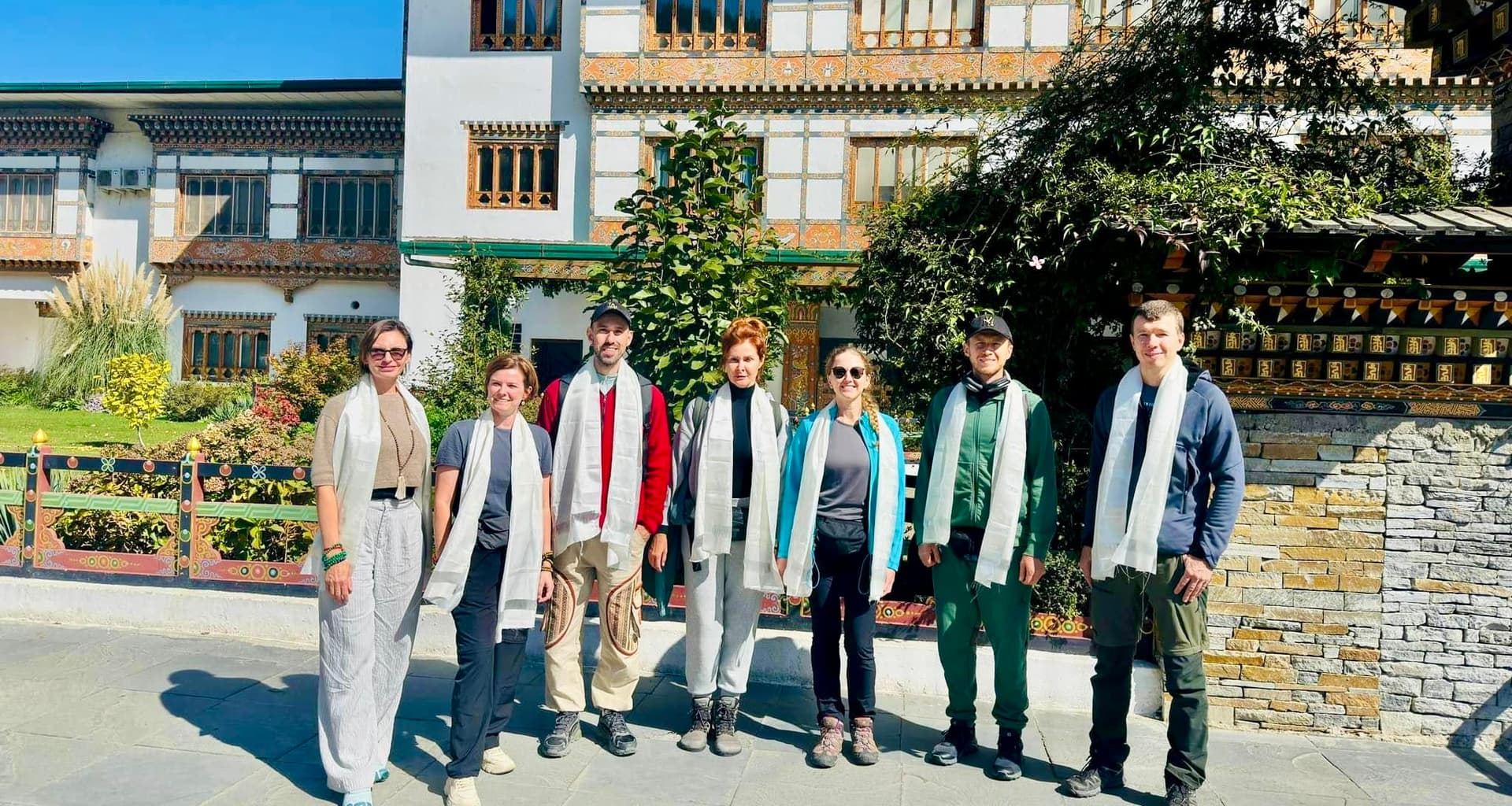
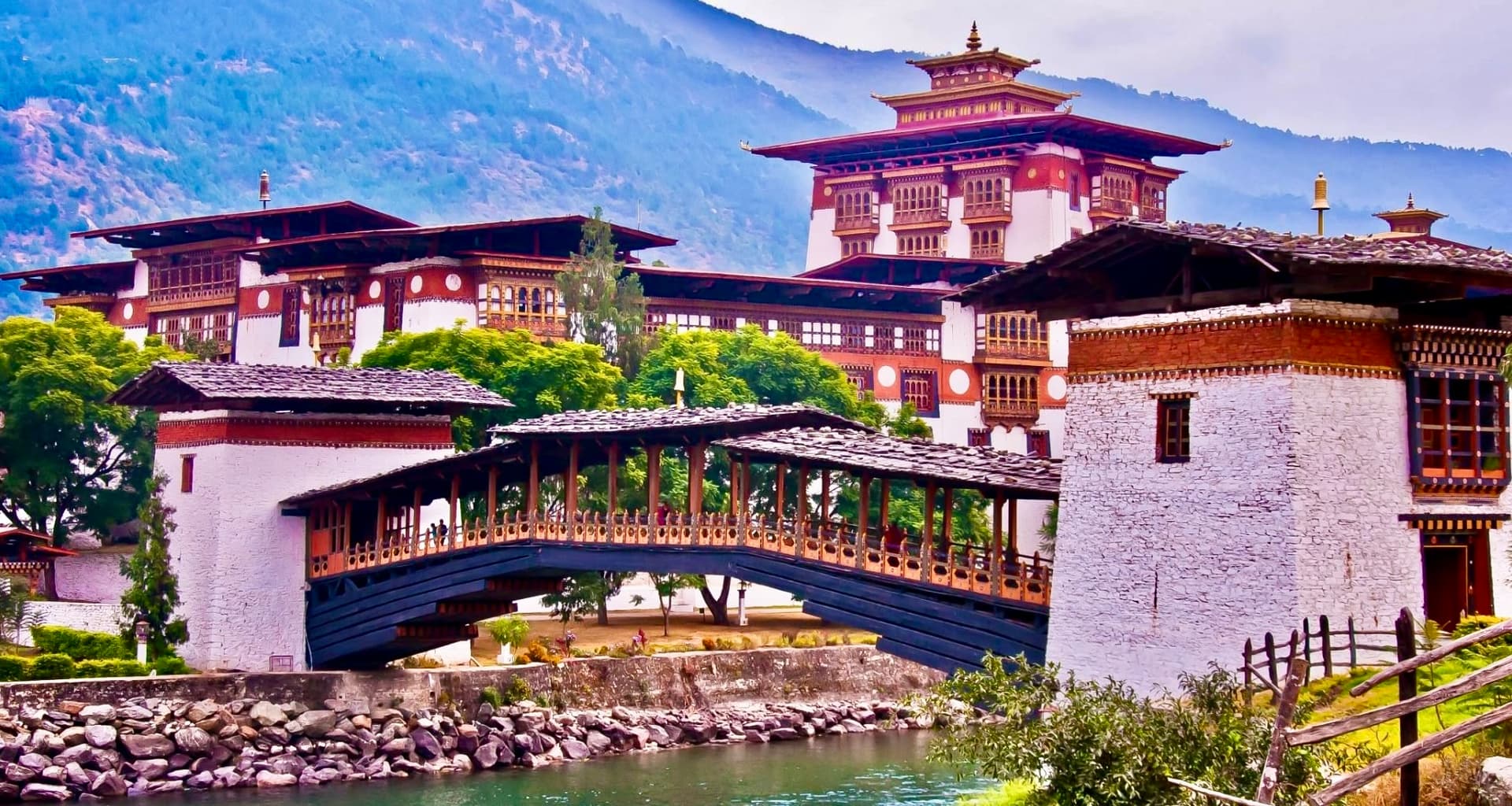
    After completing the trek and returning to Kathmandu, the second part of your journey begins as you fly to the peaceful kingdom of Bhutan. Here, discover a land where Gross National Happiness is more than just a slogan. From the cultural richness of Thimphu to the serene beauty of Punakha and the sacred cliffs of Paro, Bhutan offers a tranquil contrast to Nepal’s rugged landscapes. Highlights include visits to ancient dzongs, monasteries, and the unforgettable hike to the Tiger’s Nest Monastery, perched dramatically on a cliffside. This itinerary perfectly balances adventure, culture, and natural beauty—an ideal Himalayan experience for the soul-seeking traveler.

    Major Highlights

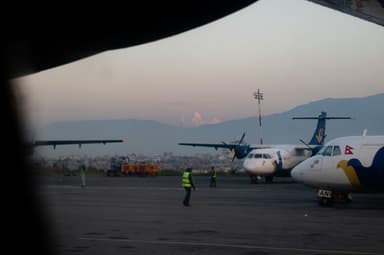
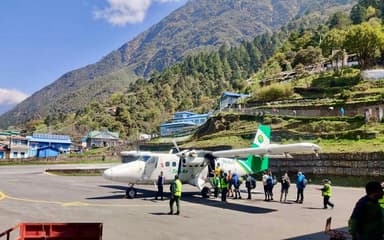
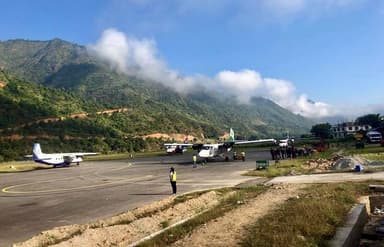
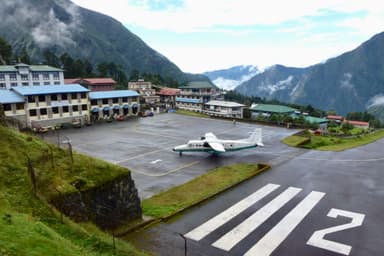
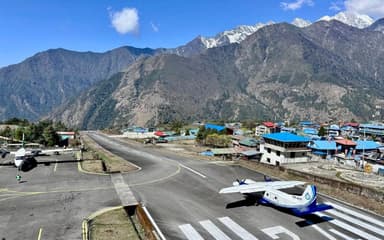
    • Scenic Flight to Lukla – Begin your Himalayan adventure with a thrilling mountain flight to one of the world’s most iconic airstrips.
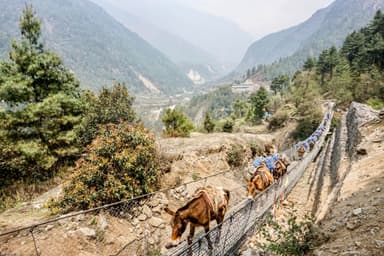
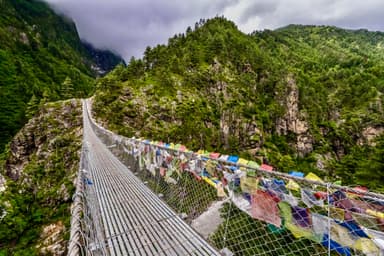
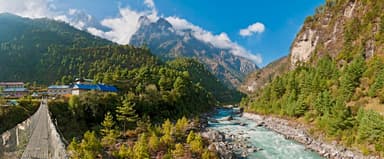
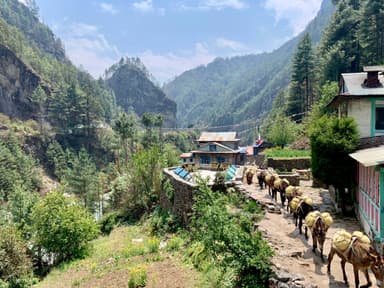
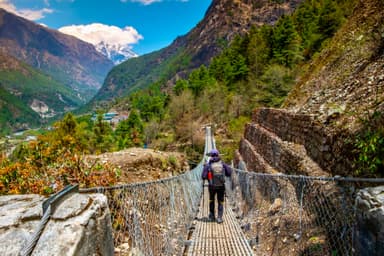
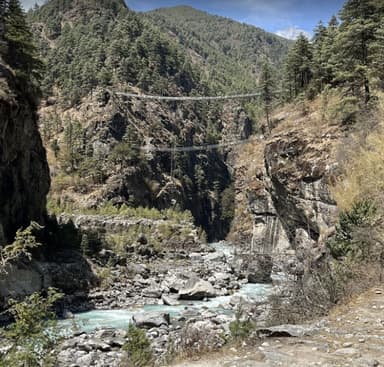
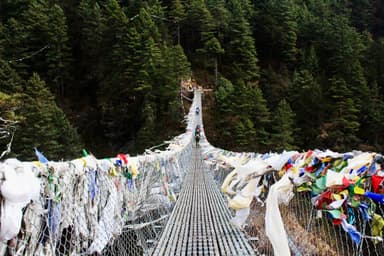
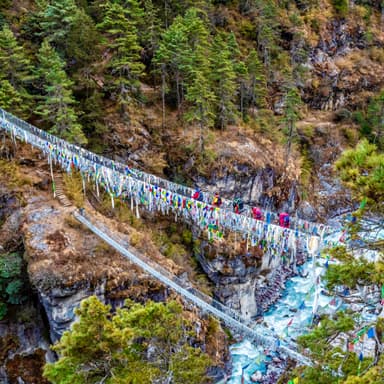
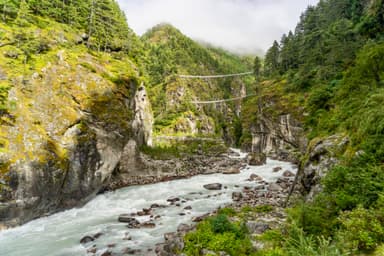
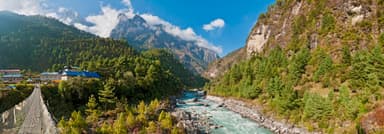
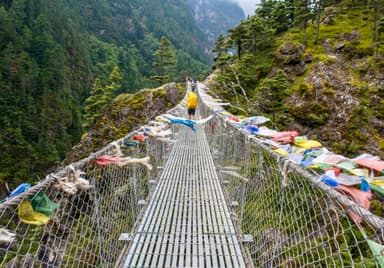
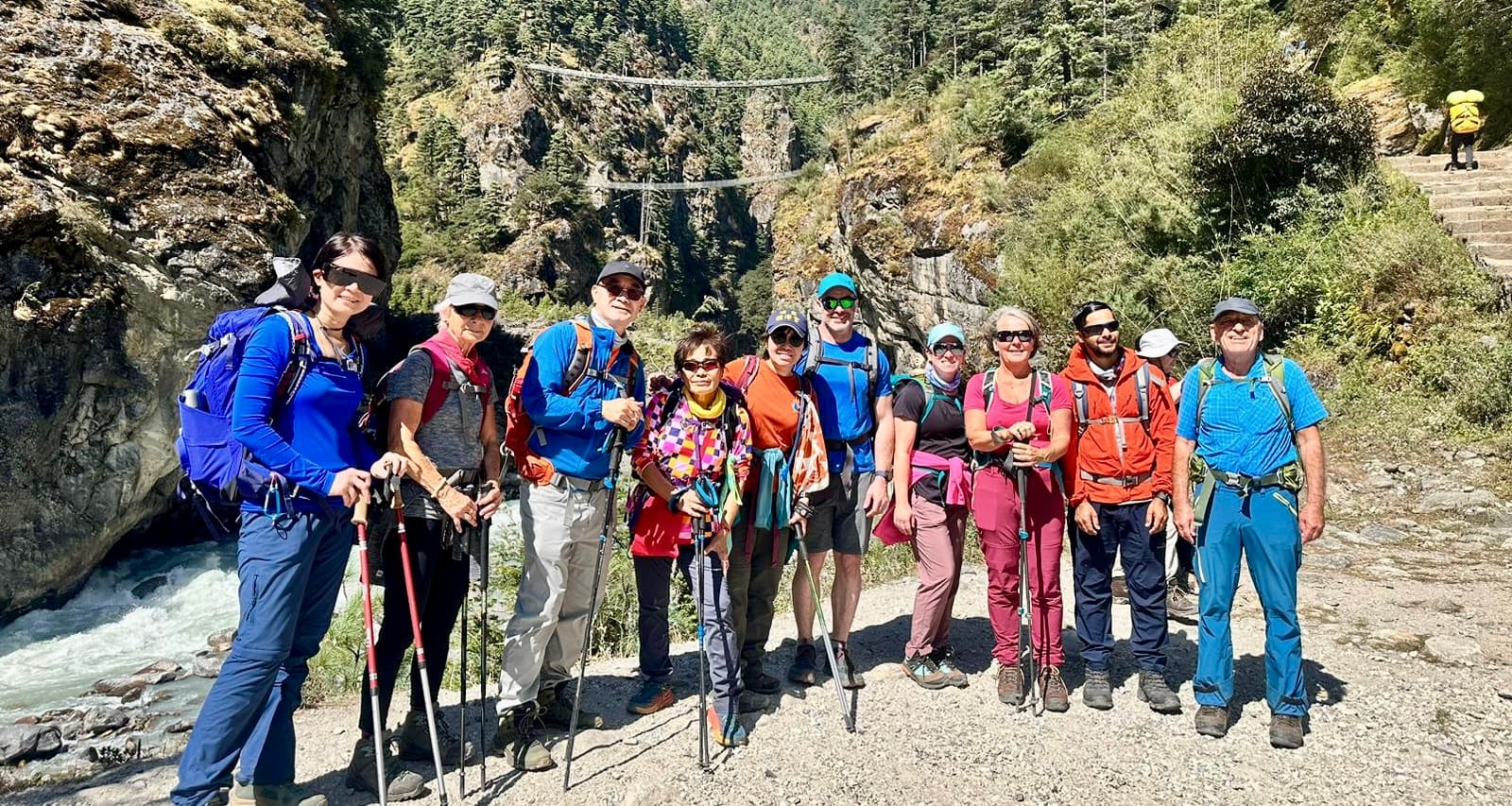
    • Trek to Namche Bazaar – Explore Sherpa villages, lush forests, and suspension bridges en route to the gateway of Everest.
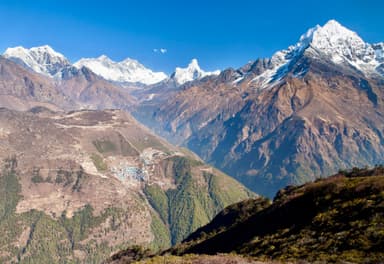
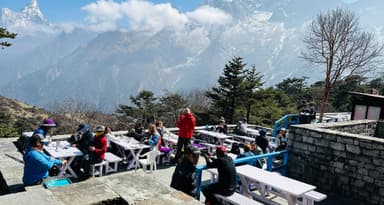
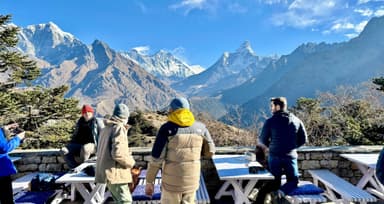
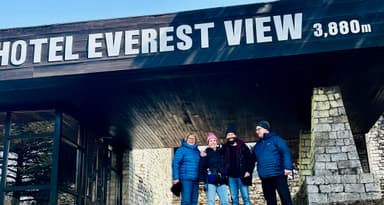
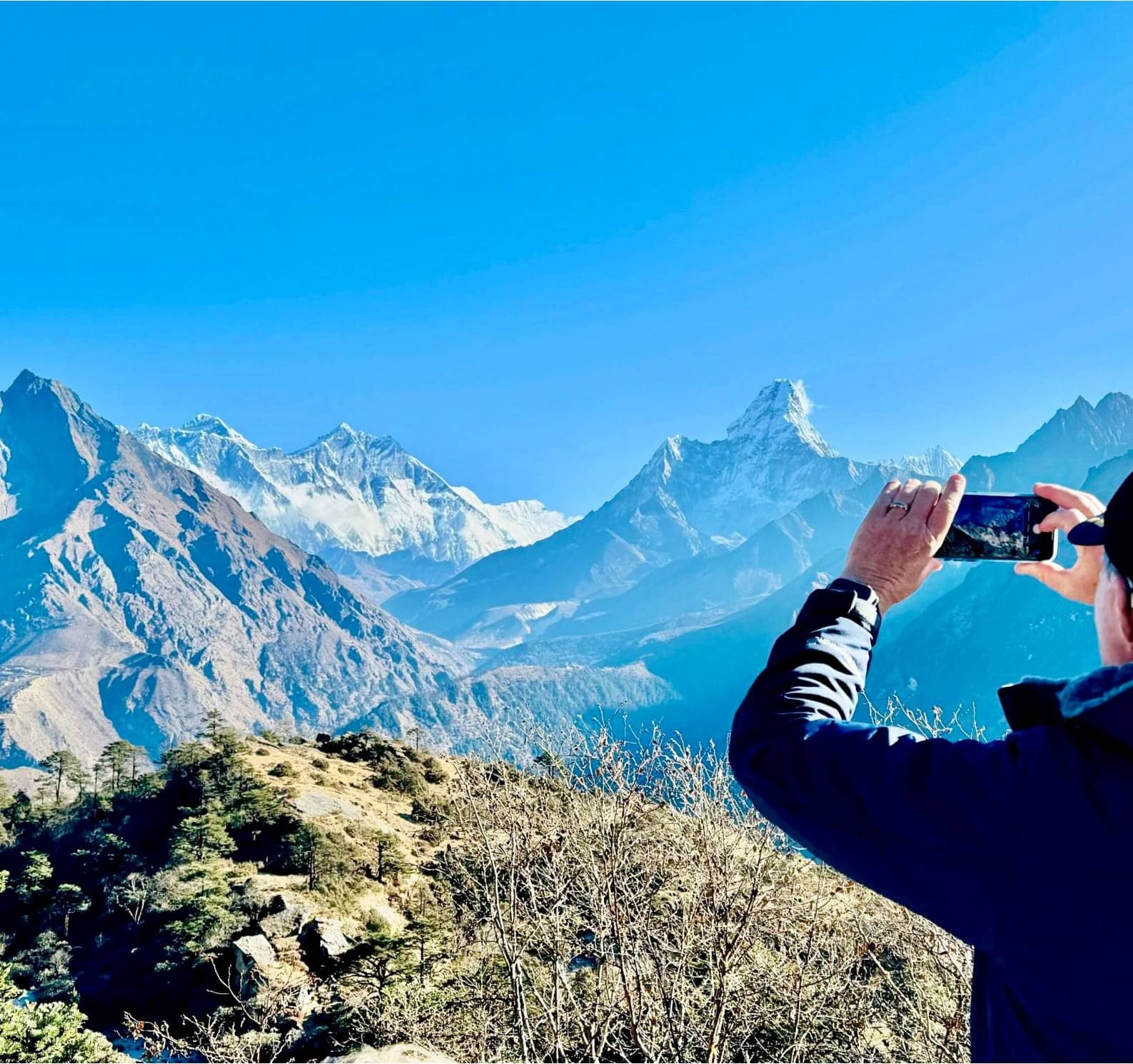
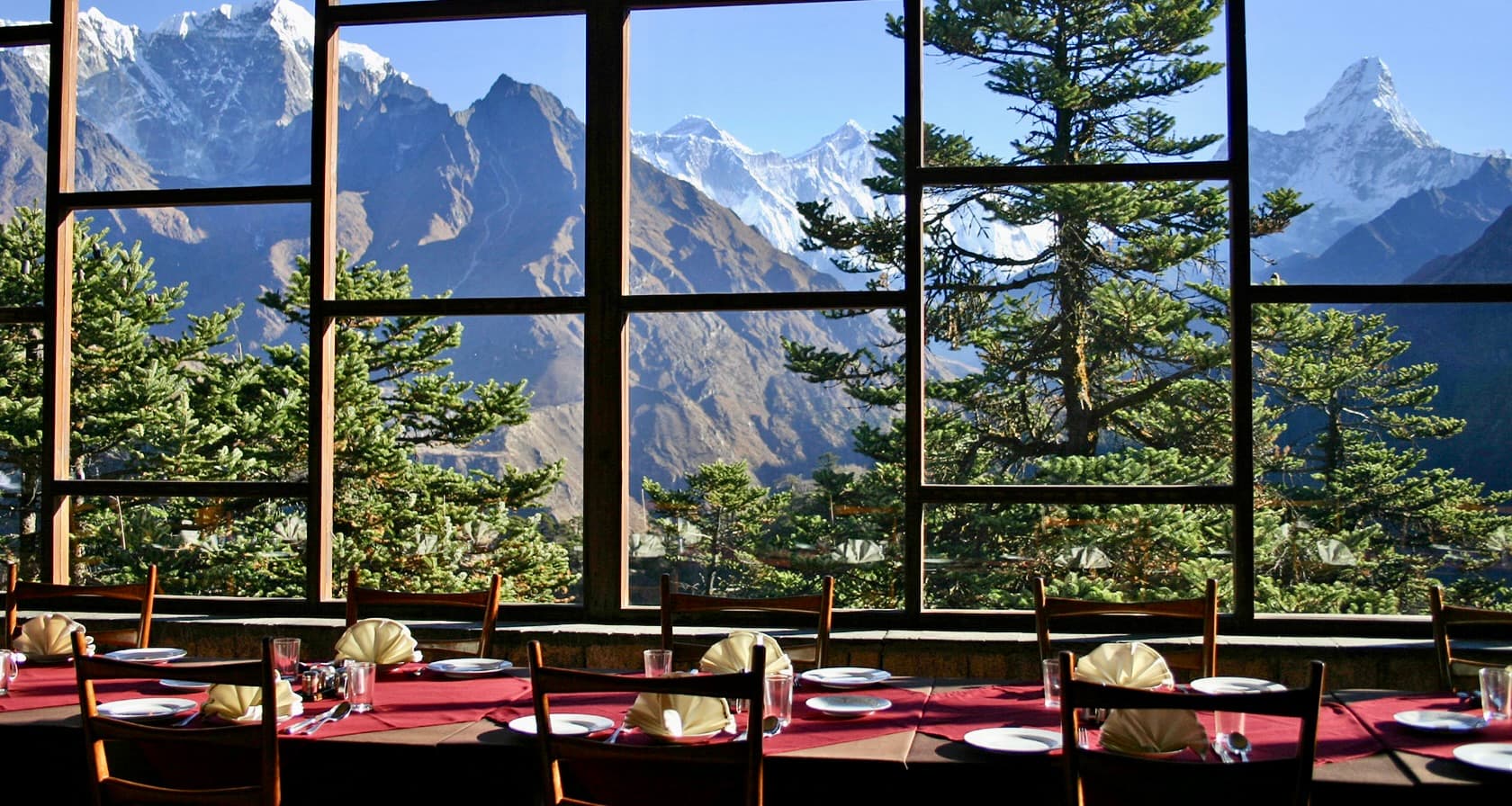
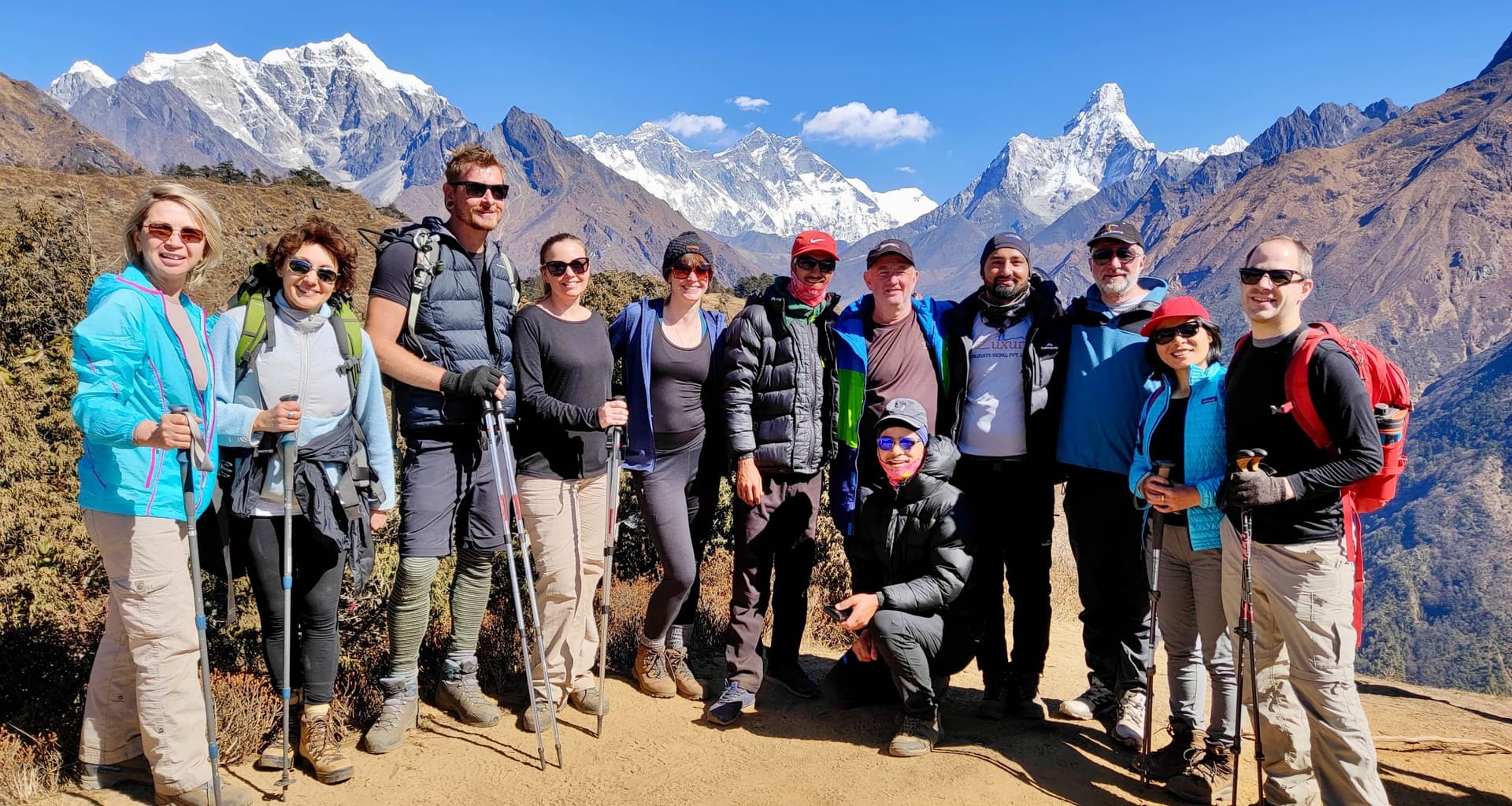
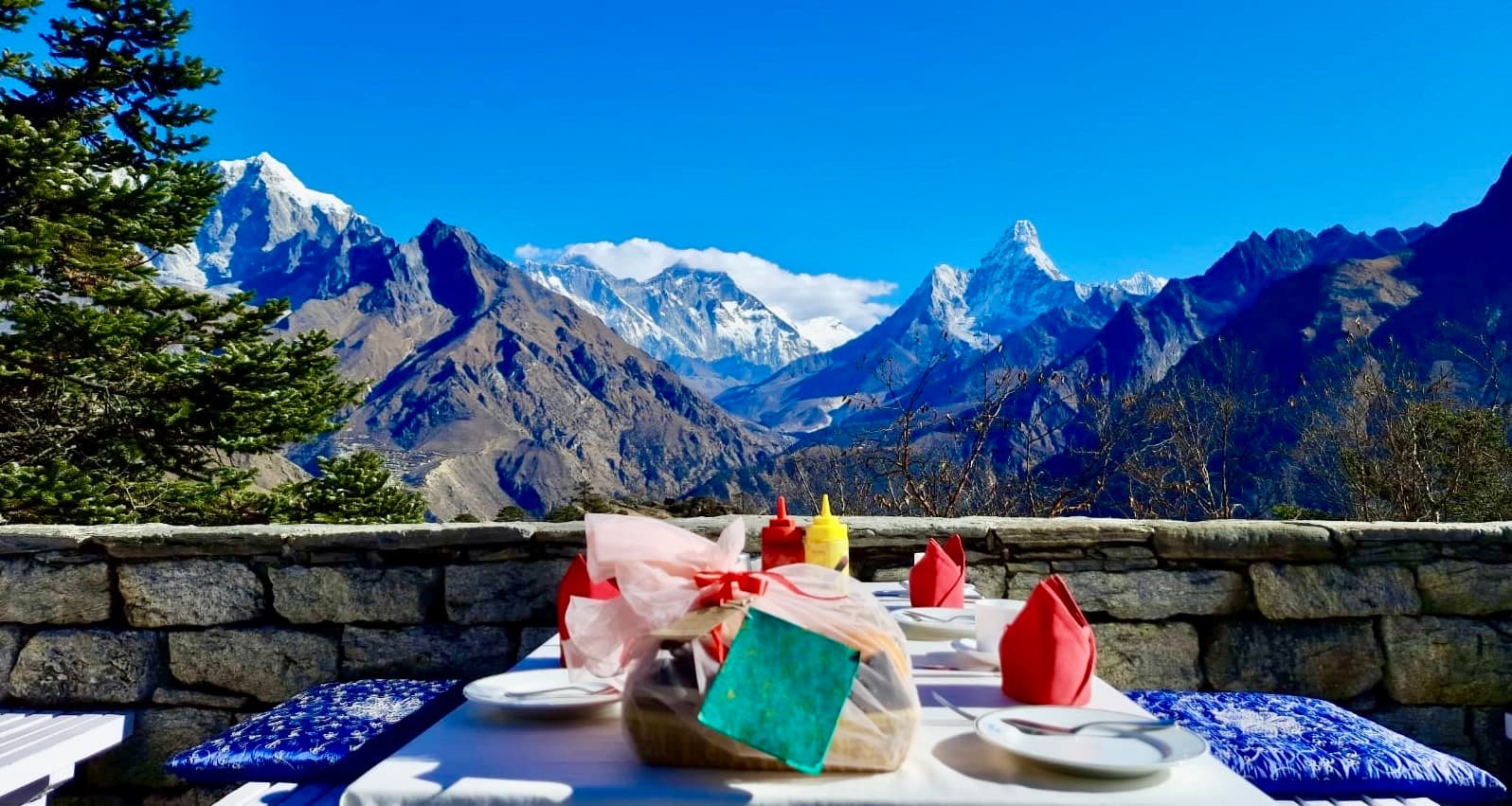
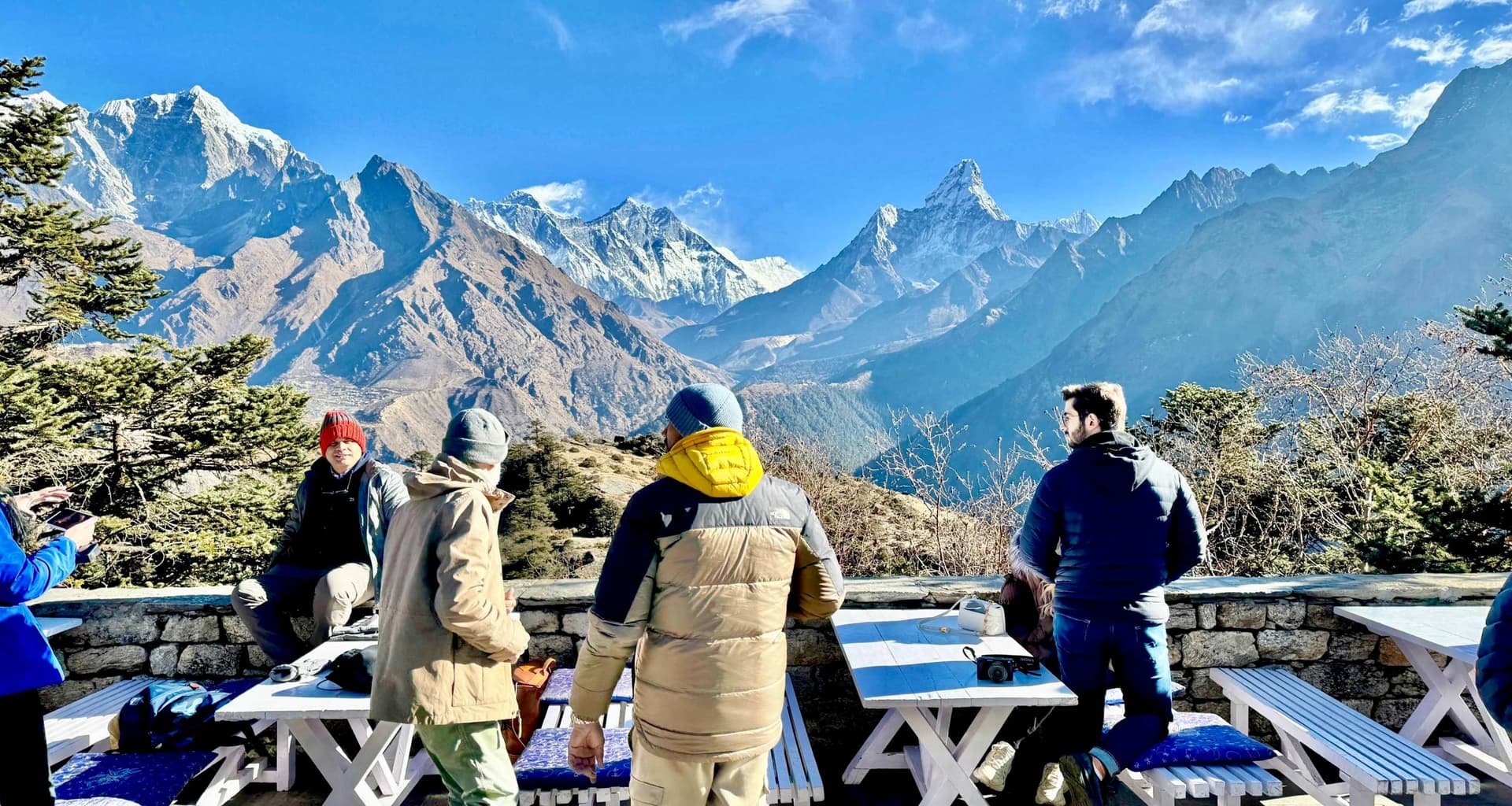
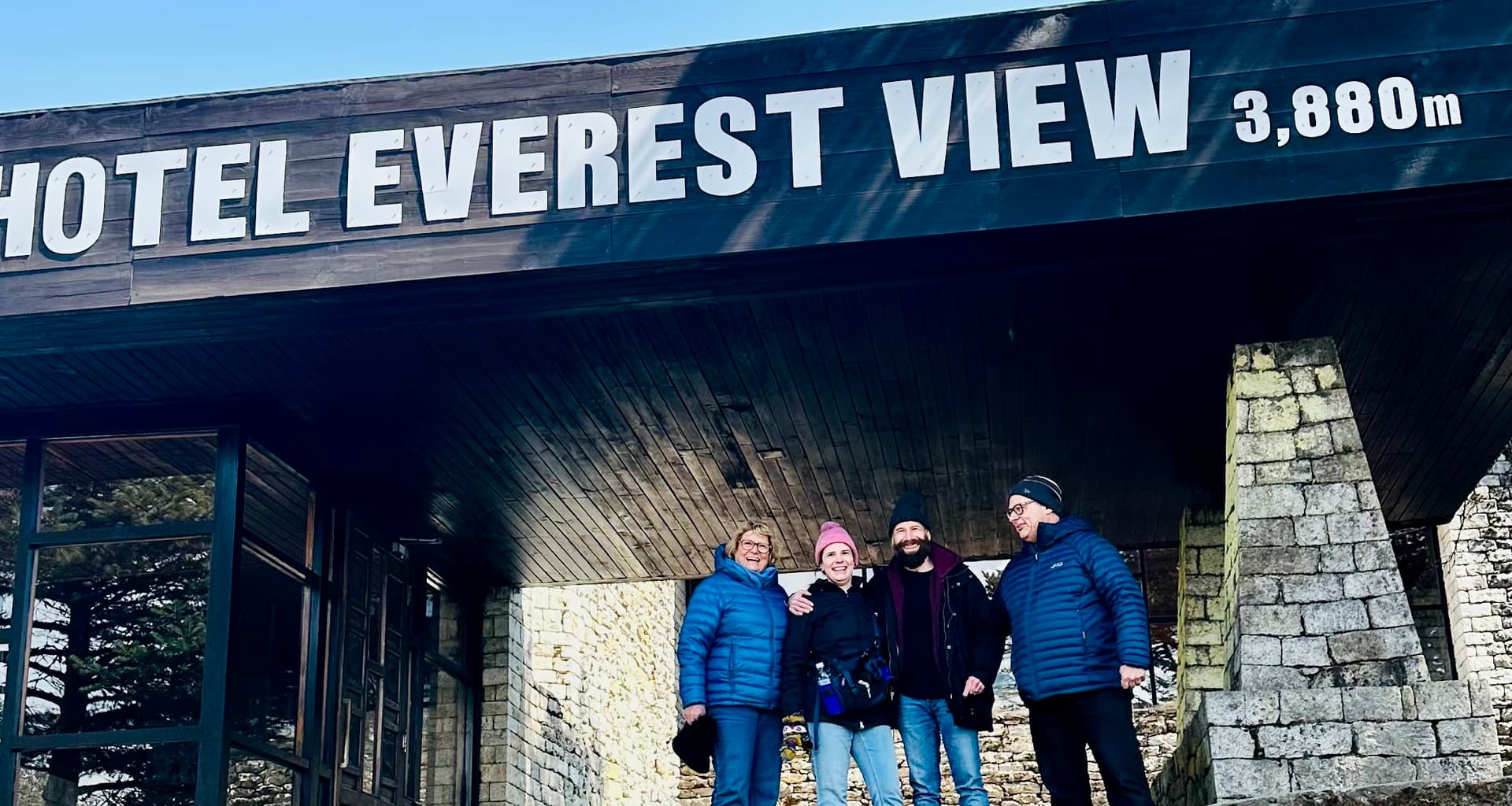
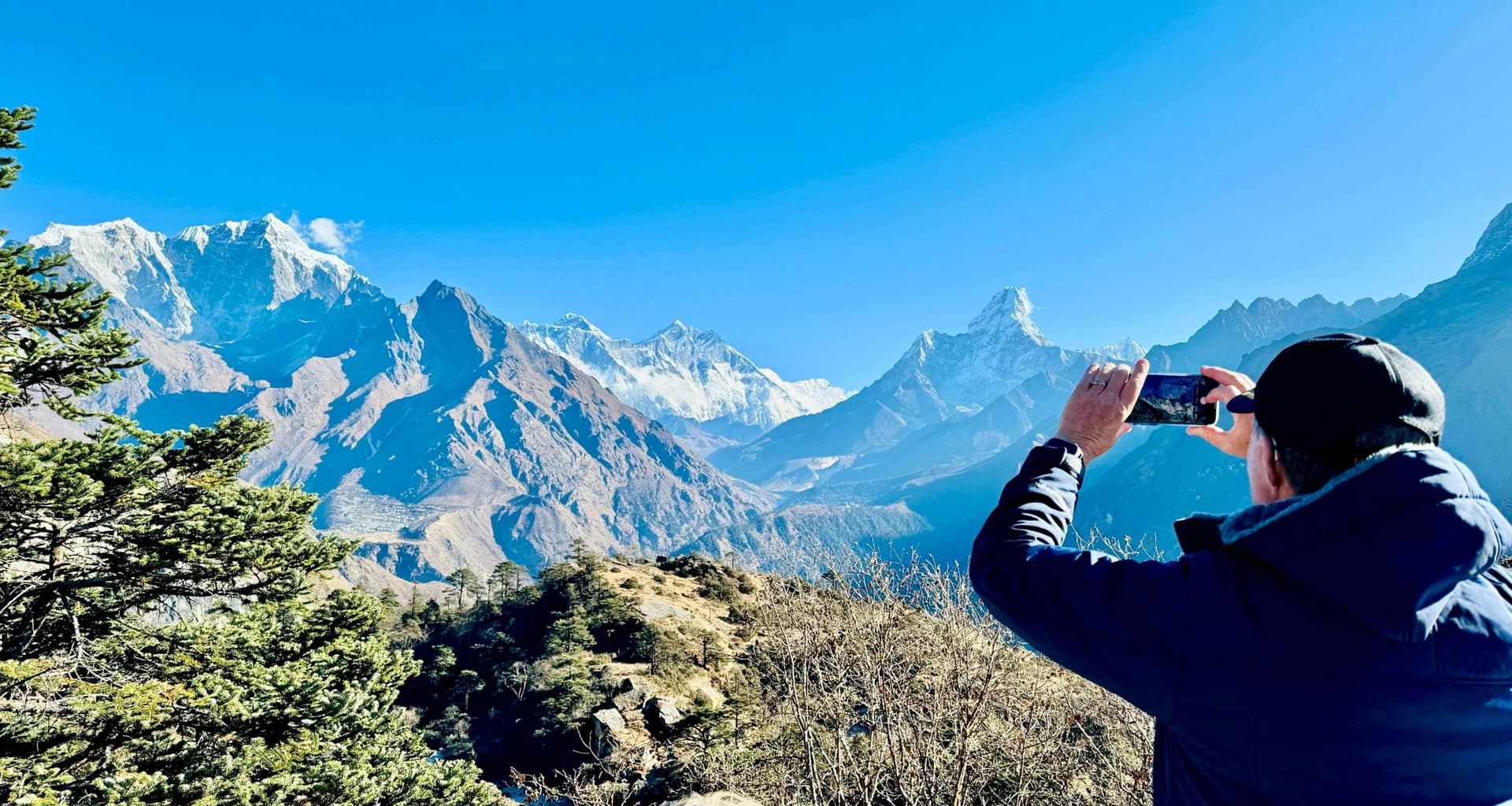
    • Everest View Hike – Short trek to the Everest View Hotel for panoramic vistas of Everest, Lhotse, and Ama Dablam.
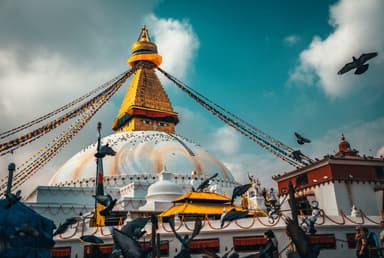
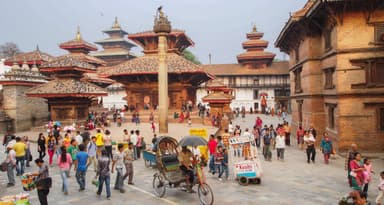
    • Cultural Immersion in Kathmandu – Guided tour of UNESCO World Heritage Sites including Swayambhunath, Boudhanath & Pashupatinath.
    • Fly to Bhutan – The Last Shangri-La – Transition from Nepal’s rugged mountains to Bhutan’s peaceful valleys and sacred monasteries.
      Explore Thimphu, Punakha & Paro – Discover Bhutanese culture, dzongs, local crafts, and tranquil landscapes.
    • Hike to Tiger’s Nest Monastery – Experience Bhutan’s iconic pilgrimage site, perched on a dramatic cliffside.
    • Full Cultural Experience – Traditional meals, expert local guides, and deep cultural insights in both countries.
    • Comfortable Logistics – All flights, transfers, permits, and accommodations seamlessly arranged for a worry-free journey.

    Route Overview

    This journey begins in Kathmandu, the cultural heart of Nepal, where you'll explore ancient temples and UNESCO World Heritage Sites. From there, take a thrilling flight to Lukla, the gateway to the Everest region, and trek through charming Sherpa villages like Phakding and Namche Bazaar, with a scenic acclimatization hike to Everest View Hotel offering glimpses of the world's highest peaks.

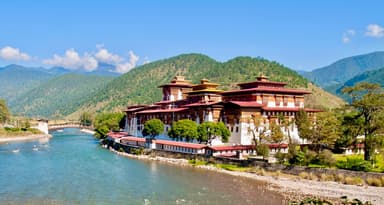
    After trekking, return to Kathmandu for a flight to the Kingdom of Bhutan. Arriving in Paro, you'll drive to Thimphu, Bhutan’s capital, then continue through the scenic mountain pass of Dochula to reach Punakha, home to one of Bhutan’s most majestic dzongs. Conclude your Bhutan experience in Paro, with a spiritual hike to the iconic Tiger’s Nest Monastery, before flying back to Kathmandu for your final departure.

    Alternative Tours You Might Also Like

    🇳🇵🇨🇳 Nepal and Tibet Cultural Sightseeing Tour – 10 Days
    Discover the spiritual and historical essence of two Himalayan kingdoms. Begin with a cultural deep-dive into Nepal’s Kathmandu Valley, followed by an overland adventure to Tibet’s Lhasa, exploring Potala Palace, Jokhang Temple, and ancient monasteries high on the plateau.

    🇮🇳🇳🇵 Golden Triangle Tour: India & Nepal Luxury Holidays – 11 Days
    A seamless blend of royal heritage and spiritual charm, this luxury tour covers India’s famed Golden Triangle – Delhi, Agra, and Jaipur – paired with Nepal’s mystical Kathmandu Valley. Enjoy top-tier accommodations, private guides, and exclusive experiences throughout.

    🇳🇵🇧🇹 12 Days Nepal & Bhutan Highlights Tour – Cultural, Wildlife & Scenic Tour
    Explore the best of both countries with heritage tours in Kathmandu, jungle safaris in Chitwan, serene lakes in Pokhara, and Bhutan’s tranquil valleys. A balanced itinerary offering nature, culture, and comfort.

    If you need any further information, please contact us by email: [email protected], Phone: +977- 985 100 5129 (WhatsApp)
    Itinerary

    Day

    1. Max. Elevation1400m
    2. Duration20-30 minutes
    3. Distance5-8 KM

    Upon landing at Tribhuvan International Airport (TIA) in Kathmandu, please follow the steps below for immigration, baggage collection, and meeting your tour representative:
    Nepal Visa on Arrival Process:

    Proceed to the Visa-on-Arrival counter.

    Fill out the arrival card and visa application form (available at kiosks).

    Submit:

    • Your valid passport (must be valid for at least 6 months).
    • A passport-sized photo (digital photos are accepted at kiosks).
    • Visa fee in USD:
    • 15 days – USD 30
    • 30 days – USD 50
    • 90 days – USD 125
    • Payment can be made in cash (USD preferred); card payment options may be available, but not always reliable.
    • Optionally, you can pre-fill the form online at Nepal Immigration up to 15 days before your arrival to speed up the process.

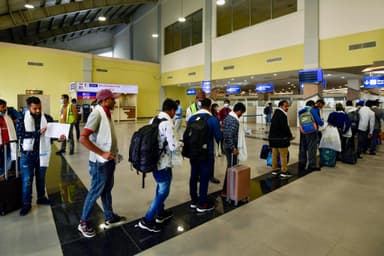
    After Immigration:

    • Go through the baggage scan area.
    • Proceed to the luggage collection belt and gather your belongings.
    • Head toward the exit terminal. You will pass through a waiting area where airport staff and travel companies greet passengers.

    Meeting Point – Important Instructions:

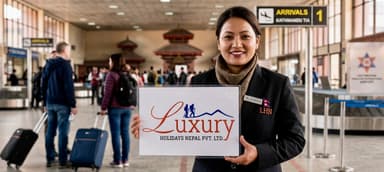
    Once you exit the terminal building, look for our representative standing outside with:

    • A placard bearing your name
    • A Luxury Holidays Nepal welcome board.

    Our team will assist you with luggage and transfer you in a private luxury vehicle to your hotel in Kathmandu.

    After check-in, you’ll have time to rest or explore nearby. Later in the evening, you’ll attend a pre-trip briefing with your guide to go over trek logistics and final preparations.

    1. Max. Elevation1400m
    2. Duration5-6 Hours
    3. Distance30 KM

    After breakfast, begin your full-day cultural exploration of the Kathmandu Valley, guided by a local expert. You’ll visit four of the most iconic UNESCO World Heritage Sites:

    Swayambhunath Stupa (Monkey Temple):
    Perched atop a hill, this ancient stupa offers 360° views of Kathmandu Valley. It’s a sacred pilgrimage site for both Buddhists and Hindus, famous for its all-seeing Buddha eyes and mischievous monkeys.

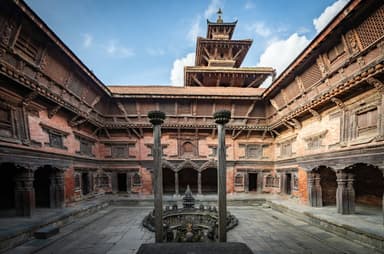
    Patan Durbar Square:
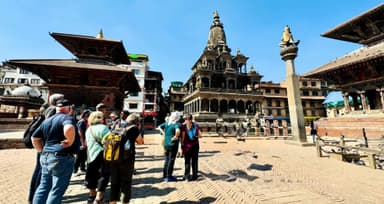
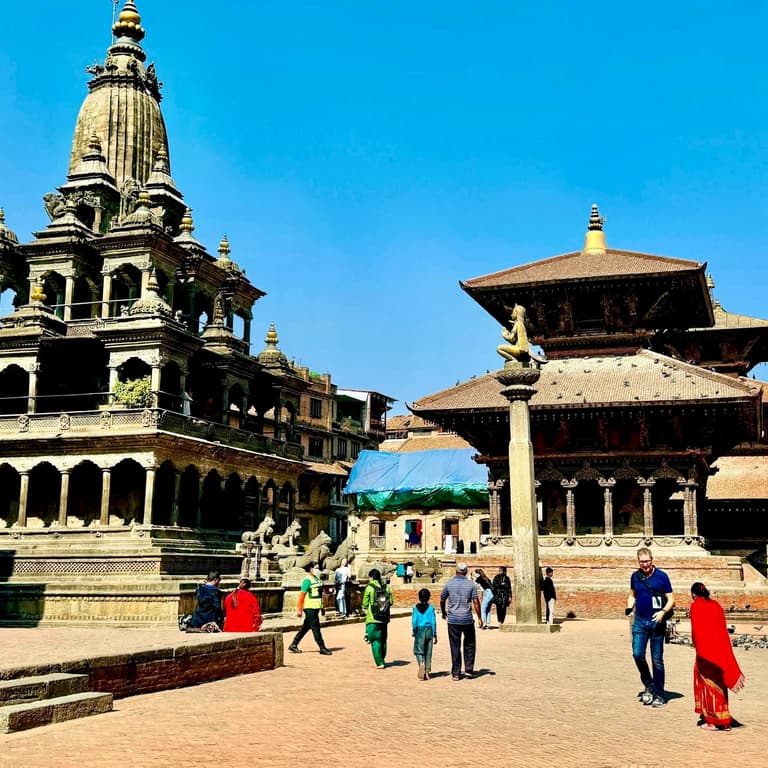
    Located in the historical city of Lalitpur, Patan Durbar Square is known for its exquisite Newari architecture, royal palace complex, temples, and art museums.

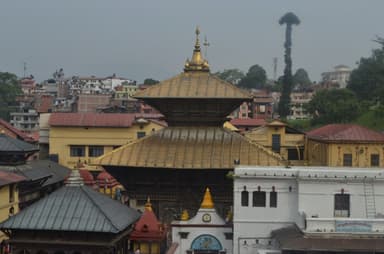
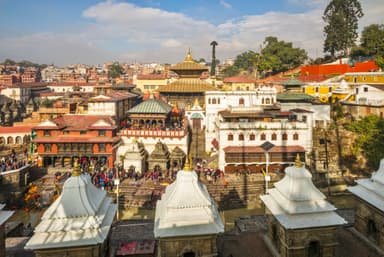
    Pashupatinath Temple:
    The most sacred Hindu temple complex in Nepal, located along the banks of the Bagmati River. Here, you can observe religious rituals and the spiritual significance of life and death in Hindu culture.

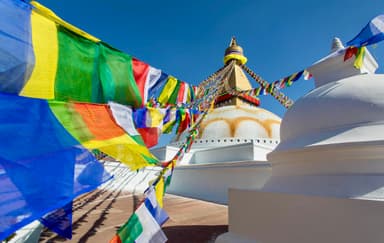
    Boudhanath Stupa:
    One of the largest spherical stupas in the world, this Tibetan Buddhist site is surrounded by prayer wheels, monasteries, and a peaceful spiritual atmosphere. A perfect place to witness monks in prayer and colorful prayer flags in the wind.

    Return to your hotel in the evening. The rest of the evening is free for rest or personal exploration.

    1. Max. Elevation2860m
    2. Duration30 Minutes Flight
    3. DistanceFlight

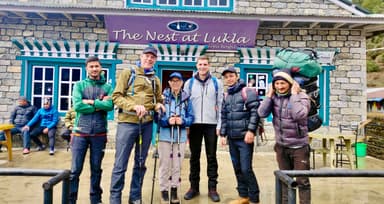
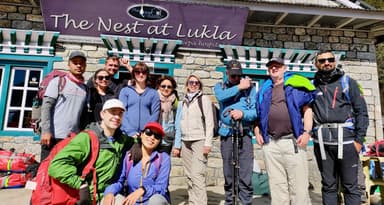
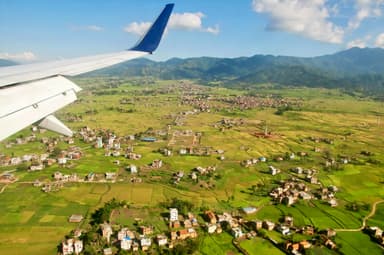
    Rise early for your domestic flight to Lukla (Either from Tribhuwan Domestic Airport or Manthali Airport), one of the world’s most scenic and thrilling air routes, offering magnificent views of the Himalayas. Upon landing at the Tenzing-Hillary Airport in Lukla, meet your trekking crew, finalize packing, and begin your adventure on foot.

    Your first day of trekking is a relatively easy walk to Phakding, descending through pine forests, crossing suspension bridges, and passing through picturesque Sherpa villages. This route follows the Dudh Koshi River, and the trail is a great introduction to the landscape, culture, and rhythm of the Khumbu region.

    1. Max. Elevation3440m
    2. Duration5–6 hours
    3. Distance10–11 km

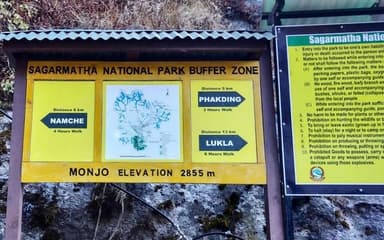
    After breakfast, continue your trek along the scenic trail that leads you through pine forests, suspension bridges, and Sherpa settlements. Today’s route is both challenging and rewarding, with a gradual ascent along the Dudh Koshi River and into Sagarmatha National Park.

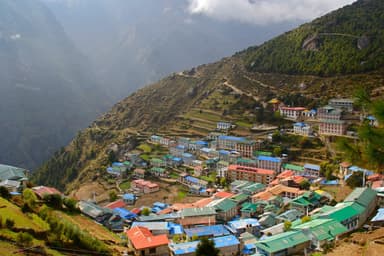
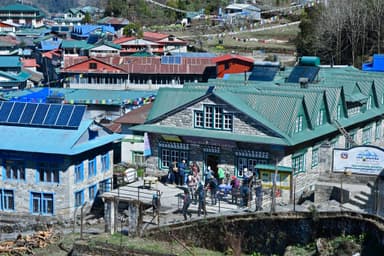
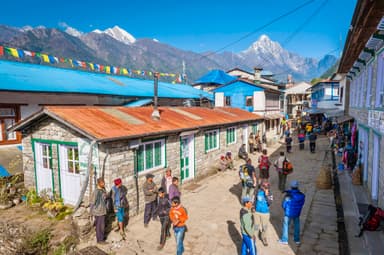
    After crossing the iconic Hillary Suspension Bridge, you'll face a steady uphill climb through dense alpine forest. Eventually, you'll reach the vibrant mountain town of Namche Bazaar, the gateway to the Everest region and the largest Sherpa settlement in the area. Take the rest of the day to rest and explore the village’s cafes, bakeries, and local markets.

    1. Max. Elevation3880m
    2. Duration2 Hours
    3. Distance5–6 km round trip

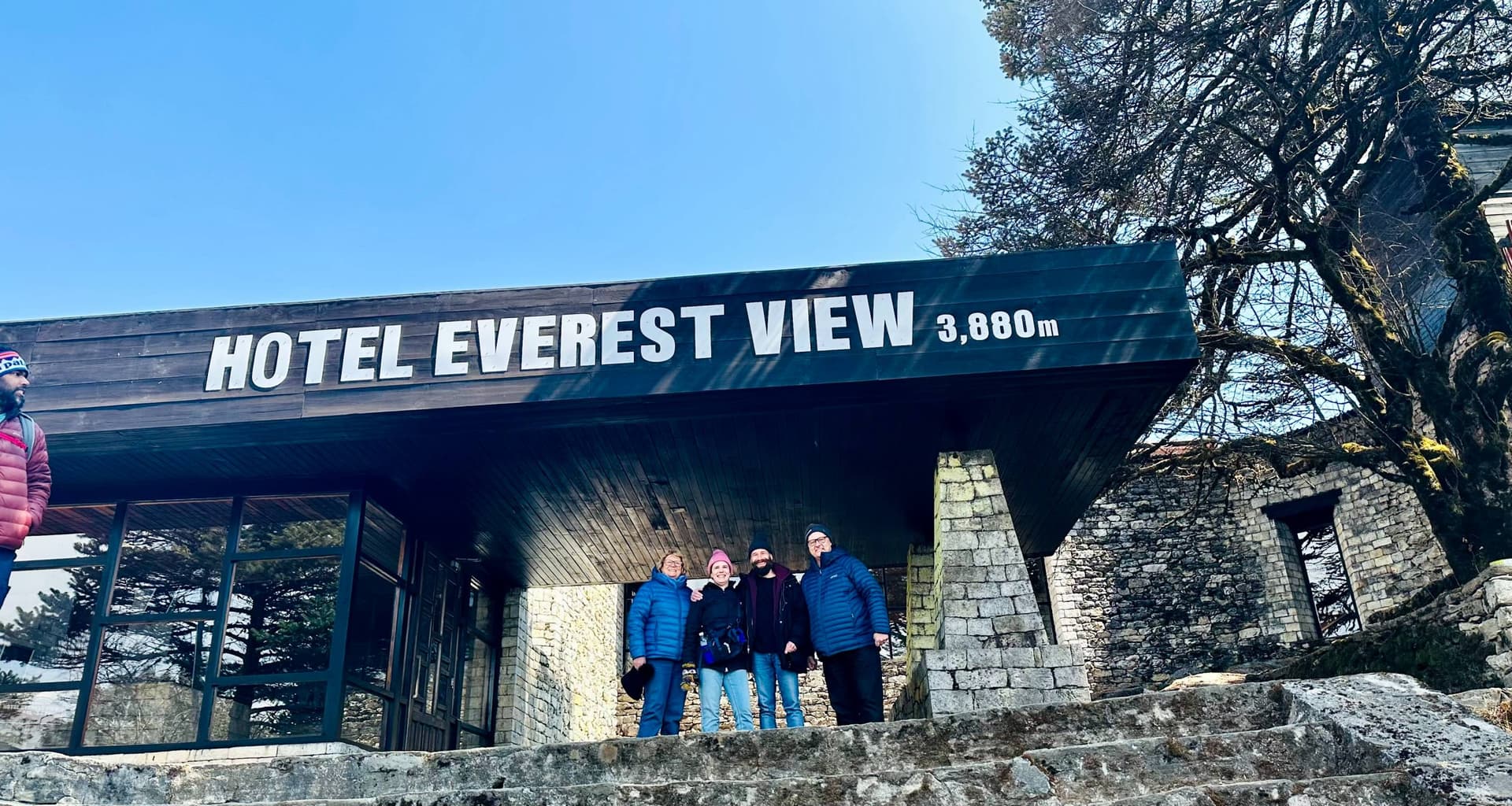
    Today is an acclimatization day, which helps your body adjust to the altitude. After breakfast, take a short but steep hike to the famous Everest View Hotel (3,880m), one of the highest-altitude hotels in the world.

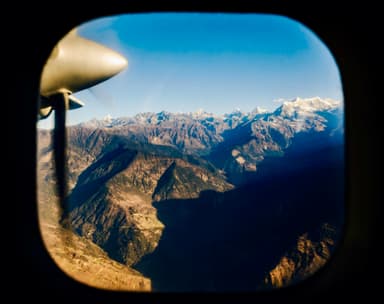
    From the hotel, enjoy panoramic views of Mount Everest, Lhotse, Nuptse, Ama Dablam, and other Himalayan peaks. On the way, you may also visit the Khumjung Monastery and Sir Edmund Hillary School, adding cultural context to the stunning natural surroundings.

    Afterward, return to Namche Bazaar for a relaxing afternoon. You can explore the Sherpa Museum or simply rest and soak in the mountain atmosphere.

    1. Max. Elevation2860m
    2. Duration6–7 hours
    3. Distance18–20 km

    Begin your descent early as you retrace your steps along the Dudh Koshi River. Although it's mostly downhill, the long trail still demands energy and attention, especially on rocky paths and staircases.

    Enjoy the return journey through rhododendron forests, riverside villages, and final crossing of suspension bridges before reaching Lukla, where your trek concludes. Celebrate your accomplishment with your trekking team and reflect on your Himalayan experience.

    1. Max. Elevation1400m
    2. Duration35 Minutes Flight
    3. Distance5-8 KM

    After an early breakfast at your lodge in Lukla, you'll take a scenic morning flight back to Kathmandu, offering final aerial glimpses of the snow-covered Himalayan range. Upon arrival at Tribhuvan International Airport, you'll be transferred to your hotel in a private vehicle. The rest of the day is yours to rest, relax, or explore Kathmandu at your own pace. You may choose to visit local markets, enjoy a massage, or indulge in some local cuisine.

    1. Max. Elevation2200m
    2. Duration1.5 Hours
    3. DistanceBy Flight

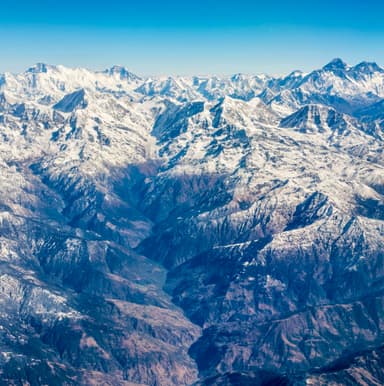
    After breakfast, transfer to Tribhuvan International Airport for your international flight to Paro, Bhutan. This short yet majestic flight offers stunning views of Everest, Kanchenjunga, and other Himalayan peaks.

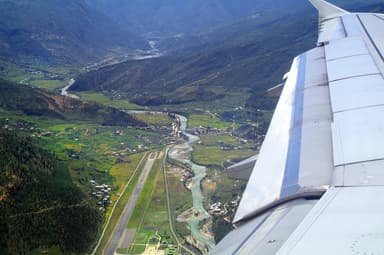
    Upon arrival at Paro International Airport, your Bhutanese guide and driver will welcome you. After visa clearance, enjoy a scenic drive (1.5–2 hours) to Thimphu, Bhutan’s charming capital nestled in a peaceful valley. On the way, stop at the Tachog Lhakhang iron bridge and admire the natural beauty of the Paro and Thimphu rivers.
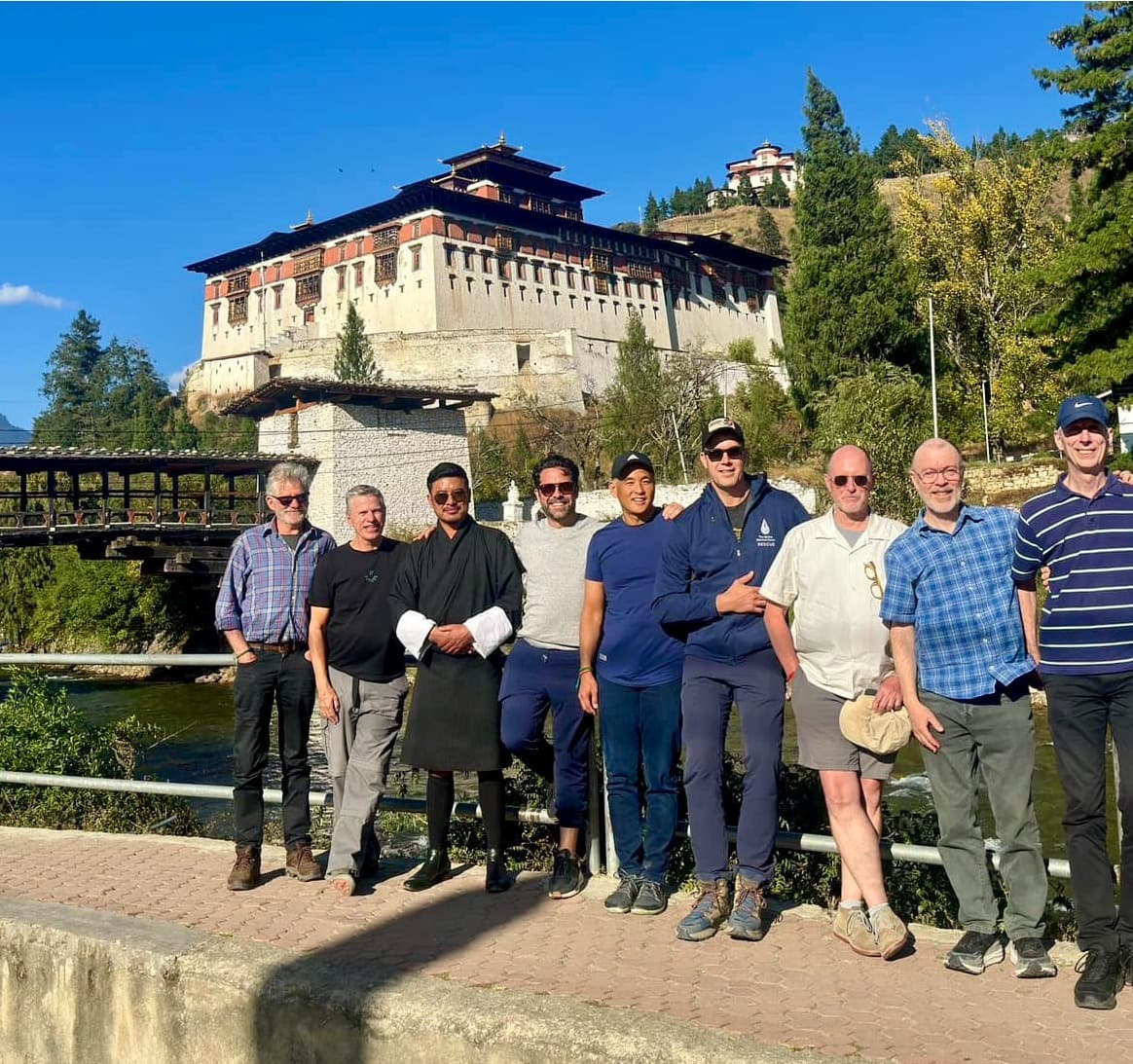
    Upon arrival in Thimphu, check in to your hotel and enjoy free time to unwind or explore the nearby streets.

    1. Max. Elevation2200m
    2. DurationFull-day sightseeing
    3. Distance15–20 km city tour

    Today, you’ll explore Bhutan’s capital on a guided sightseeing tour, discovering a harmonious blend of tradition and modernity. Highlights include:

    • Memorial Chorten – A sacred stupa built in honor of the third king of Bhutan.
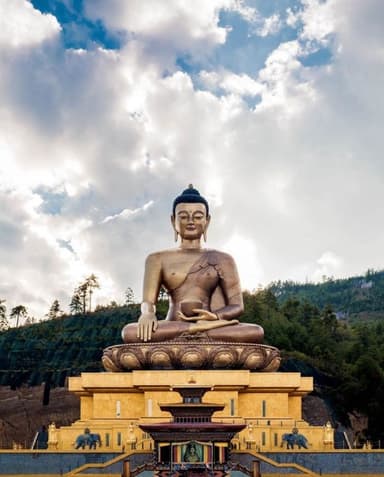
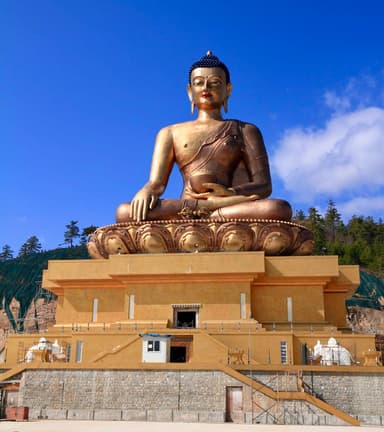
    • Buddha Dordenma – One of the largest sitting Buddha statues in the world, offering panoramic valley views.
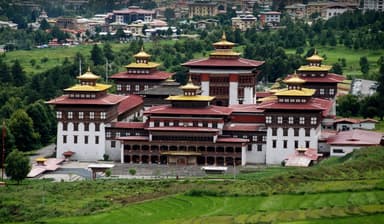
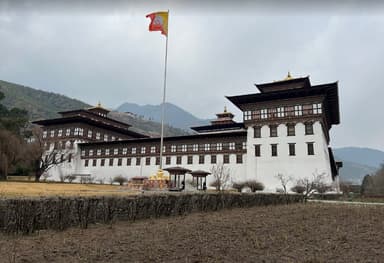
    • Tashichho Dzong – The impressive fortress-monastery that houses Bhutan's government offices and monastic body.
    • Folk Heritage Museum – Showcasing rural Bhutanese life and traditional tools.
    • School of Arts and Crafts (Zorig Chusum) – Where students learn 13 traditional Bhutanese arts.

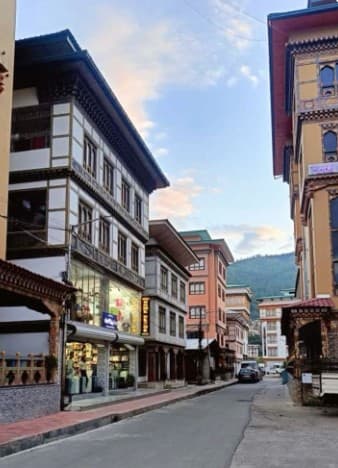
    In the evening, enjoy a leisurely stroll through Thimphu’s vibrant main street, visit local craft stores, or relax at your hotel.

    1. Max. Elevation3100m
    2. Duration1 Hours
    3. Distance85 km

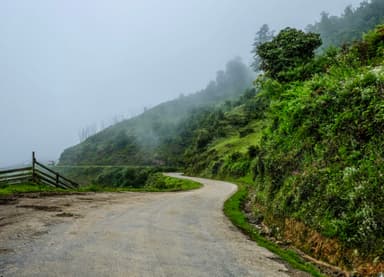
    After breakfast, embark on a scenic drive from Thimphu to Punakha, passing through the stunning Dochula Pass (3,100m). On a clear day, you'll enjoy spectacular panoramic views of the eastern Himalayas.

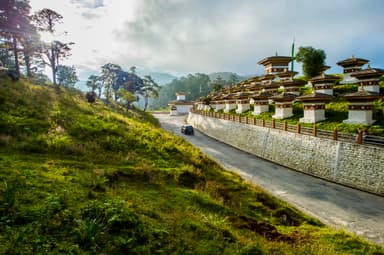
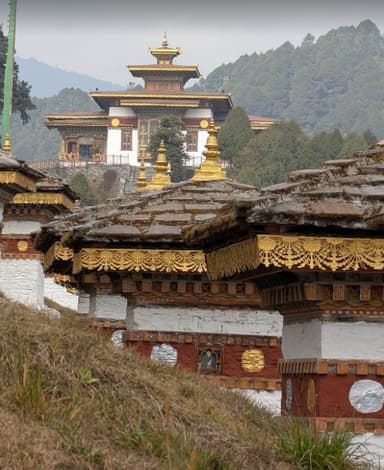
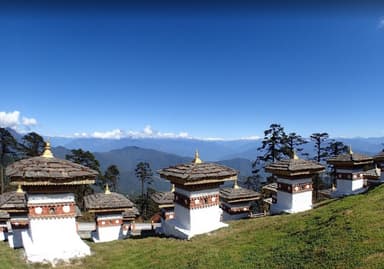
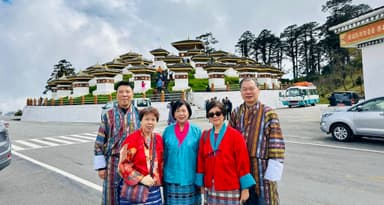
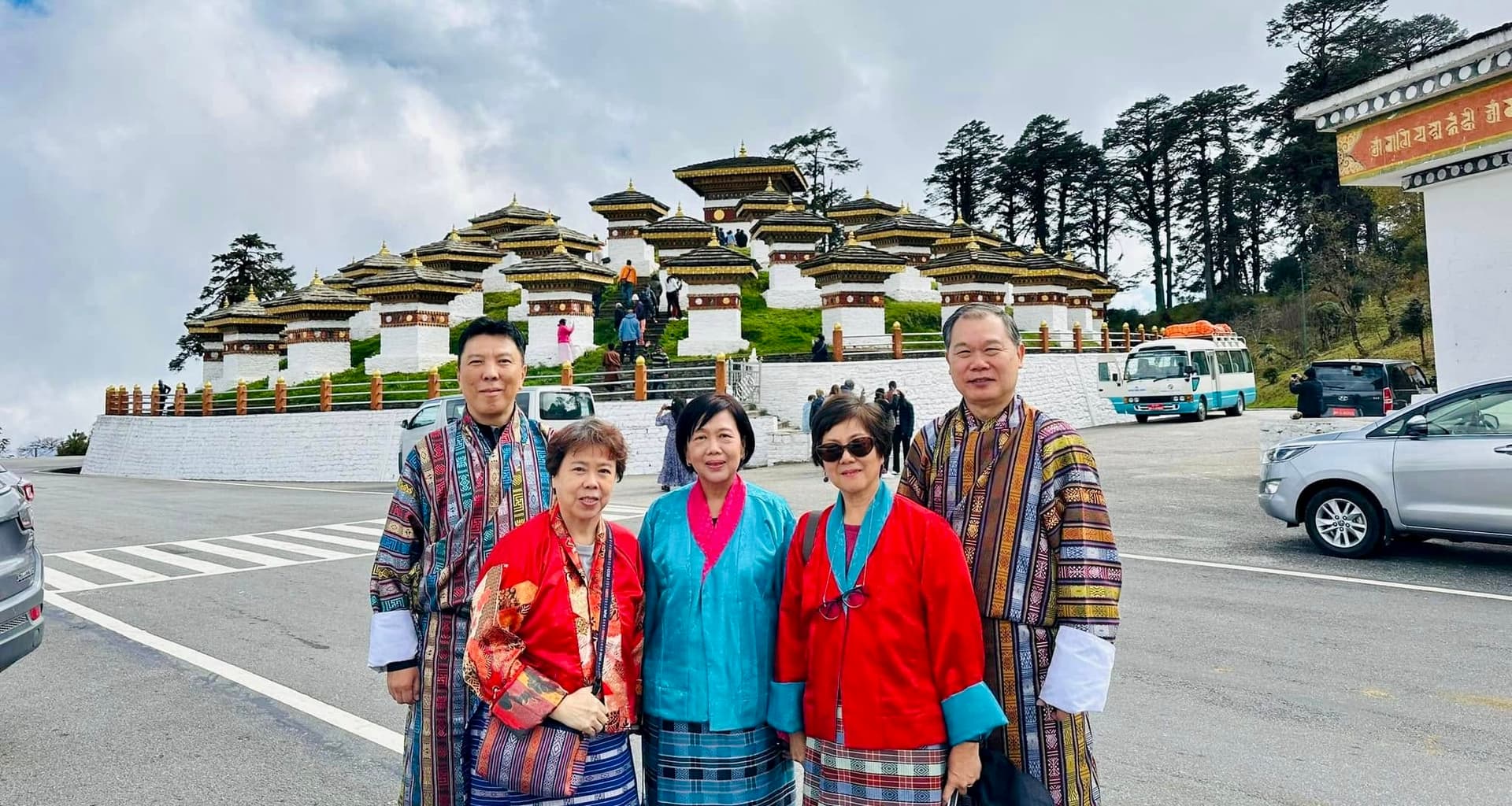
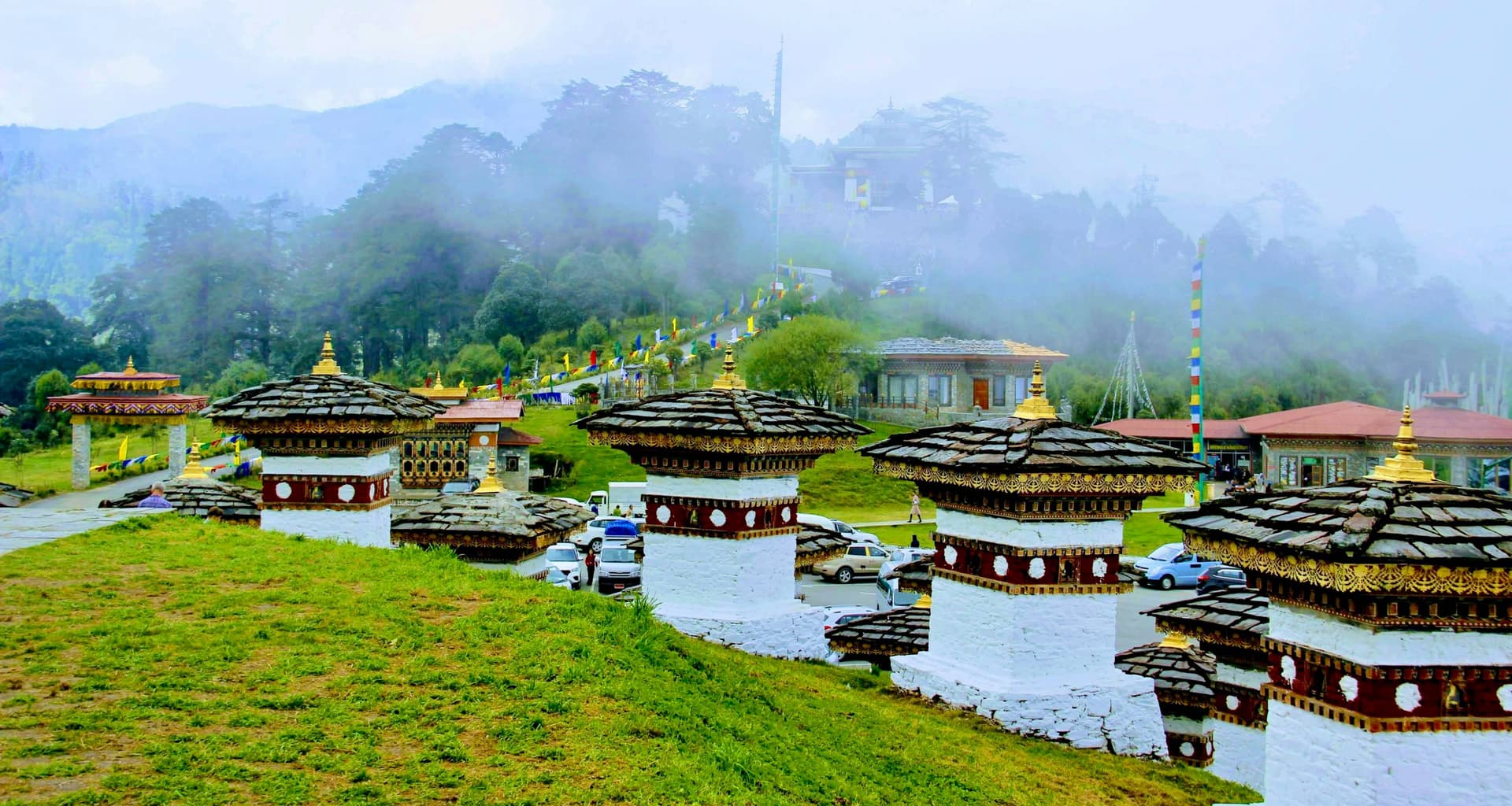
    At the pass, explore the Druk Wangyal Chortens, a collection of 108 memorial stupas, and the Druk Wangyal Lhakhang temple. Continue your journey downhill through lush forests and rural landscapes until you reach the Punakha Valley.

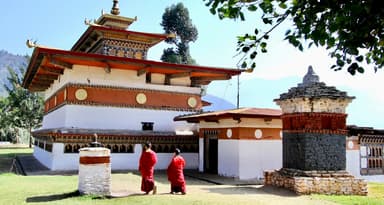
    Upon arrival, visit the iconic Punakha Dzong—Bhutan’s most majestic fortress, strategically located between the Pho Chu and Mo Chu rivers. If time permits, enjoy a short walk through rice paddies to visit Chimi Lhakhang, the fertility temple dedicated to the Divine Madman, Lama Drukpa Kunley.

    1. Max. Elevation2200m
    2. Duration4–5 hours

    After breakfast, enjoy any remaining sights in Punakha or simply take in the peaceful surroundings of the valley. Midday, depart for your return drive to Paro, retracing your route via Dochula Pass. En route, stop for photos or tea breaks and enjoy the gradual change in scenery as you descend into Paro Valley.

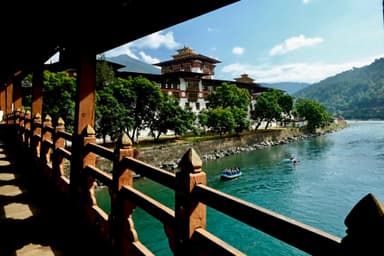
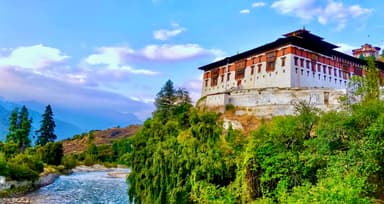
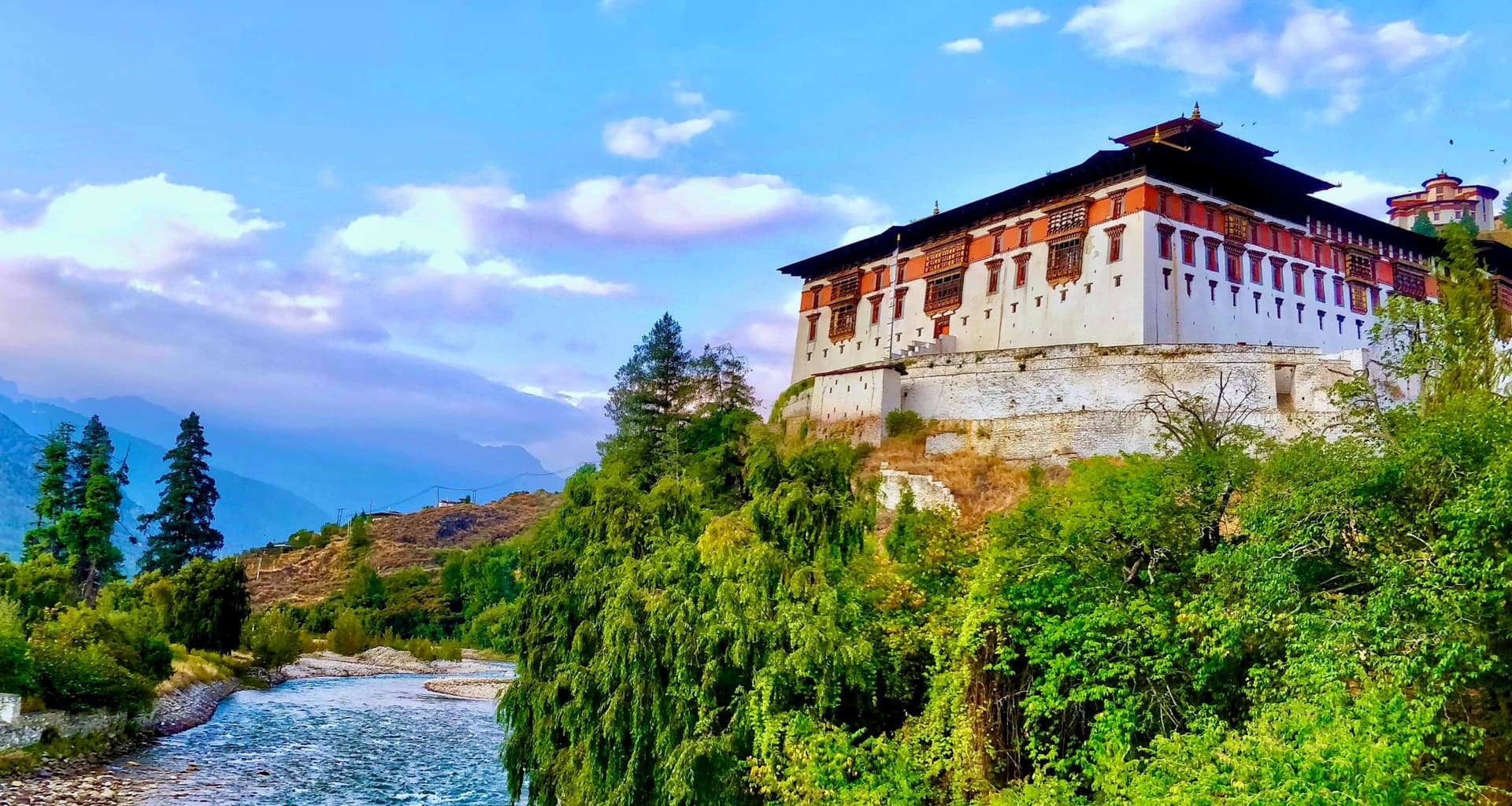
    Upon arrival in Paro, check into your hotel and relax. In the evening, you may visit the Paro Rinpung Dzong, a striking example of Bhutanese architecture that overlooks the Paro River, or stroll along the charming town center.

    1. Max. Elevation3120m
    2. Duration3 Hours
    3. Distance5–6 km round trip

    Today is the spiritual highlight of your Bhutan journey. After breakfast, drive a short distance to the trailhead and begin your hike to Taktsang Monastery (Tiger’s Nest), Bhutan’s most iconic site.

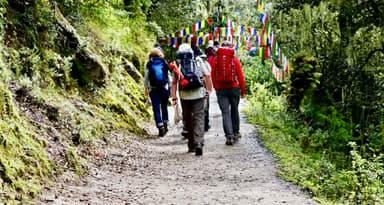
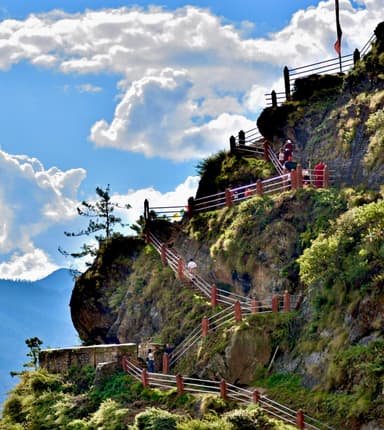
    Clinging dramatically to a cliff 900 meters above the Paro Valley floor, this sacred monastery is believed to be where Guru Padmasambhava meditated in the 8th century. The hike takes around 2–3 hours uphill, depending on pace, and passes through forests of pine and prayer flags.

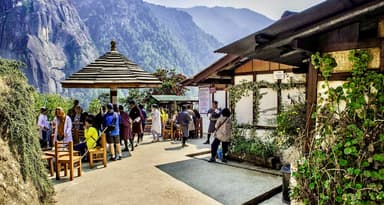
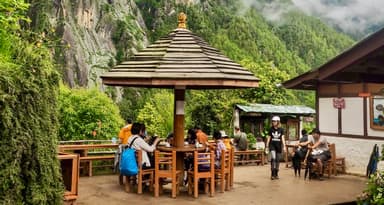
    You’ll stop at a viewpoint cafeteria for tea and stunning views before continuing to the monastery. After visiting the monastery, return via the same route and enjoy a relaxed afternoon back in Paro.

    1. Max. Elevation1400m
    2. Duration1 hour
    3. Distanceby flight

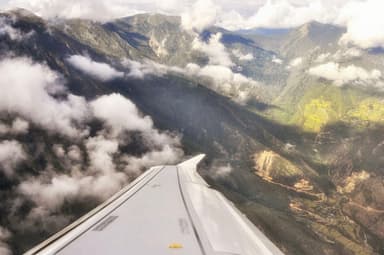
    After breakfast at your hotel in Paro, transfer to Paro International Airport for your return flight to Kathmandu, Nepal. This scenic flight offers one last chance to admire the Himalayan peaks from above.

    Upon arrival at Tribhuvan International Airport, you’ll be greeted by our team and transferred to your hotel in Kathmandu. The rest of the day is free for you to relax, shop for souvenirs, or explore the city at your leisure. You may also choose to enjoy an optional farewell dinner or cultural evening (if not already included earlier in the trip).

    1. Max. Elevation1400m
    2. Duration20 - 30 Minutes
    3. Distance5-8 km

    Today marks the end of your unforgettable journey through the Himalayas. After breakfast, our team will assist you with your transfer to Tribhuvan International Airport for your final departure. We hope your journey through Nepal and Bhutan leaves you with lifelong memories of natural wonders, spiritual sites, and heartfelt cultural experiences.

    If the provided schedule isn't suitable for you, we are able to create personalized travel arrangements according to your preferences and requirements.

    Customize Trip

    Cost, Inclusions/Exclusions & Availability

    Select Package

    Choose your trip type

    Featured

    Standard Option Package Price

    ★★★ Nepal – Standard (3-Star) / Bhutan – Standard (3-Star) / Trekking - Standard Guest Houses

    US $Infinityper traveller

    Inclusions/Exclusions

    • ARRIVAL AND DEPARTURE:
      All ground transport in a private vehicle, including airport pick-up and drop-off upon arrival and departure in Kathmandu and Paro.
    • ACCOMMODATION IN NEPAL:
      3-Star hotel in Kathmandu (Hotel Holy Himalaya or Kantipur Village) on a twin/double sharing basis with breakfast.
      Standard guesthouses with best available options during the trek with all standard meals (breakfast, lunch, and dinner) included.
    • ACCOMMODATION IN BHUTAN:
      Thimphu: Hotel Pedling, Hotel Amodhara, or Hotel Gakyil
      Punakha: Hotel Vara, Punakha Residency, or Hotel Sonamgang
      Paro: Mandala Resort, Metta Resort, or Zhideychen Resort
    • DOMESTIC:
      Kathmandu–Lukla–Kathmandu domestic flights
    • PERMITS & VISAS:
      Trekking permits (Sagarmatha National Park, TIMS, local fees)
      Bhutan Tourist Visa and monument entrance fees
    • SIGHTSEEING & TOURS:
      Guided tours in Kathmandu, Thimphu, Punakha, and Paro with entrance fees
    • MEALS:
      Breakfast in Kathmandu
      All meals during the trek and in Bhutan
    • GUIDES & STAFF:
      English-speaking guides in Nepal and Bhutan
      Porters during trek (1 per 2 trekkers), with staff wages and insurance
    • TRANSPORTATION:
      All transfers in a private vehicle
    • MEDICAL & SAFETY:
      First-aid kit and staff insurance
      Rescue insurance for Nepali staff
    • EXTRAS:
      Trekking map, duffel bag, and farewell dinner in Kathmandu
    • INTERNATIONAL AIRFARE:
      International flights to/from Nepal (Kathmandu) and any airfare not explicitly mentioned in the itinerary.
    • NEPAL VISA:
      Nepal Entry Visa (Visa on Arrival available at Tribhuvan International Airport).
      Visa Fees:
      15 Days – USD 30
      30 Days – USD 50
      90 Days – USD 125
    • TRAVEL INSURANCE:
      Comprehensive travel insurance is mandatory. It must cover:
      Medical treatment
      High-altitude rescue and evacuation
      Trip cancellation and interruption
      Repatriation
    • MEALS IN KATHMANDU:
      Lunch and dinner in Kathmandu (except the included farewell dinner). Meals during free time or extra days are not included.
    • PERSONAL EXPENSES:All personal expenses including:
      Alcoholic and soft beverages
      Snacks and bottled drinks
      Laundry services
      Telephone, internet, and Wi-Fi charges
      Battery charging during the trek
    • TIPS & GRATUITIES:
      Tips for guides, porters, drivers, and other service staff (tipping is customary and highly appreciated).
    • ADDITIONAL SERVICES:
      Any extra activities, services, or sightseeing not mentioned under the “Cost Includes” section.
    • EXTRA NIGHTS & DELAYS:
      Any additional accommodation or expenses due to:
      Early arrival
      Late departure
      Flight delays or cancellations (Kathmandu or Lukla)
      Early return from the trek
    • FILMING & EQUIPMENT FEES: Special permits are required for the use of:
      Drones
      Professional video or photography equipment
      Filming in restricted areas of Nepal or Bhutan
    • Add-On Options (Available Upon Request)
      Kathmandu–Paro–Kathmandu International Round-Trip Flight
      Overnight Stay at Hotel Everest View (with Everest Panorama Flyover or Trek)
      Upgrade to Mountain Lodges of Nepal in Lukla, Namche, and Phakding (Luxury Standard Lodges with attached bathrooms and enhanced services)

    Dates & Availability

    For the Nepal to Bhutan: Trekking the Himalayas & Exploring the Last Shangri-La – 14 Days, your journey begins with your arrival in Kathmandu on Day 1. Please ensure your flight lands at Tribhuvan International Airport on the scheduled day to allow for airport transfer and the pre-trip briefing.

    The tour concludes on Day 14 with your departure from Kathmandu. Kindly schedule your return flight accordingly to allow enough time for hotel check-out and airport transfer. Matching your flights to the itinerary ensures a comfortable and stress-free conclusion to your Himalayan journey.

    Book This Trip Now

    Traveller Review

    • Tripadvisor

      5.0928 reviews
    • Google

      4.8114 reviews
    • Facebook

      4.1 recommend44 Reviews
    • Trusted by50K plus traveller
    • ”
      P

      Priya Desai

      -, AF
      Verified Review

      Trekking High, Living Deep – Loved It!

      November 29, 2024

      Two countries, one epic journey! From hiking through the Annapurna region to exploring the calm, spiritual side of Bhutan, every day brought something new. The guides were absolutely amazing and made sure we felt safe, informed, and cared for. Luxury Holidays Nepal planned everything flawlessly. A dream trip I’ll never forget.

    • ”
      D

      David Taylor

      Dallas, US
      Verified Review

      Luxury Amidst the Clouds

      March 11, 2024

      The Everest View Trek was an incredible adventure, made even better by the luxury accommodations provided by Luxury Holidays Nepal. Their attention to every detail was impeccable.

    • ”
      S

      Sarah Harris

      Melbourne, AU
      Verified Review

      Everest Luxury Adventure

      March 10, 2024

      The Everest View Trek was an adventure of a lifetime. Luxury Holidays Nepal provided a level of service and luxury that exceeded all expectations.

    • ”
      J

      Joshua Miller

      Melbourne, AU
      Verified Review

      Exquisite Everest Experience

      March 09, 2024

      From the scenic helicopter ride to the luxury lodges, every aspect of our Everest trek was managed flawlessly by Luxury Holidays Nepal. Their professionalism and care were exceptional.

    • ”
      M

      Matthew Jones

      Brisbane, AU
      Verified Review

      Unmatched Hospitality on Everest

      March 07, 2024

      Trekking to Everest Base Camp offered breathtaking views and a challenging adventure. Luxury Holidays Nepal provided luxury accommodations that were a welcome comfort after a day of trekking.

    Read More ReviewsWrite a Review

    Good to Know

    Flight Information

    Nepal

    • Your international arrival and departure airport is Tribhuvan International Airport (KTM), Kathmandu.
    • A domestic round-trip flight is included from Kathmandu to Lukla and back. During peak seasons, you may need to drive to Manthali (4–5 hours) and fly to Lukla from there.
    • Please schedule your arrival in Kathmandu on Day 1 and your departure from Kathmandu on Day 14 to match the itinerary.

    Bhutan

    • Your Bhutan entry will be via Paro International Airport (PBH), typically from Kathmandu.
    • The Kathmandu–Paro round-trip flight is arranged as part of the tour.
    • Flights to Paro are limited and weather-dependent, so early bookings and flexible scheduling are recommended.

    Visa Information

    Nepal

    Visa on Arrival is available for most nationalities at Tribhuvan International Airport.

    Requirements include a passport valid for 6 months, a passport-sized photo, and the visa fee:

    • 15 Days: USD 30
    • 30 Days: USD 50

    You can fill out the visa form online in advance via Nepal’s official immigration website.

    Bhutan

    • A Bhutanese Tourist Visa is arranged in advance by your tour operator.
    • A copy of your passport (valid for 6 months) must be submitted prior to the tour.
    • The visa fee is included in your package and covers all necessary permits.

    Travel Insurance

    Nepal

    • Travel insurance is mandatory and must cover:
    • High-altitude trekking (above 3,000 meters)
    • Medical treatment and evacuation
    • Trip cancellation or interruption

    Bhutan

    Though Bhutan has a lower altitude and fewer physical risks, travel insurance is still strongly recommended.

    It should cover:

    • Medical emergencies
    • Trip cancellation or delays
    • Lost luggage or personal belongings

    Health and Physical Fitness

    Nepal

    • The trek to Namche Bazaar is moderate in difficulty, reaching altitudes up to 3,880m (Everest View Hotel).
    • Basic trekking experience is helpful but not essential.
    • Participants should be in good physical condition, able to walk 5–7 hours per day.
    • It is recommended to do light cardio and hiking training 2–3 weeks before arrival.

    Bhutan

    • The cultural sightseeing involves light walking and a moderate hike to Tiger’s Nest Monastery (approx. 4–5 hours round trip at 3,120m).
    • No prior trekking experience is required, but a reasonable fitness level is advised.

    Weather Conditions

    Nepal

    • Best seasons: Spring (March–May) and Autumn (September–November) for clear skies and moderate temperatures.
    • Lukla flights are weather-dependent; delays are possible in monsoon or winter.
    • Temperatures in the mountains can drop significantly, especially at night.

    Bhutan

    • Bhutan is pleasant year-round, but the best travel months are March–May and September–November.
    • Days are generally clear and sunny, especially in spring and autumn.
    • The Tiger’s Nest hike can be slippery during rain, so proper footwear is essential.

    Cultural Considerations

    Nepal

    • Nepal is a deeply spiritual country with strong Hindu and Buddhist traditions.
    • Dress modestly, especially when visiting temples and monasteries—cover shoulders and avoid shorts.
    • Always remove your shoes before entering a temple or someone's home.
    • Use your right hand when offering or receiving something, as the left is considered unclean.
    • Public displays of affection are not common; it’s respectful to avoid them.
    • Be mindful when taking photos of people or religious ceremonies—always ask permission.

    Bhutan

    • Bhutan is a conservative and highly spiritual country where Bhuddhism influences daily life.
    • Dress respectfully and conservatively in public and religious sites.
    • Do not point your finger at sacred objects or statues.
    • When visiting dzongs and monasteries, hats, shoes, and sunglasses must be removed.
    • Refrain from loud conversations and maintain a respectful tone in sacred places.

    Tipping Guidelines

    Nepal

    • Tipping is customary and appreciated, especially in the tourism and hospitality sectors.
    • General recommendations:
    • Guide: USD 5–10 per day per person
    • Porter: USD 3–5 per day per person
    • Drivers: USD 3–5 per day
    • Restaurants: 5–10% of the bill if service charge is not included

    Bhutan

    • Tipping is expected but not mandatory. It is seen as a gesture of appreciation.
    • Guidelines:
    • Tour Guide: USD 10–15 per day per person
    • Driver: USD 5–10 per day per person
    • Group tips can also be given in a single envelope at the end of the trip.

    Safety & Security

    Nepal

    • Nepal is generally safe for tourists, with a welcoming and helpful population.
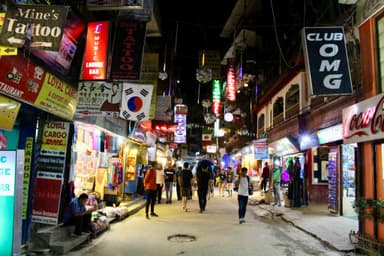
    • Be aware of your belongings in crowded places such as Thamel or public transportation.
    • When trekking, always stay with your guide, avoid shortcuts, and follow local advice regarding trail safety and weather.
    • Natural hazards like landslides or flight delays can occur in remote mountain areas.

    Bhutan

    • Bhutan is one of the safest countries in the world with low crime rates and high community trust.
    • Violent crime is almost unheard of, but always be respectful of local laws and customs.
    • Roads are mountainous and winding; always wear seatbelts during drives.
    • Avoid smoking in public spaces as Bhutan has strict regulations on tobacco use.

    Currency and Money Matters

    Nepal

    • The local currency is Nepalese Rupee (NPR).
    • Major currencies like USD, EUR, GBP can be exchanged at banks or licensed money changers.
    • ATMs are widely available in Kathmandu and major cities, but may not work in remote areas like Lukla or Namche.
    • Carry small bills for tips, minor purchases, and rural areas.

    Bhutan

    • The official currency is Bhutanese Ngultrum (BTN), and Indian Rupees (INR) are also widely accepted (except ₹500 and ₹2,000 notes).
    • Credit cards are accepted at most mid-range and luxury hotels, but cash is recommended for smaller towns, shops, and markets.
    • Currency exchange is available at the airport, hotels, and banks.

    Language and Communication

    Nepal

    • The official language is Nepali, but English is widely spoken in tourism-related businesses.
    • Your guides, hotel staff, and most vendors in Kathmandu and trekking areas will communicate in English.
    • Learning a few words like Namaste (Hello) or Dhanyabad (Thank you) is appreciated.

    Bhutan

    • Dzongkha is the national language of Bhutan.
    • English is widely used, especially by guides, in hotels, and in official communication.
    • Your tour guide will serve as a valuable language bridge during local interactions.

    Need help or have a question about this tour?

    Our team of experienced travel experts, with over a decade in the industry, is here to help you get started. Consult with us today!

    • sajina
    • shishir
    • resham

    Everest View Trek Bhutan Magical Tour FAQs

    1. General Faqs for the Trek

    Why trek with Luxury Holidays Nepal?

    At Luxury Holidays Nepal, we provide an unparalleled trekking experience, combining adventure with comfort. Our treks include well-organized itineraries, professional guides, and premium services. We offer everything from luxury accommodations and transportation to high-quality equipment. Safety, guest satisfaction, and sustainable practices are at the heart of our operations. Our expert team ensures personalized service, making every trek a memorable and rewarding journey.

    What should I know about booking my flights to/from Nepal? Do I need to plan extra days in case of delays?

    When booking your international flights to Nepal, we recommend arriving at least one or two days before your trek begins. Domestic flights to trekking regions like Lukla (for Everest) or Jomsom (for Mustang) are subject to weather conditions and can occasionally be delayed or canceled. Planning for extra days before and after your trek provides flexibility in case of any unforeseen delays. This will also allow you to explore more of Kathmandu or rest before your adventure.

    Is hiring a guide necessary even if I have trekking experience?

    While experienced trekkers may feel confident navigating Nepal's trails independently, hiring a guide is highly recommended. A guide ensures your safety, helps with navigating the sometimes tricky trails, provides local insights, and handles permits and logistics. In case of emergencies, a guide can coordinate necessary rescue operations or medical help. Additionally, having a guide enriches your cultural experience, as they provide context and knowledge about the area.

    Can the guide speak English?

    Yes, all our guides at Luxury Holidays Nepal are fluent in English and have excellent communication skills. They are highly trained, licensed professionals with deep knowledge of the trekking routes, local culture, and traditions. Many guides also speak other languages, depending on the group’s needs, and are adept at ensuring guests' comfort and safety.

    What is the best time of year to trek in Nepal?

    The best seasons for trekking in Nepal are during the autumn (September to November) and spring (March to May). Autumn offers clear skies, excellent mountain views, and moderate temperatures, while spring brings beautiful blooms, especially rhododendrons, making the trails picturesque.

    Do I need a visa for Nepal, and how do I get one?

    Yes, most travelers will need a visa to enter Nepal. You can obtain a visa on arrival at Tribhuvan International Airport in Kathmandu. Alternatively, you can apply for a visa through a Nepalese embassy or consulate in your country. Make sure to carry passport-sized photos and US dollars to pay the visa fee.

    What type of accommodation can I expect during the trek?

    For standard treks, accommodation is in tea houses (basic lodges) along the trekking route. They offer simple rooms with twin beds and shared bathrooms. For those opting for luxury treks, we offer stays at luxury lodges, such as Mountain Lodges of Nepal, with upgraded rooms, private bathrooms, and enhanced comfort.

    Do I need travel insurance for trekking?

    Yes, travel insurance is mandatory for trekking in Nepal. Your insurance should cover high-altitude trekking (above 4,000m) and helicopter evacuation in case of an emergency. We highly recommend double-checking your policy to ensure it meets all necessary requirements for your trek.

    What kind of food is available during the trek?

    During the trek, you can expect hearty meals, often a mix of traditional Nepali dishes (like dal bhat), pasta, noodles, soups, and bread. The menus in tea houses are basic but nutritious, helping you stay energized. Luxury trekking packages offer more diverse meal options, including international dishes and fresh ingredients.

    What happens if I get altitude sickness?

    Our guides are trained in managing altitude sickness and will monitor your health during the trek. If you experience symptoms of altitude sickness, we will take the necessary steps, such as slowing down, descending to a lower altitude, or, in severe cases, arranging for a helicopter evacuation (if covered by your insurance). Acclimatization days are built into our itineraries to reduce the risk.

    What should I pack for my trek?

    We provide a detailed packing list before your trip, which includes essentials like proper trekking boots, warm layers, a down jacket, a sleeping bag, sun protection, and personal toiletries. For some treks, we offer equipment like duffel bags, sleeping bags, and trekking poles.

    Can I charge my devices during the trek?


    Yes, most tea houses offer charging facilities for a small fee. However, it is advisable to carry a portable power bank as electricity may not always be reliable, especially at higher altitudes.

    2. Arrival and Visas

    Is it possible to obtain a visa for Nepal upon arrival at the airport?

    Yes, travelers can obtain a visa on arrival at Tribhuvan International Airport in Kathmandu. The process is relatively straightforward, and you will need a valid passport, passport-sized photos, and visa fees (payable in USD or other major currencies). Tourist visas are available for 15, 30, or 90 days.

    Visa on Arrival: Available at Tribhuvan International Airport (Kathmandu) and major land borders. Fill out an arrival card, submit your passport (6 months validity), photo, and pay the fee:

    15 days: USD 30
    30 days: USD 50
    90 days: USD 125
    Online Application: Apply online up to 15 days before arrival to speed up the process. Visit Nepal Immigration.

    Visa at Embassies: You can also apply at Nepalese embassies abroad.

    Extensions: Extend your visa at immigration offices in Nepal. Fees start at USD 45 for 15 days.

    Exemptions: Indian citizens don’t need a visa; SAARC nationals get a 30-day free visa on their first visit within a year.

    Who will come to pick me up at the airport upon my arrival?

    A representative from Luxury Holidays Nepal will be at the airport to welcome you. They will be holding a sign with your name or the company’s name and will assist you with your transfer to the hotel. You’ll receive advance details about the meeting point and contact information.

    After completing the visa process, you’ll go through a security scan and then proceed to the luggage collection area. Once you’ve collected your baggage, head toward the exit. In the waiting area outside the exit gate, you will see people holding signs. As you exit the terminal building, look for our team holding a sign with your name and the Luxury Holidays Nepal board. Our representative will greet you there and escort you to your hotel.

    How long should I expect the visa process and baggage claim to take upon arrival at the airport?

    The visa-on-arrival process typically takes 30 minutes to 1 hour, depending on the number of travelers at immigration. Baggage claims can take another 15-30 minutes, but they may vary based on flight schedules and airport traffic.


    Can I buy a SIM card at the airport in Kathmandu?

    Yes, you can purchase a local SIM card at the airport. There are counters for mobile providers like Ncell and Nepal Telecom near the baggage claim area. SIM cards are affordable, and you’ll need to provide a passport copy and a passport-sized photo to register.

    Where can I exchange money upon arrival in Nepal?

    You can exchange foreign currency at the money exchange counters at Tribhuvan International Airport, where several booths offer competitive rates. Alternatively, you can wait to exchange currency at your hotel or nearby exchange centers in the city. ATMs are also available at the airport to withdraw local currency.

    Additionally, you can exchange money at or near your hotel, and our team will be happy to guide you to the best options for currency exchange.

    What is the best way to get from the airport to my hotel?

    If you have booked a trek or tour with Luxury Holidays Nepal, we provide airport transfers to and from your hotel. Alternatively, taxis are available outside the airport, but it is recommended to arrange transport in advance for convenience and peace of mind.

    3. Preparation for the Trek

    What physical preparation is recommended for trekking in Nepal?

    It's advised to engage in a few months of cardiovascular and endurance training, like hiking, jogging, or cycling, to build stamina. Strength training for legs and core will also help with the rugged terrain.

    What essential items should I pack for a Nepal trek?

    Key items include sturdy trekking boots, warm clothing in layers, a waterproof jacket, thermal undergarments, a sleeping bag, trekking poles, a first-aid kit, sun protection (sunglasses, sunscreen), and a water purification system.

    Do I need a trekking permit for all trekking routes in Nepal?

    Yes, most trekking routes require a permit. Popular permits include the Trekking Information Management System (TIMS) card and, depending on the region, national park permits like the Sagarmatha or Annapurna Conservation Area permits.

    What is the best time of year to trek in Nepal?

    The best trekking seasons are spring (March-May) and autumn (September-November), when the weather is stable, with clear skies and moderate temperatures, making for excellent trekking conditions.

    Is it necessary to hire a guide or porter?

    While not mandatory on all routes, hiring a guide can enhance your experience, provide safety, and help with navigation. A porter is beneficial if you prefer not to carry heavy loads, allowing you to enjoy the trek more comfortably.

    How can I prepare for altitude sickness?

    Gradual acclimatization is key; avoid rushing through higher altitudes. Take regular breaks, stay hydrated, and consider acclimatization days. It's also helpful to consult your doctor about medications like Diamox for altitude sickness prevention.

    What food and accommodation options are available on the trekking routes?

    Most routes have teahouses with basic accommodation and a variety of meals, including rice, noodles, soups, and some Western dishes. In more remote areas, options may be limited, so it’s advisable to carry snacks and any dietary essentials.

    What is the luggage allowance for domestic flights on trekking routes?

    For flights to trekking regions like Lukla or Pokhara, the luggage allowance is typically 10-15 kg for checked luggage and 5 kg for hand luggage. Extra weight incurs additional charges, so pack accordingly.

    4. Accommodation and Meals During the Trek

    What type of accommodation is available on trekking routes?

    Most trekking routes offer teahouses, which are basic lodges with small, shared rooms and simple bedding. In popular trekking areas, some teahouses provide attached bathrooms and hot showers for an additional fee.

    Are private rooms available on all trekking routes?

    Private rooms are generally available in teahouses along popular routes, though they may be limited. In remote or higher-altitude areas, shared rooms are more common due to limited availability.

    What types of meals can I expect during a trek?

    Teahouse menus typically offer a range of dishes like dal bhat (rice and lentils), noodles, pasta, soups, momos, and Western-style breakfasts with eggs, toast, or porridge. Options become more limited at higher elevations.

    Are vegetarian or vegan meal options available?

    Yes, vegetarian options like dal bhat, vegetable curries, and soups are widely available. However, vegan options may be limited, especially at higher altitudes. It's helpful to carry some snacks or essentials if you have strict dietary needs.

    How much should I budget for meals on a daily basis?

    Meal costs vary by altitude, with prices increasing as you go higher. On average, budget $20-$30 per day for meals on popular routes like Everest and Annapurna. This cost can be lower on shorter or less remote routes.

    Is safe drinking water provided in teahouses?

    Boiled water is often available for a fee, or you can buy bottled water in lower regions. For a sustainable option, carry a water purification system like a SteriPen or purification tablets to treat tap or stream water along the way.

    Do teahouses provide heating in rooms?

    Heating is usually only available in the dining areas of teahouses, where wood or yak dung stoves are used. Rooms are typically unheated, so bring a good sleeping bag and warm layers for colder nights.

    Are special dietary requirements accommodated on trekking routes?

    While many teahouses try to cater to common dietary restrictions, specific needs (like gluten-free or lactose-free) can be challenging to meet, especially at higher altitudes. It’s recommended to carry some backup snacks that meet your dietary needs.

    5. Health and safety During the Trek

    What are the primary health risks while trekking in Nepal?

    Common health risks include altitude sickness, dehydration, digestive issues, and physical injuries from slips or falls. Proper preparation, acclimatization, and staying hydrated can help reduce these risks.

    How can I prevent altitude sickness during my trek?

    Gradual acclimatization is essential. Take regular rest days, avoid rapid ascents, drink plenty of water, and avoid alcohol. Medications like Diamox can also help, but consult with a doctor before use.

    Is it safe to drink the water in Nepal?

    Tap and stream water is not safe to drink untreated. Boiled water is available in teahouses, or you can bring a water purification method, like tablets or a SteriPen, to treat water along the way.

    What should I do in case of an emergency on the trail?

    If you experience serious symptoms of altitude sickness or injury, inform your guide immediately. Helicopter rescues are available for emergencies on popular trekking routes, but you will need travel insurance covering high-altitude trekking.

    Do I need vaccinations before trekking in Nepal?

    Vaccinations for hepatitis A, typhoid, and tetanus are recommended. Consult with a travel health specialist before your trip for specific recommendations based on your medical history.

    Should I carry a first-aid kit, and what should it include?

    Yes, a personal first-aid kit is essential. Include basics like bandages, blister treatments, pain relievers, antiseptic wipes, altitude sickness medication, and any personal medications.

    Is travel insurance necessary for trekking in Nepal?

    Travel insurance is highly recommended, and it should cover high-altitude trekking and helicopter rescue. Check that your policy includes medical evacuation, as this is crucial in emergencies.

    How can I maintain hygiene while trekking?

    Carry hand sanitizer and wet wipes, as water may be limited at higher altitudes. Most teahouses offer basic washing facilities, and showers may be available for a fee at some points along the trail.

    6. Practical matters for the trekking

    What should I pack?

    Essentials include a sturdy backpack, layered clothing, a warm sleeping bag, down jacket, waterproof jacket, thermal wear, trekking poles, sun protection (sunscreen, sunglasses, hat), first-aid kit, toiletries, water purification method, and snacks. A headlamp, power bank, and camera are also recommended.

    What sort of footwear is recommended?

    Quality trekking boots with ankle support are essential for stability and comfort on rough trails. Choose waterproof boots that you’ve broken into before the trek to prevent blisters and discomfort.

    How much can a porter carry?

    Porters typically carry up to 15-20 kg for two people. Travelers are encouraged to pack light and keep personal bags under 10 kg per person if sharing a porter.

    Should I tip my guide? How about my porter?

    Tipping is customary and appreciated in Nepal. General guidelines are $5-10 per day for guides and $3-5 per day for porters, though it’s ultimately at your discretion. Tips are typically given at the end of the trek.

    How much money should I bring along?

    Budget around $20-30 per day for meals, water, and snacks. For additional expenses like tips, internet access, showers, and souvenirs, bring some extra cash. It’s best to carry smaller Nepali rupee denominations, as ATMs are limited along the trails.

    What communication options exist while trekking?

    Wi-Fi is available in many teahouses for a fee, though it can be slow and unreliable at higher altitudes. Local SIM cards with data can be used in areas with cell coverage, and satellite phones are available in emergencies.

    Do you have any extra charges for solo travelers?

    Yes, there is an additional charge for solo travelers, as we provide a single room and a dedicated porter for the duration of the trip to ensure personalized support and comfort.

    Can I get a refund if I don’t finish the trek?

    Sometimes, trekkers complete the trek ahead of schedule or need to end it early due to health or personal reasons. In these situations, please note that we are unable to offer refunds for unused days. Our costs remain the same, as we are committed to compensating our guides and porters for the time and effort they have dedicated to your trek.

    What is your cancellation policy? How about other terms and conditions?

    Cancellation policies generally require a deposit that is non-refundable within a certain period before departure. Some offer partial refunds if canceled early. Always check the specific terms, including rescheduling options, non-refundable fees, and policies on weather-related delays.

    7. General FAQs for the Bhutan Tour

    1. Where is Bhutan located?

    Bhutan is a small, landlocked country in South Asia, located in the eastern Himalayas between India and China. It is known for its rich culture, stunning landscapes, and unique policy of Gross National Happiness (GNH).

    2. Do I need a visa to visit Bhutan?

    Yes, all foreign travelers (except Indian, Bangladeshi, and Maldivian citizens) require a visa to enter Bhutan. The visa is processed only through an authorized Bhutanese tour operator like Luxury Holidays Nepal.

    3. How do I obtain a Bhutan visa?

    Luxury Holidays Nepal will handle your visa application. You need to send a scanned copy of your passport (valid for at least six months), and your visa will be processed after your tour payment. A visa clearance letter will be issued before arrival.

    4. What is the best time to visit Bhutan?

    The best time to visit Bhutan is:

    • 🍀 Spring (March-May) – Ideal for sightseeing, trekking, and Paro Tsechu Festival.
    • 🍁 Autumn (September-November) – Clear skies, pleasant weather, and Thimphu Tsechu Festival.
    • ❄️ Winter (December-February) – Fewer crowds and great views of snow-capped mountains.
    • 🌿 Summer (June-August) – Green landscapes, occasional rain, and fewer tourists.

    5. What is the Sustainable Development Fee (SDF) in Bhutan?

    Bhutan charges a Sustainable Development Fee (SDF) of USD 100 per person per night to support sustainable tourism and local development.

    6. How can I travel to Bhutan?

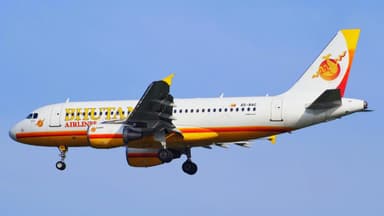
    The best way to reach Bhutan is by flying into Paro International Airport (PBH). Druk Air and Bhutan Airlines offer flights from:

    • ✈️ Kathmandu, Nepal
    • ✈️ Delhi & Kolkata, India
    • ✈️ Bangkok, Thailand
    • ✈️ Singapore

    Overland entry is also possible via Phuentsholing, Gelephu, and Samdrup Jongkhar from India.

    7. How long should I stay in Bhutan?

    A typical Bhutan trip lasts 3 to 7 days, but for a more immersive experience, 10-14 days is recommended, especially if you plan to trek or explore multiple regions.

    8. What are the main attractions in Bhutan?

    Some must-visit places in Bhutan include:

    • Paro Taktsang (Tiger’s Nest Monastery)
    • Thimphu (Capital City) – Buddha Dordenma, Memorial Chorten
    • Punakha Dzong – The most beautiful fortress in Bhutan
    • Dochula Pass – Scenic viewpoint with 108 stupas
    • Phobjikha Valley – Home of the rare black-necked crane

    9. What type of accommodation is available in Bhutan?

    Bhutan offers a variety of accommodations, including:

    • 3-star standard hotels (included in tour packages)
    • 4-star hotels (luxury upgrade)
    • 5-star luxury hotels (Six Senses, COMO Uma, Amankora, Taj Tashi)

    10. What is the currency in Bhutan? Can I use foreign currency?

    The currency of Bhutan is the Ngultrum (BTN), which is equal to the Indian Rupee (INR). USD is widely accepted in hotels and major shops. Credit cards are accepted in luxury hotels but carrying cash is recommended.

    11. Is Bhutan a safe destination for travelers?

    Yes, Bhutan is one of the safest countries to visit. The crime rate is extremely low, and the Bhutanese people are friendly and welcoming.

    12. What are the food and dining options in Bhutan?

    Bhutanese cuisine consists of rice, vegetables, and meat, often flavored with chilies and cheese. Popular dishes include:

    • Ema Datshi (chili and cheese curry) – Bhutan’s national dish
    • Phaksha Paa (pork with radish and chilies)
    • Momos (dumplings)

    Meals are included in most tour packages, with both vegetarian and non-vegetarian options available.

    13. Can I drink tap water in Bhutan?

    No, it is recommended to drink bottled or filtered water to avoid any health issues.

    14. Is tipping expected in Bhutan?

    Tipping is not mandatory but is appreciated. Guests often tip guides, drivers, and hotel staff based on service quality.

    15. What are the cultural etiquette and dress codes in Bhutan?

    Respecting Bhutanese culture is essential. Follow these guidelines:

    ✅ Dress modestly when visiting monasteries and temples.
    ✅ Walk clockwise around religious structures.
    ✅ Show respect when meeting monks or elders.
    ❌ Do not touch sacred objects or point at religious artifacts.
    ❌ Photography inside monasteries is generally not allowed.

    16. Can I use the internet and mobile network in Bhutan?

    Yes, Wi-Fi is available in hotels and cafes in cities like Thimphu and Paro. Travelers can also buy a local SIM card (TashiCell or B-Mobile) for better connectivity.

    17. Are there trekking options in Bhutan?

    Yes! Bhutan offers some of the best trekking experiences in the Himalayas:

    • Druk Path Trek (5-6 days) – A scenic hike from Paro to Thimphu.
    • Jomolhari Trek (8-12 days) – A moderate-to-challenging trek.
    • Snowman Trek (24 days) – One of the world’s toughest treks.

    18. What is the time zone of Bhutan?

    Bhutan follows Bhutan Standard Time (BTT), which is UTC +6.

    19. Do I need travel insurance for Bhutan?

    Yes, travel insurance is highly recommended. It should cover medical emergencies, trip cancellations, and evacuation in case of emergencies.

    20. Why book a Bhutan tour with Luxury Holidays Nepal?

    • Hassle-free visa processing
    • Professional English-speaking guides
    • Flexible customized itineraries
    • Comfortable transportation and accommodation
    • Exclusive luxury and adventure options

    21. How much does a Bhutan tour cost?

    Bhutan follows a "High-Value, Low-Impact Tourism" policy, meaning all tourists (except Indians, Bangladeshis, and Maldivians) must book through a licensed tour operator.

    The cost varies based on the level of accommodation and services chosen. On average:

    • Standard tour: Starts from $200–$250 per person per night (including visa, accommodation, meals, guide, and transport).
    • Luxury tours: Cost $400+ per night, depending on hotel choices like Six Senses, COMO Uma, Taj Tashi, and Amankora.
    • The Sustainable Development Fee (SDF) of $100 per night is additional.

    22. Can I travel to Bhutan independently?

    No, independent travel is not allowed for most foreign travelers. Bhutan requires visitors to book a pre-arranged tour with a licensed tour operator like Luxury Holidays Nepal.

    23. Can I customize my Bhutan tour?

    Yes! Luxury Holidays Nepal offers fully customizable itineraries based on your interests, such as:
    ✅ Cultural tours (Monasteries, Dzongs, and Temples)
    ✅ Luxury experiences (5-star hotels, spa retreats)
    ✅ Adventure tours (Trekking, hiking, and biking)
    ✅ Festival tours (Paro Tsechu, Thimphu Tsechu)
    ✅ Spiritual and wellness tours (Yoga, meditation, retreats)

    24. Is it difficult to get a Bhutan visa?

    No, as long as you book through an approved tour operator like Luxury Holidays Nepal, we will handle your visa application. It takes about 5 working days to process.

    25. Can I enter Bhutan by road?

    Yes, overland entry is possible from India through these border points:

    • Phuentsholing (main entry point) – Connected to Jaigaon, India
    • Gelephu – Central Bhutan, accessible from Assam, India
    • Samdrup Jongkhar – Eastern Bhutan, closest to Guwahati, India

    Indian travelers can enter overland without a visa.

    26. Does it snow in Bhutan?

    Yes! Snowfall is common in higher altitudes like Bumthang, Haa Valley, and Paro during winter (December–February).

    27. What are the famous festivals in Bhutan?

    Bhutan is famous for its Tsechu Festivals, featuring masked dances and traditional performances. The most popular ones are:

    • Paro Tsechu (March/April) – Held at Paro Dzong
    • Thimphu Tsechu (September/October) – Largest festival in Bhutan
    • Punakha Drubchen (February/March) – Reenactment of Bhutan’s history
    • Jambay Lhakhang Drup (October/November) – Fire and naked dance rituals

     28. What kind of food is available in Bhutan?

    Bhutanese cuisine is spicy and flavorful, with red rice, chilies, and cheese being staples. Popular dishes include:

    • Ema Datshi – Spicy chili and cheese stew (national dish)
    • Phaksha Paa – Pork with radish and chili
    • Jasha Maroo – Spicy chicken stew
    • Momos – Tibetan-style dumplings

    Most hotels offer vegetarian, continental, and Indian meals.

    29. Is alcohol available in Bhutan?

    Yes! Bhutan has local beers, whiskey, and wines. Try:

    • Red Panda Beer – A famous Bhutanese craft beer
    • K5 Whisky – A premium Bhutanese whiskey
    • Ara – A local rice wine

    30. Can I do a helicopter tour in Bhutan?

    Yes! Luxury helicopter tours over the Himalayas are available. Popular routes include:

    • Tiger’s Nest Helicopter Tour
    • Bhutan Himalayas Scenic Flight
    • Laya Gasa Heli Tour

    31. Is Bhutan a good honeymoon destination?

    Absolutely! Bhutan offers romantic experiences, including:

    • Luxury resorts (Amankora, Six Senses, COMO Uma)
    • Private dining experiences
    • Scenic hikes to monasteries
    • Traditional hot stone baths

    32. Can I extend my Bhutan trip to Nepal or India?

    Yes! Luxury Holidays Nepal offers combined Bhutan + Nepal + India tours. You can explore:

    • Bhutan + Everest Scenic Flight in Nepal
    • Bhutan + Golden Triangle (India)
    • Bhutan + Chitwan Jungle Safari (Nepal)

    8. Arrival and Visas for Bhutan Tour

    1. Do I need a visa to visit Bhutan?

    Yes, all foreign travelers except citizens of India, Bangladesh, and the Maldives require a Bhutan visa to enter the country.

    Indian, Bangladeshi, and Maldivian nationals can obtain an Entry Permit upon arrival using their passport or national ID.

    2. How do I apply for a Bhutan visa?

    Bhutan does not issue visas on arrival or at embassies.
    To obtain a Bhutan visa, you must book your trip through an authorized Bhutanese tour operator like Luxury Holidays Nepal.

    Steps to get a Bhutan visa:

    • Book a pre-arranged tour with Luxury Holidays Nepal.
    • Provide a scanned copy of your passport (valid for at least 6 months).
    • Pay for the tour, including the Sustainable Development Fee (SDF) of $100 per night.
    • Your visa will be processed by the Bhutan Tourism Council (takes about 5-7 working days).
    • Once approved, you will receive a visa clearance letter, which you need to present upon arrival.

    Upon arrival at Paro International Airport, your passport will be stamped with the actual visa.

    3. What is the Sustainable Development Fee (SDF)?

    Bhutan charges a Sustainable Development Fee (SDF) to promote high-value, low-impact tourism.

    • SDF for foreign travelers: USD 100 per person per night
    • SDF for Indian travelers: INR 1200 per person per night

    This fee supports education, healthcare, and environmental conservation in Bhutan.

    4. How much does a Bhutan visa cost?

    The visa fee is $40, which is included in your tour package when booking with Luxury Holidays Nepal.

    5. Can I get a visa on arrival in Bhutan?

    No, Bhutan does not provide visas on arrival. You must apply in advance through an authorized tour operator.

    6. How long does it take to process a Bhutan visa?

    The visa takes 4-6 working days to process after your tour payment is received.

    7. What documents are required for a Bhutan visa?

    To apply for a visa, you need:

    • A scanned copy of your passport (valid for at least 6 months).
    • Confirmed tour itinerary booked with Luxury Holidays Nepal.
    •  Full tour payment, including visa and SDF.

    8. How do I get to Bhutan?

    The most common way to enter Bhutan is by flight or land border:

    ✈️ By Air – Paro International Airport (PBH)

    The only international airport in Bhutan is in Paro, about 1 hour from Thimphu.
    Flights to Bhutan are operated by:

    • Druk Air (Royal Bhutan Airlines)
    • Bhutan Airlines

    Direct flight routes to Bhutan:

    • Kathmandu, Nepal (1 hour)
    • Delhi, India (2 hours)
    • Kolkata, India (1.5 hours)
    • Bagdogra, India (1 hour)
    • Guwahati, India (1 hour)
    • Bangkok, Thailand (4 hours)
    • Singapore (5 hours)

    Important: There are no direct flights from Europe, the USA, or Australia. Travelers must connect via Kathmandu, Delhi, Bangkok, or Singapore.

    By Land – Entry from India

    Bhutan has three land border crossings with India:

    • Phuentsholing (from Jaigaon, West Bengal) – Most popular entry point.
    • Gelephu (from Assam) – Central Bhutan access.
    • Samdrup Jongkhar (from Assam) – Best for visiting Eastern Bhutan.

    Indian travelers can enter overland without a visa but need an Entry Permit.

    9. What happens upon arrival at Paro Airport?

    Upon landing at Paro International Airport, follow these steps:

    • Present your Visa Clearance Letter at Immigration.
    • Get your visa stamped in your passport.
    • Proceed through customs (Bhutan restricts tobacco products and drones).
    • Meet your guide and driver from Luxury Holidays Nepal outside the terminal.

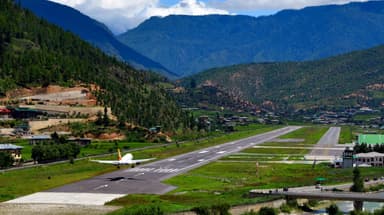
    Paro Airport has strict landing regulations due to the surrounding mountains. Flights can be delayed due to weather conditions.

    10. Are there any customs regulations in Bhutan?

    Yes, Bhutan has strict customs policies:

    • Prohibited items: Drones, satellite phones, narcotics, and religious artifacts.
    • Tobacco regulations: Bhutan is a smoke-free country; you must declare and pay a tobacco duty if bringing cigarettes.

    11. Do Indian travelers need a visa for Bhutan?

    No, Indian citizens do not need a visa, but they must obtain an Entry Permit.

    Documents required for Indians:

    • Valid Passport (6 months validity) or Voter ID
    • Hotel booking confirmation
    • Sustainable Development Fee (INR 1200 per night)

    Indian travelers can enter Bhutan via air (Paro) or by road (Phuentsholing, Gelephu, Samdrup Jongkhar).

    12. Do Bangladeshi and Maldivian travelers need a visa for Bhutan?

    No, citizens of Bangladesh and the Maldives do not need a visa but must obtain a Free Entry Permit upon arrival.

    Required documents:

    • Valid passport (6 months validity)
    • SDF payment proof
    • Confirmed hotel booking

    13. Can I extend my Bhutan visa?

    Yes, you can extend your visa by requesting an extension through the Tourism Council of Bhutan. Additional SDF fees will apply.

    14. Can I enter Bhutan multiple times on the same visa?

    No, Bhutan visas are single-entry only. If you leave Bhutan and wish to return, you must apply for a new visa.

    15. What happens if my flight to Bhutan is canceled or delayed?

    If your flight is delayed due to weather or operational issues, we will:

    • Rearrange your itinerary accordingly.
    • Assist with flight rescheduling.
    • Ensure smooth coordination with hotels and guides.

    9. Weather and Temperature for Bhutan Tour

    1. What are the four seasons in Bhutan?

    Bhutan experiences four distinct seasons:

    • Spring (March – May) – Pleasant weather, blooming flowers, and ideal for trekking.
    • Summer (June – August) – Warm temperatures with occasional monsoon rains.
    • Autumn (September – November) – Clear skies, crisp air, and excellent for sightseeing.
    • Winter (December – February) – Cold temperatures with snowfall in higher regions.

    Each season offers a unique experience for travelers.


    2. What is the average temperature in Bhutan throughout the year?

    Month Thimphu (Capital) Paro Punakha (Low Altitude)
    Jan -2°C to 12°C -6°C to 10°C 4°C to 18°C
    Feb 0°C to 14°C -3°C to 12°C 6°C to 20°C
    Mar 2°C to 16°C 0°C to 15°C 8°C to 22°C
    Apr 5°C to 20°C 4°C to 18°C 12°C to 26°C
    May 10°C to 25°C 8°C to 22°C 16°C to 30°C
    Jun 12°C to 26°C 10°C to 24°C 18°C to 32°C
    Jul 14°C to 28°C 12°C to 26°C 20°C to 34°C
    Aug 14°C to 27°C 12°C to 26°C 20°C to 33°C
    Sep 12°C to 25°C 10°C to 24°C 18°C to 32°C
    Oct 8°C to 22°C 6°C to 20°C 14°C to 28°C
    Nov 2°C to 17°C 0°C to 15°C 8°C to 24°C
    Dec -1°C to 14°C -4°C to 12°C 5°C to 20°C

    3. What is the best time to visit Bhutan?

    Best for general sightseeing & cultural tours:

    • Spring (March-May) – Warm temperatures, rhododendrons in bloom.
    • Autumn (September-November) – Clear skies, ideal for photography and festivals.

    Best for trekking:

    • Spring (March-May) – Comfortable trekking temperatures, lush greenery.
    • Autumn (September-November) – Dry season, best visibility for mountain views.

    Best for snow lovers: Winter (December-February) – Snowfall in higher regions like Bumthang and Haa Valley.

    Best for budget travel (fewer tourists & discounts): Summer (June-August) – Monsoon season, lush landscapes, and fewer crowds.

    4. Does it snow in Bhutan?

    Yes! Snowfall occurs in Thimphu, Paro, Bumthang, and Haa Valley during winter (December–February). However, Punakha and Phuentsholing rarely experience snow due to lower elevations.

    For a guaranteed snow experience, visit Bhutan's higher-altitude regions like Dochula Pass, Bumthang, or Chelela Pass in January or February.

    5. When is the monsoon season in Bhutan?

    Bhutan's monsoon season lasts from June to August, bringing moderate to heavy rainfall, especially in southern Bhutan (bordering India).

    Thimphu, Paro, and Bumthang receive occasional rains.
    Road travel may be affected due to landslides in certain areas.

    Best activities during monsoon season:

    • Festival tours (Kurjey Tshechu, Haa Summer Festival)
    • Relaxing luxury stays at Six Senses Bhutan, COMO Uma, Amankora Lodges

    6. What is the coldest place in Bhutan?

    Bumthang Valley (2,600m - 4,500m) is the coldest region in Bhutan, with winter temperatures dropping to -10°C.

    Other cold areas in winter include:

    • Haa Valley – Freezing temperatures, especially in December & January.
    • Chelela Pass (3,988m) – Bhutan’s highest motorable road, often snow-covered.
    • Laya & Lunana (Northern Bhutan) – Among the coldest, with heavy snow.

    7. What should I pack for Bhutan based on the season?

    Spring (March-May): Light jacket, comfortable trekking shoes, sunglasses, and sunscreen.
    Summer (June-August): Rain jacket, umbrella, quick-dry clothing, mosquito repellent.
    Autumn (September-November): Warm layers, fleece jackets, gloves, and a hat for cooler evenings.
    Winter (December-February): Heavy winter jacket, thermal wear, gloves, scarf, beanie, and snow boots for higher-altitude regions.

    8. What is the weather like in different regions of Bhutan?

    • Thimphu (2,320m): Cool throughout the year, with occasional snowfall in winter.
    • Paro (2,200m): Similar to Thimphu, with cold winters and pleasant summers.
    • Punakha (1,200m): Warmer than Thimphu and Paro. Rarely experiences snowfall.
    • Bumthang (2,600m-4,500m): Colder than other regions, especially in winter.
    • Phuentsholing (300m): Hot and humid, with tropical weather year-round.
    • Dochula Pass (3,100m): Colder due to high altitude, often misty with snow in winter.

    9. Can I visit Bhutan in the winter?

    Yes! Winter in Bhutan (December-February) is great for:

    • Snow-covered landscapes in Paro, Thimphu, and Bumthang.
    • Punakha Drubchen Festival in February.
    • Budget travel – Fewer tourists mean better hotel deals.

    Not ideal for trekking due to cold conditions in higher altitudes.

    10. Does the altitude affect the weather in Bhutan?

    Yes! Bhutan’s weather varies drastically based on altitude:

    • Southern Bhutan (Phuentsholing, Samdrup Jongkhar) – Hot and humid all year.
    • Central Bhutan (Thimphu, Paro, Punakha) – Cool and mild temperatures.
    • Northern Bhutan (Laya, Lunana) – Alpine climate with snow most of the year.

    10. Payments and Extra Costs on Bhutan Tour

    1. How much does a Bhutan tour cost?

    Bhutan follows a "High-Value, Low-Impact Tourism" policy, meaning tourists must book a package tour through an authorized tour operator like Luxury Holidays Nepal.

    Standard Bhutan Tour Costs (Per Person Per Night)

    • USD 200 – USD 250 for a standard tour (3-star hotels, meals, transport).
    • USD 400+ for luxury tours (4-star and 5-star hotels like Six Senses, COMO Uma, Amankora).

    The Sustainable Development Fee (SDF) of USD 100 per night is additional.

    2. What does the Bhutan tour package include?

    ✅ Bhutan visa processing ($40 fee included in package)
    ✅ Sustainable Development Fee (SDF - $100 per night)
    ✅ Accommodation (3-star, 4-star, or 5-star as per the package)
    ✅ All meals (breakfast, lunch, and dinner)
    ✅ Private transportation with driver
    ✅ English-speaking licensed Bhutanese guide
    ✅ Entry fees to all tourist sites and attractions
    ✅ Bottled drinking water
    ✅ Government taxes and service charges
    ✅ Airport transfers in Bhutan

    What is NOT included?
    ❌ International flights to/from Bhutan
    ❌ Travel insurance (mandatory but purchased separately)
    ❌ Personal expenses (shopping, laundry, drinks, etc.)
    ❌ Tipping for guides and drivers
    ❌ Additional activities not listed in the itinerary

    3. What is the Sustainable Development Fee (SDF) in Bhutan?

    The Sustainable Development Fee (SDF) is a mandatory government fee charged per night:

    Foreign tourists: USD 100 per person per night
    Indian tourists: INR 1200 per person per night

    This fee is used to support Bhutan’s free healthcare, education, and environmental conservation.


    4. What is the Bhutan visa fee?

    The Bhutan visa fee is USD 40 per person. This is included in your tour package when booking with Luxury Holidays Nepal.

    5. Can I pay for my Bhutan tour in installments?

    Yes! Luxury Holidays Nepal offers flexible payment options:

    • Deposit (30-50%) required to confirm the tour
    • Full payment must be made before visa processing

    All payments must be cleared before your arrival in Bhutan.

    6. What payment methods are accepted?

    Luxury Holidays Nepal accepts:

    • Credit/Debit Cards (Visa, MasterCard, American Express)
    • Bank Transfers
    • Wetravel Payment (for selected bookings)

    7. Are international flights to Bhutan included in the tour price?

    No, international flights to Bhutan are not included.

    You need to book flights separately with Druk Air or Bhutan Airlines from:

    • Kathmandu, Nepal
    • Delhi/Kolkata/Guwahati, India
    • Bangkok, Thailand
    • Singapore

    We can assist in booking Bhutan flights upon request.

    8. What are the extra costs I should expect in Bhutan?

    Bhutan tour packages are mostly all-inclusive, but you may have extra costs for:

    Transport & Upgrades

    • Luxury vehicle upgrade (Private SUV or luxury van)
    • Domestic flights within Bhutan (if applicable)

    Food & Drinks

    • Alcoholic beverages & soft drinks (not included in standard meals)
    • Dining at premium restaurants (if outside of package meals)

    Additional Activities

    • Hot stone bath experience ($30-$50 per person)
    • Helicopter tours (starting at $1500 per person)
    • Archery lessons ($15-$25 per person)

    Shopping & Souvenirs

    • Handicrafts, thangka paintings, and textiles ($10-$500+)
    • Local Bhutanese souvenirs (Buddha statues, wooden masks)

    Tipping (Gratuities)

    • Guide: $10-15 per day
    • Driver: $5-10 per day
    • Hotel staff: $2-5 per service

    Tipping is not mandatory but appreciated.

    9. Can I withdraw money in Bhutan?

    Yes, but ATMs are limited.

    • ATMs are available only in major cities (Thimphu, Paro, Punakha).
    • Cash withdrawals are limited (max BTN 10,000 per transaction).
    • Most businesses accept cash payments in Bhutanese Ngultrum (BTN) or Indian Rupees (INR).

    10. Can I use credit/debit cards in Bhutan?

    • Credit cards (Visa/MasterCard) are accepted in luxury hotels and large stores, but many small shops only accept cash.
    • Always carry some cash for shopping and small purchases.

    11. Can I exchange currency in Bhutan?

    Yes! You can exchange major currencies into Bhutanese Ngultrum (BTN) at:

    • Paro International Airport
    • Banks in Thimphu & Paro
    • Hotels (sometimes offer exchange services)

    Accepted Foreign Currencies:

    • USD, Euro, GBP, INR (Indian Rupees are widely accepted)
    • Traveler’s cheques are NOT accepted.

    12. Can I tip in USD or other foreign currency?

    Yes! You can tip in USD, INR, or BTN. Most Bhutanese accept USD, but small denominations are recommended ($1, $5, $10 bills).

    13. Do I need travel insurance for Bhutan?

    Yes! Travel insurance is mandatory and should cover:

    • Medical emergencies
    • Trip cancellations
    • Evacuation (for trekking or high-altitude travel)

    Luxury Holidays Nepal does NOT provide travel insurance, so you must purchase it separately.

    14. Are there any hidden costs in Bhutan?

    No! Bhutan's tourism policy is transparent. Luxury Holidays Nepal provides an all-inclusive tour price, so there are no hidden costs.

    However, you may choose to spend extra on shopping, tips, and additional activities.

    11. Tour Preparation and Packing for Bhutan Tour

    1. What documents do I need to travel to Bhutan?

    Mandatory Documents for Entry:

    • Passport (Valid for at least 6 months)
    • Bhutan Visa Clearance Letter (Provided by Luxury Holidays Nepal)
    • Printed Tour Confirmation (Provided by your tour operator)
    • Travel Insurance (Mandatory) – Must cover medical emergencies, trip cancellations, and evacuation.

    For Indian travelers:

    • Valid Passport OR Voter ID (Aadhaar card is NOT accepted)
    • Entry Permit (Issued upon arrival in Bhutan)
    • Confirmed hotel booking and SDF payment receipt

    2. What should I pack for Bhutan?

    Bhutan’s weather varies by season, so packing correctly is essential.

    Essential Packing Checklist

    Travel Essentials

    • Passport, visa clearance letter, travel insurance
    • Flight tickets and itinerary
    • Copies of important documents (printed & digital)

    Clothing (Based on Season)

    • Spring (March-May): Light jacket, warm layers, comfortable clothing
    • Summer (June-August): Rain jacket, breathable clothes, umbrella
    • Autumn (Sept-Nov): Layered clothing, fleece, light gloves
    • Winter (Dec-Feb): Heavy jacket, thermal wear, gloves, hat

    Health & Hygiene

    • Prescription medicines
    • First aid kit (Band-Aids, antiseptic, painkillers)
    • Sunscreen (SPF 30+)
    • Lip balm & moisturizer (Cold air can dry skin)
    • Mosquito repellent (For southern Bhutan in summer)

    Electronics & Accessories

    • Camera & extra memory cards
    • Travel adapter (Bhutan uses Type D, Type G sockets)
    • Power bank (Essential for remote areas)
    • Flashlight or headlamp (for treks and power outages)

    Footwear

    • Hiking boots (For trekking and Tiger’s Nest hike)
    • Comfortable walking shoes (For city tours)
    • Sandals or flip-flops (For hotel stays)

    Bags & Backpacks

    • Daypack (10-20L) – For daily sightseeing & short hikes
    • Duffle bag/suitcase – For storing clothes

    Toiletries

    • Toothbrush, toothpaste, deodorant
    • Travel-size shampoo & soap
    • Hand sanitizer & wet wipes

    3. What should I wear in Bhutan?

    Bhutan has a conservative dress culture, so dressing modestly is important.

    For cultural visits (monasteries & dzongs):

    • Long pants (No shorts above the knee)
    • Full-sleeved shirts or tops (No sleeveless)
    • Shoes with socks (Bare feet are not allowed inside temples)
    • Scarf/Shawl (Some religious sites may require covering shoulders)

    For trekking & outdoor activities:

    • Comfortable, weather-appropriate clothing
    • Hiking shoes & warm layers

    For casual wear:

    • Light clothing for summer
    • Warm sweaters/jackets for winter

    4. Do I need trekking gear in Bhutan?

    If you are trekking in Bhutan (Druk Path Trek, Jomolhari Trek, or Snowman Trek), proper trekking gear is essential.

    Trekking Essentials:

    • Footwear: Sturdy hiking boots, thick socks
    • Cold-weather gear: Thermal layers, gloves, hat
    • Backpack: 40-60L for multi-day treks
    • Sleeping bag: -10°C to -20°C rating for winter treks
    • Water bottle & purification tablets

    If you are not trekking, basic hiking shoes are sufficient for day hikes like Tiger’s Nest Monastery.

    5. What are the baggage weight limits for flights to Bhutan?

    Druk Air & Bhutan Airlines have strict baggage policies:

    Checked Baggage:

    • Economy Class: 30 kg
    • Business Class: 40 kg

    Carry-on Baggage: 7 kg max (1 bag + personal item)

    Tip: Pack essential documents, medicine, and valuables in your carry-on.

    6. Can I use my mobile phone in Bhutan?

    Yes! Bhutan has two main mobile networks: B-Mobile and TashiCell

    How to stay connected:

    • Buy a local SIM card at Paro Airport or Thimphu (Requires passport).
    • Ensure your phone is unlocked before arrival.
    • Free Wi-Fi is available in hotels and some restaurants.

    7. What kind of power outlets are used in Bhutan?

    Bhutan uses Type D and Type G sockets.
    Voltage: 230V, 50Hz

    Tip: Bring a universal travel adapter.

    8. Is tap water safe to drink in Bhutan?

    No, it is recommended to drink bottled or filtered water.

    Safe drinking options:

    • Bottled mineral water (widely available)
    • Carry a reusable water bottle with a filter (e.g., LifeStraw)

    9. Can I bring cigarettes or alcohol to Bhutan?

    Bhutan has strict tobacco laws:

    • Tobacco is banned for sale in Bhutan.
    • Tourists can bring:
    • 200 cigarettes or 30 cigars (Must pay 200% duty tax).
    • Alcohol is available in Bhutan (No restrictions for tourists).

    10. What is Bhutan’s dress code for festivals?

    If attending a Bhutanese festival (Tsechu), it's respectful to dress in traditional attire or formal wear.

    • Men: Long pants, collared shirt, or Bhutanese Gho (optional).
    • Women: Long skirt, blouse, or Kira (optional).

    11. Do I need to bring cash to Bhutan?

    Yes! While major hotels accept credit cards, small shops and rural areas only accept cash.

    Recommended Currency:

    • USD, INR, or Bhutanese Ngultrum (BTN)
    • Credit Cards (Visa, MasterCard) are accepted in some luxury hotels
    • ATMs are available in Thimphu & Paro but have withdrawal limits.

    12. Accommodation on Bhutan Tour

    1. What types of accommodations are available in Bhutan?

    Bhutan has four categories of accommodation:

    • 3-Star Hotels (Standard Accommodation) – Comfortable, locally owned hotels with essential facilities.
    • 4-Star Hotels (Deluxe Accommodation) – Higher-end hotels with better amenities, dining, and comfort.
    • 5-Star Luxury Resorts (Premium Accommodation) – Exclusive boutique hotels and international luxury brands.
    • Farmstays & Homestays – For an authentic Bhutanese experience with local families.

    By law, all hotels in Bhutan must be government-approved and meet tourism standards.

    2. What kind of hotels are included in Bhutan tour packages?

    Luxury Holidays Nepal offers different accommodation packages:

    Standard Tour: 3-star hotels
    Deluxe Tour: 4-star hotels
    Luxury Tour: 5-star hotels (Six Senses, COMO Uma, Amankora, Taj Tashi)

    All hotels include:

    • Private room with attached bathroom
    • Hot water, heating, and Wi-Fi (availability varies)
    • Daily breakfast, lunch, and dinner
    • Luxury upgrades are available upon request.

    3. What are the best luxury hotels in Bhutan?

    Bhutan has world-class luxury hotels, perfect for those seeking comfort and exclusivity.

    Top 5-Star Hotels in Bhutan:

    • Six Senses Bhutan (Paro, Thimphu, Punakha, Gangtey, Bumthang) – Ultimate luxury retreat with spa and wellness.
    • COMO Uma Paro & COMO Uma Punakha – Elegant boutique resorts with top-class service.
    • Amankora Lodges (Paro, Thimphu, Punakha, Bumthang, Gangtey) – Premium Bhutanese experience.
    • Taj Tashi (Thimphu) – A mix of traditional Bhutanese design and modern luxury.
    • Le Méridien Thimphu & Paro – International brand with top facilities.

    Luxury hotels offer spa treatments, private guides, and VIP experiences.

    4. Are homestays and farmstays available in Bhutan?

    Yes! Travelers who want a cultural experience can stay at:

    • Homestays in Paro, Punakha, or Bumthang – Stay with a Bhutanese family, enjoy home-cooked meals.
    • Farmstays in Haa Valley & Phobjikha – Experience rural Bhutanese life, organic farming, and hot stone baths.

    Homestays are comfortable but have basic facilities (shared bathrooms, no central heating).

    5. Do Bhutan hotels have modern facilities like Wi-Fi and heating?

    • Wi-Fi: Available in most hotels, but speed may be slow in remote areas.
    • Heating: Provided in most 3-star+ hotels, but some lower-category hotels may only have wood-burning stoves.
    • Hot Water: Available in all hotels, but pressure may be low in high-altitude areas.

    Luxury hotels have high-speed Wi-Fi and central heating.

    6. Can I choose my hotels for the Bhutan tour?

    Yes! Luxury Holidays Nepal allows you to customize your accommodation based on your budget and preferences.

    • Upgrade from standard to luxury hotels
    • Mix and match different hotel categories
    • Request specific hotels or resorts

    Contact us for a customized itinerary with your preferred accommodations.

    7. What are the best hotels in major Bhutan cities?

    Best Hotels in Thimphu:

    • Luxury: Taj Tashi, Six Senses Thimphu, Le Méridien Thimphu
    • Deluxe: Druk Hotel, Hotel Osel
    • Standard: City Hotel, Hotel Kisa

    Best Hotels in Paro:

    • Luxury: COMO Uma Paro, Six Senses Paro, Amankora Paro
    • Deluxe: Naksel Boutique Hotel, Raven’s Nest
    • Standard: Tenzinling Resort, Bhutan Mandala Resort

    Best Hotels in Punakha:

    • Luxury: COMO Uma Punakha, Six Senses Punakha
    • Deluxe: Dhensa Boutique Resort, RKPO Green Resort
    • Standard: Hotel Lobesa, Zhingkham Resort

    Best Hotels in Bumthang:

    • Luxury: Amankora Bumthang, Six Senses Bumthang
    • Deluxe: Yugharling Resort, Mountain Lodge
    • Standard: Swiss Guest House, Kaila Guest House

    8. Can I book my own hotels instead of using the package ones?

    No, independent hotel bookings are not allowed under Bhutan’s tourism policy.

    • Hotels must be pre-booked as part of a guided tour.
    • Luxury Holidays Nepal will book your hotels based on your preferences.

    For luxury travelers, we can arrange private, tailor-made hotel stays.

    9. Do hotels in Bhutan offer vegetarian or special dietary meals?

    • Yes! Most hotels provide vegetarian and international cuisine.
    • Special dietary requests (vegan, gluten-free, Halal) can be arranged upon request.

    Inform us in advance if you have dietary restrictions.

    10. Are hotel rooms shared or private?

    • Standard package: Private rooms
    • Luxury package: Private rooms in luxury hotels.
    • Homestays/Farmstays: Private or shared rooms depending on availability.

    Single supplement fees apply for solo travelers wanting private rooms.

    11. Do Bhutan hotels have air conditioning?

    • Hotels in warmer areas (Punakha, Phuentsholing) may have air conditioning.
    • Hotels in higher altitudes (Thimphu, Paro, Bumthang) use heaters instead of AC.

    12. Are hotels in Bhutan eco-friendly?

    Yes! Bhutan promotes sustainable tourism, and most hotels follow eco-friendly practices:

    • Solar-heated water
    • Locally sourced food and organic farming
    • Low-carbon footprint designs

    Luxury eco-resorts like Six Senses and COMO Uma are known for their sustainability efforts.

    14. What are the check-in and check-out times at hotels in Bhutan?

    • Check-in: Usually 2:00 PM
    • Check-out: Usually 12:00 PM

    Early check-in/late check-out requests depend on hotel availability.

    15. What are the differences between Bhutanese hotels and international hotels?

    Bhutanese hotels focus on traditional charm rather than modern luxury.

    • 3-star hotels: Basic but comfortable.
    • 4-star hotels: Boutique-style, more personalized services.
    • 5-star hotels: Blend of modern comfort with Bhutanese culture.

    Unlike in other countries, star ratings in Bhutan are set by the government, not international standards.

    13. Practical Matters for the Bhutan Tour

    1. What currency is used in Bhutan?

     Bhutan’s official currency is the Bhutanese Ngultrum (BTN).
    1 USD ≈ 83 BTN (Exchange rates may vary).

    • Indian Rupees (INR) are widely accepted (except INR 2,000 notes).
    • USD is accepted in hotels and large shops but not in small markets.

    Credit cards (Visa/MasterCard) are accepted in luxury hotels and high-end stores but not in rural areas.

    2. Can I withdraw money from ATMs in Bhutan?

    • ATMs are available only in major cities like Thimphu and Paro.
    • Foreign credit/debit cards work in some ATMs, but withdrawal limits are low.
    • It is advisable to carry cash, especially in remote areas.

    3. How can I exchange money in Bhutan?

    You can exchange USD, EUR, GBP, or INR at:

    • Paro International Airport
    • Banks in Thimphu & Paro (Bank of Bhutan, Bhutan National Bank)
    • Major hotels (exchange rates may be lower)

    Best practice: Bring small USD/INR denominations for convenience.

    4. What language is spoken in Bhutan?

    • Official language: Dzongkha
    • English is widely spoken in hotels, restaurants, and tourist areas.
    • Hindi & Nepali are commonly understood (especially by Indian travelers).

    5. What is the time zone in Bhutan?

    • Bhutan Standard Time (BST) = UTC +6
    • Bhutan does not have daylight saving time.

    6. What type of power outlets are used in Bhutan?

    • Bhutan uses Type D and Type G sockets (same as India & UK).
    • Voltage: 230V, 50Hz.

    Bring a universal travel adapter if your device uses a different plug type.

    7. Is Wi-Fi available in Bhutan?

    Yes, but speed is slow in remote areas.

    • Wi-Fi is available in most hotels and restaurants in cities like Thimphu and Paro.
    • Luxury hotels offer faster Wi-Fi, but it may not be reliable in rural areas.

    Tip: Get a local SIM card for better internet access.

    8. Can I use my mobile phone in Bhutan?

    Yes! Bhutan has two main mobile networks:

    • B-Mobile (best for coverage)
    • TashiCell (best for internet speed)

    How to stay connected:

    • Buy a local SIM card at Paro Airport or in Thimphu.
    • Requires passport for registration.
    • SIM cards cost around $5-$10 with data packages.

     International roaming is expensive—using a local SIM is recommended.

    9. What are the transportation options in Bhutan?

    Private Vehicle & Driver (Most Common)

    • All Bhutan tours are private with a dedicated car and driver.
    • Luxury Holidays Nepal provides comfortable SUVs, vans, or minibuses based on group size.

    Domestic Flights: Bhutan has one domestic airline (Druk Air), with flights to Bumthang, Trashigang, and Gelephu.

    Public buses are available but not recommended for tourists due to long travel times.

    10. How safe is Bhutan for tourists?

    ✅ Bhutan is one of the safest countries in the world.
    ✅ Low crime rate and hospitable locals.
    ✅ Solo travelers and women travelers feel safe.

    However, be cautious of:
    ❌ Stray dogs (Avoid feeding them).
    ❌ Altitude sickness (Stay hydrated in high-altitude areas).

    11. Do I need travel insurance for Bhutan?

    Yes, travel insurance is mandatory for all travelers.

    It should cover:

    • Medical emergencies & hospitalization
    • Trip cancellations & delays
    • High-altitude evacuation (for trekkers)

    Luxury Holidays Nepal does not provide insurance, so you must purchase it separately.

    12. What is the emergency contact number in Bhutan?

    • Emergency Numbers in Bhutan:
    • Police: 113
    • Medical Emergency: 112
    • Fire & Rescue: 110

    Luxury Holidays Nepal provides 24/7 customer support during your tour.

    13. What is the cultural etiquette in Bhutan?

    Respect Bhutanese culture and traditions

    • Greet with a slight bow (shaking hands is uncommon).
    • Dress modestly when visiting monasteries & temples.
    • Walk clockwise around religious sites (never counterclockwise).

    Things to avoid:

    • Do not touch monks or religious objects.
    • Do not take photos inside monasteries without permission.
    • Do not point at sacred sites with your finger (use an open hand instead).

    Removing shoes before entering temples is required.

    14. Transportation and Flights for the Bhutan Tour

    1. How do I reach Bhutan?

    The only international airport in Bhutan is Paro International Airport (PBH).

    By Air:

    Flights to Bhutan are operated by Druk Air (Royal Bhutan Airlines) and Bhutan Airlines.

    Direct flights are available from:

    • Kathmandu, Nepal (1 hour)
    • Delhi, India (2 hours)
    • Kolkata, India (1.5 hours)
    • Bagdogra, India (1 hour)
    • Guwahati, India (1 hour)
    • Bangkok, Thailand (4 hours)
    • Singapore (5 hours)

    By Land (Only from India):
    You can enter Bhutan via three land border crossings from India:

    • Phuentsholing (Most popular) – Entry from West Bengal, India.
    • Gelephu – Entry from Assam, India.
    • Samdrup Jongkhar – Entry from Assam, best for Eastern Bhutan tours.

    There are no direct flights from Europe, the USA, or Australia. Travelers must transit via Nepal, India, Thailand, or Singapore.

    2. Which airlines operate flights to Bhutan?

    Only two airlines operate international flights to Bhutan:

    • Druk Air (Royal Bhutan Airlines) – The national airline of Bhutan.
    • Bhutan Airlines – A private airline offering similar routes.

    Druk Air offers the most frequent flights and better connectivity.

    3. Can I book my Bhutan flight through Luxury Holidays Nepal?

    Yes! We can assist with booking your flight to Bhutan for a hassle-free experience.

    Bhutan flights must be booked early due to limited availability, especially in peak seasons (March-May, September-November).

    4. What is it like to fly into Paro Airport?

    Paro Airport is one of the world’s most scenic airports!

    • The landing offers stunning views of the Himalayas, including Mt. Everest.
    • Only a few trained pilots are allowed to land due to the challenging terrain.
    • Flights may be delayed or canceled due to weather conditions (fog, wind, or rain).

    It is recommended to book extra buffer days before and after your Bhutan tour.

    5. Are domestic flights available within Bhutan?

    Yes, but limited! Bhutan has one domestic airline (Druk Air) with small aircraft flying to:

    • Bumthang (Bathpalathang Airport)
    • Trashigang (Yonphula Airport)
    • Gelephu Airport

    6. What are the baggage limits for Bhutan flights?

    Druk Air and Bhutan Airlines have strict baggage policies:

    Checked Baggage Allowance:

    • Economy Class: 30 kg
    • Business Class: 40 kg

    Carry-on Baggage: 7 kg max (1 bag + personal item)

    Extra baggage fees apply if you exceed the limit.

    7. How do I travel within Bhutan?

    All Bhutan tours are private, with a dedicated car and driver.

    Luxury Holidays Nepal provides:

    • SUVs (Toyota Prado, Hyundai Santa Fe) – For small groups and luxury travelers.
    • Toyota HiAce Vans – For groups of 4-8 travelers.
    • Coaster Buses – For larger groups of 9+ travelers.

    Self-driving is NOT allowed in Bhutan. All visitors must travel with a licensed guide and driver.

    8. How are the road conditions in Bhutan?

    • Bhutan’s roads are winding and mountainous with scenic landscapes.
    • Most highways are paved but narrow, with some bumpy sections in remote areas.
    • Travel time between cities is longer than expected due to altitude and terrain.

    Approximate Travel Times by Road:

    • Paro → Thimphu (65 km) – 1.5 hours
    • Thimphu → Punakha (85 km) – 3 hours
    • Punakha → Bumthang (210 km) – 7-8 hours
    • Bumthang → Trashigang (250 km) – 9-10 hours

    Tip: If you dislike long road journeys, consider domestic flights for long-distance travel.

    9. Is public transportation available in Bhutan?

    Public transportation (buses, taxis) is NOT suitable for tourists.

    Why?

    • Buses are slow and unreliable.
    • Taxis are available but not cost-effective for long distances.
    • Private vehicles with a driver are included in all tour packages.

    Luxury Holidays Nepal provides private cars for a comfortable journey.

    10. Can I hire a car and drive in Bhutan?

    • No, tourists cannot drive in Bhutan.
    • All visitors must travel with a licensed driver and guide.

    Why?

    • Bhutan has challenging mountain roads.
    • Traffic rules and road signs are different.
    • Self-driving is not allowed under Bhutan’s tourism regulations.

    Instead, all tours include a private vehicle with an experienced driver.

    11. How do I get from Bhutan to Nepal or India?

    Flights: Daily flights between Paro & Kathmandu, Delhi, Kolkata, and Bangkok.

    Overland (For India Only):

    • Travel by private car from Thimphu to Phuentsholing (5 hours).
    • Cross the border and continue by train or flight from Bagdogra (India).

    Luxury Holidays Nepal arranges all multi-country travel logistics.

    15. Health and Safety on the Bhutan Tour

    1. Do I need travel insurance for Bhutan?

    Yes! Travel insurance is mandatory for all tourists traveling to Bhutan.

    Your insurance should cover:

    • Medical emergencies & hospitalization
    • Trip cancellations & delays
    • High-altitude sickness & evacuation
    • Trekking-related accidents (if applicable)

    Luxury Holidays Nepal does not provide insurance, so you must purchase it separately before your trip.

    2. Do I need vaccinations to travel to Bhutan?

    No mandatory vaccines, but the following are recommended:

    • Hepatitis A & B
    • Typhoid
    • Tetanus & Diphtheria
    • Rabies (if visiting rural areas or trekking)

    Consult your doctor at least 4-6 weeks before your trip.

    3. Is altitude sickness a concern in Bhutan?

    Yes, altitude sickness (Acute Mountain Sickness - AMS) can occur at high elevations.

    • Thimphu (2,320m) and Paro (2,200m) are at moderate altitudes – Most travelers adjust easily.
    • Higher regions like Bumthang (2,800m) or Chelela Pass (3,988m) may cause mild symptoms.
    • Treks above 3,500m (e.g., Jomolhari Trek, Snowman Trek) require proper acclimatization.

    Symptoms of AMS:

    • Headache
    • Dizziness
    • Shortness of breath
    • Fatigue
    • Nausea

    How to prevent altitude sickness?

    • Drink plenty of water
    • Avoid alcohol and smoking
    • Walk slowly and rest frequently
    • Consider taking Diamox (consult a doctor before use)

    Severe cases require immediate descent and possible evacuation.

    4. Is tap water safe to drink in Bhutan?

    No, tap water is not safe for drinking.

    Always drink bottled, filtered, or boiled water.

    Best options:

    • Buy bottled mineral water (available in hotels and shops).
    • Bring a water purification filter (e.g., LifeStraw).

    5. Is medical care available in Bhutan?

    Yes, Bhutan has hospitals and clinics, but facilities vary by location.

    Remote areas have only small health posts with limited services.

    6. What should I pack in my travel first aid kit?

    • Essential medical supplies:
    • Personal prescription medications
    • Pain relievers (Ibuprofen, Paracetamol)
    • Motion sickness tablets (for winding roads)
    • Altitude sickness medication (Diamox)
    • Anti-diarrheal medicine (Imodium)
    • Band-aids & antiseptic wipes
    • Electrolyte sachets (for dehydration)
    • Hand sanitizer & mosquito repellent

    Bring extra supplies if trekking or visiting rural areas.

    7. Is Bhutan safe for tourists?

    Yes! Bhutan is one of the safest countries in the world.

    • Low crime rate – Violent crime is rare.
    • No political instability or terrorism threats.
    • Friendly and welcoming locals.

    However, take basic precautions:

    • Keep valuables secure in hotels.
    • Avoid wandering alone at night in rural areas.
    • Follow local laws and customs.

    8. What are the emergency numbers in Bhutan?

    Emergency contacts in Bhutan:

    • Police: 113
    • Medical Emergency: 112
    • Fire & Rescue: 110

    Luxury Holidays Nepal provides 24/7 emergency support during your trip.

    9. Are there any dangerous animals in Bhutan?

    Bhutan has a rich wildlife ecosystem, but dangerous encounters are rare.

    • Black bears – Found in forested areas. Avoid hiking alone.
    • Snakes – Rare in higher altitudes but present in warm regions.
    • Stray dogs – Avoid feeding or approaching them in towns.

    Always stay with your guide when hiking or trekking.

    10. What are some cultural safety tips for Bhutan?

    Respect Bhutanese customs to avoid offending locals.

    DO:

    • Walk clockwise around monasteries and stupas.
    • Remove shoes before entering temples.
    • Dress modestly (no shorts in religious sites).
    • Ask permission before taking photos of monks or locals.

    DON’T:

    • Point at religious objects with your finger (use an open hand).
    • Touch monks or disturb religious ceremonies.
    • Take photos inside temples (strictly prohibited).

    Failure to follow rules in religious places can result in fines.

    You Also Like Similar Packages

    You may like from the best trips that we offer for the delightful Himalayan experience in Nepal.

    Featured
    Luxury Everest View Trek
    $999$799
    5.0 from 52 reviews

    Luxury Everest View Trek

    7 Nights 8 Days
    Top Seller
    4 Nights 5 Days Bhutan Tour Packages - Tour of Paro, Thimphu & Punakha
    $1199$899
    5.0 from 13 reviews

    Bhutan Magical Tour

    4 Nights 5 Days
    Featured
    Luxury Holidays in Nepal & Bhutan - 12 Days
    $2249$1849
    5.0 from 11 reviews

    Luxury Holidays Nepal Bhutan Tour

    11 Nights 12 Days
    Book NowSee Options