
Tilicho Lake Trek – Ultimate Guide to Nepal’s Highest Lake
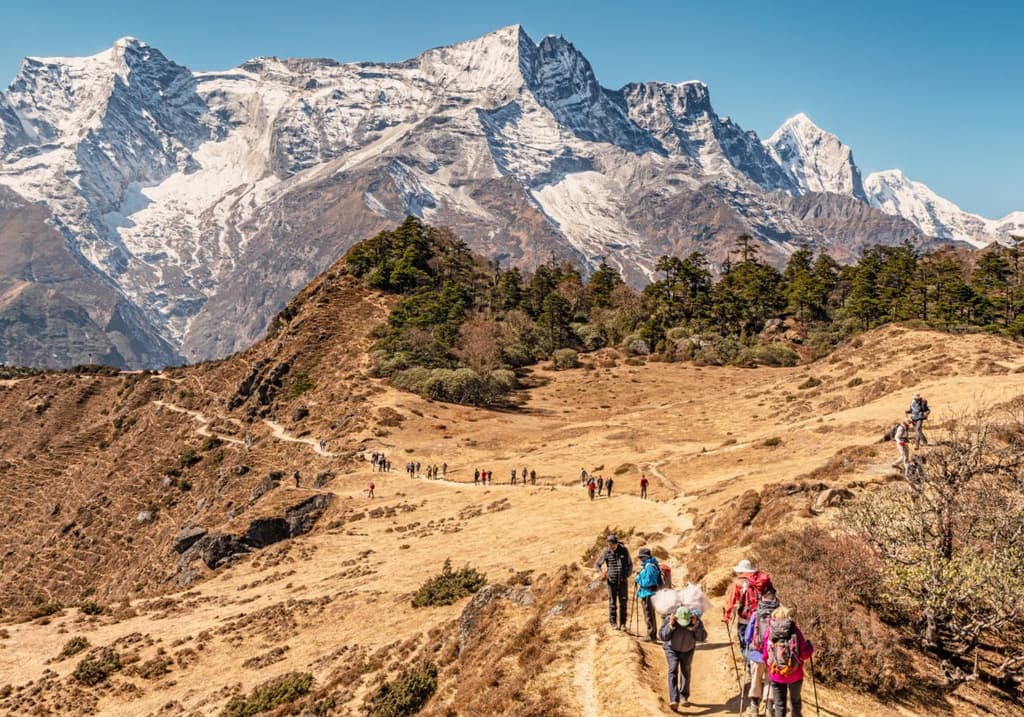
The Tilicho Lake Trek is one of Nepal's most spectacular Himalayan adventures, leading trekkers to the breathtaking Tilicho Lake at an altitude of 4,919 meters (16,138 feet) in the Annapurna region. Surrounded by towering snow-capped peaks, dramatic cliffs, and rugged alpine landscapes, the lake is considered one of the world's highest large glacial lakes and is a dream destination for adventure lovers.
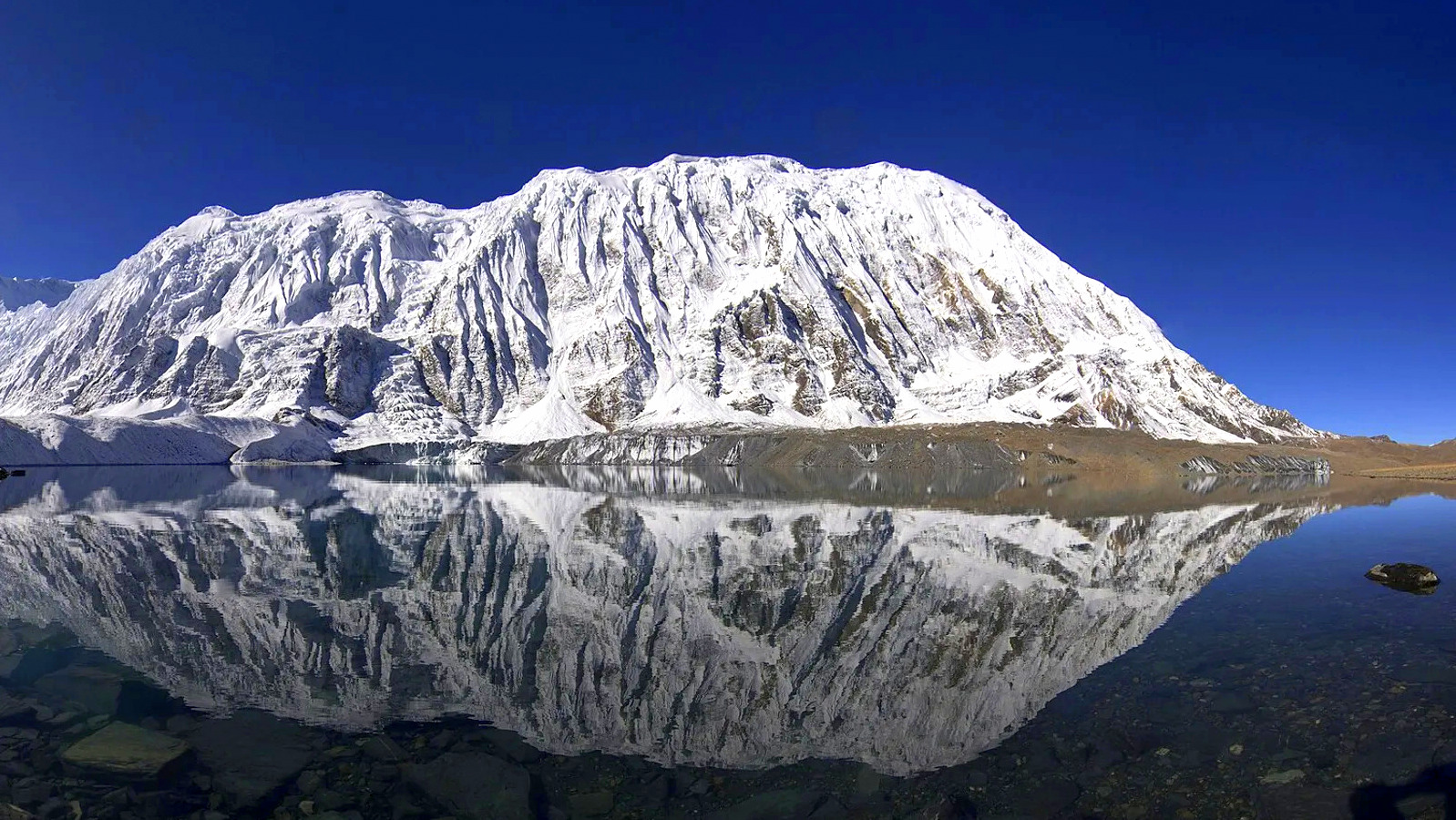
Unlike many trekking destinations that offer only mountain views, the Tilicho Lake Trek combines stunning Himalayan scenery, authentic Tibetan-influenced villages, ancient monasteries, and the unforgettable experience of standing beside a crystal-clear turquoise lake nestled among towering peaks.
Whether you choose Tilicho Lake as a standalone destination or as an extension of the Annapurna Circuit Trek, this guide covers everything you need to know, including the itinerary, permits, difficulty, cost, best time to visit, packing list, altitude considerations, and essential travel tips.
Why Visit Tilicho Lake?
Tilicho Lake is one of Nepal's most breathtaking trekking destinations, offering a unique blend of natural beauty, adventure, and cultural experiences. Nestled in a remote glacial basin beneath Tilicho Peak and the Annapurna massif, the lake sits at an impressive altitude of 4,919 meters (16,138 feet). Its crystal-clear waters shift from deep blue to emerald green depending on the sunlight and weather, creating one of the most spectacular landscapes in the Himalayas.
Beyond its stunning scenery, the Tilicho Lake Trek takes you through traditional Himalayan villages, ancient Buddhist culture, and diverse landscapes ranging from lush forests to rugged alpine terrain. With fewer crowds than the Everest Base Camp Trek and the option to combine it with the famous Annapurna Circuit, the trek offers a peaceful yet rewarding adventure for those seeking an unforgettable Himalayan experience.
How to reach Tilicho Lake
Tilicho Lake, one of the world's highest lakes, is a pristine beauty nestled amidst the grandeur of the Himalayas. While its isolation only adds to its allure, getting there requires a bit of planning and effort. There isn't a direct roadway leading to it, but several routes can get you close. Here's a detailed guide on how to reach this breathtaking destination:
Route 1: Via Manang Valley
-
Starting Point: Pisang.
-
Day 1: Drive to Pisang and then trek to Manang.
-
Day 2: Ascend from Manang to Shree Kharka.
-
Day 3: Trek from Shree Kharka to Tilicho Base Camp. From here, it's a 5-hour trek to reach the lake. In total, it's a 3-day journey on foot starting from Pisang.
Note: If you want to shorten the walking duration, you can hire a jeep to Chame and begin your trek to Manang from there. This will take you one day of trekking to reach the Tilicho Base Camp.
Route 2: The Quick Path
- Starting Point: Shree Kharka.
- Day 1: Take a private bus to Shree Kharka.
- Day 2: Proceed directly to Tilicho Base Camp.
- Day 3: Relax and take in the breathtaking views from a motel right at Tilicho Lake.
Route 3: The Adventurous Northern Route
-
Starting Point: Jomsom and Thani Goan.
-
This challenging route involves crossing the Tilicho North pass, famously known as the Tourist pass, and moving through Mesokanto La. Unlike the southern routes, which have convenient tea houses, the northern path requires a more rugged approach.
Note: Accommodation is scarce, with only two hotels situated between Thani Gaon and Tilicho Base Camp. Prepare to camp out for approximately two nights if you take this route.
The Luxurious Alternative: For those seeking comfort or running short on time, consider chartering a helicopter directly to Tilicho. While it's a pricier option, flying amidst the peaks offers an unparalleled, memorable experience, making the journey as majestic as the destination itself.
Whichever route you choose, reaching Tilicho Lake promises an adventure of a lifetime, with memories etched in your heart forever.
Tilicho Lake Trek Outline Itinerary
The Tilicho Lake Trek can be completed in different durations depending on your route and travel preferences. The following is a 10-day outline itinerary for the classic Tilicho Lake Trek. If you have extra time, you can extend the adventure by continuing along the famous Annapurna Circuit via Thorong La Pass.
| Day | Itinerary |
|---|---|
| Day 1 | Drive from Kathmandu to Chame |
| Day 2 | Trek from Chame to Upper Pisang |
| Day 3 | Trek from Upper Pisang to Manang |
| Day 4 | Acclimatization day in Manang |
| Day 5 | Trek from Manang to Shree Kharka |
| Day 6 | Trek from Shree Kharka to Tilicho Base Camp |
| Day 7 | Early morning hike to Tilicho Lake and return to Shree Kharka |
| Day 8 | Trek back to Manang |
| Day 9 | Drive from Manang to Besisahar |
| Day 10 | Drive from Besisahar to Kathmandu |
Optional Extension: Continue your trek along the Annapurna Circuit via Yak Kharka, Thorong Phedi, Thorong La Pass (5,416 m / 17,769 ft), Muktinath, and Jomsom for an even more rewarding Himalayan adventure.
You can do the expedition of Tilicho Peak as well, and here we have a perfect package for you with all the best of Tilicho Peak:
Major Highlights of the Tilicho Lake Trek
Here are the highlights of the Tilicho Lake Trek
- Tilicho Lake: One of the highest lakes in the world, known for its turquoise waters and breathtaking setting.
- Scenic Mountain Views: Panoramic vistas of the Annapurna and Dhaulagiri mountain ranges, including peaks like Annapurna II, III, IV, Gangapurna, and Tilicho Peak.
- Thorong La Pass: A challenging and rewarding option to extend the trek, offering stunning views and a sense of achievement.
- Manang Village: A picturesque village rich in culture, allowing you to explore monasteries and interact with the friendly locals.
- Annapurna Conservation Area: Trekking through a protected area renowned for its biodiversity, forests, rivers, and wildlife.
- Serene Landscapes: Varied terrain with terraced fields, alpine meadows, dense forests, and glacial valleys.
- Cultural Immersion: Experiencing the unique traditions, architecture, and cuisine of diverse ethnic communities like Gurungs, Thakalis, and Manangis.
- Teahouse Experience: Enjoy comfortable accommodation and meals in teahouses along the route, fostering connections with fellow trekkers and locals.
These highlights combine to make the Tilicho Lake Trek a memorable adventure encompassing natural beauty, cultural immersion, and a sense of accomplishment in the Himalayas.
Permits Required for the Tilicho Lake Trek
Before starting the Tilicho Lake Trek, you must obtain the necessary permits to enter the Annapurna region. These permits help support conservation efforts and ensure the safety of trekkers.
Annapurna Conservation Area Permit (ACAP): The Annapurna Conservation Area Permit (ACAP) is required for all trekkers entering the Annapurna Conservation Area. The permit fees contribute to wildlife conservation, environmental protection, and community development within the region.
Trekker's Information Management System (TIMS) Card: The TIMS Card helps register and monitor trekkers, making it easier for authorities to provide assistance in case of emergencies. It is an important safety measure for trekking in Nepal.
Both permits can be obtained through the Nepal Tourism Board in Kathmandu or Pokhara, or they can be arranged by a licensed trekking agency before your trip. As trekking regulations may change, it is recommended to verify the latest permit requirements before your trek.
Tilicho Lake Trek Cost
The cost of the Tilicho Lake Trek varies depending on your travel style, trek duration, group size, and the services you choose. Independent trekkers generally spend less, while guided packages offer greater convenience by including permits, transportation, accommodation, meals, guides, and other logistics. Planning your budget in advance helps ensure a smooth and enjoyable trekking experience.
| Expense | Estimated Cost |
|---|---|
| Permits | USD 30–50 |
| Accommodation | USD 10–25 per night |
| Meals | USD 25–40 per day |
| Licensed Guide | USD 30–40 per day |
| Porter | USD 20–30 per day |
| Transportation | USD 50–120 |
For a fully organized trek, package prices typically range from USD 900 to USD 1,500 per person, depending on the itinerary, mode of transportation, accommodation standard, group size, and the services included. Luxury packages with private transportation, premium accommodations where available, and additional support may cost more.
Tilicho Lake Trek Difficulty
The Tilicho Lake Trek is generally considered a moderately difficult to challenging trek, making it ideal for adventurous travelers with a good level of fitness. While no technical climbing skills are required, the combination of high altitude, rugged mountain trails, changing weather, and long walking days can make the trek physically demanding. With proper preparation, gradual acclimatization, and a well-planned itinerary, most healthy trekkers can successfully complete this rewarding Himalayan journey.
High Altitude
One of the biggest challenges of the Tilicho Lake Trek is the high altitude. Tilicho Lake lies at 4,919 meters (16,138 feet) above sea level, and many trekkers continue to Thorong La Pass (5,416 meters / 17,769 feet) as part of the Annapurna Circuit. As you gain elevation, oxygen levels decrease, making physical activity more strenuous and increasing the risk of Acute Mountain Sickness (AMS).
To reduce the risk of altitude-related illnesses, it is important to:
- Follow a gradual ascent with proper acclimatization.
- Stay well hydrated throughout the trek.
- Eat nutritious meals and avoid alcohol at higher elevations.
- Recognize the early symptoms of altitude sickness and descend immediately if symptoms become severe.
Long Walking Days
The trek typically involves 5 to 8 hours of walking each day, depending on the itinerary and trail conditions. Some days include steep ascents, rocky paths, and uneven terrain that require endurance and determination. Preparing with regular cardio exercises, strength training, and practice hikes before your trip can greatly improve your trekking experience.
Unpredictable Weather
Weather in the Himalayas can change rapidly, especially at higher elevations. Even during the main trekking seasons, you may experience sunshine, rain, snow, strong winds, and significant temperature changes within a single day. Packing appropriate clothing, including warm layers and waterproof gear, is essential for staying comfortable and safe throughout the trek.
Rugged and Remote Terrain
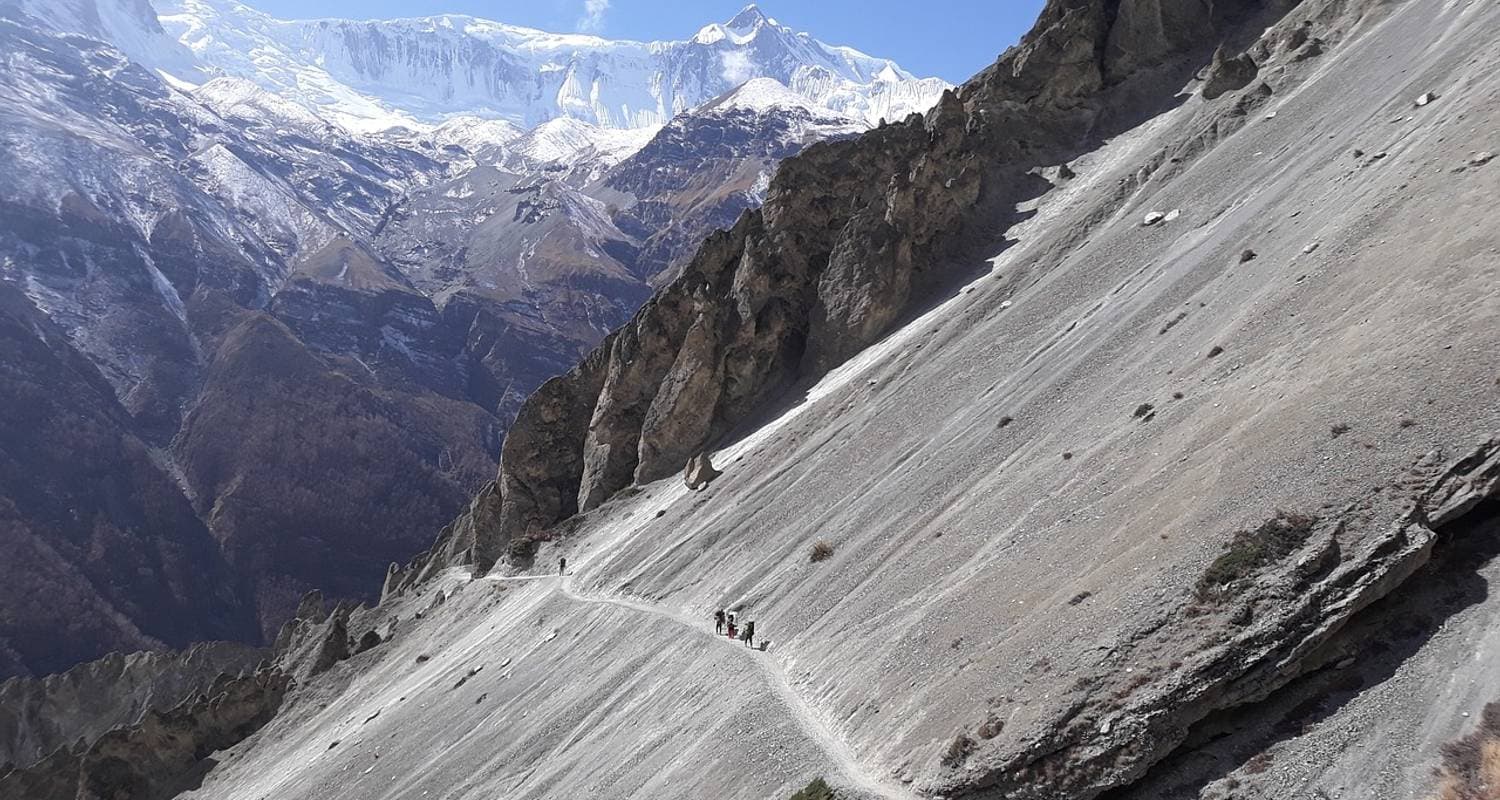
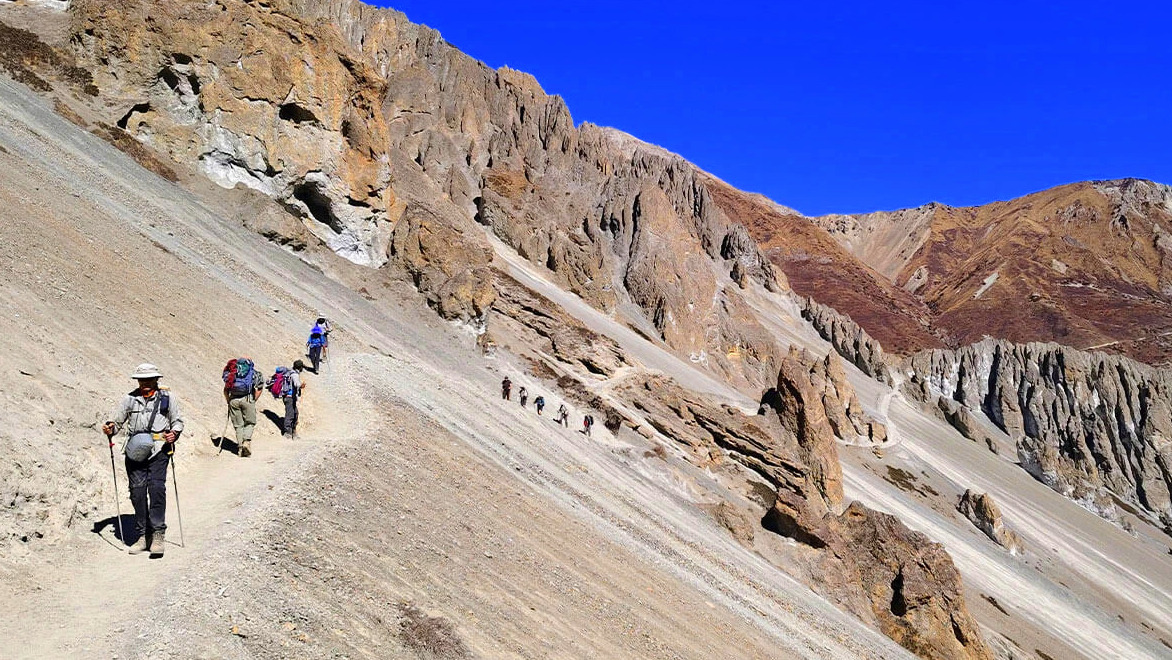
The trail to Tilicho Lake passes through remote mountain landscapes, narrow paths, rocky slopes, and occasional landslide-prone sections, particularly between Shree Kharka and Tilicho Base Camp. These sections require careful footing and extra caution. Trekking poles, sturdy hiking boots, and the guidance of an experienced local guide can make navigating these challenging trails much safer and more enjoyable.
Is the Tilicho Lake Trek Right for You?
Although the Tilicho Lake Trek presents several challenges, it is achievable for most trekkers who are physically fit, well-prepared, and allow enough time for acclimatization. The breathtaking scenery, unique high-altitude lake, and rich Himalayan culture make every step of the journey worthwhile, rewarding trekkers with one of the most unforgettable experiences in Nepal.
Best Season for the Tilicho Lake Trek
The Tilicho Lake Trek can be taken over any time of the year and all the seasons offer their own charm to the visitors. However, the best seasons for the Tilicho Lake Trek are spring (March to May) and autumn (September to November) with the most stable weather conditions. Here is the general information about each season and the weather condition in each season:
Spring (March to May): Spring is a beautiful time to embark on the Tilicho Lake Trek. The weather is mild, with moderate daytime temperatures and cooler nights. The trail is adorned with blooming rhododendron forests, creating a colorful and picturesque landscape. However, occasional rain showers are possible during this season, so it's important to be prepared with proper rain gear. The clear skies, vibrant flora, and comfortable temperatures make spring an appealing choice for trekkers.
Daytime temperatures: 10°C to 20°C (50°F to 68°F) at lower altitudes.
Nighttime temperatures: 0°C to 10°C (32°F to 50°F).
Summer/Monsoon (June to August): The summer months bring the monsoon season to the region, making trekking more challenging. Rainfall is abundant, resulting in muddy and slippery trails, reduced visibility, and an increased risk of landslides. Trekking during this season is generally not recommended due to safety concerns. However, for those who enjoy the lush greenery and quieter trails, it's essential to plan carefully and be prepared for the weather conditions.
Daytime temperatures: 15°C to 25°C (59°F to 77°F) at lower altitudes.
Nighttime temperatures: 5°C to 15°C (41°F to 59°F).
Autumn (September to November): Autumn is widely regarded as the best season for the Tilicho Lake Trek. The weather is stable, with clear skies, excellent visibility, and comfortable temperatures during the day. The nights can be colder, especially at higher altitudes. Trekking during this season offers breathtaking views of the mountains, including the Annapurna and Dhaulagiri ranges. The favorable weather conditions and festive atmosphere make autumn the most popular choice for trekkers.
Daytime temperatures: 10°C to 20°C (50°F to 68°F) at lower altitudes.
Nighttime temperatures: -5°C to 5°C (23°F to 41°F) at higher altitudes.
Winter (December to February): Winter brings colder temperatures and occasional snowfall to the region. Trekking during this season is challenging, especially at higher altitudes, where temperatures can drop significantly. The days are generally sunny, but the nights are frigid. The snow-covered landscapes create a stunning and serene ambiance, but proper winter gear and experience in cold weather trekking are essential. The trails are less crowded during this time, providing a more peaceful and secluded trekking experience for those seeking solitude and adventure.
Daytime temperatures: 5°C to 15°C (41°F to 59°F) at lower altitudes.
Nighttime temperatures: -10°C to 0°C (14°F to 32°F) at higher altitudes.
It's important to note that temperature ranges can vary depending on the specific altitude and weather conditions during any given year. It's advisable to check the most recent weather forecasts and be prepared for fluctuations in temperature and weather conditions throughout the trek.
Accommodation and Food During the Tilicho Lake Trek
The Tilicho Lake Trek offers a comfortable teahouse trekking experience, allowing you to stay in locally operated mountain lodges while enjoying freshly prepared meals each day. Although the facilities become more basic as you gain altitude, the warm hospitality and hearty food make the journey enjoyable and rewarding.
Accommodation
Most trekkers stay in traditional teahouses that provide simple yet comfortable facilities, including:
- Twin-sharing rooms with basic beds and blankets
- Shared bathroom facilities
- Cozy dining halls with heating, where trekkers gather in the evenings
- Hot showers (available in most villages for an additional fee)
- Charging facilities for electronic devices (extra fee)
- Limited Wi-Fi or mobile network connectivity in some villages
As you approach Tilicho Base Camp, accommodation becomes more basic due to the remote high-altitude environment.
Food
Teahouses serve a variety of nutritious meals to keep trekkers energized throughout the journey. Popular menu options include:
Breakfast
- Tibetan bread
- Pancakes
- Eggs (fried, boiled, or omelets)
- Oatmeal or porridge
- Tea, coffee, and hot chocolate
Lunch and Dinner
- Dal Bhat (rice, lentil soup, vegetables, and curry)
- Fried rice
- Noodles and noodle soup
- Pasta and macaroni
- Momos (Nepali dumplings)
- Vegetable or garlic soup
- Boiled or fried potatoes
- Pizza and other simple Western dishes in larger villages
Among all the meal options, Dal Bhat is the most popular choice for trekkers because it is nutritious, filling, and often comes with unlimited refills, making it an excellent source of energy for long days on the trail.
What to Pack for the Tilicho Lake Trek
Packing the right gear is essential for a safe and comfortable trek to Tilicho Lake. Since the trail passes through varying climates and reaches an altitude of 4,919 meters (16,138 feet), it's important to pack clothing that can be layered and equipment suitable for high-altitude trekking. Keeping your backpack light while carrying all the essentials will help make your journey more enjoyable.
Clothing
- Down jacket for warmth
- Waterproof and windproof jacket
- Thermal base layers
- Trekking pants
- Fleece or warm mid-layer
- Gloves
- Warm beanie or woolen hat
- Sun hat or cap
- Moisture-wicking T-shirts and underwear
Footwear
- Waterproof trekking boots with good ankle support
- Comfortable camp shoes or sandals
- Warm trekking socks (3–4 pairs)
- Gaiters (optional, especially during snowy conditions)
Trekking Equipment
- Comfortable backpack (30–40L) with a rain cover
- Sleeping bag (rated for sub-zero temperatures)
- Trekking poles
- Reusable water bottles or hydration bladder
- Water purification tablets or filter
- Headlamp with spare batteries
- Power bank and charging cables
- Trekking map or offline navigation app
Personal Items
- Sunscreen (SPF 50+)
- Lip balm with UV protection
- UV-protection sunglasses
- Personal medications
- Basic first aid kit
- Wet wipes and hand sanitizer
- Toiletries (toothbrush, toothpaste, biodegradable soap, etc.)
- Quick-dry towel
- Passport, permits, travel insurance documents, and some cash
Packing wisely ensures you're prepared for changing weather, high-altitude conditions, and long trekking days, allowing you to fully enjoy the incredible journey to Tilicho Lake.
Essential Travel Tips for the Tilicho Lake Trek
The Tilicho Lake Trek is a rewarding adventure, but careful preparation is essential for a safe and enjoyable experience. From physical fitness and proper acclimatization to packing the right gear and staying informed about weather conditions, following a few practical tips can help you make the most of your journey while minimizing potential risks.
- Train regularly with cardio exercises, strength training, and practice hikes for several weeks before the trek to build endurance.
- Purchase comprehensive travel insurance that covers high-altitude trekking and emergency helicopter evacuation.
- Hire a licensed and experienced trekking guide for enhanced safety, navigation, and valuable local insights.
- Begin trekking early each morning to take advantage of stable weather and avoid strong afternoon winds.
- Carry sufficient cash, as ATMs and card payment facilities are not available in the higher mountain villages.
- Stay well hydrated, maintain a steady pace, and allow enough time for proper acclimatization to reduce the risk of altitude sickness.
- Check weather forecasts regularly, particularly before trekking to Tilicho Base Camp and Tilicho Lake, where conditions can change rapidly.
- Respect local customs, support locally owned teahouses, and practice responsible trekking by minimizing waste and protecting the natural environment.
With the right preparation and a responsible approach, the Tilicho Lake Trek becomes a truly unforgettable Himalayan experience. Taking these simple precautions will help ensure a safer, more comfortable, and rewarding journey while allowing you to fully appreciate the breathtaking scenery and unique culture of the Annapurna region.
Why Choose the Tilicho Lake Trek?
The Tilicho Lake Trek is an exceptional adventure that combines breathtaking Himalayan scenery, rich cultural experiences, and the thrill of trekking to one of the world's highest alpine lakes. From the charming villages of the Annapurna region to the dramatic mountain landscapes surrounding Tilicho Lake, every stage of the journey offers unforgettable views and memorable experiences.
Whether you choose Tilicho Lake as a standalone trek or combine it with the renowned Annapurna Circuit, this adventure rewards you with stunning panoramic mountain vistas, authentic local culture, and a true sense of accomplishment. For trekkers seeking a less crowded yet equally spectacular alternative to Nepal's more popular routes, the Tilicho Lake Trek is a journey that promises memories to last a lifetime.
FAQ's (frequently asked questions) for the Tilicho Lake Trek
Here are some frequently asked questions (FAQs) about the Tilicho Lake Trek:
Q: How long does the Tilicho Lake Trek take?
A: The duration of the trek can vary depending on your itinerary and pace. On average, it takes around 10-14 days to complete the trek, including acclimatization days.
Q: Is previous trekking experience required for the Tilicho Lake Trek?
A: While previous trekking experience is beneficial, it is not mandatory. The trek is considered moderately difficult to challenging, so it's recommended to have a good level of fitness and undertake some physical training prior to the trek.
Q: Is altitude sickness a concern during the trek?
A: Yes, altitude sickness can be a concern as you reach higher elevations. Proper acclimatization, gradual ascent, and staying hydrated are crucial to prevent altitude-related illnesses. It's important to be aware of the symptoms and listen to your body.
Q: What kind of accommodation is available during the trek?
A: Along the trekking route, there are teahouses and lodges that offer basic accommodation, meals, and some amenities. However, the facilities may vary, and it's advisable to have a sleeping bag and necessary supplies for a comfortable stay.
Q: Can I hire a guide or porter for the trek?
A: Yes, hiring a guide or porter is optional but highly recommended. A guide can provide valuable assistance with navigation, cultural insights, and safety, while a porter can help carry your heavy backpack, allowing you to trek with more ease.
Q: Are there any ATM facilities along the trek?
A: ATM facilities are limited during the trek. It's advisable to carry enough cash (Nepalese rupees) to cover your expenses throughout the trek. It's also recommended to inform your bank about your travel plans to avoid any issues with card usage.
Q: How difficult is the Tilicho Lake Trek?
A: The Tilicho Lake Trek is considered moderately difficult to challenging. It involves long days of walking, steep ascents and descents, and high altitude. Previous trekking experience and a good level of fitness are recommended to fully enjoy the trek.
Q: Can I do the Tilicho Lake Trek independently, or do I need a guide?
A: It is possible to do the trek independently, but hiring a guide is highly recommended. A guide can provide valuable assistance in navigating the trail, ensuring your safety, and offering insights into the local culture and surroundings.
Q: Are there any age restrictions for the Tilicho Lake Trek?
A: There are no specific age restrictions for the trek. However, it is important to assess your own physical fitness and consult with a healthcare professional before undertaking the trek, especially for older individuals or those with pre-existing health conditions.
Q: What are the accommodation and food options like during the trek?
A: Along the trekking route, there are teahouses and lodges that provide basic accommodation and meals. The teahouses offer a range of local and international food options, including Dal Bhat (the traditional Nepali dish), pasta, soups, and snacks. Vegetarian and non-vegetarian options are available.
Q: What equipment and gear do I need to bring for the Tilicho Lake Trek?
A: Some essential items to pack include sturdy trekking boots, warm clothing (including layers for varying temperatures), a good-quality sleeping bag, a backpack, trekking poles, a water bottle, sunscreen, a hat, sunglasses, and a first aid kit. It's important to pack light and carry only the necessary items.
Q: Is it possible to do a side trip to Thorong La Pass during the Tilicho Lake Trek?
A: Yes, it is possible to extend the Tilicho Lake Trek and include a side trip to Thorong La Pass. This adds an additional challenge and requires proper acclimatization. It's important to plan for additional days and be prepared for the higher altitude and difficult terrain of Thorong La Pass.
Remember, these are general FAQs, and it's always recommended to seek the most up-to-date information from reliable sources or consult with experienced trekking agencies before embarking on the Tilicho Lake Trek.
Luxury Holidays Nepal has an amazing package plan for Annapurna Region Treks. One can also choose luxury accommodations and luxury private or tourist vehicles. Luxury Holiday Nepal also has more amazing trekking and touring packages to explore Nepal. LHN also provides the customer with a tailor-made itinerary for the Tilicho Lake trek.
If you need any further information, please contact us, Email: at [email protected], Phone: +977-985-100-5129 (WhatsApp)
#Tags

Tripadvisor
5.01110 reviewsGoogle
4.8154 reviewsFacebook
4.1 recommend44 ReviewsTrustpilot
4.1 Great(12 reviews)- Trusted by50K plus traveller