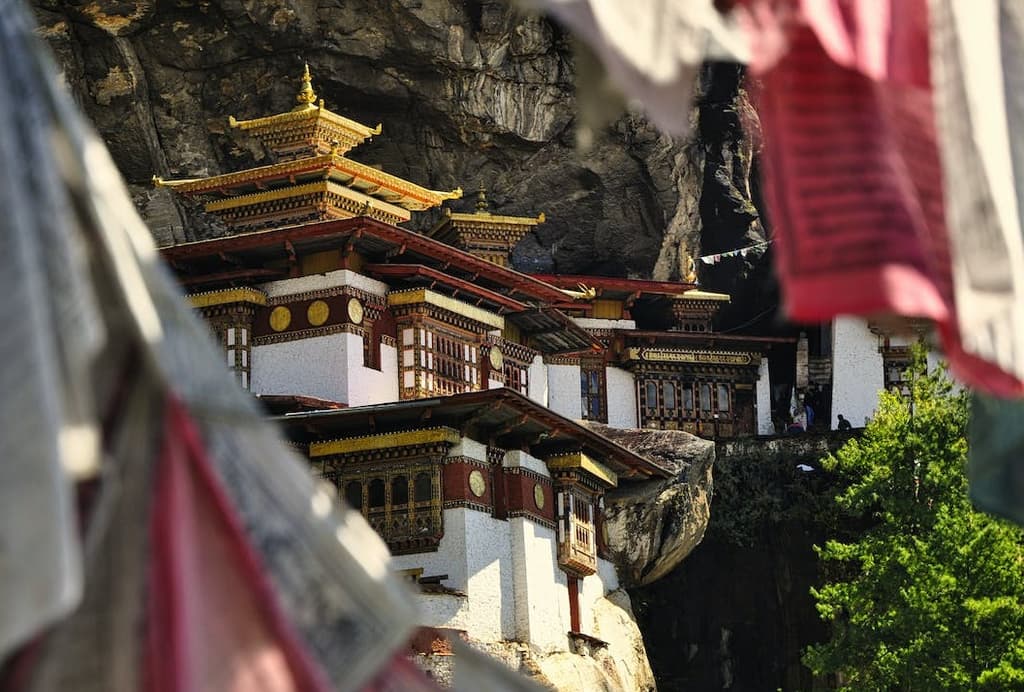
High above the lush forests of Bhutan’s Paro Valley, perched dramatically on a vertical cliff, stands one of the most breathtaking monasteries in the world—Tiger’s Nest Monastery, also known as Paro Taktsang. Sitting at an altitude of about 3,120 meters (10,240 feet), this sacred Buddhist monastery appears almost impossible to reach. Yet, thousands of travelers make the journey each year to experience its beauty, history, and spiritual energy.
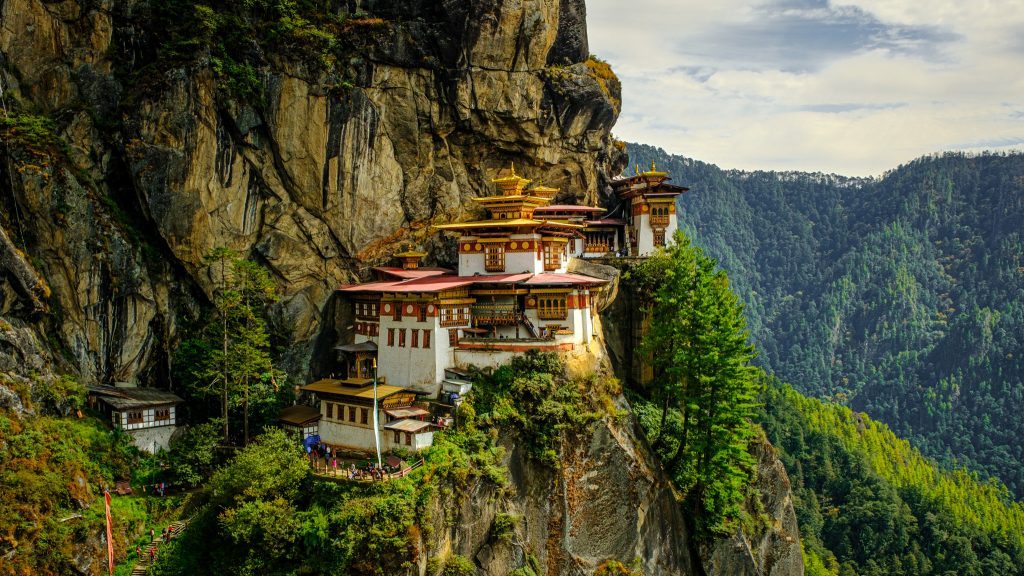
For centuries, Tiger’s Nest has been one of Bhutan’s most revered pilgrimage sites. According to legend, Guru Rinpoche—one of the most important figures in Tibetan Buddhism—meditated in a cave here in the 8th century. Today, the monastery is not only a spiritual sanctuary but also Bhutan’s most iconic landmark and a highlight of any trip to the Himalayan kingdom.
Whether you are an adventure traveler looking for an unforgettable hike or a cultural explorer seeking Bhutan’s spiritual heart, visiting Tiger’s Nest Monastery is a once-in-a-lifetime experience. In this complete guide, you’ll learn how to visit Tiger’s Nest, hiking details, the best time to go, travel tips, and everything you need to know before the journey.
Why Tiger’s Nest Monastery Is Bhutan’s Most Iconic Landmark
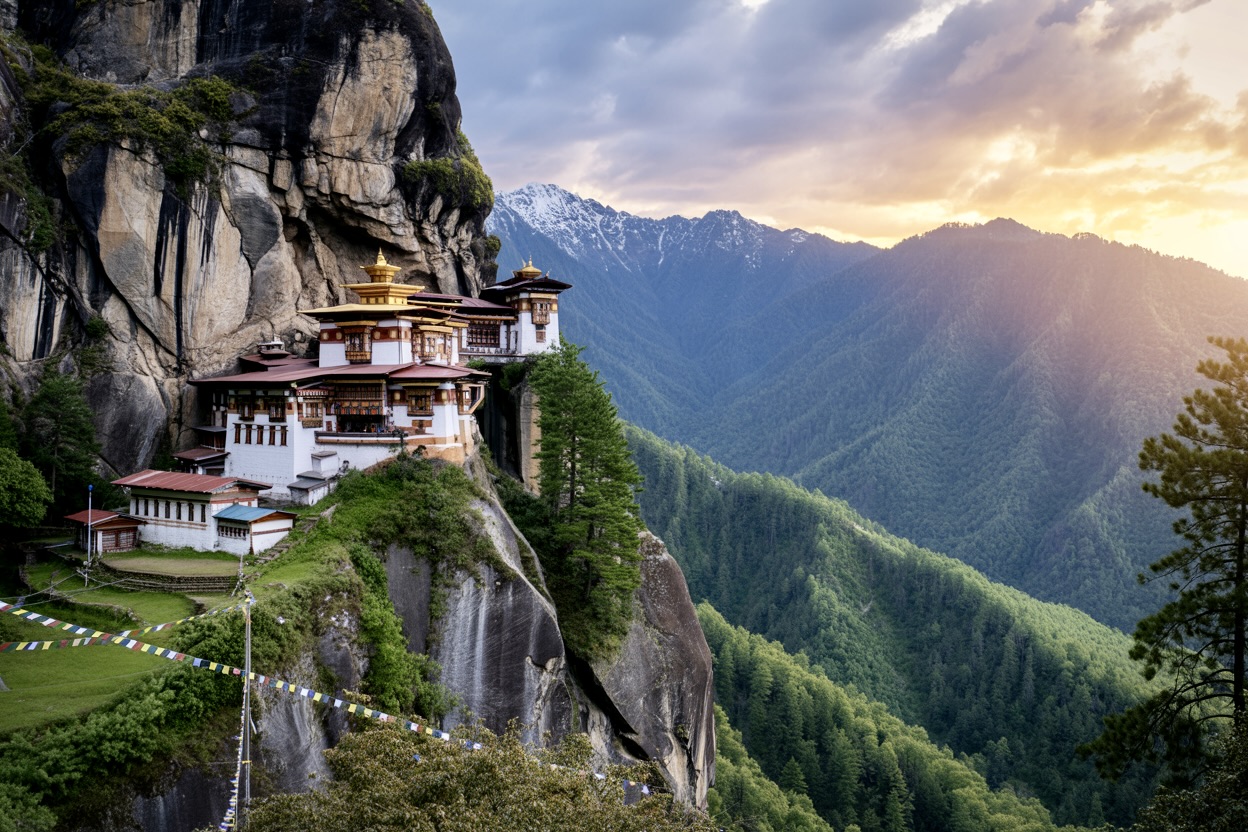
Tiger’s Nest Monastery is widely considered the symbol of Bhutan. The monastery clings to a cliff nearly 900 meters above the Paro Valley, creating one of the most dramatic religious sites anywhere in the world. Its unique location, spiritual importance, and architectural beauty have made it a must-see destination for travelers visiting Bhutan.
Beyond its stunning appearance, the monastery represents Bhutan’s deep connection to Buddhism. Pilgrims, monks, and visitors hike to the monastery not only for the incredible views but also to receive blessings and experience the sacred atmosphere of one of the Himalayas’ most important spiritual sites.
The Spiritual Significance of Paro Taktsang
Paro Taktsang holds deep religious importance in Bhutanese Buddhism. It is believed that Guru Rinpoche (Padmasambhava) arrived here in the 8th century and meditated in a cave for several months, helping spread Buddhism throughout Bhutan.
Inside the monastery complex are several temples, shrines, and meditation caves where monks continue to practice Buddhist rituals. Many Bhutanese believe that visiting Tiger’s Nest cleanses negative karma and brings spiritual blessings, making it one of the most sacred pilgrimage destinations in Bhutan.
Why It’s a Must-Visit Destination in the Himalayas
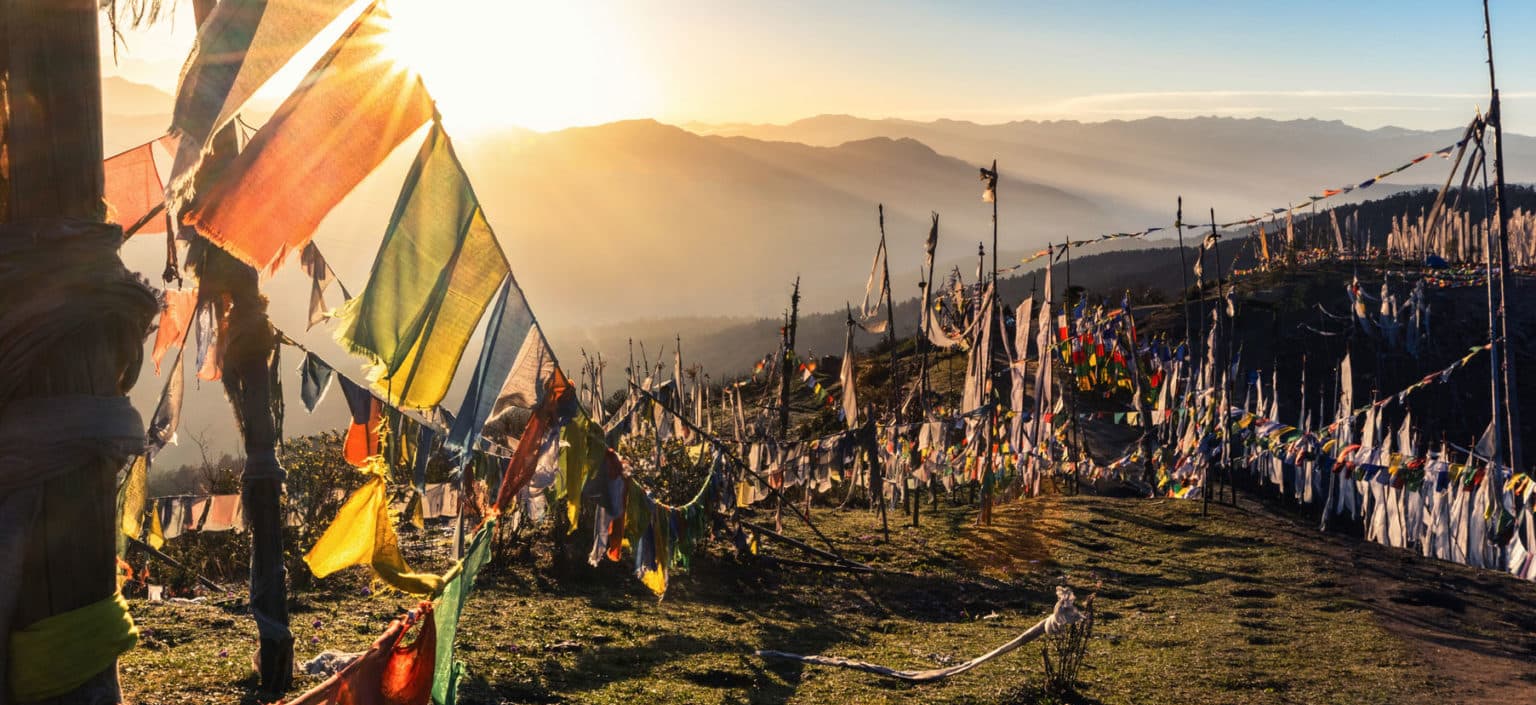
Tiger’s Nest Monastery offers an extraordinary combination of spiritual history, dramatic landscapes, and adventure hiking. The trail winds through pine forests decorated with colorful prayer flags and offers spectacular views of Paro Valley.
For travelers exploring the Himalayas, the hike to Tiger’s Nest is one of the most rewarding experiences. The journey combines culture, nature, and spirituality—making it a highlight of any Bhutan travel itinerary.
Where Is Tiger’s Nest Monastery Located?
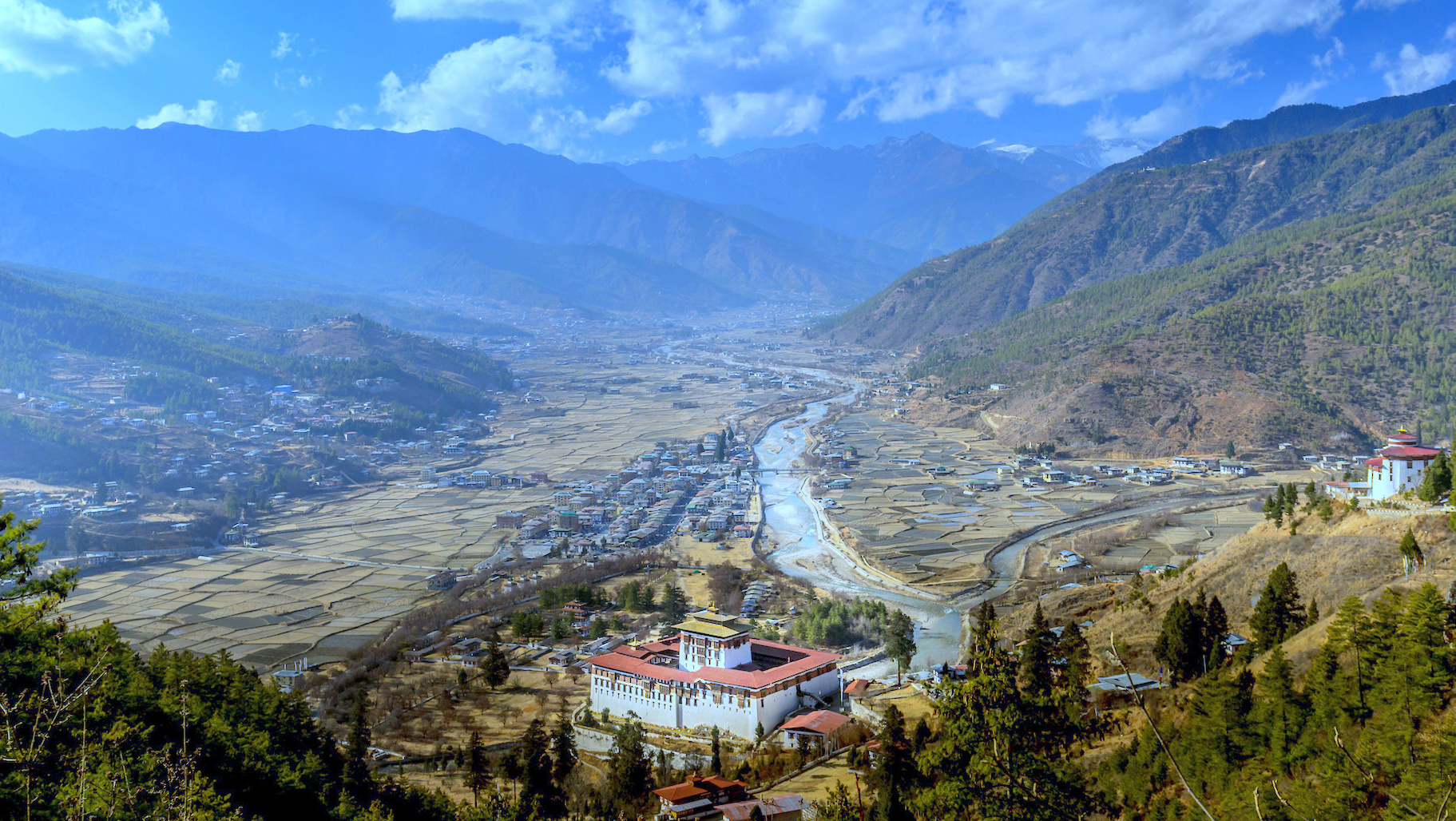
Location in Paro Valley, Bhutan
Tiger’s Nest Monastery, officially known as Paro Taktsang, is located in the stunning Paro Valley in western Bhutan. The monastery is perched dramatically on a steep cliffside above the valley, surrounded by dense pine forests and rugged Himalayan terrain. This sacred site lies about 7 kilometers (4 miles) north of Paro town, making it easily accessible for travelers staying in the valley. The Paro Valley itself is one of Bhutan’s most scenic regions, known for its traditional villages, rice fields, ancient monasteries, and clear views of the surrounding mountains. Because of its natural beauty and cultural significance, the valley is often the first destination visitors explore when arriving in Bhutan.
Altitude & Geographic Setting
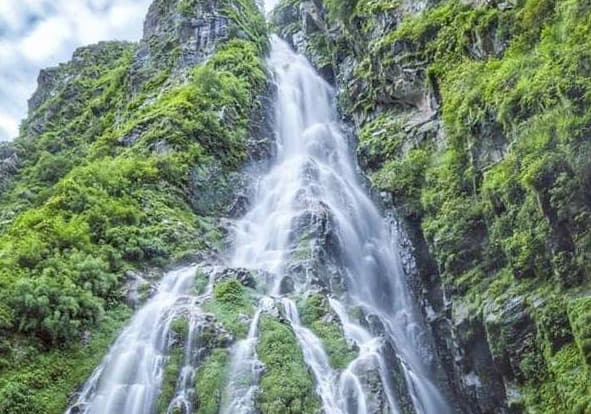
Tiger’s Nest Monastery sits at an elevation of approximately 3,120 meters (10,240 feet) above sea level, clinging to a vertical cliff nearly 900 meters (about 3,000 feet) above the valley floor. The monastery appears almost suspended in midair, built directly into the rock face of the mountain. This extraordinary geographic setting creates one of the most dramatic religious landmarks in the Himalayas. The surrounding landscape features thick pine and rhododendron forests, steep rocky cliffs, and cascading waterfalls that flow down the mountainside near the monastery. From the monastery’s terraces and viewpoints, visitors can enjoy breathtaking panoramic views of the Paro Valley and the distant Himalayan peaks, making it not only a spiritual destination but also one of the most spectacular viewpoints in Bhutan.
Distance from Paro Airport
The monastery is located roughly 10 kilometers (6 miles) from Paro International Airport, Bhutan’s only international airport and the main gateway into the country. Most travelers arrive in Bhutan through Paro, making Tiger’s Nest one of the first major attractions they visit. From the airport or hotels in Paro town, the drive to the Ramthangkha trailhead—the starting point for the hike to the monastery—takes about 20 to 25 minutes by car. The road passes through scenic countryside, traditional Bhutanese houses, and forested mountain slopes. Once at the trailhead, visitors begin the famous hike that leads up to the monastery, gradually ascending through beautiful forests until the iconic cliffside structure comes into view.
Here are some of the Best Handpicked Itinerary tour packages to explore Bhutan:-
The Legend of Tiger’s Nest Monastery
The Story of Guru Rinpoche
The legend of Tiger’s Nest Monastery is deeply connected to Guru Rinpoche, also known as Padmasambhava, one of the most important spiritual figures in Himalayan Buddhism. According to Bhutanese legend, Guru Rinpoche arrived at this dramatic cliffside location in the 8th century while spreading the teachings of Buddhism across the Himalayan region. It is said that he flew from Tibet to the site on the back of a flying tigress, who was actually one of his spiritual consorts transformed into this powerful form. After reaching the cliffside cave, Guru Rinpoche meditated there for several months, using spiritual practices to subdue negative forces and local demons that were believed to be disturbing the region. His meditation is said to have purified the area and helped establish Buddhism as the dominant spiritual tradition in Bhutan.
Why It’s Called “Tiger’s Nest”
Because of this remarkable legend, the monastery became known as Tiger’s Nest, symbolizing the place where the tigress carrying Guru Rinpoche landed on the mountain. The original meditation cave where he practiced still exists within the monastery complex and remains one of its most sacred chambers. The name also reflects the monastery’s breathtaking location, perched dramatically on a steep rock cliff high above the forested valley. From a distance, the white buildings with golden roofs appear almost suspended on the mountainside, resembling a hidden nest clinging to the cliffs. This unique setting has made Tiger’s Nest one of the most recognizable and iconic landmarks in Bhutan.
Spiritual Importance in Bhutanese Buddhism
Today, Tiger’s Nest Monastery is considered one of the most sacred pilgrimage sites in Bhutan and holds immense spiritual importance in Bhutanese Buddhism. Devout Bhutanese pilgrims often hike up to the monastery at least once in their lifetime as an act of devotion and spiritual purification. Monks continue to live and meditate within the monastery complex, performing daily prayers, rituals, and ceremonies that have been practiced for centuries. The site is believed to possess powerful spiritual energy due to Guru Rinpoche’s meditation, and visiting the monastery is often seen as a deeply meaningful experience for both pilgrims and travelers seeking a connection with Bhutan’s rich religious heritage.
How to Reach Tiger’s Nest Monastery
Travel from Paro Town
Most travelers begin their journey to Tiger’s Nest Monastery, also known as Paro Taktsang, from the charming town of Paro in western Bhutan. Paro is the closest major town to the monastery and serves as the main base for visitors planning the famous hike. From Paro town, travelers drive approximately 20 minutes north to the Ramthangkha trailhead, which is the starting point of the hiking route to the monastery. The road leading to the trailhead passes through beautiful countryside landscapes, traditional Bhutanese homes, farmland, and forested hillsides. Once visitors reach the trailhead parking area, the hike begins through a scenic mountain trail surrounded by pine forests and prayer flags, gradually leading to breathtaking viewpoints of the monastery perched high on the cliff.
Transportation Options
There are several convenient ways for visitors to reach the trailhead from Paro. Most travelers use private cars, tour vehicles, or hotel-arranged transfers, which are typically included as part of their travel itinerary in Bhutan. Since tourism in Bhutan is carefully regulated, independent travel is limited for international visitors. As a result, most tourists visit Tiger’s Nest as part of an organized trip arranged by licensed Bhutanese tour companies. These tours provide comfortable transportation, experienced local guides, and well-planned itineraries that allow travelers to explore the monastery while also learning about Bhutan’s culture, history, and religious traditions during the journey.
Entry Regulations & Permit Requirements
International visitors traveling to Bhutan must follow specific travel regulations set by the Bhutanese government. Tourists are generally required to book their trip through licensed Bhutan tour operators, who arrange the necessary travel permits and logistics before arrival. These tour packages typically include all essential services needed for the trip, ensuring a smooth and well-organized travel experience. A standard Bhutan travel package usually covers:
-
Visa arrangements are required to enter Bhutan
-
Accommodation at approved hotels or resorts
-
Transportation within the country, including airport transfers and sightseeing travel
-
Professional guide services provided by licensed Bhutanese guides
-
Entrance fees for major attractions, including the hike to Tiger’s Nest Monastery
These regulations help Bhutan manage tourism sustainably while preserving the country’s culture, environment, and spiritual heritage. For travelers, this system ensures a well-organized visit with expert guidance while exploring one of Bhutan’s most iconic and sacred landmarks.
Tiger’s Nest Monastery Hike Guide
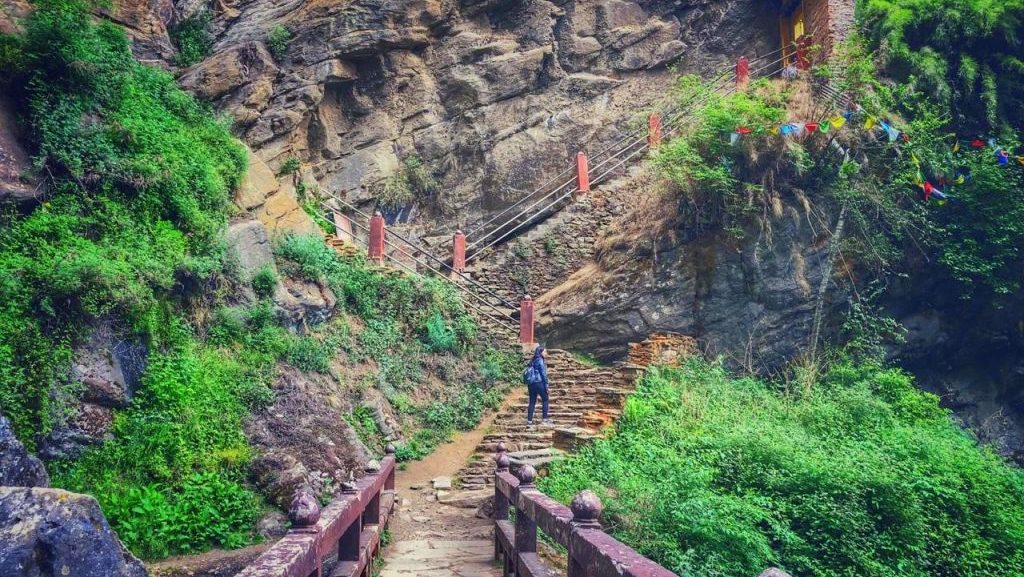
Hiking Distance & Duration
The hike to Tiger’s Nest Monastery, also known as Paro Taktsang, is one of the most iconic trekking experiences in Bhutan. The round-trip hiking distance is approximately 6–7 kilometers (around 4 miles) from the Ramthangkha trailhead to the monastery and back. For most visitors, the entire journey typically takes 4 to 6 hours, depending on individual pace, weather conditions, and the number of rest stops along the way. The ascent generally takes 2–3 hours, while the descent is usually slightly faster at around 1.5–2 hours. The trail gradually winds through beautiful pine forests decorated with colorful prayer flags, and several scenic viewpoints along the route provide stunning glimpses of the monastery clinging dramatically to the cliffside.
Trail Difficulty Level
The hike to Tiger’s Nest is considered moderate in difficulty, making it achievable for most travelers with average physical fitness. However, it does include long uphill sections, uneven stone steps, and some steep stretches, which can make the climb feel challenging at times. The trail is well-maintained and clearly marked, but the continuous ascent requires patience and a steady pace. Many visitors find that walking slowly and taking short breaks makes the hike much more comfortable. Even though the trail can be demanding, the breathtaking views and the spiritual atmosphere of the monastery make the effort incredibly rewarding.
Elevation Gain & Fitness Requirements
During the hike, visitors climb approximately 600–700 meters in elevation, starting from around 2,600 meters above sea level and reaching the monastery at about 3,120 meters. Because of the altitude, some travelers may feel slightly short of breath while climbing. It is recommended to walk slowly, drink plenty of water, and take regular breaks to allow the body to adjust to the thinner mountain air. Travelers who maintain a moderate level of fitness—such as being able to comfortably walk uphill for several hours—should be able to complete the hike successfully. Hiring a local guide can also help maintain a comfortable pace and provide helpful insights about the monastery and the surrounding landscape.
Rest Stops & Cafeteria Viewpoint
One of the most popular stopping points along the trail is the cafeteria viewpoint, located roughly halfway up the hike. From this point, hikers are rewarded with one of the best panoramic views of Tiger’s Nest Monastery, perched dramatically across the valley on the cliff face. The cafeteria offers a relaxing place where visitors can enjoy tea, coffee, light snacks, or a simple lunch while taking in the breathtaking scenery. Many travelers choose to pause here for photos and rest before continuing the climb toward the monastery. The viewpoint is often considered one of the highlights of the hike, as it provides the first clear and unforgettable view of the iconic monastery.
Here are some of the Best Handpicked Itinerary tour packages to explore Bhutan:-
Best Time to Visit Tiger’s Nest Monastery
Spring (March–May)
Spring is widely considered one of the most beautiful seasons to visit Tiger’s Nest Monastery, also known as Paro Taktsang, in Bhutan. From March to May, the weather in the Paro Valley becomes mild and comfortable, with daytime temperatures generally ranging between 12°C and 20°C. During this time, the mountains and forests surrounding the trail burst into color as rhododendron flowers and other alpine plants bloom along the hillside. The fresh mountain air and vibrant landscapes make the hiking experience especially enjoyable. Spring also offers relatively clear skies, allowing hikers to enjoy beautiful views of the monastery perched dramatically on the cliff as well as the surrounding Himalayan scenery.
Autumn (September–November)
Autumn is often considered the most popular and ideal season to visit Tiger’s Nest Monastery. Between September and November, the monsoon rains have passed, leaving behind clear skies, crisp mountain air, and excellent visibility. This season offers some of the best conditions for hiking and photography, with spectacular views of the valley and surrounding mountains. The weather is generally stable, with comfortable daytime temperatures and cool evenings. Because of the favorable climate and stunning scenery, autumn attracts many international travelers and pilgrims who come to experience one of Bhutan’s most sacred landmarks.
Weather Considerations
While Tiger’s Nest can technically be visited throughout the year, weather conditions can influence the hiking experience. The summer months from June to August bring the monsoon season to Bhutan, which can result in frequent rain, cloudy skies, and slippery trails along the hiking route. Although the landscapes are lush and green during this time, visibility may sometimes be limited. Winter (December to February), on the other hand, brings colder temperatures, particularly in the early mornings and evenings. However, winter often provides clear skies and peaceful trails, making it a good option for travelers who prefer fewer crowds and crisp mountain views.
Festival Seasons in Bhutan
Another wonderful time to visit the region is during one of Bhutan’s traditional religious festivals, particularly the famous Paro Tshechu held annually in the town of Paro. This vibrant festival features colorful masked dances, sacred rituals, and traditional Bhutanese music, performed by monks and local performers dressed in elaborate costumes. Attending the festival offers visitors a deeper insight into Bhutan’s spiritual culture and centuries-old traditions. Combining a hike to Tiger’s Nest Monastery with the Paro Tshechu festival creates a truly unforgettable travel experience, blending natural beauty, spiritual heritage, and cultural celebration.
Essential Travel Tips for Visiting Tiger’s Nest
Start Early to Avoid Crowds
Visiting Tiger’s Nest Monastery, also known as Paro Taktsang, is one of the highlights of traveling in Bhutan, and it attracts many visitors throughout the year. To make the most of your experience, it is highly recommended to start the hike early in the morning, ideally around 7:00–8:00 AM. Early mornings usually offer cooler temperatures, clearer skies, and fewer crowds on the trail. Beginning early also allows hikers to take their time, enjoy the scenic viewpoints along the route, and reach the monastery before the midday rush. In addition, morning light provides excellent conditions for photography of the monastery and the surrounding mountains.
Wear Proper Hiking Shoes
The trail leading to Tiger’s Nest Monastery passes through rocky mountain paths, uneven stone steps, and steep uphill sections, making proper footwear very important. Visitors should wear comfortable hiking shoes or sturdy trekking shoes with good grip to ensure stability on the trail. Shoes with strong traction help prevent slipping, especially during damp or dusty conditions. Lightweight hiking boots or trail shoes are ideal because they provide support for the ankles while remaining comfortable for several hours of walking.
Carry Water & Light Snacks
Although there is a cafeteria located along the trail, it is still a good idea to carry enough drinking water and a few light snacks for the hike. Staying hydrated is particularly important because the trail climbs to higher altitudes where the air is thinner. Snacks such as energy bars, nuts, or fruit can provide quick energy during the climb. Packing a small daypack with essentials like water, sunscreen, and a light jacket can make the hike much more comfortable.
Dress Modestly (Temple Etiquette)
Since Tiger’s Nest Monastery is an active and sacred religious site, visitors are expected to respect local customs and temple etiquette. When entering the monastery buildings, travelers should wear modest clothing that covers the shoulders and knees. This applies to both men and women. Wearing respectful attire demonstrates appreciation for Bhutanese culture and the spiritual importance of the monastery. Visitors may also be asked to remove hats and maintain quiet behavior while inside the temple areas.
No Photography Inside the Monastery
While photography is allowed along the hiking trail and at viewpoints outside the monastery, taking photos inside the temple buildings is strictly prohibited. This rule helps protect the sacred atmosphere of the site and respects the religious practices of the monks who live and worship there. Visitors are usually required to leave cameras, phones, and bags in designated storage areas before entering the temple complex. However, there are many stunning viewpoints along the trail where travelers can capture unforgettable photos of the monastery and the surrounding Himalayan landscape.
What to Expect During the Visit
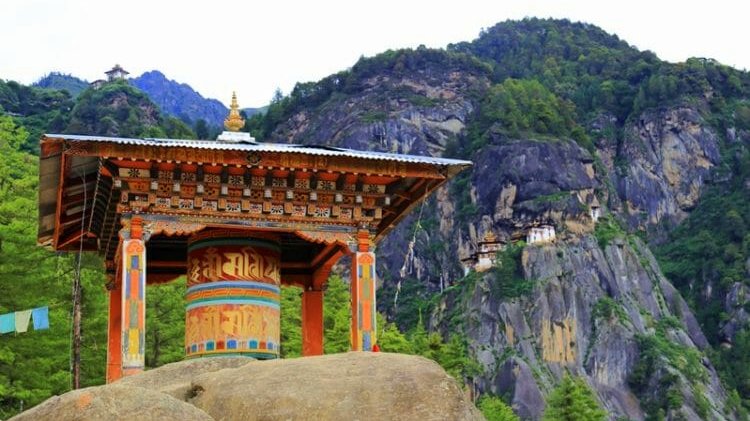
Temple Interiors & Prayer Rooms
When visitors finally reach Tiger’s Nest Monastery, also known as Paro Taktsang, they enter a sacred complex made up of several interconnected temples, meditation caves, and prayer rooms built directly into the cliffside. Inside the monastery, visitors will find beautifully decorated Buddhist shrines, statues of revered spiritual masters, and intricate wall murals depicting important stories from Buddhist teachings. One of the most sacred areas is the meditation cave where Guru Rinpoche (Padmasambhava) is believed to have meditated in the 8th century. The temples are dimly lit and filled with the warm glow of butter lamps, creating a calm and reverent environment that reflects centuries of spiritual tradition.
Prayer Flags & Cliffside Views
As visitors explore the area around the monastery, they will notice colorful prayer flags fluttering across the mountain ridges and forest trails. These flags are an important part of Himalayan Buddhist culture and are believed to spread prayers and positive energy through the wind. The monastery’s dramatic cliffside location, perched nearly 900 meters above the valley floor, offers breathtaking views of the surrounding Paro Valley in Bhutan. From certain viewpoints, travelers can see deep forests, waterfalls flowing down the cliffs, and the vast landscape of the valley far below. These panoramic views are one of the most memorable parts of the visit.
The Spiritual Atmosphere
One of the most remarkable aspects of visiting Tiger’s Nest Monastery is the deeply spiritual and peaceful atmosphere that surrounds the site. Even with visitors present, the monastery maintains a sense of quiet reverence and serenity. Inside the temples, monks can often be seen chanting traditional prayers, performing rituals, or meditating. The gentle sound of chanting combined with the scent of burning incense creates an environment that many visitors describe as calming and spiritually uplifting. For many travelers, the experience goes beyond sightseeing and becomes a moment of reflection and connection with Bhutan’s rich religious heritage.
Luxury Travel Experience to Tiger’s Nest
Stay in Five-Star Hotels in Paro
Luxury travelers visiting Paro can enjoy a range of five-star resorts and boutique luxury hotels that offer exceptional comfort and stunning Himalayan scenery. High-end properties such as Amankora Paro and COMO Uma Paro provide elegant accommodations surrounded by forests and mountain views. These luxury resorts often feature world-class spa facilities, wellness programs, fine Bhutanese and international cuisine, and personalized service. Staying in these exclusive properties allows travelers to relax and rejuvenate before or after the memorable hike to Tiger’s Nest Monastery.
Private Guided Hike Experience
For travelers seeking a more personalized experience, many Bhutan tours offer private guided hikes to Tiger’s Nest Monastery. Professional local guides accompany visitors throughout the journey, sharing insights about Bhutanese culture, Buddhist traditions, and the fascinating legends associated with the monastery. A private guide also allows travelers to maintain a comfortable pace, take additional rest stops, and explore hidden viewpoints along the trail. This customized experience enhances the journey, making the hike both informative and enjoyable.
Combine with Luxury Bhutan Cultural Tour
A visit to Tiger’s Nest Monastery is often part of a broader luxury journey through Bhutan. Many high-end itineraries combine the hike with cultural exploration in major Bhutanese destinations such as Thimphu, the country’s capital, and Punakha Valley, known for its historic monasteries and scenic landscapes. These tours typically include visits to iconic sites like Punakha Dzong and traditional villages, providing travelers with a deeper understanding of Bhutan’s unique blend of spirituality, culture, and natural beauty. Together, these experiences create a well-rounded and unforgettable luxury travel journey in the Himalayan kingdom.
Is Visiting Tiger’s Nest Worth It?
Visiting Tiger’s Nest Monastery, also known as Paro Taktsang, is widely considered one of the most rewarding travel experiences in Bhutan. Perched dramatically on a cliff high above the beautiful Paro Valley, the monastery offers a powerful blend of spiritual significance, breathtaking Himalayan scenery, and rich cultural heritage. For many visitors, the site feels deeply peaceful and spiritual, with the quiet mountain surroundings, the scent of incense, and the sound of monks chanting creating an atmosphere of reflection and calm. The hike itself is equally memorable, passing through pine forests and scenic viewpoints that reveal stunning landscapes of cliffs, waterfalls, and valley vistas. In addition to its natural beauty, the monastery provides a meaningful cultural experience, as it remains an active place of worship where travelers can witness traditional Bhutanese Buddhist practices and learn about the legacy of Guru Rinpoche, who is believed to have meditated here in the 8th century. Together, these elements make a visit to Tiger’s Nest not only visually spectacular but also spiritually and culturally enriching.
Safety & Altitude Considerations
Acclimatization Tips
Since the monastery sits at an altitude of over 3,100 meters above sea level, it is recommended that travelers spend at least one full day in Paro before attempting the hike. This extra time allows the body to adjust gradually to the higher altitude, reducing the chance of discomfort such as shortness of breath or mild headaches. During this acclimatization period, visitors can explore nearby attractions or simply relax and prepare for the hike.
Health Precautions
Although the hike to Tiger’s Nest is achievable for most people with average fitness, it does require steady uphill walking at altitude. Travelers who have heart conditions, respiratory problems, or other medical concerns should consult their doctor before attempting the hike. Walking slowly, drinking enough water, and taking regular breaks are simple but effective ways to make the journey safer and more enjoyable.
Emergency Support & Guide Assistance
Tourism in Bhutan is well organized, and most visitors travel with licensed Bhutanese guides who accompany them throughout the journey. These guides are experienced in handling the trail and can provide support if travelers feel tired or uncomfortable due to altitude. In case of emergencies, guides can coordinate assistance and arrange transportation back to Paro if necessary. Having professional guidance ensures that the experience remains safe while allowing visitors to fully enjoy the hike.
Visiting Tiger’s Nest Monastery, also known as Paro Taktsang, is truly one of the most unforgettable experiences in Bhutan. Perched dramatically on a cliff above the stunning Paro Valley, the monastery offers a remarkable combination of natural beauty, spiritual significance, and cultural heritage. The rewarding hike through peaceful forests, the breathtaking Himalayan views, and the opportunity to explore one of Bhutan’s most sacred religious sites make the journey both inspiring and meaningful. Whether you are drawn by adventure, photography, spirituality, or cultural exploration, a visit to Tiger’s Nest Monastery provides a unique glimpse into Bhutan’s deep-rooted traditions and tranquil mountain landscapes, making it a must-visit destination for travelers exploring the Himalayas.
Frequently Asked Questions (FAQ)
Q: Where is Tiger’s Nest Monastery located?
A: Tiger’s Nest Monastery, also known as Paro Taktsang, is located in the scenic Paro Valley in western Bhutan. It sits dramatically on a cliffside about 900 meters above the valley floor and around 7 km from the town of Paro.
Q: How difficult is the hike to Tiger’s Nest Monastery?
A: The hike is considered moderate in difficulty. It includes steep uphill sections and stone steps, but most travelers with average fitness can complete the hike by walking at a steady pace and taking rest breaks.
Q: How long does it take to hike to Tiger’s Nest Monastery?
A: The round-trip hike usually takes 4–6 hours, depending on your pace, fitness level, and how long you spend resting or enjoying viewpoints along the trail.
Q: What is the altitude of Tiger’s Nest Monastery?
A: The monastery sits at approximately 3,120 meters (10,240 feet) above sea level, making it important for visitors to hike slowly and stay hydrated during the climb.
Q: When is the best time to visit Tiger’s Nest Monastery?
A: The best times to visit are spring (March–May) and autumn (September–November) when the weather is clear, temperatures are comfortable, and mountain views are at their best.
Q: Can beginners hike to Tiger’s Nest Monastery?
A: Yes. Beginners can complete the hike as long as they take their time, walk slowly, and take regular breaks along the trail.
Q: Is there a place to rest during the hike?
A: Yes. There is a cafeteria viewpoint about halfway up the trail, where visitors can rest, enjoy tea or snacks, and take photos of the monastery from one of the best viewpoints.
Q: Is photography allowed at Tiger’s Nest Monastery?
A: Photography is allowed outside along the trail and viewpoints, but it is not permitted inside the monastery temples.
Q: Do tourists need a permit to visit Tiger’s Nest?
A: Yes. International visitors must travel to Bhutan through licensed tour operators, who arrange visas, permits, guides, and travel logistics as part of a tour package.
Q: Why is Tiger’s Nest Monastery so important in Bhutan?
A: The monastery is one of Bhutan’s most sacred pilgrimage sites because it is believed that Guru Rinpoche meditated in a cave here in the 8th century while introducing Buddhism to Bhutan. It remains a deeply important spiritual and cultural symbol for the country.
If you need any further information, please contact us by email: [email protected], Phone: +977- 985 100 5129 (WhatsApp)