
10 Famous Monasteries in Bhutan You Must Visit
Bhutan lies in the eastern Himalayas and is known as a country where spirituality is part of everyday life. People here follow deep-rooted traditions of Vajrayana Buddhism, which shape their culture, lifestyle, and beliefs. Across the country, you will find monasteries, dzongs, and temples built on hills, beside rivers, and high on mountain cliffs. These sacred places are not just centers of prayer but also places where history, art, and community come together, making the famous monasteries in Bhutan an essential part of the country’s identity. Monks spend years studying and meditating in these monasteries, keeping ancient teachings alive. Visitors can feel a strong sense of peace and calm as they explore these spiritual sites. The architecture, colorful paintings, and detailed woodwork show the beauty and skill of Bhutanese craftsmanship. Every monastery has its own story, often connected to important spiritual figures and events. Together, they reflect the true heart and soul of Bhutan.
Monasteries in Bhutan are much more than tourist attractions; they are an important part of daily life and cultural identity. Many festivals, prayers, and community gatherings take place in these sacred spaces throughout the year. During special festivals called Tshechus, people come together to watch traditional mask dances and receive blessings. These experiences allow visitors to see Bhutan’s culture in a very real and meaningful way. The peaceful surroundings of these monasteries, often surrounded by forests and mountains, create a perfect environment for reflection and relaxation. Visiting them gives travelers a chance to slow down and connect with nature as well as spirituality. Each monastery offers a different experience, from quiet meditation spots to lively festival grounds. Exploring these places helps you understand why Bhutan is often called a spiritual destination. It is this unique combination of faith, culture, and natural beauty that makes Bhutan truly special.
Why Bhutan Is Known as the Land of Monasteries
Bhutan is often called the Land of Monasteries because these sacred structures are found throughout the country, shaping both its landscape and its way of life. From high cliffs to quiet valleys and dense forests, monasteries are built in locations that reflect peace, isolation, and spiritual focus. The country follows Vajrayana Buddhism, which plays a central role in guiding people’s beliefs, traditions, and daily practices. Monastic institutions are not only places for prayer but also important centers for learning, meditation, and cultural preservation. Monks dedicate their lives to studying ancient teachings and performing rituals that have been passed down for generations. These monasteries also influence Bhutan’s governance, as religion and leadership are closely connected. Festivals, ceremonies, and community gatherings are often held in these sacred spaces, bringing people together in celebration and devotion. The unique architecture of monasteries, with their intricate designs and vibrant colors, adds to Bhutan’s cultural richness. Visitors can feel a deep sense of calm and spirituality when exploring these places. All of these elements combined make monasteries an essential part of Bhutan’s identity and the reason it is known worldwide for its spiritual heritage.
The Spiritual Importance of Monasteries in Bhutanese Culture
Monasteries in Bhutan hold deep spiritual meaning and are an essential part of everyday life for the people. These sacred places serve as centers where monks dedicate their lives to meditation, prayer, and the study of ancient Buddhist teachings rooted in Vajrayana Buddhism. Inside the monasteries, rituals and ceremonies are performed regularly to bring peace, protection, and blessings to the community. They are not only places for spiritual practice but also important spaces where culture and traditions are preserved and passed down through generations. Monasteries also play a key role during religious festivals known as Tshechus, where people from different regions come together to celebrate with devotion and joy. During these festivals, monks and performers present colorful masked dances that tell stories of good over evil and spiritual teachings. These gatherings strengthen community bonds and allow visitors to experience Bhutanese culture in a meaningful way. The peaceful surroundings of monasteries, often located in quiet and scenic areas, create a perfect environment for reflection and inner calm. For both locals and travelers, visiting these monasteries offers a deeper understanding of Bhutan’s spiritual identity. This strong connection between faith, culture, and daily life highlights the true importance of monasteries in Bhutanese society.
Why Visiting Monasteries Is a Must in Bhutan
Visiting monasteries in Bhutan is one of the most meaningful experiences a traveler can have, as it offers a deep connection to the country’s spiritual and cultural essence. These sacred places are not only beautiful to look at but also filled with history, traditions, and a sense of calm that is hard to find elsewhere. Many monasteries are located in peaceful mountain settings, surrounded by forests, rivers, and breathtaking landscapes that add to their charm. As you explore them, you will notice the detailed architecture, colorful murals, and prayer flags that reflect strong religious beliefs. Each monastery has its own unique story, often linked to spiritual masters, ancient legends, and important historical events. Visitors can observe monks in prayer, hear the sound of chanting, and feel a quiet atmosphere that encourages reflection. These experiences help you understand how deeply faith is woven into everyday life in Bhutan. Monasteries also provide a chance to witness traditional festivals, rituals, and cultural practices up close. Spending time in these sacred spaces allows you to slow down and appreciate the beauty of simplicity and mindfulness. Overall, visiting monasteries gives you a true insight into the heart and soul of Bhutan, making it an essential part of any journey.
Here are some of the best handpicked packages to explore bhutan:-
We have carefully curated a comprehensive list of the most popular monasteries in Bhutan below.
1. Tiger’s Nest Monastery (Paro Taktsang)
Located in the beautiful Paro Valley at an altitude of around 3,120 meters, Tiger’s Nest Monastery is the most iconic and spiritually significant site in Bhutan. Perched dramatically on the edge of a steep cliff, the monastery appears almost suspended in the air, creating one of the most breathtaking views in the Himalayas. This sacred place is closely connected to Guru Rinpoche, who is believed to have flown to this location on the back of a tigress and meditated in a cave here during the 8th century. Because of this legend, the monastery holds deep religious importance and is considered a pilgrimage site for Bhutanese people. The peaceful surroundings, combined with its spiritual history, make it a truly special place to visit.
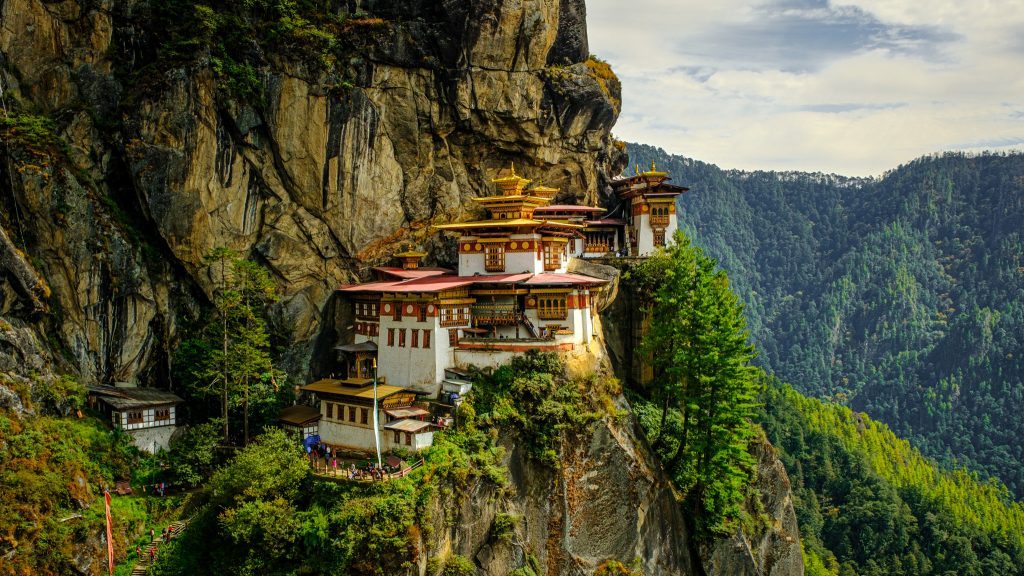
Reaching Tiger’s Nest Monastery involves a challenging yet rewarding hike that takes you through pine forests, prayer flags, and scenic viewpoints along the way. The journey itself is an important part of the experience, allowing visitors to slowly connect with the natural beauty and spiritual atmosphere of the area. As you climb higher, the views of the valley become more stunning, and the monastery gradually comes into full sight, creating a memorable moment for every traveler. Inside, the monastery features sacred shrines, prayer halls, and meditation caves that reflect Bhutan’s deep-rooted Buddhist traditions. Despite the effort required to reach it, the sense of peace and accomplishment at the top makes it truly worthwhile. Visiting Tiger’s Nest is not just about seeing a famous landmark but about experiencing the spiritual heart of Bhutan in a powerful and unforgettable way.
2. Punakha Dzong Monastery
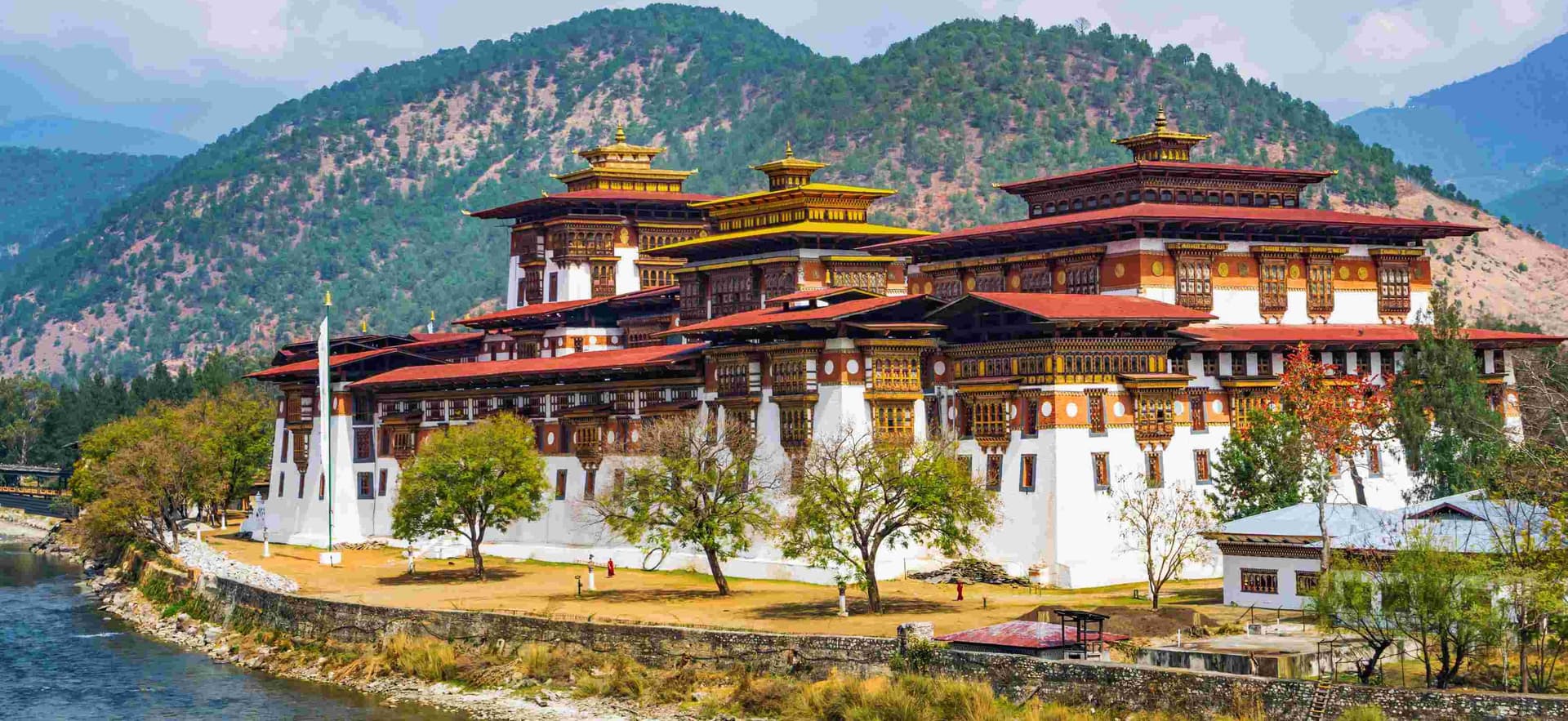
Punakha Dzong stands as one of the most beautiful and historically rich landmarks in Bhutan, offering a perfect blend of natural beauty and spiritual importance. Resting at an altitude of around 1,200 meters in Punakha, it is famously known as the “Palace of Great Happiness.” The dzong sits gracefully at the meeting point of two rivers, creating a peaceful and scenic setting that feels almost magical. Once the capital of Bhutan, it continues to play a vital role as a major religious center. Its grand white walls, golden rooftops, and detailed woodwork reflect the finest traditions of Bhutanese architecture, while the surrounding landscape adds to its charm.
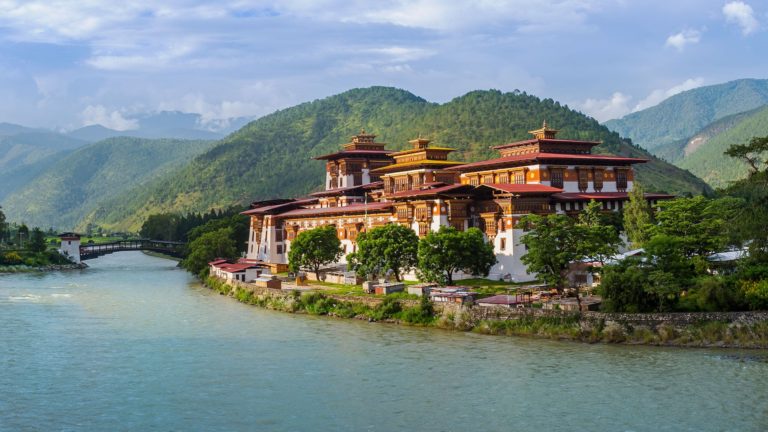
Inside, the dzong reveals a world of sacred temples, open courtyards, and administrative spaces that highlight its dual purpose in both religion and governance. It also serves as the winter residence of the central monastic body, making it an important spiritual hub. Visitors are often drawn to its calm and welcoming atmosphere, where history and devotion come together beautifully. Punakha Dzong is not just a place to see, but a place to truly feel Bhutan’s cultural and spiritual essence.
3. Tashichho Dzong Monastery (Thimphu)
Tashichho Dzong is a grand and impressive structure that reflects the unique harmony between religion and governance in Bhutan. Found in the capital city of Thimphu at an altitude of about 2,334 meters, it serves as the seat of Bhutan’s government as well as the central monastic body. The dzong stands beautifully along the Wang Chhu River, with its whitewashed walls, golden roofs, and well-kept gardens creating a striking visual appeal. It represents the strength of Bhutan’s traditions and its balanced way of life.
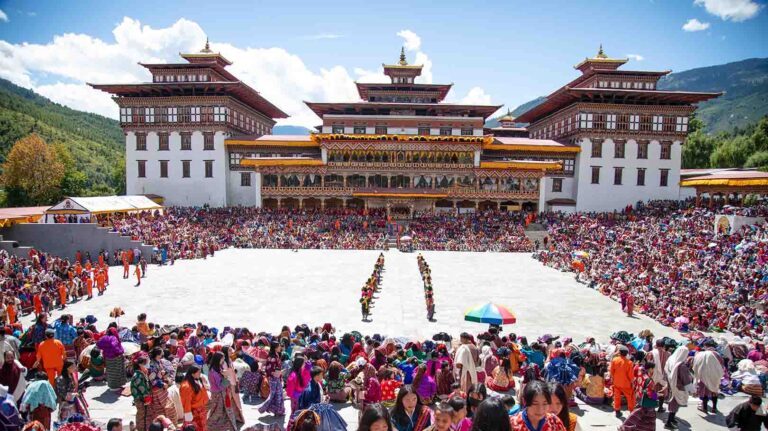
The dzong becomes even more lively during the famous Thimphu Tshechu, when the courtyards fill with colorful masked dances and celebrations. Visitors can explore parts of the dzong in the evening and enjoy its peaceful yet powerful presence. The blend of spiritual energy and cultural richness makes Tashichho Dzong a must-visit destination for anyone wanting to understand Bhutan more deeply.
4. Gangtey Monastery (Phobjikha Valley)
Gangtey Monastery offers a peaceful escape into nature and spirituality, making it one of the most serene places to visit in Bhutan. Set above the beautiful Phobjikha Valley at an altitude of around 3,000 meters, it overlooks a wide glacial valley known for its untouched beauty. The monastery belongs to the Nyingma school of Buddhism and plays an important role in preserving spiritual teachings. The quiet surroundings and open landscapes create a perfect environment for meditation and reflection.
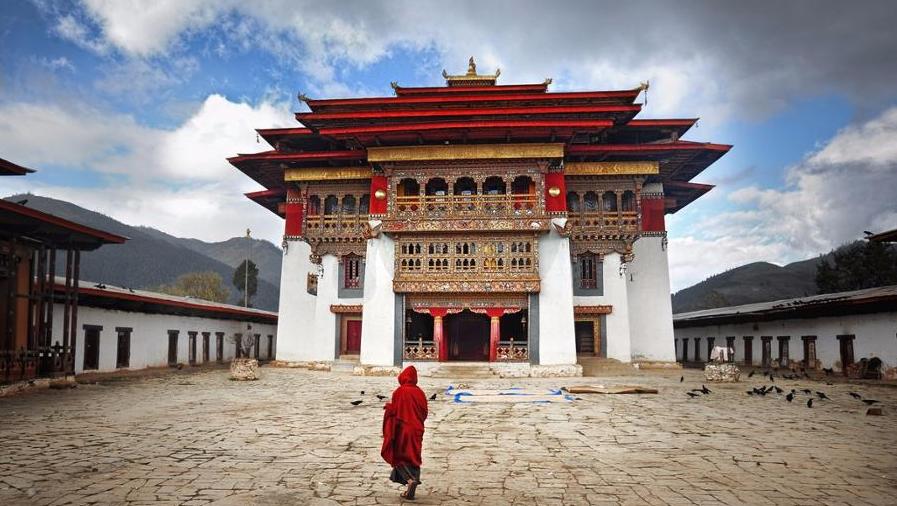
The monastery is closely connected with the annual Black-Necked Crane Festival, which celebrates the arrival of rare cranes during winter. This special link between wildlife and spirituality makes the experience even more unique. Visitors can enjoy gentle walks around the valley, taking in the fresh air and peaceful views. Gangtey Monastery is an ideal destination for those seeking calm, beauty, and a deeper connection with nature.
5. Trongsa Dzong Monastery
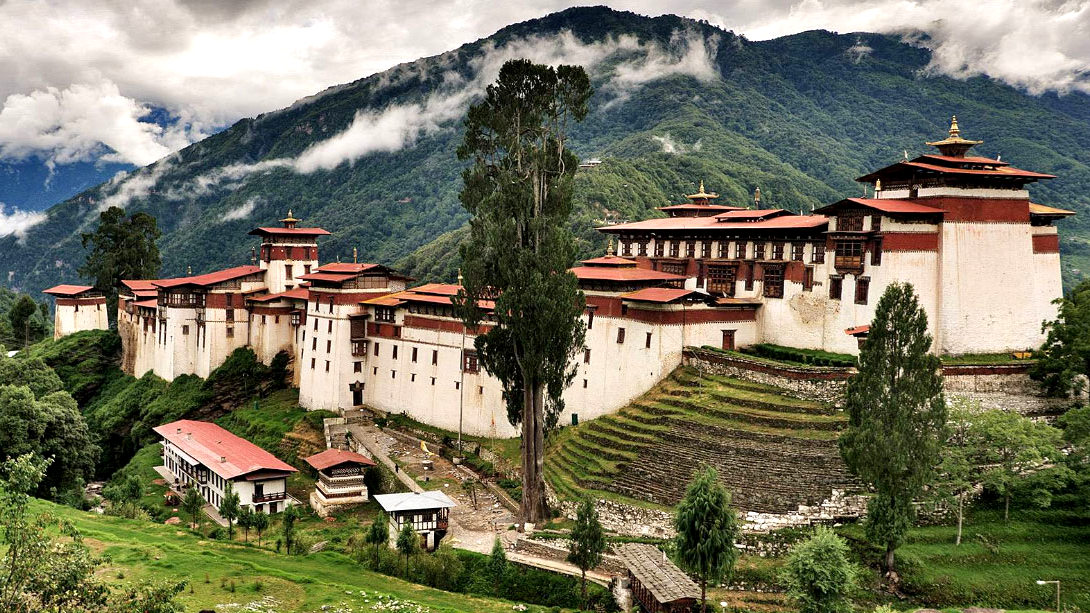
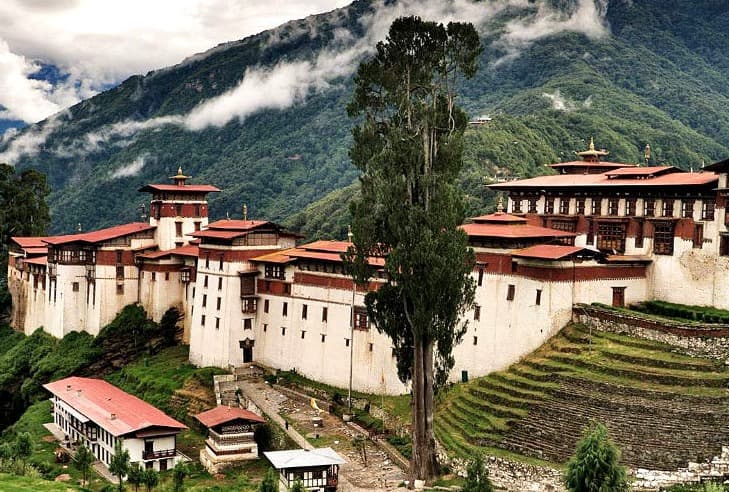
Trongsa Dzong is a powerful symbol of Bhutan’s history and strength, known as the largest dzong in the country. Sitting at an altitude of around 2,200 meters in Trongsa, it stretches along a ridge overlooking a deep valley. In the past, it controlled the main route between eastern and western Bhutan, making it strategically very important. Its massive structure, with multiple levels and courtyards, showcases the beauty and strength of traditional Bhutanese architecture.
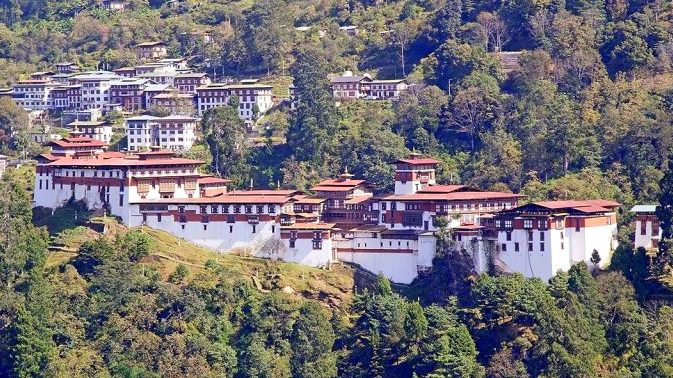
The dzong holds deep connections to Bhutan’s royal family, as it was once the seat of power for the Wangchuck dynasty. Even today, it carries strong historical importance, with the Crown Prince traditionally serving here before becoming king. Walking through its corridors gives a sense of Bhutan’s rich past and royal legacy. The views from the dzong are equally stunning, making it a memorable stop for both history lovers and travelers.
Here are some of the best handpicked packages to explore bhutan:-
6. Jambay Lhakhang Monastery (Bumthang)
Jambay Lhakhang is one of the oldest and most sacred temples in Bhutan, carrying centuries of history and spiritual importance. Found in the peaceful region of Bumthang at an altitude of around 2,600 meters, it is believed to have been built in the 7th century by the Tibetan king Songtsen Gampo. The temple is part of a group of ancient sites created to spread Buddhism and bring spiritual balance to the region. Its simple yet meaningful design reflects the early days of Buddhist architecture in Bhutan.
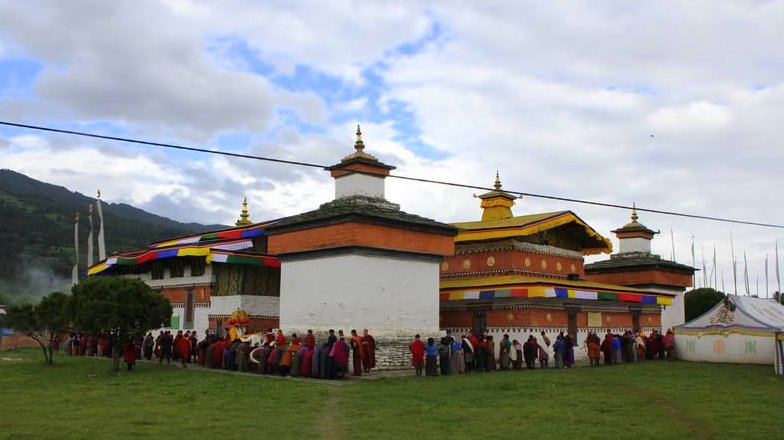
The monastery is especially lively during the annual Jambay Lhakhang Drup, which features traditional dances and sacred rituals. One of the highlights is the fire blessing ceremony, attracting both locals and visitors. The calm surroundings and deep spiritual energy make Jambay Lhakhang a truly special place to visit and experience Bhutan’s religious roots.
7. Kurjey Lhakhang Monastery
Kurjey Lhakhang is one of the most sacred monasteries in Bhutan, known for its strong spiritual significance and peaceful setting. Found in the Bumthang region at an altitude of around 2,600 meters, it is believed that Guru Rinpoche meditated here and left the imprint of his body on a rock, which is now preserved inside the temple. This makes it an important pilgrimage site for Buddhists.
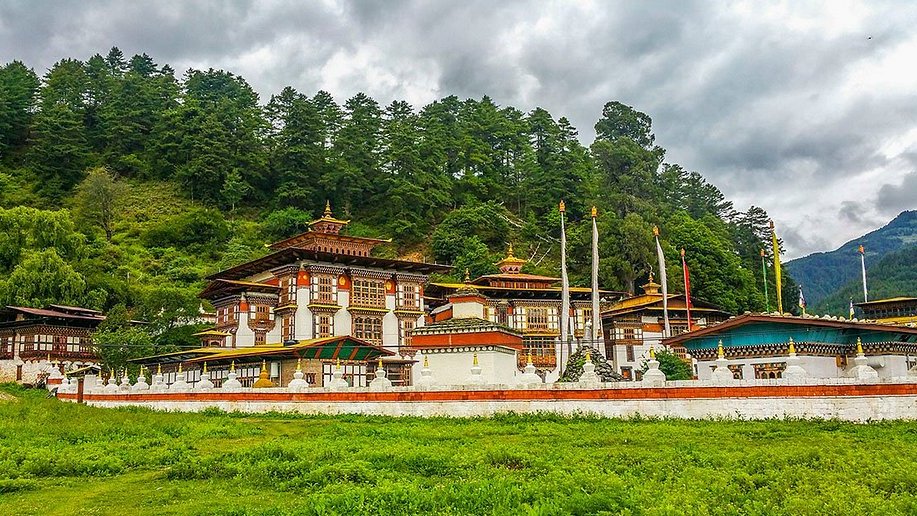
The monastery complex includes several temples surrounded by nature, creating a calm and reflective environment. Visitors often come here to experience its deep sense of peace and to learn about its spiritual importance. The combination of history, belief, and natural beauty makes Kurjey Lhakhang a meaningful destination for anyone exploring Bhutan.
8. Chimi Lhakhang Monastery (Fertility Temple)
Chimi Lhakhang is widely known as the fertility temple of Bhutan and offers a unique cultural experience. Found near Punakha at an altitude of around 1,400 meters, it is dedicated to the famous saint Drukpa Kunley, who is known for his unconventional teachings and humor. The temple is surrounded by open rice fields, and the walk to reach it adds to the charm of the visit.
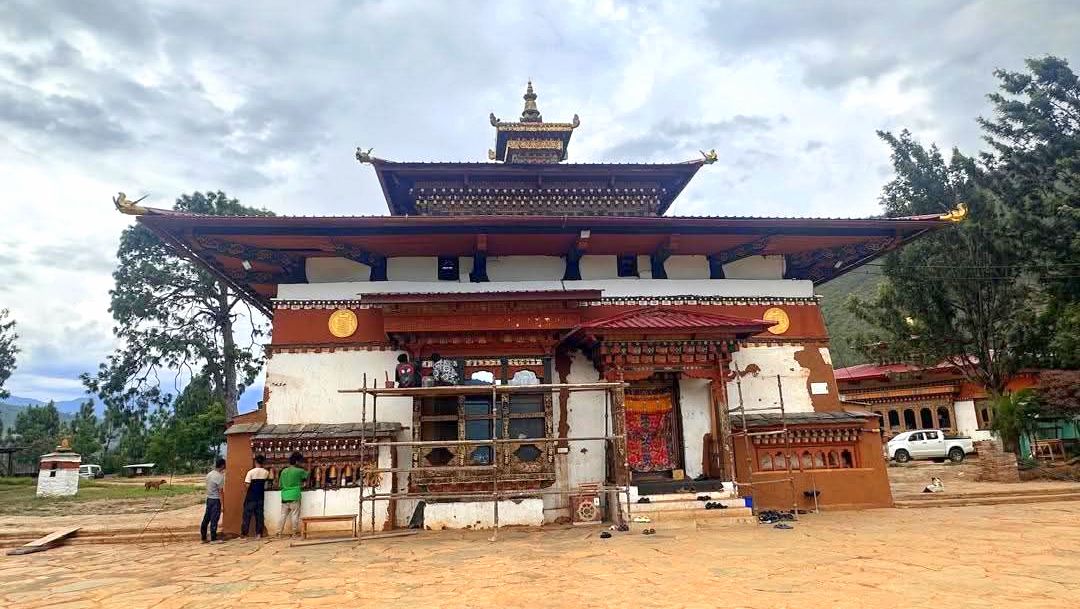
Many couples visit this monastery to receive blessings for fertility and family happiness. The temple is also known for its unique symbols and traditions, which reflect Bhutan’s open and expressive culture. Visiting Chimi Lhakhang provides a different and memorable perspective on spirituality, blending faith with everyday life in a meaningful way.
9. Tango Monastery (Near Thimphu)
Tango Monastery is an important center for Buddhist learning and spiritual practice in Bhutan. Found near Thimphu at an altitude of around 2,800 meters, it is home to monks who study philosophy, meditation, and religious teachings. The monastery is reached by a scenic hike through forests filled with prayer flags, offering a peaceful and refreshing journey.
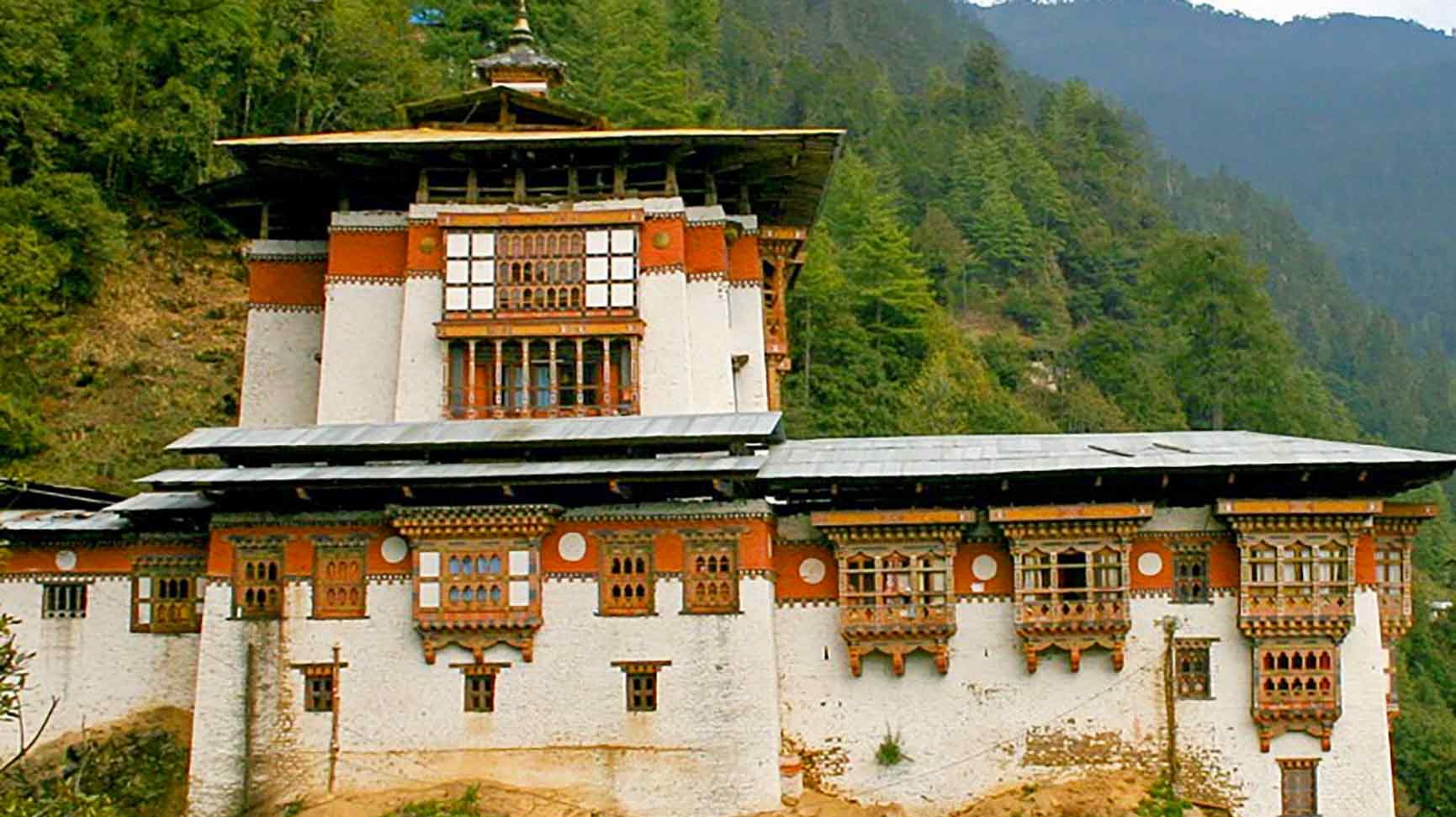
The calm surroundings make it an ideal place for reflection and quiet time. Visitors can experience the simple lifestyle of monks and enjoy the natural beauty around the monastery. Tango Monastery is perfect for those who want to explore Bhutan’s spiritual side in a peaceful and meaningful setting.
10. Cheri Monastery
Cheri Monastery is one of the earliest monastic sites in Bhutan and is known for its peaceful and spiritual atmosphere. Found near Thimphu at an altitude of around 2,600 meters, it was established in the 17th century and continues to serve as an important meditation retreat center. Surrounded by forests and nature, it offers a calm escape from busy life.
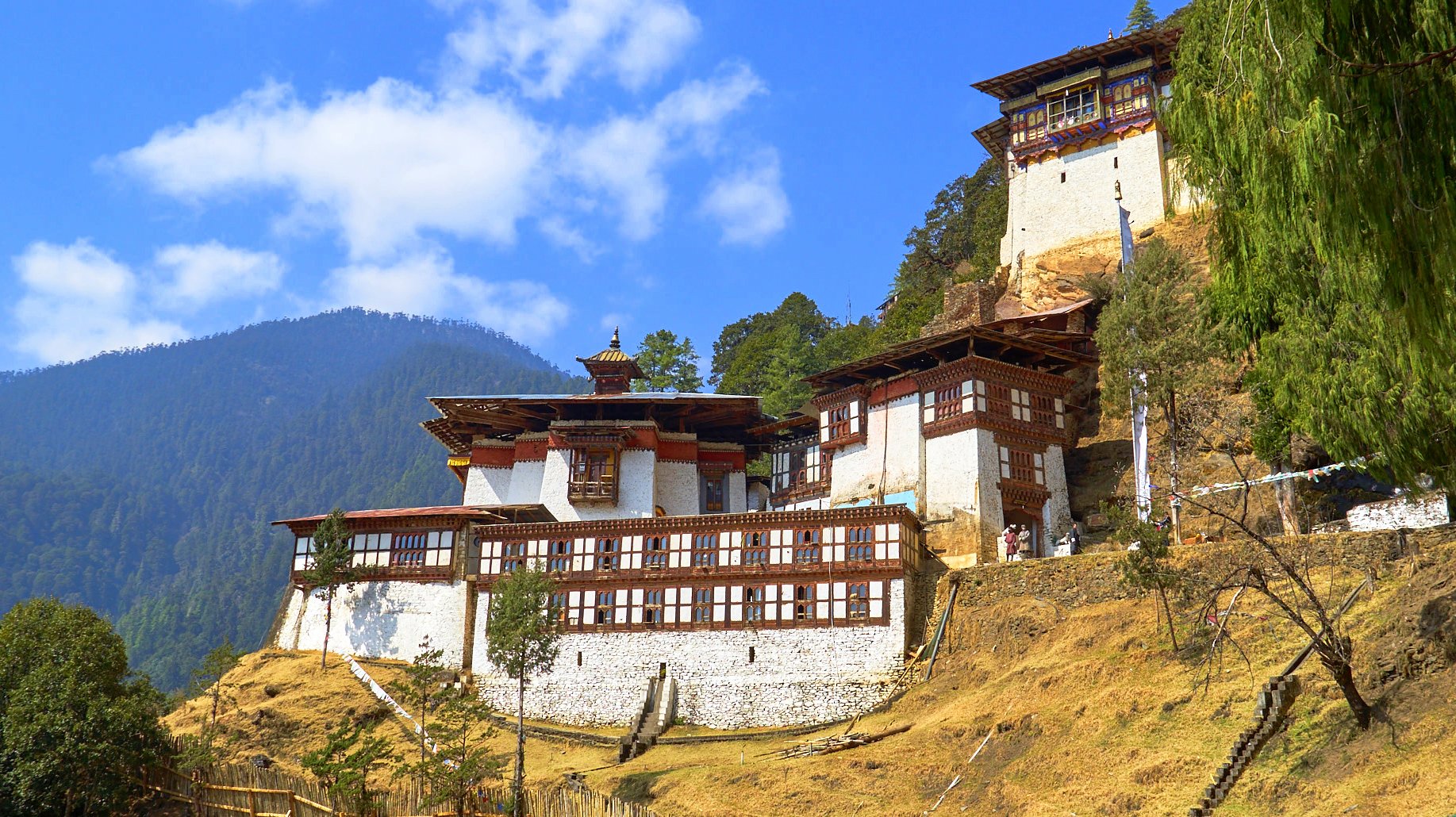
A short and enjoyable hike leads visitors to the monastery, passing through scenic trails and quiet surroundings. The monastery is often used by monks for long meditation retreats, adding to its sense of tranquility. For travelers, Cheri Monastery provides a perfect opportunity to relax, reflect, and connect with Bhutan’s deep spiritual traditions.
Best Time to Visit Monasteries in Bhutan
Bhutan can be visited throughout the year, and each season offers a different experience when exploring its monasteries.
Spring (March–May): Spring is one of the most beautiful times to visit Bhutan, as the landscapes come alive with blooming rhododendrons and colorful flowers. The weather is mild and pleasant, making it comfortable for hiking to monasteries like Tiger’s Nest. The clear skies and fresh air also provide excellent views of the mountains and valleys, enhancing the overall experience.
Summer (June–August): Summer brings the monsoon season, with occasional heavy rainfall and lush green surroundings. While travel can be slightly challenging due to wet trails and clouds, the countryside looks vibrant and refreshing. Monasteries are quieter during this time, offering a more peaceful and less crowded experience for visitors.
Autumn (September–November): Autumn is considered the best season to visit Bhutan, with clear blue skies, crisp air, and stunning mountain views. This is also the time when many major festivals, known as Tshechus, take place across the country. Visiting monasteries during this season allows travelers to enjoy both natural beauty and vibrant cultural celebrations.
Winter (December–February): Winter in Bhutan is cold, especially in higher regions, but it offers a unique and calm experience. The skies are usually clear, and popular monasteries are less crowded, making it ideal for peaceful exploration. In valleys like Punakha, the weather remains relatively mild, allowing comfortable visits even during the colder months.
Tips for Visiting Monasteries in Bhutan
Visiting monasteries in Bhutan is a special experience that requires respect for local customs and traditions. These sacred places are not only tourist attractions but also active centers of prayer and spiritual practice. Understanding a few simple guidelines will help you enjoy your visit while showing proper respect.
-
Dress modestly with long sleeves and clothing that covers your legs to respect local traditions
-
Remove your shoes before entering temples and sacred areas
-
Always follow photography rules; photos are usually not allowed inside monasteries
-
Maintain silence and behave respectfully, as these are active places of worship
-
Walk clockwise around religious structures, as per Buddhist customs
-
Hiring a guide can greatly enhance your understanding of history, culture, and spiritual significance
-
Avoid touching sacred objects unless permitted
-
Carry water and walk slowly when visiting high-altitude monasteries
Why Explore Monasteries in Bhutan?
Exploring monasteries in Bhutan is a deeply meaningful experience that allows you to connect with the country’s spiritual and cultural roots. These sacred sites offer more than just beautiful views—they provide a sense of peace, history, and understanding that stays with you long after your visit.
-
Experience a deep sense of peace, mindfulness, and spiritual connection
-
Discover unique Himalayan architecture with intricate designs and craftsmanship
-
Learn about rich cultural traditions, rituals, and festivals
-
Enjoy stunning natural landscapes, from valleys to high mountain cliffs
-
Witness the simple and meaningful lifestyle of monks
-
Connect with Bhutan’s spiritual identity and way of life
-
Capture unforgettable views and moments in serene surroundings
The famous monasteries of Bhutan are not just places to visit—they are living symbols of faith, culture, and timeless traditions. From the dramatic cliffs of Tiger’s Nest Monastery to the peaceful beauty of Gangtey Monastery, each destination offers a unique and memorable experience. These sacred sites reflect the harmony between nature, spirituality, and daily life that makes Bhutan so special.
If you are looking for a journey that combines spiritual discovery, cultural richness, and natural beauty, Bhutan is a destination that truly stands out. A visit here is not just a trip—it is an experience that stays with you long after you return home.
Frequently Asked Questions (FAQ)
Q: What is the most famous monastery in Bhutan?
A: The most famous monastery is Tiger’s Nest Monastery, known for its dramatic cliffside location and deep spiritual significance.
Q: Can tourists visit all monasteries in Bhutan?
A: Most monasteries are open to tourists, but some areas may be restricted or require special permission, especially during religious ceremonies.
Q: Is it difficult to hike to Tiger’s Nest Monastery?
A: The hike is moderately challenging and takes a few hours, but it is manageable with a steady pace and is very rewarding.
Q: Are guides required to visit Bhutan?
A: Yes, Bhutan follows a regulated tourism policy, and most travelers are required to book through licensed tour operators and travel with a guide.
Q: What is the best time to visit monasteries in Bhutan?
A: The best time is during spring (March–May) and autumn (September–November), when the weather is pleasant and festivals are held.
Q: What should I wear when visiting monasteries?
A: Visitors should dress modestly, covering their shoulders and legs, as a sign of respect for local customs and religious traditions.
Q: Can I take photos inside monasteries?
A: Photography is usually not allowed inside temples and prayer halls, but you can take pictures outside in most places.
Q: Why are monasteries important in Bhutanese culture?
A: Monasteries are central to Bhutanese life, serving as places of worship, education, and cultural preservation rooted in Vajrayana Buddhism.
Q: How high are most monasteries in Bhutan?
A: Many monasteries are located at high altitudes, ranging from around 1,200 meters to over 3,000 meters, often offering stunning views.
Q: Do I need to be physically fit to visit monasteries?
A: Basic fitness is helpful, especially for monasteries that require hiking, but many sites are accessible and suitable for most travelers.
If you need any further information, please contact us by email: [email protected], Phone: +977- 985 100 5129 (WhatsApp)
#Tags

Tripadvisor
5.01152 reviewsGoogle
4.8154 reviewsFacebook
4.1 recommend44 ReviewsTrustpilot
4.1 Great(12 reviews)- Trusted by50K plus traveller