
Nepal Allows Solo Trekking in Restricted Areas (2026 Update)
In a significant shift for adventure travel, Nepal trekking rules 2026 have introduced a major update—solo trekking is now permitted in restricted areas under specific conditions. This change removes the long-standing requirement of having a minimum of two trekkers for restricted region permits.
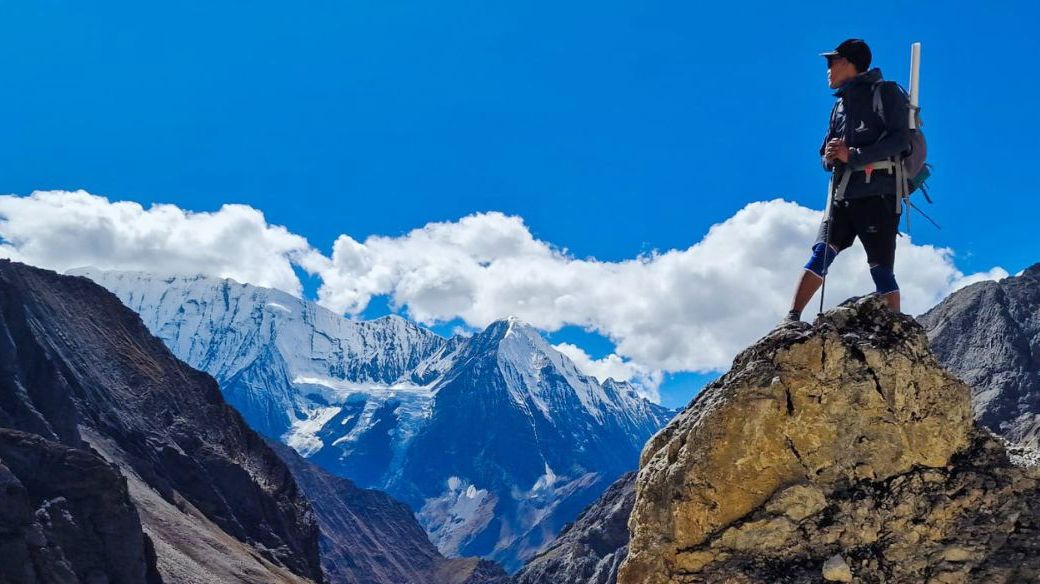
For years, Nepal has been a dream destination for trekkers worldwide, but access to remote and culturally sensitive regions was tightly regulated. With this new policy, solo trekking in Nepal becomes more accessible while still maintaining safety and sustainability.
This update is especially important for independent travelers who prefer flexibility, privacy, and personalized trekking experiences.
What Has Changed in 2026?
Previous Rule
Until recently, trekking in Nepal’s restricted areas was strictly regulated to ensure safety and controlled access. Trekkers were required to travel in a minimum group of two people, making it impossible for solo travelers to obtain permits independently.
In addition to the group requirement:
-
A Restricted Area Permit (RAP) had to be issued through a registered trekking agency
-
Hiring a licensed guide was compulsory
These rules were designed to minimize risks in remote regions and to maintain better monitoring of trekkers in sensitive border areas.
New Rule (2026 Update)
With the updated Nepal trekking rules of 2026, the government has officially removed the minimum group requirement, allowing solo trekkers to access restricted areas for the first time.
This means travelers no longer need to find a trekking partner to explore these regions. The change makes planning more flexible and opens up opportunities for those who prefer to travel independently.
Key Conditions
While solo trekking is now permitted, it does not mean unrestricted or unsupported travel. The government continues to prioritize safety through a set of clear requirements:
-
Treks must be booked through a registered trekking agency
-
A licensed trekking guide remains mandatory
-
The agency is responsible for permit processing, logistics, and emergency support
-
The guide-to-trekker ratio is set at 1:7, ensuring manageable group supervision
In simple terms, “solo trekking” now means you can travel without other trekkers in your group—but you will still be accompanied by a professional guide and supported by an agency throughout your journey.
Restricted Areas Now Open for Solo Trekkers
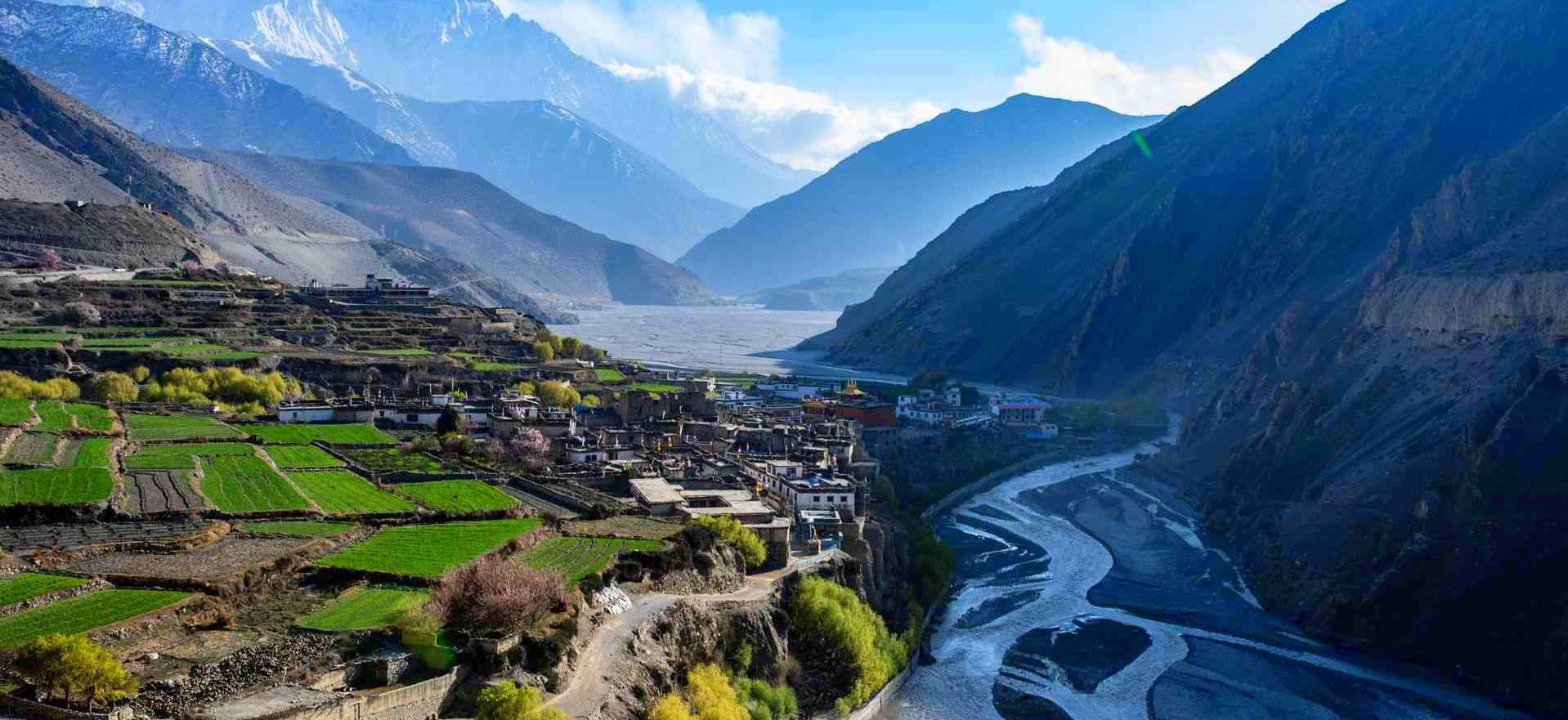
Nepal’s restricted regions are some of the most untouched and culturally significant parts of the Himalayas. Known for their remoteness, preserved traditions, and proximity to international borders, these areas were previously accessible only under strict group regulations. With the 2026 update, solo trekkers can now explore these extraordinary destinations—while still following guided and regulated travel protocols.
Upper Mustang
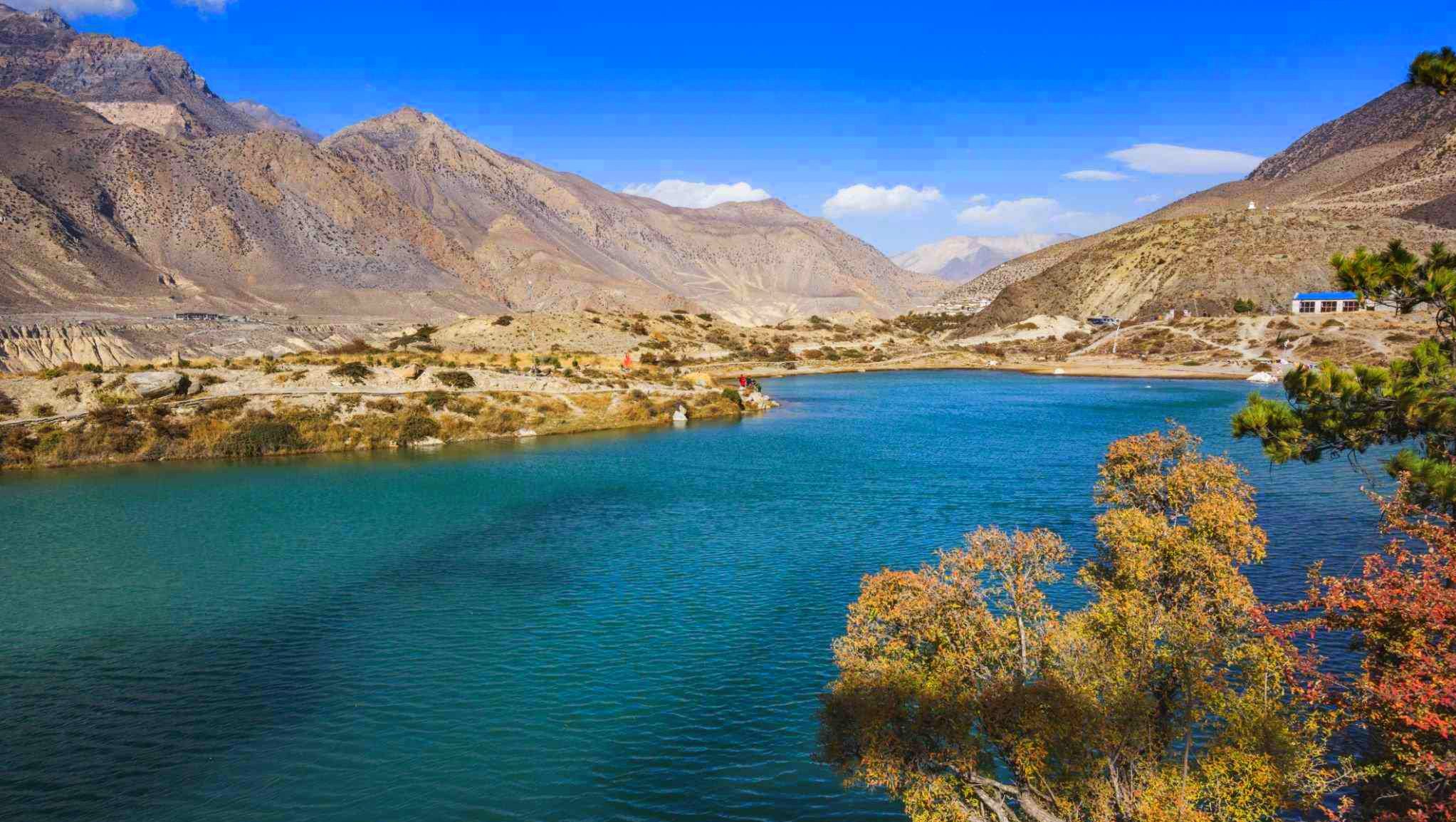
Located in the rain shadow of the Himalayas, Upper Mustang is a striking semi-arid landscape often referred to as the “Last Forbidden Kingdom.” The region is rich in Tibetan-influenced culture, featuring ancient monasteries, mysterious cave systems, and the historic walled city of Lo Manthang. Its unique terrain and heritage make it one of Nepal’s most exclusive trekking experiences.
Upper & Lower Dolpo
Dolpo remains one of the most remote and least developed trekking regions in Nepal. Upper Dolpo is renowned for its raw wilderness, including the turquoise waters of Shey Phoksundo Lake and deeply rooted Tibetan traditions. Lower Dolpo, while slightly more accessible, offers equally captivating landscapes with a blend of rugged beauty and cultural richness.
Manaslu Circuit & Tsum Valley
The Manaslu Circuit is a spectacular alternative to the more crowded Annapurna trails, offering diverse scenery ranging from subtropical forests to high mountain passes. Nearby, the Tsum Valley stands out as a hidden gem—peaceful, spiritual, and culturally intact, with ancient monasteries and strong Tibetan Buddhist influences.
Nar Phu Valley
Nestled between the Annapurna and Manaslu regions, Nar Phu Valley is a remote and rugged destination that feels untouched by time. The area is known for its dramatic landscapes, traditional stone villages, and high-altitude passes, offering a truly off-the-beaten-path trekking experience.
Here are the perfect packages to explore the restricted area of Nepal
New Digital Permit System
Along with the updated trekking regulations, Nepal has introduced a modernized digital permit system to make the process of obtaining trekking permits more efficient and transparent. This upgrade is especially beneficial for restricted area trekking, where permits have traditionally involved lengthy paperwork and manual processing.
How It Works
The new system is designed to simplify the application process while improving tracking and coordination:
-
Permit applications are now linked to the trekker’s visa details, ensuring accurate identification
-
Each application generates a unique submission ID, allowing easy tracking and preprocessing.
-
Registered trekking agencies can apply for permits online in advance, reducing last-minute delays
Benefits
This digital shift brings several practical advantages for both trekkers and agencies:
-
Faster processing times, especially during peak trekking seasons
-
Reduced paperwork, making the process more convenient and streamlined
-
Improved tracking and security, with better record management
-
Simplified coordination between agencies and government authorities
Overall, this system significantly improves the efficiency of issuing restricted area permits in Nepal, making the trekking experience smoother from the planning stage itself.
Can You Trek Completely Solo?
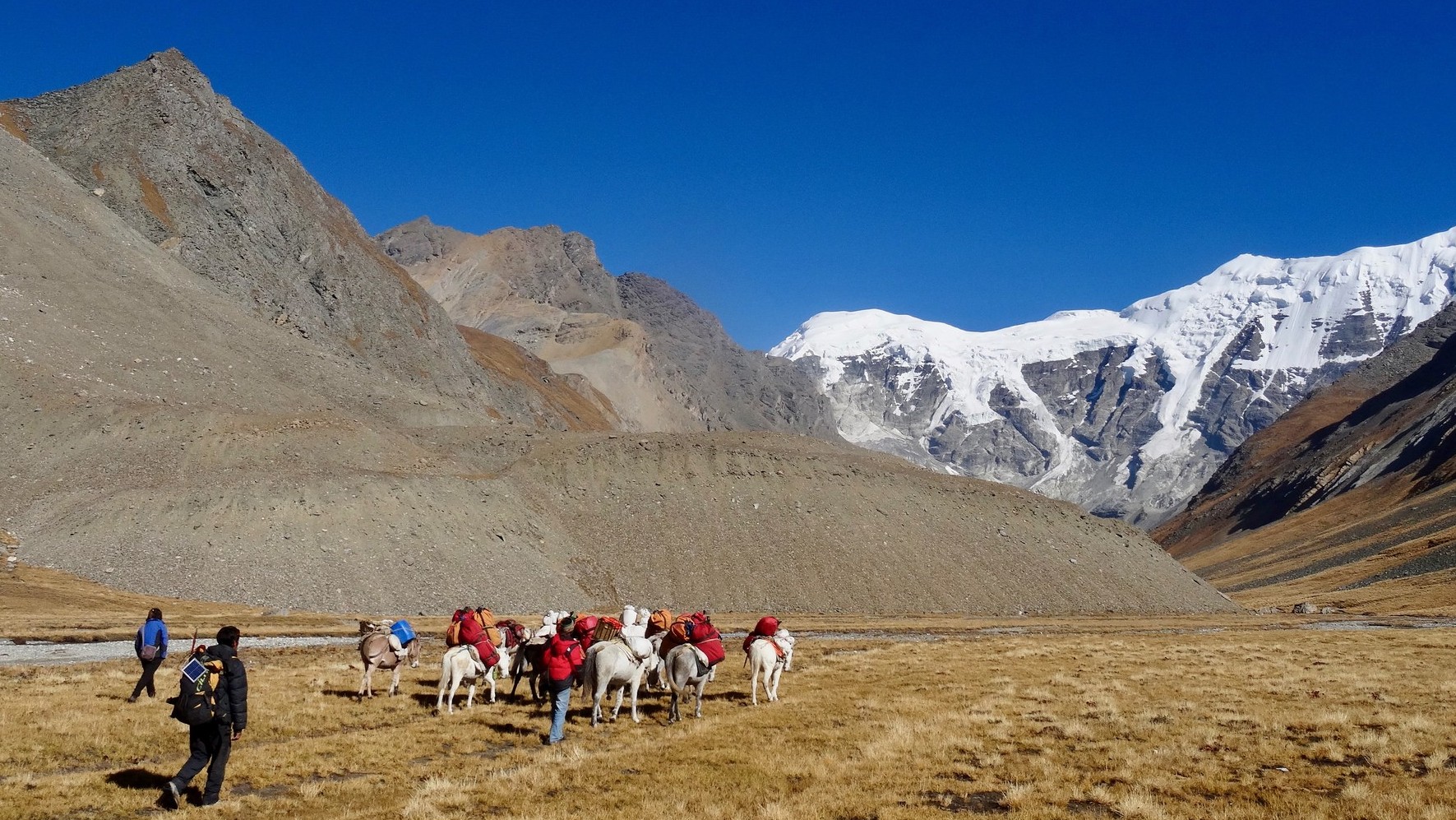
This is one of the most important points to understand under the updated Nepal trekking rules 2026. While solo trekking is now permitted in restricted areas, it does not mean fully independent travel.
In simple terms:
-
Yes — you can trek solo, meaning you don’t need to join or form a group with other trekkers
-
No — you cannot trek completely independently without professional support
What This Means
To ensure safety and proper regulation, the following requirements still apply:
-
A licensed trekking guide is mandatory for all restricted area treks
-
Your trip must be arranged through a registered trekking agency
-
Permits cannot be obtained individually and must be processed by the agency
This approach allows solo travelers to enjoy greater flexibility and privacy while still benefiting from expert guidance, logistical support, and safety measures. It strikes a balance between independence and responsible trekking in Nepal’s most remote regions.
Here are the perfect packages to explore the restricted area of Nepal
Safety & Regulations
Trekking in Nepal’s restricted areas offers incredible rewards, but it also comes with genuine challenges. These regions are remote, high-altitude, and often isolated, which is why strict safety regulations remain in place even after allowing solo trekkers.
Why Guides Are Mandatory
Licensed guides play a crucial role in ensuring a safe and well-managed trekking experience. They assist with:
-
Navigation on unmarked or complex trails, especially in less-developed regions
-
Communication with local communities, where language and customs may differ
-
Handling altitude-related situations, including recognizing and responding to early symptoms of illness
Their local knowledge and experience significantly reduce risks and enhance the overall journey.
Risks in Restricted Areas
Trekkers should be aware of the inherent challenges in these regions:
-
High altitude, increasing the risk of Acute Mountain Sickness (AMS)
-
Limited medical facilities, with few options for immediate treatment
-
Remote terrain with poor connectivity, making communication and rescue operations more difficult
These factors make proper planning and support essential.
Role of Agencies
Registered trekking agencies act as the backbone of a safe trekking experience. They are responsible for:
-
Managing all permits and legal requirements
-
Coordinating emergency evacuations if needed
-
Arranging accommodation, transport, and logistics
-
Providing real-time support and assistance throughout the trek
This structured system ensures that trekkers can explore Nepal’s most remote regions with confidence—balancing adventure with safety and professional oversight.
Why This Policy Matters
The Nepal trekking rules of 2026 represent a meaningful step forward for the country’s tourism industry, especially in the adventure travel segment. By allowing solo trekkers into restricted areas under guided conditions, Nepal has created a more flexible yet responsible trekking framework.
Key Impacts
-
Greater freedom for travelers, especially those who prefer independent journeys
-
Encouragement of solo adventure tourism, a growing global trend
-
A balanced approach that ensures accessibility without compromising safety
-
Increased support for the local economy, generating employment for guides, porters, and agencies
Overall, this policy reflects Nepal’s commitment to modernizing its tourism sector while continuing to protect its natural landscapes and cultural heritage.
Best Time for Restricted Area Trekking
Choosing the right season plays a crucial role in ensuring a safe and enjoyable trekking experience in Nepal’s remote regions.
Spring (March–May)
Spring is one of the best times for trekking, offering:
-
Clear skies and moderate temperatures
-
Blooming rhododendron forests across the hills
-
Ideal conditions for high-altitude trekking
Autumn (September–November)
Autumn is the most popular trekking season due to:
-
Stable weather and dry conditions
-
Excellent visibility and mountain views
-
Comfortable temperatures for long trekking days
Both seasons provide the safest and most rewarding conditions for solo trekking in Nepal, especially in restricted and high-altitude areas.
Conclusion
The Nepal trekking rules 2026 mark a new era for adventure travel in the Himalayas. By allowing solo trekking in restricted areas, Nepal has opened up opportunities for more flexible and personalized travel experiences—while still maintaining a strong focus on safety.
Although the minimum group requirement has been removed, the continued involvement of licensed guides and registered agencies ensures that trekking in remote regions remains secure, well-organized, and responsible.
For travelers seeking a deeper and more independent connection with the Himalayas, this is the perfect time to explore these once-restricted trails.
Plan Your Trek with Experts
-
Hassle-free permit handling
-
Experienced licensed trekking guides
-
Fully customizable itineraries
-
Options for both standard and luxury trekking experiences
Start planning your journey today and experience the best of restricted area trekking in Nepal with confidence and expert support.
Frequently Ask Question (FAQ)
Q. Is solo trekking allowed in Nepal?
A. Yes, as of 2026, solo trekking is allowed in restricted areas. However, it must be done through a registered agency and with a licensed guide.
Q. Do I still need a guide?
A. Yes, a licensed guide is mandatory for all restricted area treks, regardless of whether you are traveling solo or in a group.
Q. Can I trek completely independently?
A. No, fully independent trekking is not allowed in restricted regions. You must be accompanied by a guide and supported by an agency.
Q. Which areas are included under this rule?
A. The main restricted areas include Upper Mustang, Upper & Lower Dolpo, Manaslu Circuit, Tsum Valley, and Nar Phu Valley.
Q. How do I get restricted area permits in Nepal?
A. Permits must be arranged through a registered trekking agency, which will handle the application using the new digital permit system.
Q. What is the cost of restricted area permits?
A. Permit costs vary by region and duration. For example, Upper Mustang and Upper Dolpo have higher permit fees compared to other regions due to their remoteness and exclusivity.
Q. Can beginners do restricted area treks?
A. Some routes, like the Manaslu Circuit or Lower Dolpo, can be suitable for beginners with proper preparation. However, most restricted area treks are moderate to challenging and require good physical fitness.
Q. Is it safe to trek solo in restricted areas?
A. Yes, with a licensed guide and agency support, trekking in restricted areas is considered safe. The regulations are designed to minimize risks and ensure proper assistance.
Q. What happens in case of an emergency?
A. Registered agencies coordinate emergency evacuations, including helicopter rescue if required, and provide support throughout the trek.
Q. Do I need travel insurance for these treks?
A. Yes, travel insurance with high-altitude coverage is highly recommended and often required for restricted area trekking.
If you need any further information, please contact us by email: [email protected], Phone: +977- 985 100 5129 (WhatsApp)
#Tags

Tripadvisor
5.01097 reviewsGoogle
4.8154 reviewsFacebook
4.1 recommend44 ReviewsTrustpilot
4.1 Great(12 reviews)- Trusted by50K plus traveller