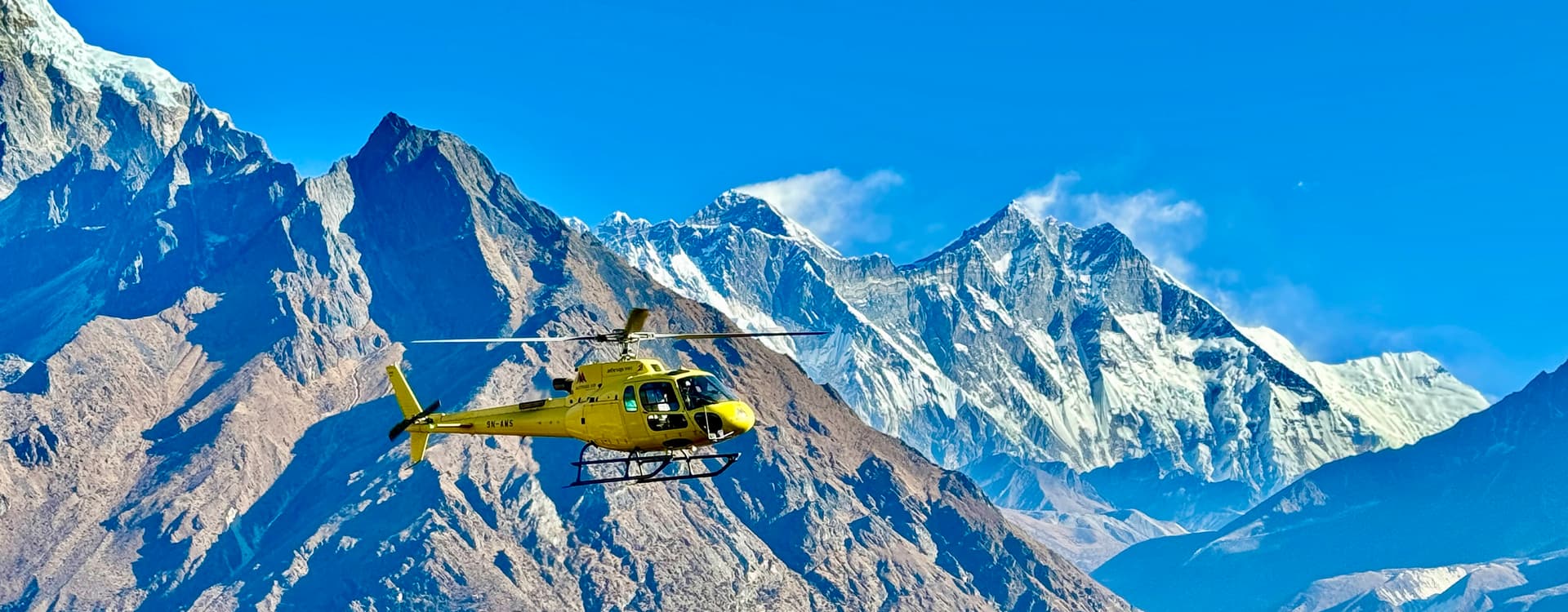
Nepal's helicopter tours offer an unforgettable way to experience the majestic Himalayas, providing access to remote destinations and spectacular aerial views that would otherwise require days of trekking. Whether you're planning a scenic mountain flight or a helicopter landing tour to Everest Base Camp, understanding the costs involved will help you make an informed decision for your Himalayan adventure.
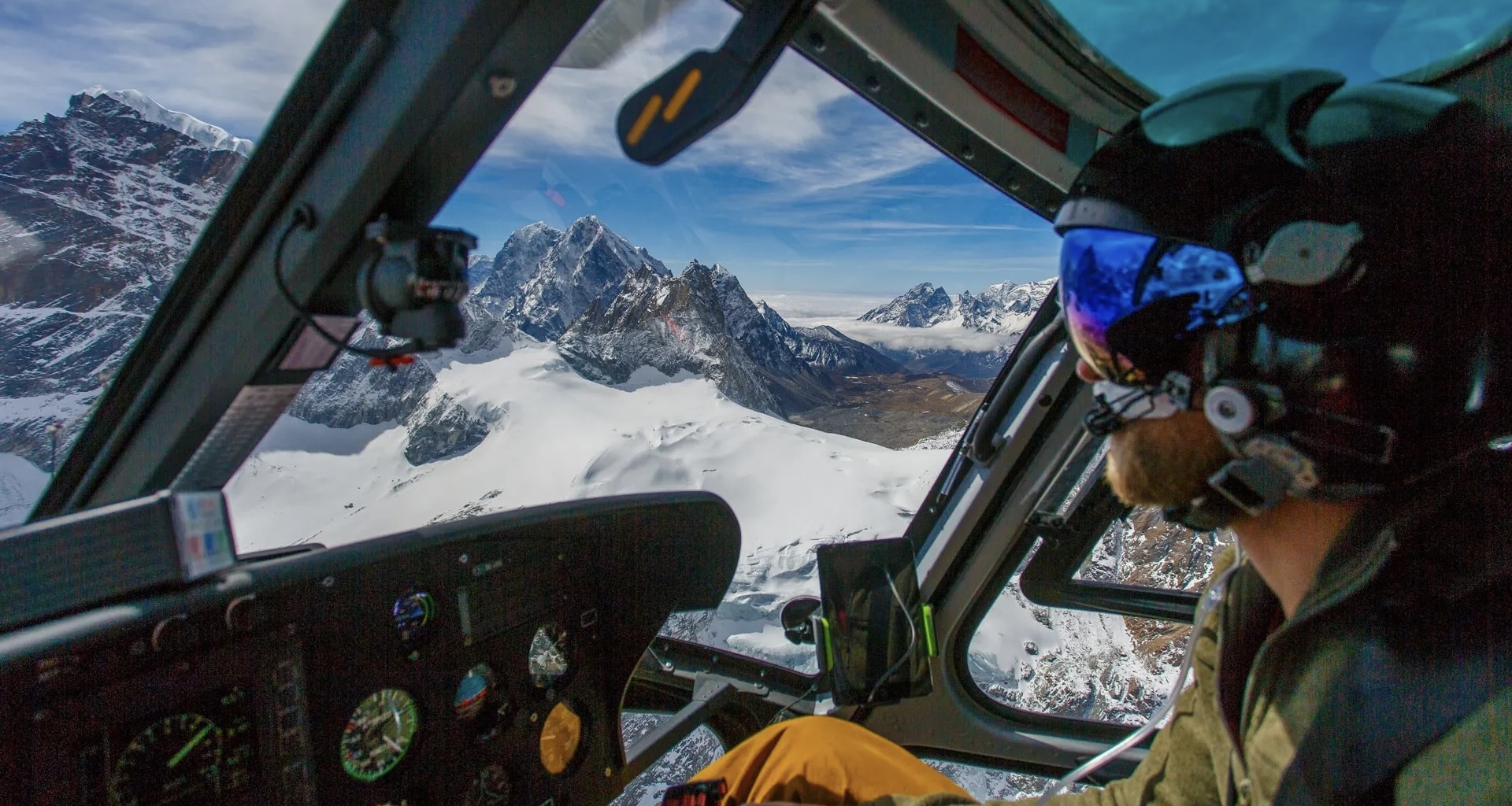
This guide is designed for adventure travelers, luxury tourists, and anyone considering a helicopter experience in Nepal who wants to understand the investment required for these extraordinary journeys.
We'll cover helicopter tour pricing across different destinations, factors that influence costs, and tips for getting the best value from your helicopter tour investment to help you plan your dream aerial adventure in the Himalayas.
If you need any further information, please contact us by email: [email protected], Phone: +977 985 100 5129 (WhatsApp).
Understanding Helicopter Tour Pricing in Nepal
Helicopter tour costs in Nepal vary significantly based on several key factors. Most tours are priced per flight hour, with rates typically ranging from $1,800 to $4,500 USD per hour depending on the helicopter type, destination, and season.
Base Pricing Structure:
- Domestic helicopters: $1,800-2,500 USD per hour
- International standard helicopters: $2,500-4,500 USD per hour
- Luxury helicopters: $3,500-5,000 USD+ per hour
Seasonal Pricing Variations:
Peak season (March-May and October-November) commands premium rates, while monsoon season (June-August) typically offers lower prices but weather-dependent availability.
Popular Helicopter Tour Destinations and Their Costs
Everest Base Camp Helicopter Tour
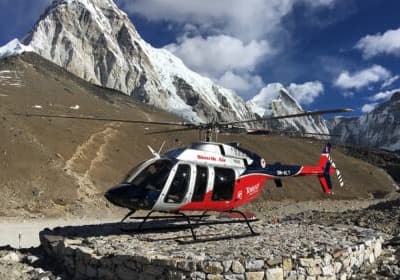
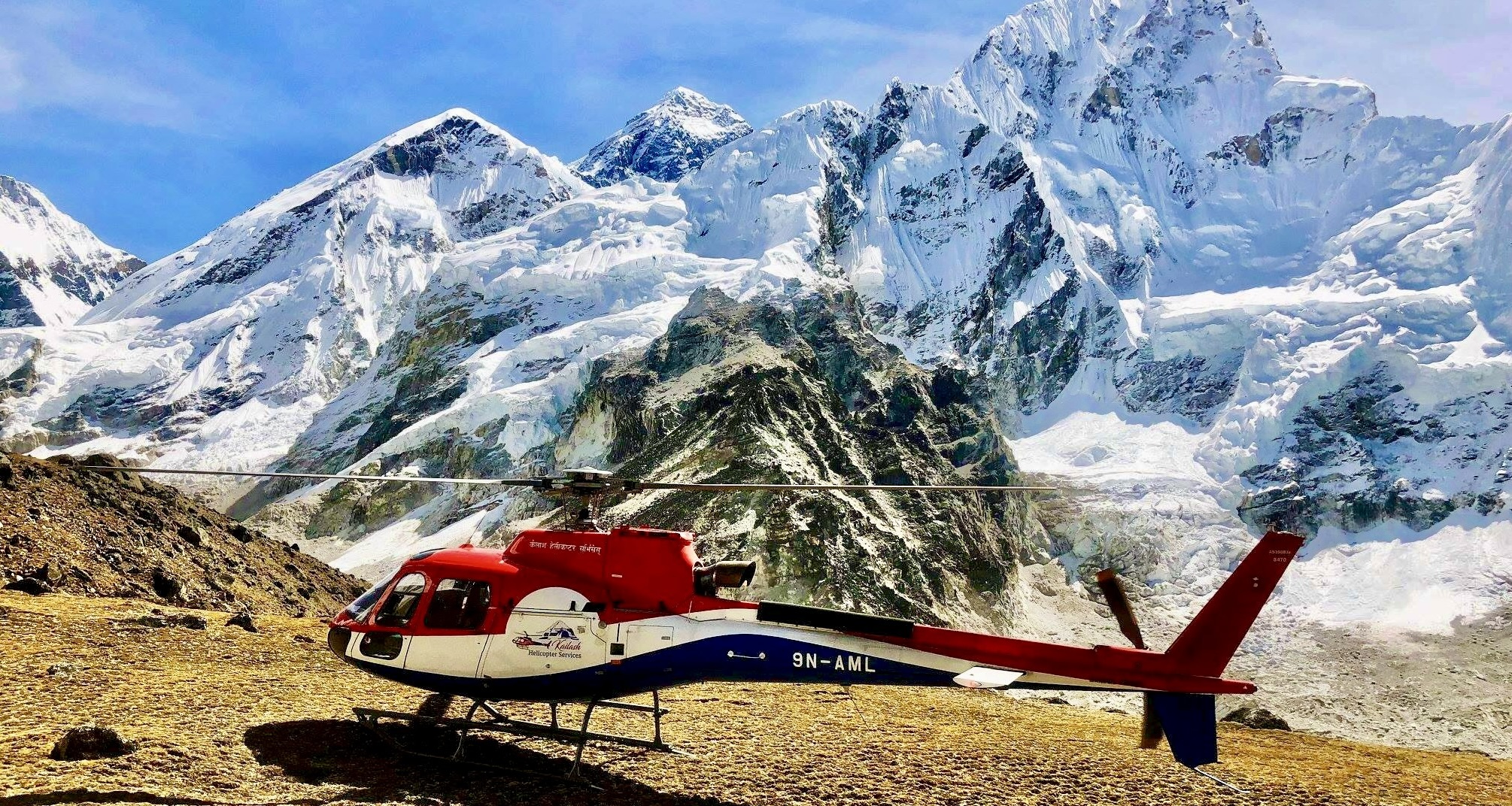
The most sought-after helicopter experience, offering a landing at Kala Patthar with stunning Everest views.
- Cost: $1,200-1,500 USD per person (shared flight)
- Duration: 4-5 hours total
- Group size: 4-5 passengers maximum
Annapurna Base Camp Helicopter Tour
A scenic flight through the Annapurna region with base camp landing.
- Cost: $500-800 USD per person
- Duration: 2-3 hours
- Highlights: Close-up views of Annapurna I, Machapuchare
Langtang Valley Helicopter Tour
Explore the beautiful Langtang region, closer to Kathmandu.
- Cost: $600-800 USD per person
- Duration: 2-3 hours
- Best for: Half-day excursions, budget-conscious travelers
Journey to the forbidden kingdom with its unique landscape and culture.
- Cost: $1,800-2,200 USD per person
- Duration: 6-7 hours with multiple stops
- Special permits: Required and included in cost
Types of Helicopter Tours Available
Scenic Flights: Non-landing tours focusing purely on aerial sightseeing, typically 30% less expensive than landing tours.
Landing Tours: Include helicopter landings at scenic locations, offering opportunities for photography and short hikes.
Custom Private Tours: Fully customizable itineraries for groups wanting exclusive experiences, with pricing starting at $3,000 USD per hour.
Heli-Trekking Combinations: Multi-day packages combining helicopter transfers with trekking segments, ranging from $2,500-5,000 USD per person.
What's Included in Helicopter Tour Packages
Standard Inclusions:
- Helicopter charter with an experienced pilot
- Airport transfers in Kathmandu
- Fuel and airport taxes
- Safety briefing and equipment
- Basic refreshments during the tour
Premium Package Additions:
- Professional photography services
- Gourmet breakfast at scenic locations
- Luxury ground transportation
- Experienced mountain guide
- Comprehensive travel insurance
Additional Costs to Consider:
- Nepal entry visa ($30-125 USD)
- Travel insurance with helicopter coverage
- Gratuities for crew and guides
- Personal expenses and souvenirs
Booking Your Helicopter Tour
Best Booking Timeline: Reserve your helicopter tour 2-4 weeks in advance during peak seasons, though last-minute bookings are often possible during off-peak periods.
Payment Structure: Most operators require a 30-50% deposit upon booking, with the balance due before departure. Payment methods typically include bank transfer, credit cards, or cash payment in Nepal.
Cancellation Policies: Weather-related cancellations usually offer full refunds or rescheduling options, while customer cancellations may incur fees ranging from 10-50% depending on timing.
Maximizing Value from Your Helicopter Tour Investment
- Choose the Right Season: While peak season offers the best weather and mountain visibility, shoulder seasons (December-February) can provide excellent value with clear skies and fewer crowds.
- Group Bookings: Traveling with friends or family can significantly reduce per-person costs, as helicopter charters are often priced per flight rather than per passenger.
- Package Deals: Look for operators offering complete Nepal travel packages that include helicopter tours, accommodation, and other activities for better overall value.
- Photography Considerations: Morning flights typically offer the best lighting and visibility for photography, making them worth the premium pricing for serious photographers.
Helicopter tours in Nepal represent a significant investment, but the unparalleled access to the world's highest peaks and most remote landscapes creates memories that last a lifetime. By understanding the pricing structure and choosing the right tour for your interests and budget, you can experience the magic of the Himalayas from a truly unique perspective.
Understanding Helicopter Tour Pricing in Nepal
Factors that determine helicopter tour costs
Several key elements significantly influence the pricing structure of helicopter tours in Nepal. The type and capacity of the helicopter aircraft serve as the primary cost driver, with larger helicopters like the AS350 B3e commanding higher rates than smaller models due to their advanced safety features and superior performance at high altitudes. Fuel consumption rates vary dramatically based on the helicopter model, flight duration, and altitude requirements, directly impacting operational costs that are reflected in tour pricing.
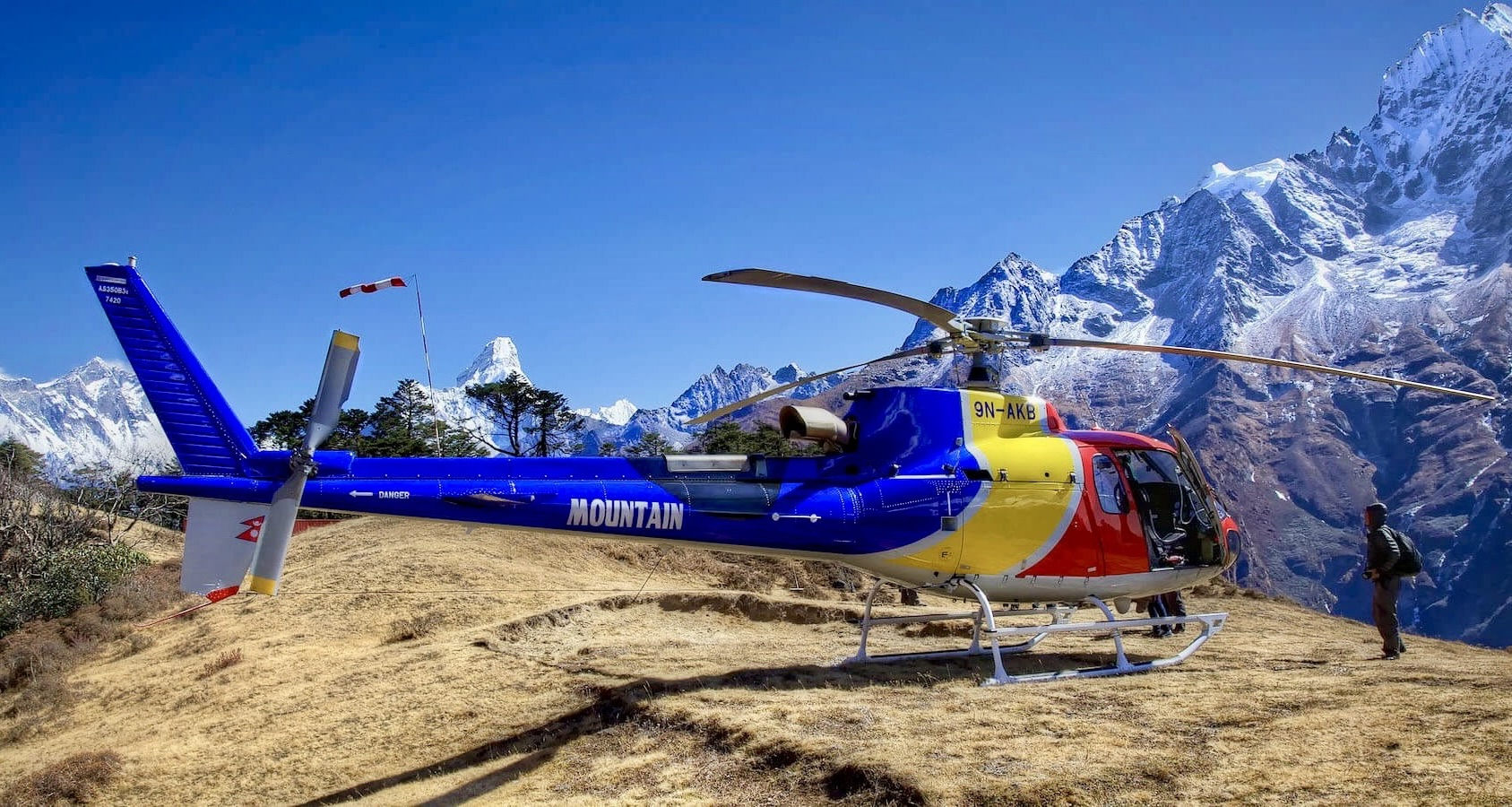
The complexity of flight routes and landing permissions also affects pricing substantially. Tours requiring special permits for restricted areas, such as Everest Base Camp or certain conservation zones, incur additional administrative fees. Weather conditions and backup contingencies add another layer of cost consideration, as operators must factor in potential delays, alternative routes, and standby arrangements during uncertain weather patterns.
Seasonal price variations and peak timing
Nepal's helicopter tour pricing follows distinct seasonal patterns that travelers should understand when planning their aerial adventures. The peak tourist seasons of October through December and March through May typically see price increases of 15-25% above standard rates due to optimal weather conditions and high demand. During these periods, clear skies and stable atmospheric conditions provide the best visibility for mountain views and the safest flying conditions.
Monsoon season from June through September generally offers lower pricing, though tour availability becomes limited due to frequent weather cancellations and reduced visibility. Winter months (January-February) present moderate pricing with excellent mountain clarity, but cold temperatures and potential altitude-related challenges may affect tour schedules.
Group size impact on per-person pricing
The number of passengers significantly influences the cost-effectiveness of helicopter tours in Nepal. Most helicopters accommodate 4-6 passengers, and booking a full aircraft capacity dramatically reduces per-person costs. Solo travelers or couples often face substantially higher individual rates, sometimes paying 3-4 times more than those sharing costs with a full group.
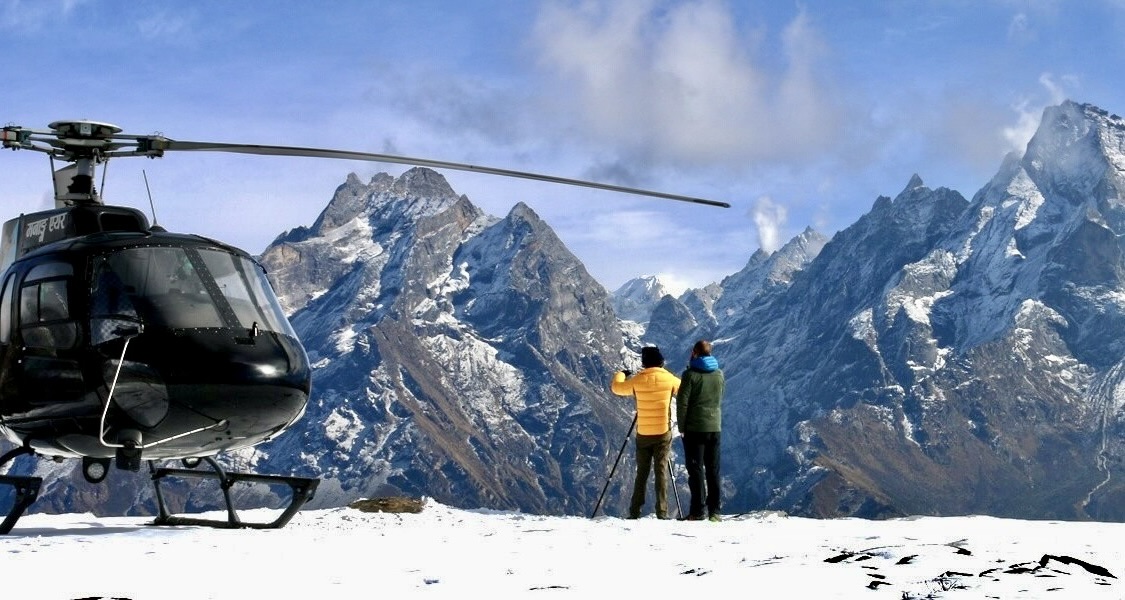
Luxury operators frequently offer shared tour options where individual bookings are combined to achieve full capacity, providing more affordable access to premium helicopter experiences. However, private charters offer greater flexibility in timing, routes, and landing duration, justifying their premium pricing for travelers seeking personalized experiences.
Duration and distance affect total costs
Flight duration directly correlates with total tour costs, as helicopter operations charge based on flight hours and distance covered. Short scenic flights lasting 30-45 minutes typically represent the most cost-effective introduction to aerial sightseeing, while extended expeditions to remote destinations like Everest Base Camp or Upper Mustang can span several hours and command significantly higher fees.
Landing fees at various destinations add incremental costs, particularly at popular sites like Everest Base Camp, Annapurna Base Camp, or remote mountain lakes. Multi-destination tours that include several landing points naturally increase total costs but often provide better value per experience when compared to separate individual flights to each location.
Popular Helicopter Tour Destinations and Their Costs
Everest Base Camp helicopter tours pricing
Everest Base Camp helicopter tours represent one of the most sought-after aerial adventures in Nepal, offering unparalleled views of the world's highest peak. These tours typically range from $1,200 to $5,000 per person, depending on various factors including group size, seasonality, and specific routing. Private helicopter charters for smaller groups of 2-3 people generally command premium pricing, while shared flights can offer more economical options for budget-conscious travelers.
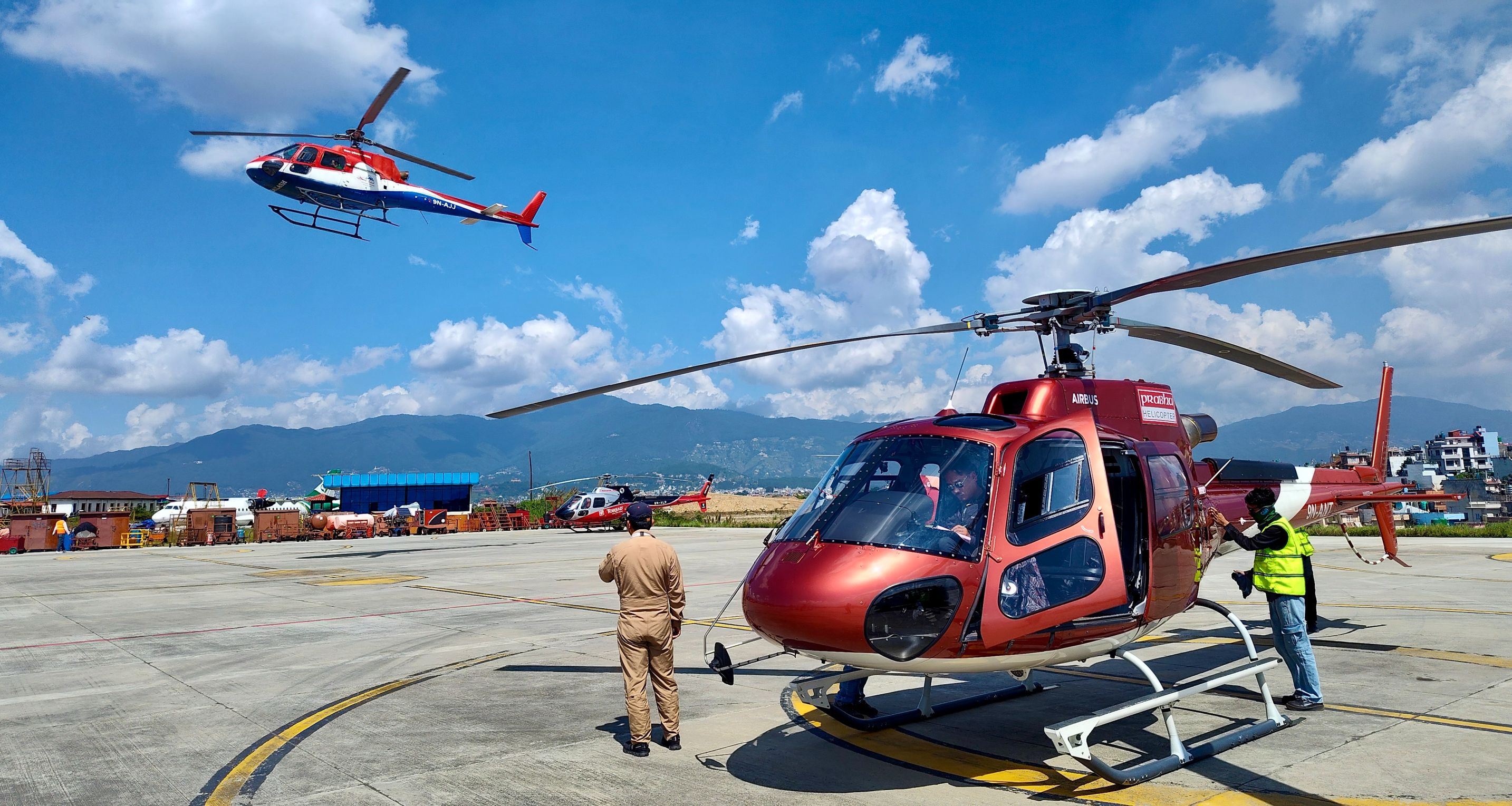
The most popular package includes a flight from Kathmandu to Everest Base Camp with a landing at Kala Patthar viewpoint, providing spectacular close-up views of Mount Everest. Additional stops at Tengboche Monastery or Hotel Everest View significantly enhance the experience but may increase costs by 15-20%. Peak season pricing (October-November and March-May) typically sees rates increase by 25-30% compared to off-season periods.
Annapurna region helicopter excursions
The Annapurna region offers diverse helicopter tour options, with pricing ranging from $500 to $2,500 per person. The Annapurna Base Camp helicopter tour remains the most popular choice, featuring stunning views of Annapurna I, Machapuchare (Fishtail), and surrounding peaks. These tours often include landings at strategic viewpoints, allowing passengers to experience the Himalayan environment firsthand.
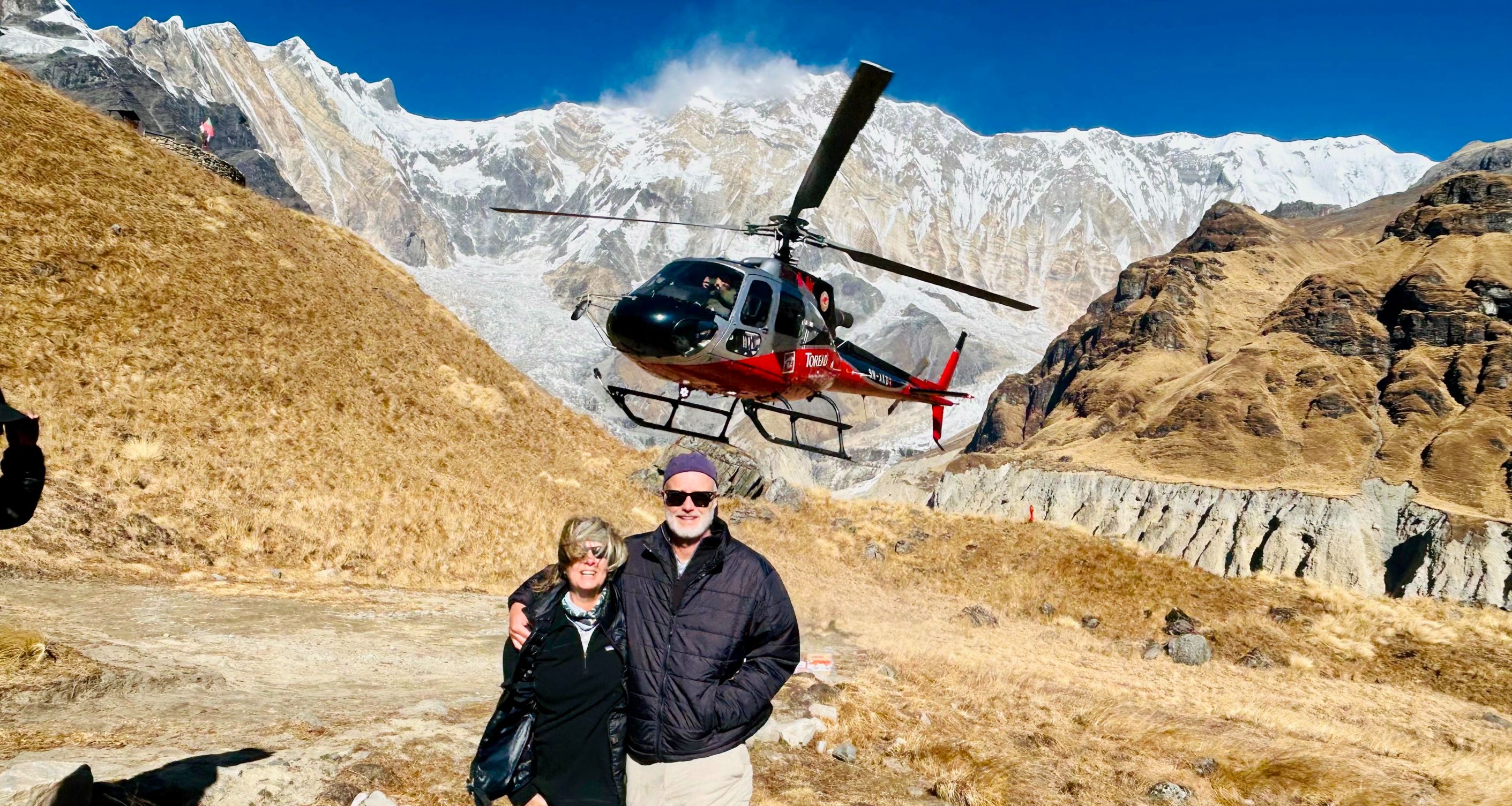
Muktinath Temple helicopter tours present another attractive option, combining spiritual significance with aerial sightseeing. These excursions typically cost between $600-1,500 per person and include temple visits alongside mountain panoramas. The Annapurna Circuit overview flights, while shorter in duration, provide excellent value for money at approximately $400-800 per person.
Langtang Valley helicopter tours
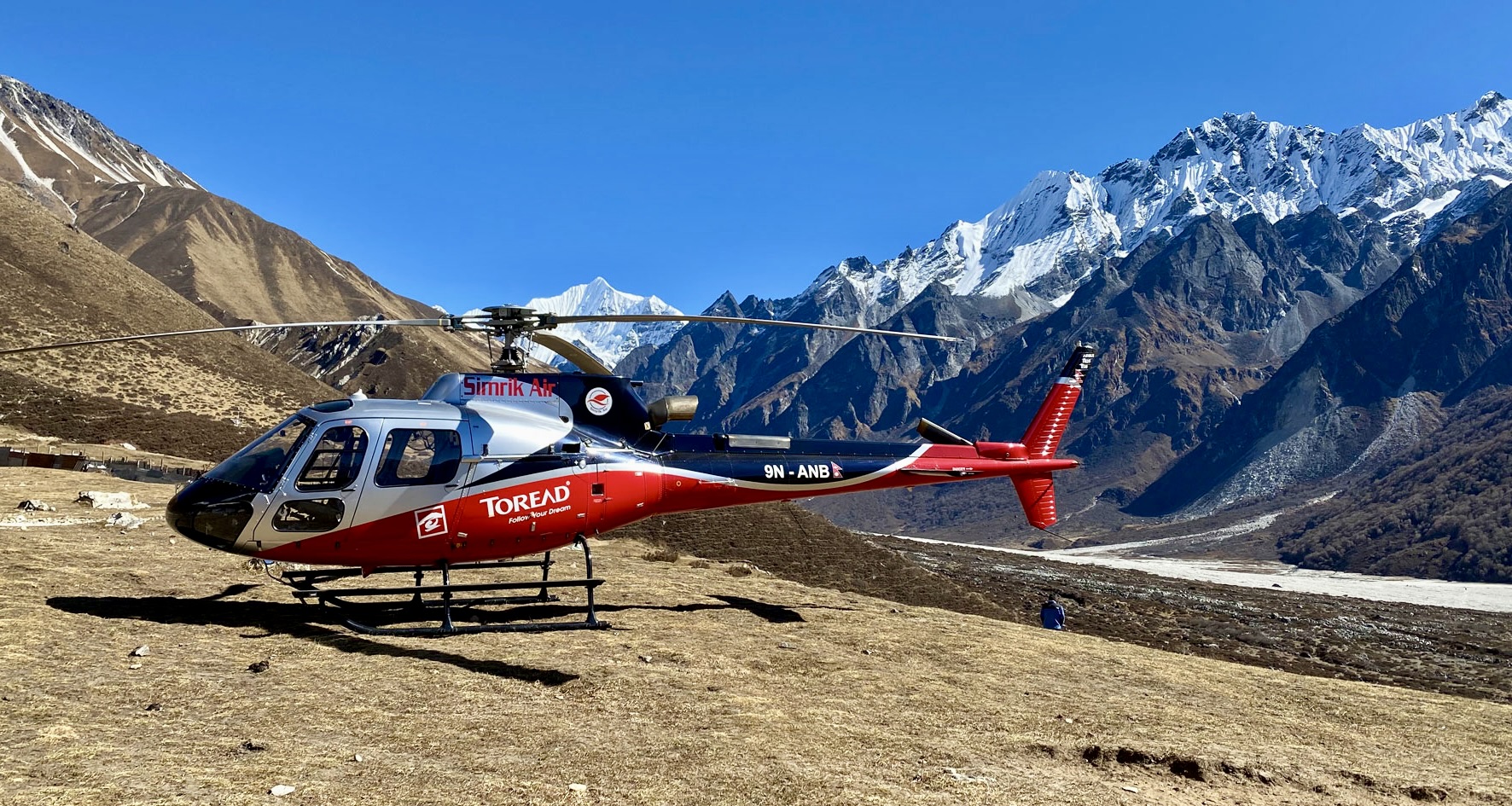
Langtang Valley helicopter tours offer exceptional value, with costs ranging from $500 to $2,000 per person. This relatively accessible destination provides dramatic mountain scenery, including views of Langtang Lirung and the Ganesh Himal range. The proximity to Kathmandu makes these tours particularly cost-effective, with shorter flight times reducing overall operational expenses.
Popular packages include Kyanjin Gompa helicopter tours, featuring landings at 3,870 meters elevation with opportunities to explore traditional Tamang villages and ancient monasteries. These comprehensive tours typically include 2-3 hours of ground time for exploration and refreshments.
Upper Mustang helicopter adventures
Upper Mustang helicopter tours command premium pricing due to the remote location and restricted access requirements. Costs typically range from $2,500 to $6,000 per person, reflecting the specialized permits required and extended flight durations. These tours showcase the unique landscape of the former Kingdom of Lo, featuring desert-like terrain, ancient caves, and traditional Tibetan culture.
The highlight includes visits to Lo Manthang, the walled capital city, where passengers can explore centuries-old monasteries and palaces. Due to altitude restrictions and weather sensitivity, these tours require flexible scheduling and often include overnight accommodations in Jomsom or Muktinath, adding to the overall cost structure.
Types of Helicopter Tours Available
Scenic Mountain Flight Tours
Scenic mountain flight tours represent the most accessible entry point for experiencing Nepal's magnificent Himalayan landscape from above. These tours typically range from 1-3 hours and focus purely on aerial sightseeing without any ground landings. The flight paths are carefully designed to showcase iconic peaks, including Mount Everest, Annapurna, Dhaulagiri, and Manaslu ranges. Most scenic tours depart from Kathmandu's Tribhuvan International Airport, offering passengers unobstructed views through large panoramic windows. The helicopter maintains optimal altitudes between 12,000-15,000 feet, ensuring clear visibility while remaining within safe operational parameters.
Landing Tours with Ground Exploration
Moving beyond aerial observation, landing tours combine the thrill of helicopter flight with on-ground exploration opportunities. These comprehensive experiences typically include strategic landing points at high-altitude locations such as Everest Base Camp, Annapurna Base Camp, or remote mountain villages. Ground time usually ranges from 30 minutes to 2 hours, allowing passengers to explore, photograph, and absorb the mountain environment at close range. Popular landing destinations include Kala Patthar for Everest views, Thorong La Pass, and various tea houses where travelers can experience authentic mountain hospitality and local cuisine.
Luxury Helicopter Tours with Premium Services
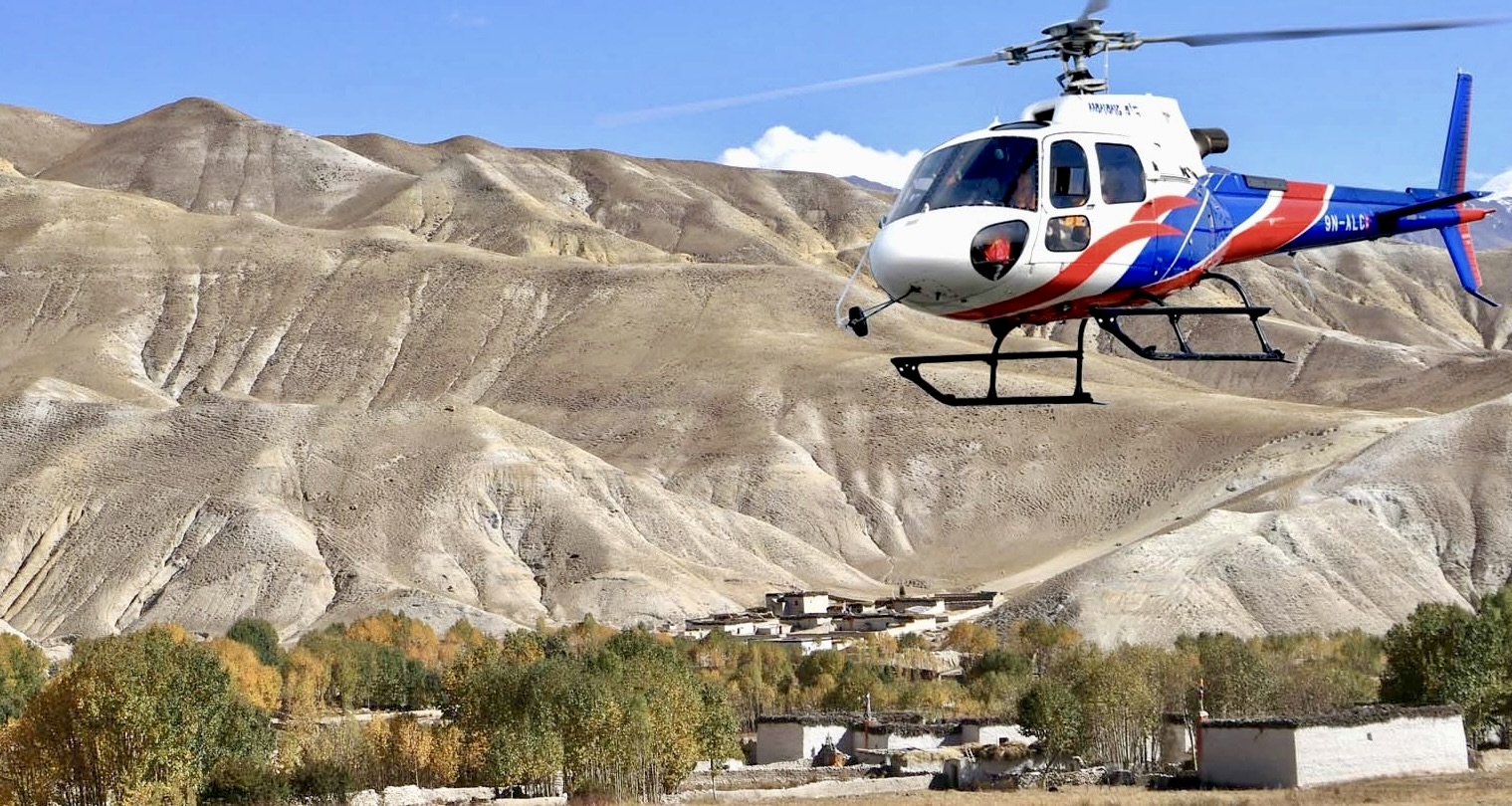
For discerning travelers seeking elevated experiences, luxury helicopter tours incorporate premium amenities and personalized service elements. These exclusive packages feature high-end helicopter models with enhanced comfort features, gourmet meal service, professional photography assistance, and dedicated ground support teams. Luxury tours often include premium accommodation arrangements, private guide services, and customized itineraries tailored to specific interests. The helicopters used for luxury services typically offer superior cabin space, climate control, noise reduction technology, and premium seating configurations designed for maximum comfort during extended flight periods.
Emergency Rescue and Evacuation Services
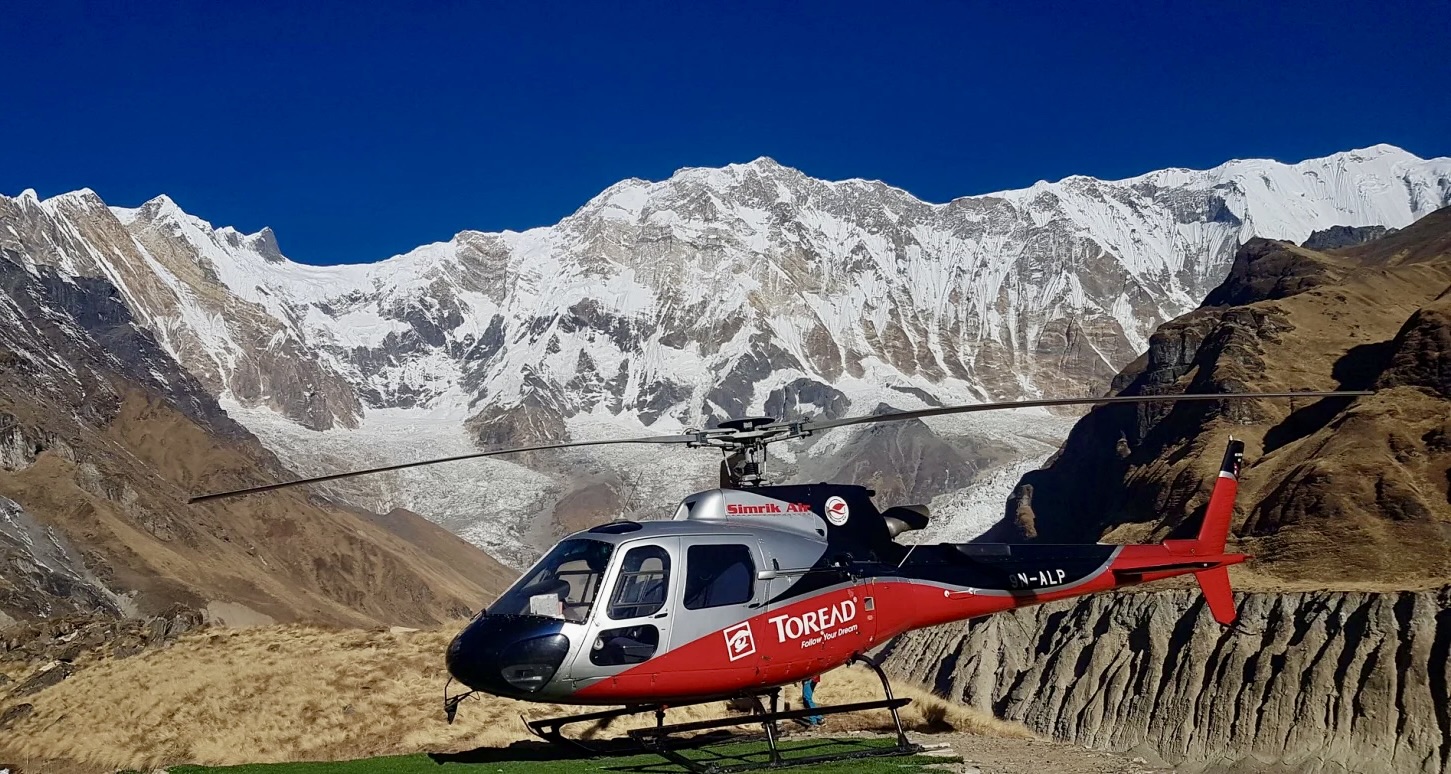
Beyond recreational tourism, helicopter services in Nepal provide critical emergency rescue and medical evacuation capabilities. These specialized operations focus on retrieving stranded trekkers, injured climbers, or individuals requiring urgent medical attention from remote mountain locations. Emergency services operate year-round with specially equipped helicopters featuring medical equipment, rescue gear, and trained medical personnel. Response times vary depending on weather conditions and location accessibility, but services maintain 24/7 availability during peak trekking seasons to ensure rapid emergency response throughout Nepal's mountainous terrain.
What's Included in Helicopter Tour Packages
Flight Time and Route Coverage
When booking a helicopter tour in Nepal, the flight duration and route coverage form the cornerstone of your package. Most helicopter tours range from 30 minutes for quick mountain glimpses to full-day expeditions lasting 6-8 hours. The route coverage determines which peaks, valleys, and landmarks you'll witness during your aerial journey.
Short-duration flights typically cover popular viewpoints like Everest Base Camp or Annapurna Circuit overviews, while extended packages include multiple landing sites and comprehensive mountain range exploration. Route planning considers weather patterns, altitude restrictions, and seasonal accessibility to ensure optimal viewing experiences.
Landing Permissions and Airport Taxes
Previously established helicopter tour packages include all necessary landing permissions and airport taxes, eliminating administrative hassles for travelers. These permits cover designated helipads at remote locations, national park entry fees, and government-mandated aviation taxes.
Landing permissions are particularly crucial for high-altitude destinations and protected areas like Sagarmatha National Park.
- Domestic airport fees for departure and arrival terminals
- Helipad landing charges at remote mountain locations
- National park permits for protected area access
- Government aviation taxes and fuel surcharges
- Emergency evacuation permits for high-altitude areas
Professional Pilot and Safety Equipment
Now that we have covered the logistical aspects, helicopter tour packages include professionally certified pilots with extensive mountain flying experience. These pilots possess specialized high-altitude aviation training and intimate knowledge of Nepal's challenging terrain and weather patterns.
Safety equipment provisions encompass:
- Emergency oxygen systems for high-altitude flights
- Communication devices for constant ground contact
- First aid equipment and medical supplies
- Weather monitoring instruments for real-time updates
- Emergency beacon systems for location tracking
- Life jackets for flights over water bodies
Ground Support and Logistics
With this comprehensive safety framework in mind, ground support services ensure seamless tour execution from start to finish. Professional ground teams coordinate transportation, weather monitoring, and backup arrangements throughout your helicopter adventure.
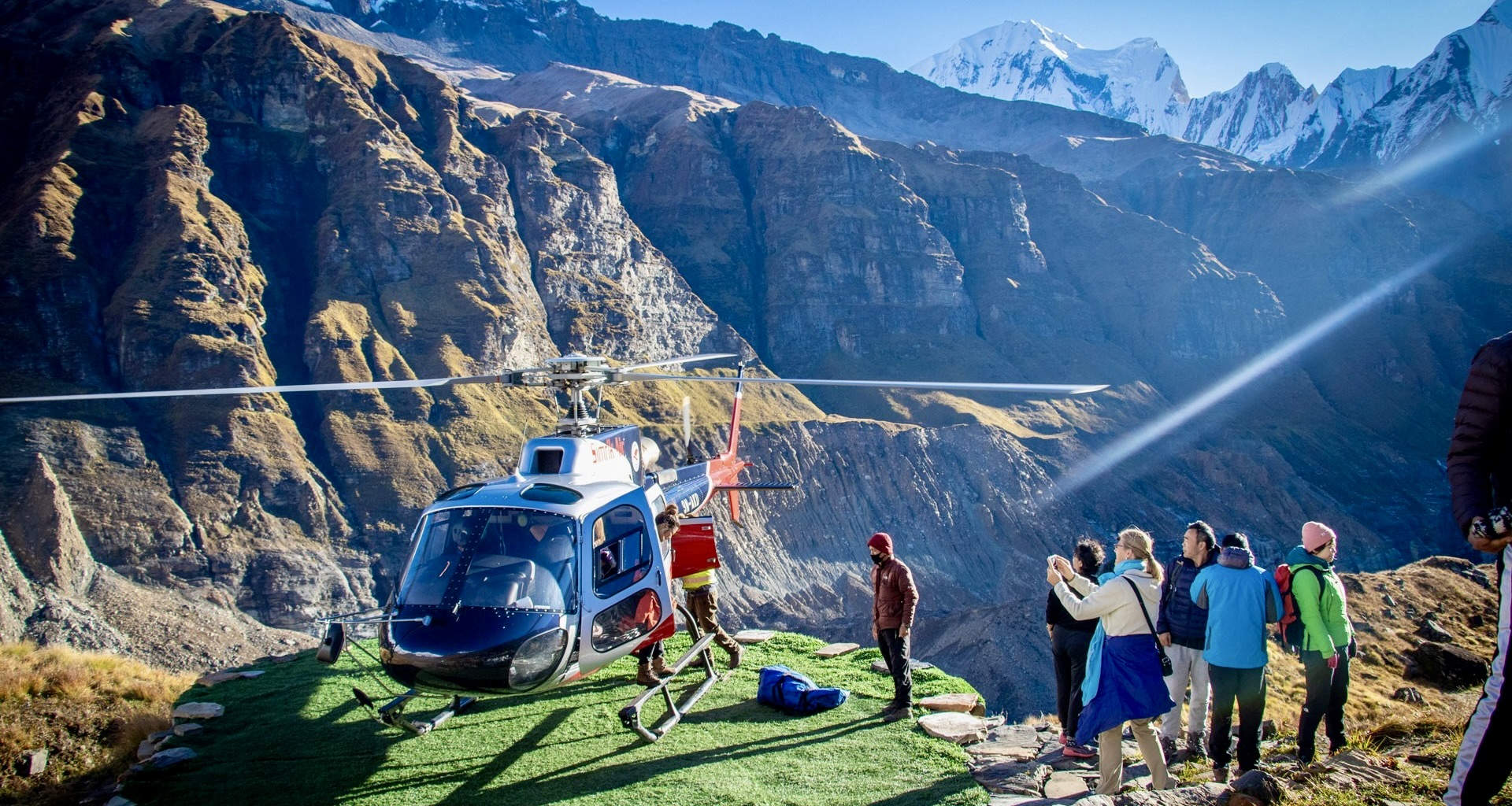
Ground logistics include hotel pickup and drop-off services, weather briefings, and alternative arrangements during unfavorable conditions. Support teams maintain constant communication with flight crews, monitor changing weather patterns, and provide real-time updates on flight schedules. This comprehensive support system ensures your helicopter tour experience remains smooth and worry-free, allowing you to focus entirely on the breathtaking aerial views of Nepal's magnificent landscapes.
If you need any further information, please contact us by email: at [email protected], Phone: at +977- 985 100 5129 (WhatsApp).
Booking Your Helicopter Tour
Best time to book for optimal pricing
Helicopter tour pricing in Nepal exhibits seasonal variations, with peak tourist seasons commanding premium rates. The dry season months of October through December and March through May represent high-demand periods when advance booking becomes crucial for securing competitive pricing. Booking 2-3 months ahead during these peak periods can help secure better rates and ensure aircraft availability.
The monsoon season from June to September offers the most cost-effective pricing, though weather unpredictability increases cancellation risks. Early morning bookings typically provide the best weather windows and may offer slight pricing advantages due to optimal flying conditions.
Last-minute bookings during peak seasons often result in premium pricing or limited availability, particularly for popular destinations like Everest Base Camp or the Annapurna region. Budget-conscious travelers should consider shoulder season bookings in late November, early December, or late February for balanced pricing and weather conditions.
Required permits and documentation
Helicopter tours in Nepal require specific documentation and permits that vary by destination and altitude. For flights within standard tourist areas, passengers need valid passports and tourist visas. Higher altitude destinations, particularly those entering restricted areas or approaching base camp regions, may require additional trekking permits and special area permits.
The Sagarmatha National Park permit becomes mandatory for Everest region flights, while the Annapurna Conservation Area permits apply to Annapurna circuit helicopter tours. These permits are typically arranged by tour operators as part of package services, but verification of inclusion remains essential during booking.
International passengers should ensure passport validity extends at least six months beyond travel dates. Travel insurance documentation proving helicopter rescue coverage is increasingly required by operators and strongly recommended for all passengers.
Weather considerations and cancellation policies
Nepal's mountain weather patterns significantly impact helicopter operations, making comprehensive cancellation policies essential. Morning flights between 6:00-10:00 AM generally offer optimal weather windows with minimal wind and clear visibility conditions.
Afternoon flights face increased cancellation risks due to thermal winds and cloud formation around peaks. Monsoon season operations experience the highest cancellation rates, often exceeding 60% during peak rainfall months.
Most reputable operators implement flexible rebooking policies allowing same-season transfers without penalties for weather-related cancellations. Full refund policies typically apply when cancellations occur due to operator safety decisions, though passenger-initiated cancellations may incur charges ranging from 25-50% depending on the advance notice provided.
Weather contingency planning should include buffer days, particularly for international travelers with fixed departure schedules. Operators generally provide 24-48 hour advance weather assessments to help passengers plan accordingly.
Payment terms and booking procedures
Standard booking procedures require initial deposits ranging from 25-50% of total tour costs, with full payment typically due 7-15 days prior to departure. Major operators accept international credit cards, bank transfers, and cash payments, though credit card processing may incur additional 3-4% service charges.
Online booking platforms provide immediate confirmation for standard tours, while customized helicopter experiences require direct operator consultation. Payment security measures should include verified operator credentials and proper receipt documentation.
Booking modifications generally incur administrative fees, with passenger changes requiring 48-72 hours' advance notice. Group bookings often qualify for volume discounts, particularly for parties exceeding 6-8 passengers, depending on aircraft capacity.
Comprehensive travel insurance covering helicopter activities should be secured before final payment, as many operators now require proof of coverage for high-altitude destinations. Payment schedules may offer flexibility for early bookings made 3-6 months in advance, with some operators providing payment plan options for premium tour packages.
Safety Standards and Regulations
Helicopter Maintenance and Safety Protocols
Helicopter tour operators in Nepal must adhere to stringent maintenance schedules mandated by the Civil Aviation Authority of Nepal (CAAN). These protocols require comprehensive pre-flight inspections, routine maintenance checks, and detailed logbook documentation for every aircraft. Modern helicopter fleets undergo mandatory engine inspections every 100 flight hours, with major overhauls required at specific intervals based on manufacturer specifications.
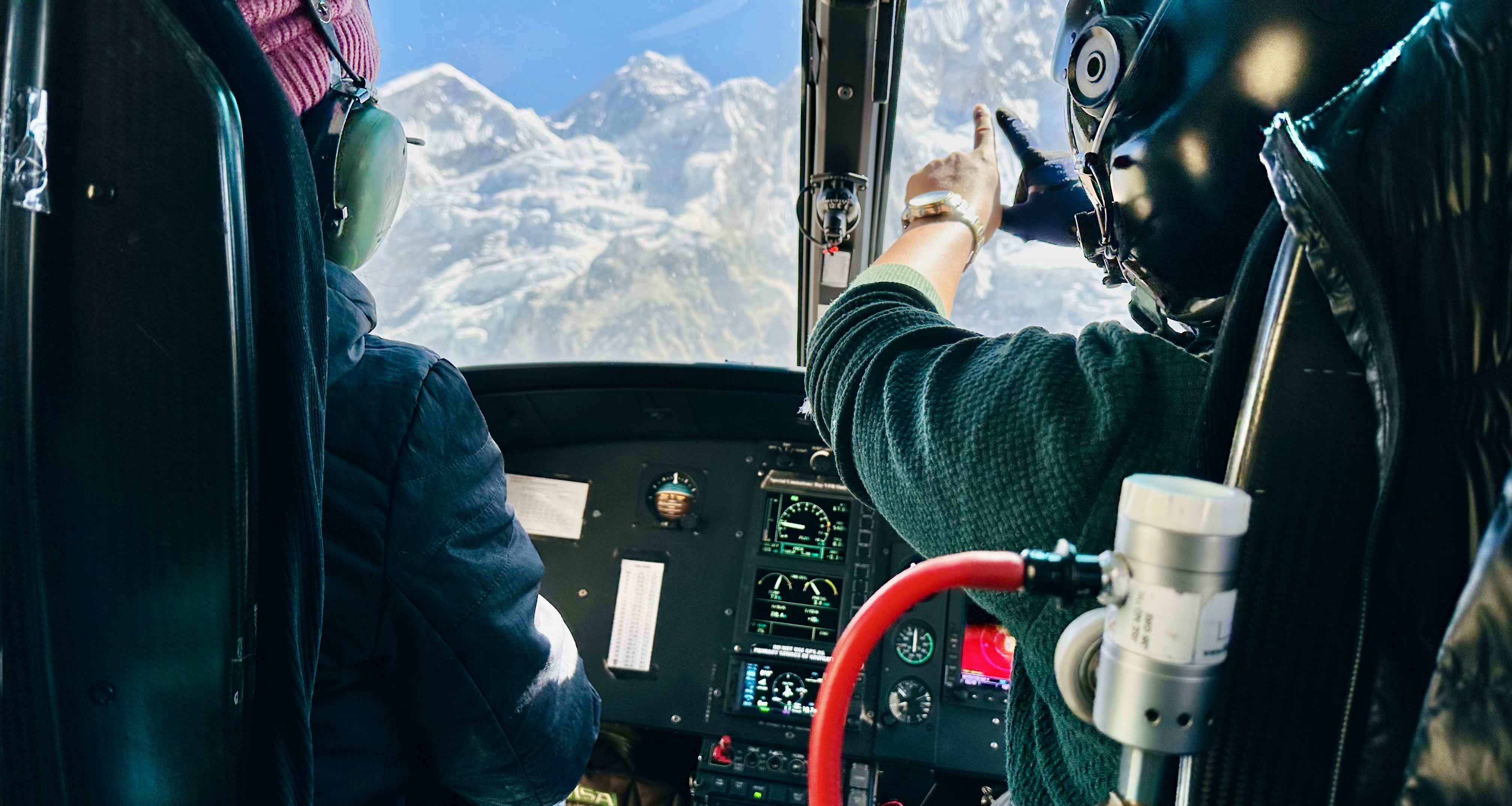
Advanced diagnostic systems monitor critical components in real-time, ensuring any potential issues are identified before they compromise safety. Additionally, helicopters operating in Nepal's challenging terrain must undergo specialized high-altitude performance evaluations to ensure optimal functionality in thin air conditions.
Pilot Certification and Experience Requirements
Helicopter pilots conducting tours in Nepal must possess valid commercial pilot licenses with specific mountain flying endorsements. The minimum requirement includes 1,000 hours of total flight time, with at least 500 hours in mountainous terrain. Pilots must complete annual recertification programs that include simulator training for emergency procedures and high-altitude operations. Many tour operators require additional certifications for flying near major peaks like Everest, including specialized training for high-altitude rescue operations. Continuous education programs ensure pilots stay current with evolving safety protocols and weather pattern recognition specific to Nepal's unique geographical challenges.
Weather Monitoring and Flight Safety Measures
Weather monitoring systems in Nepal utilize satellite technology, ground-based meteorological stations, and real-time pilot reports to assess flight conditions. Operators maintain direct communication with the Department of Hydrology and Meteorology for updated forecasts every six hours. Flight safety measures include mandatory weather briefings before departure, predetermined alternate landing sites, and strict visibility minimums for different flight routes. Advanced GPS navigation systems and terrain awareness warning systems are standard equipment on all commercial helicopters. Emergency communication protocols ensure constant contact with ground control throughout the flight duration.
Insurance Coverage and Liability Protection
Comprehensive insurance coverage protects passengers through third-party liability policies ranging from $1-5 million per incident. Helicopter operators maintain hull insurance for aircraft damage and passenger medical coverage for emergency evacuation services. International rescue insurance is recommended for passengers, covering potential helicopter rescue operations from remote locations. Most reputable operators provide detailed insurance documentation upon booking, outlining coverage limits and claim procedures. Travel insurance policies should be verified to ensure helicopter tour activities are included in coverage terms.
Maximizing Value from Your Helicopter Tour Investment
Choosing the right tour operator
With this in mind, selecting a reputable helicopter tour operator forms the foundation of a valuable investment in your Nepal adventure. Research operators with established safety records, certified pilots, and comprehensive insurance coverage. Verify that your chosen operator holds proper licensing from Nepal's Department of Tourism and Civil Aviation Authority. Read recent customer reviews and testimonials to gauge service quality and reliability. Established operators typically offer better maintenance standards, experienced crew members, and superior customer support throughout your journey.
Understanding additional costs and fees
Previously mentioned package prices often represent base costs without mandatory supplements. Airport taxes, landing fees at remote helipads, and National Park entry permits frequently appear as additional charges. International travelers should budget for visa fees, travel insurance, and potential overnight accommodation if weather delays occur. Emergency evacuation insurance, while optional, provides crucial financial protection in mountainous terrain. Factor in tipping customs for crew members and local guides, typically ranging from 10-15% of the total tour cost.
Tips for getting the best helicopter tour experience
To maximize your helicopter tour investment, schedule flights during optimal weather windows between October and December and March-May. Morning departures generally offer clearer mountain visibility and more stable flying conditions. Pack appropriate gear, including warm clothing, sunglasses, and camera equipment with extra batteries for high-altitude photography. Communicate any dietary restrictions or medical concerns well in advance to ensure proper arrangements. Consider booking longer duration tours for more comprehensive mountain views and landing opportunities at iconic locations like Everest Base Camp or Annapurna Sanctuary.
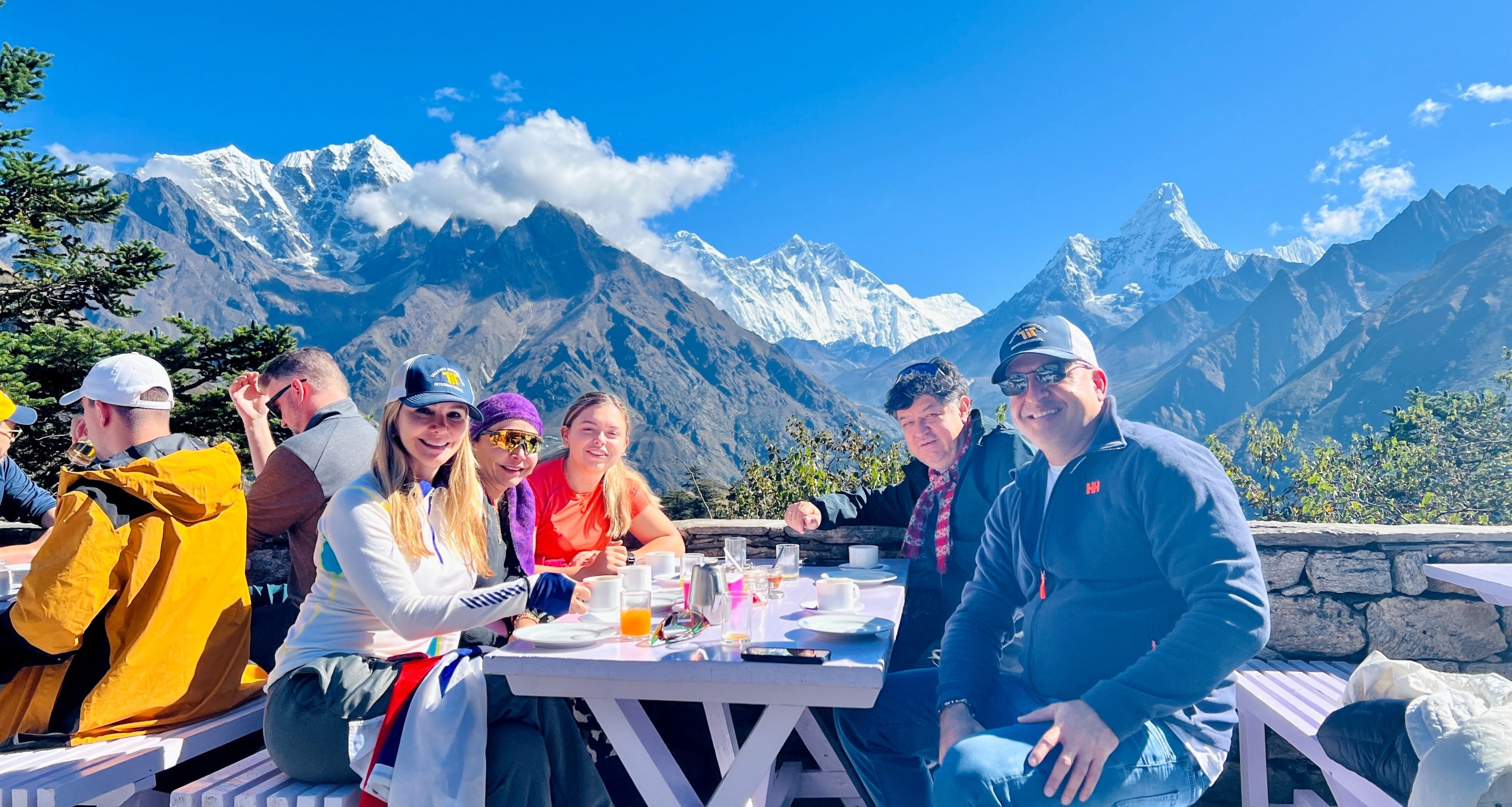
Nepal's helicopter tours offer an extraordinary way to witness the world's highest peaks and most spectacular landscapes from an unparalleled perspective. While costs vary significantly based on destination, duration, and group size, the investment provides access to breathtaking views that would otherwise require weeks of trekking. From the iconic Everest Base Camp to the pristine Annapurna region, these aerial adventures deliver unforgettable experiences that justify their premium pricing.
When planning your helicopter tour, prioritize safety standards and choose reputable operators who maintain strict regulatory compliance. Book well in advance, especially during peak seasons, and consider weather contingencies in your travel plans. With proper preparation and realistic budget expectations, a helicopter tour in Nepal becomes more than just a sightseeing trip—it transforms into a once-in-a-lifetime journey that will forever change how you view the majesty of the Himalayas.
If you need any further information, please contact us by email: at [email protected], Phone: at +977- 985 100 5129 (WhatsApp).