
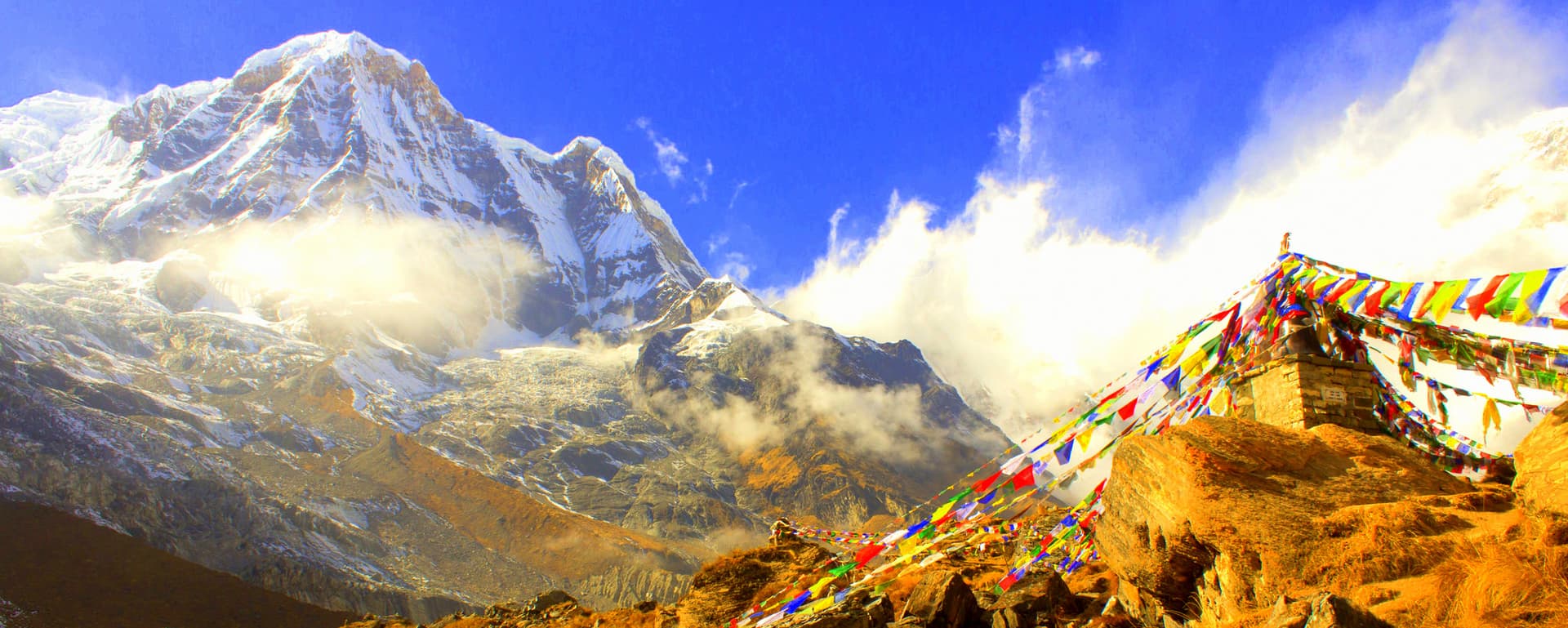
Nepal vs Bhutan: Which Himalayan Destination Is Right for You? (2026 Guide)
Nepal is bigger, more adventurous, and offers better value for money. Bhutan is quieter, more exclusive, and focuses on culture and sustainability. If you have around 12 days or more, most travelers find that visiting both countries creates the most rewarding Himalayan journey.
At Luxury Holidays Nepal, we operate tours in both Nepal and Bhutan, so we have no reason to steer you toward one destination over the other. Every year, we help travelers from the United States, Europe, Australia, and beyond choose the itinerary that best matches their interests, travel style, and budget.
This guide compares both countries based on what actually matters when planning your trip, including costs, visas, trekking, luxury hotels, wildlife, culture, and how long you'll need.
An Honest Comparison From People Who Run Trips in Both Countries
| Compare | Nepal | Bhutan |
| Best For | Trekking, adventure, wildlife, culture | Culture, wellness, luxury, peaceful travel |
| Typical Daily Cost | US$80–150 mid-range, US$300–700+ luxury | US$250–450+ mid-range, US$500–1,000+ luxury, plus the US$100/night SDF |
| Visa | Visa on Arrival for most travelers | Visa arranged before arrival through a licensed operator |
| Flight from the USA | One international flight to Kathmandu | Usually fly to Kathmandu first, then a 1h15m flight to Paro |
| Trip Length | 7–14 days | 4–7 days |
| Crowds | More visitors on popular trekking routes | Fewer visitors due to regulated tourism |
| Best Treks | Everest, Annapurna, Langtang, Manaslu | Jomolhari, Druk Path, Snowman |
| Luxury Hotels | Dwarika's Hotel, The Pavilions Himalayas, luxury mountain lodges | Aman, Six Senses Bhutan, COMO Uma |
| Food | Diverse local and international cuisine | Traditional Bhutanese cuisine with spicy flavors |
Cost Reality: Nepal vs Bhutan
One of the biggest differences between Nepal and Bhutan is the overall cost of travel.
Nepal is one of Asia's best-value mountain destinations, with everything from comfortable mid-range hotels to premium luxury lodges and private helicopter experiences. Bhutan follows a high-value, low-volume tourism model, which means travelers should budget for higher accommodation costs along with the government's US$100 Sustainable Development Fee (SDF) for most international visitors.
| Expense | Nepal | Bhutan |
| Mid-range Travel | US$150–300 per person/day | US$500+ per person/day (including hotels, a guide, transport, meals, plus the SDF depending on the package) |
| Luxury Travel | US$500–1000+ per person/day | US$700 to 1,000+ per person/day |
| Government Tourism Fee | None | US$100 Sustainable Development Fee (SDF) per person, per night for most international visitors, in addition to accommodation and other travel costs. |
| Best Value | Excellent for every budget | Best suited to premium and luxury travelers |
Our Tip: Nepal offers some of the best value luxury travel in the Himalayas, while Bhutan delivers a more exclusive, highly curated experience. If you're planning a trip to Bhutan, it's worth understanding exactly what is—and isn't—included in the quoted price. For a detailed breakdown, read our Bhutan Travel Cost Guide (link to your internal blog) rather than repeating everything here.
Geography and Natural Beauty
Nepal is one of the world's most geographically diverse destinations, offering an incredible variety of landscapes within a relatively small area. From the snow-capped peaks of the Himalayas, including the majestic Mount Everest, to lush green hills, crystal-clear alpine lakes, ancient valleys, and the wildlife-rich jungles of the Terai, every region showcases a unique side of the country. Whether you're trekking through the Annapurna and Langtang regions, exploring the serene beauty of Rara and Tilicho Lakes, or enjoying a safari in Chitwan or Bardia National Park, Nepal provides unforgettable natural experiences that appeal to adventurers, photographers, and nature lovers alike.
Some of Nepal's most spectacular natural attractions include:
-
Mount Everest – the highest mountain in the world and a dream destination for trekkers and climbers.
-
Annapurna Range – Home to diverse trekking routes, dramatic mountain scenery, and charming Himalayan villages.
-
Langtang Valley – A beautiful valley known for glaciers, forests, and authentic Tamang culture.
-
Chitwan National Park – A UNESCO World Heritage Site famous for jungle safaris and endangered wildlife.
-
Bardia National Park – Nepal's largest wilderness area, offering quieter and more exclusive wildlife experiences.
-
Rara Lake – Nepal's largest lake, surrounded by pristine forests and breathtaking mountain landscapes.
-
Tilicho Lake – One of the world's highest lakes, celebrated for its turquoise waters and stunning Himalayan backdrop.
Whether you're seeking thrilling mountain adventures, peaceful lakeside retreats, wildlife encounters, or cultural exploration, Nepal offers an extraordinary blend of experiences. Its incredible geographical diversity ensures that every region has its own unique landscapes, traditions, and attractions, making the country one of the most rewarding destinations for nature lovers and outdoor enthusiasts.
Bhutan
Bhutan is renowned for its unspoiled natural beauty and strong commitment to environmental conservation, making it one of the world's most sustainable travel destinations. Over 70% of the country is covered by forests, and its constitution requires that at least 60% of its land remain forested for future generations. This dedication to preserving nature has created a landscape of pristine valleys, dense pine forests, crystal-clear rivers, snow-capped Himalayan peaks, and charming traditional villages that remain largely untouched by mass tourism. Visitors can enjoy peaceful hikes, breathtaking mountain views, and a tranquil atmosphere where nature and culture exist in perfect harmony. Compared to many popular tourist destinations, Bhutan offers a quieter, cleaner, and more exclusive travel experience, making it an ideal choice for those seeking serenity and authentic Himalayan beauty.
Some of Bhutan's most spectacular natural attractions include:
-
Paro Valley – A picturesque valley surrounded by mountains, traditional villages, and the famous Tiger's Nest Monastery.
-
Punakha Valley – Known for its lush landscapes, rivers, rice fields, and the magnificent Punakha Dzong.
-
Phobjikha Valley – A beautiful glacial valley famous for its peaceful scenery and the endangered black-necked cranes.
-
Jigme Dorji National Park – Bhutan's second-largest national park, home to snow leopards, red pandas, Himalayan blue sheep, and diverse alpine ecosystems.
-
Royal Manas National Park – Bhutan's oldest national park, rich in tropical forests and home to Bengal tigers, elephants, golden langurs, and hundreds of bird species.
-
Haa Valley – One of Bhutan's most untouched valleys, offering stunning mountain landscapes, forests, and authentic rural culture.
-
Chele La Pass – One of Bhutan's highest motorable passes, offering breathtaking panoramic views of the Himalayas on clear days.
Whether you're seeking peaceful mountain retreats, scenic hiking trails, wildlife encounters, or a deeper connection with nature, Bhutan offers an unforgettable Himalayan experience. Its commitment to conservation, sustainable tourism, and preserving traditional culture makes every journey feel serene, authentic, and refreshingly untouched.
Culture and Heritage
Culture is one of the main reasons travelers are drawn to both Nepal and Bhutan. While both countries share deep Himalayan roots and centuries-old Buddhist traditions, each offers a unique cultural experience. Nepal is celebrated for its remarkable ethnic diversity, where Hinduism and Buddhism have coexisted harmoniously for centuries, while Bhutan is admired for preserving its traditional way of life through strict cultural and environmental policies. Whether you're exploring ancient temples, attending vibrant festivals, or visiting historic monasteries, both destinations provide unforgettable insights into the rich heritage of the Himalayas.
Nepal
Nepal is a cultural treasure with a history spanning thousands of years. Home to more than 125 ethnic groups and over 120 languages, the country is a fascinating blend of traditions, religions, and lifestyles. Hinduism and Buddhism exist side by side, creating a unique spiritual atmosphere that can be seen in ancient temples, sacred stupas, and monasteries throughout the country. Every region has its own customs, festivals, architecture, music, and cuisine, making Nepal one of the most culturally diverse nations in Asia.
From the medieval palaces and bustling squares of Kathmandu Valley to the traditional villages of the Himalayas, travelers can experience living history at every turn. Nepal is also famous for its colorful festivals, where locals celebrate with music, dance, religious ceremonies, and vibrant processions throughout the year.
During your journey, you'll experience:
-
Ancient Hindu temples
-
Sacred Buddhist monasteries and stupas
-
Medieval royal palaces and courtyards
-
Colorful cultural and religious festivals
-
Bustling local markets and bazaars
-
Traditional mountain and countryside villages
-
Diverse ethnic communities and unique local customs
The Kathmandu Valley, a UNESCO World Heritage destination, is home to iconic landmarks such as Kathmandu Durbar Square, Patan Durbar Square, Bhaktapur Durbar Square, Swayambhunath (Monkey Temple), Boudhanath Stupa, and Pashupatinath Temple, making it one of South Asia's richest cultural destinations.
Bhutan
Bhutan offers a truly authentic cultural experience, where centuries-old traditions remain an integral part of everyday life. Often referred to as the Last Shangri-La, Bhutan has carefully protected its cultural heritage by preserving traditional architecture, promoting national customs, and limiting the effects of mass tourism. As a result, visitors can enjoy an atmosphere that feels timeless, peaceful, and deeply spiritual.
Buddhism influences nearly every aspect of Bhutanese life, from colorful prayer flags fluttering across mountain passes to magnificent monasteries perched on cliffs and grand fortress-monasteries known as Dzongs. Locals proudly wear their traditional attire—the Gho for men and the Kira for women—and annual Tsechu festivals bring communities together through sacred mask dances, music, and religious celebrations.
During your visit, you'll experience:
-
Magnificent fortress monasteries (Dzongs)
-
Sacred Buddhist temples and monasteries
-
Traditional Bhutanese architecture
-
Colorful prayer flags and prayer wheels
-
Monks performing daily Buddhist prayer ceremonies
-
Traditional national dress (Gho and Kira)
-
Vibrant Tsechu festivals with masked dances
-
Peaceful villages that preserve centuries-old customs
Traveling through Bhutan feels like stepping back in time, where ancient traditions, spiritual beliefs, and cultural values continue to shape everyday life, offering visitors one of the most authentic cultural experiences in the Himalayas.
Trekking and Adventure
For many travelers, the Himalayas are synonymous with adventure, and both Nepal and Bhutan offer unforgettable outdoor experiences. However, the type of adventure you'll find in each country is quite different. Nepal is a global hub for trekking, mountaineering, and adrenaline-filled activities, attracting thousands of adventurers every year. Bhutan, on the other hand, focuses on smaller-scale, sustainable trekking experiences that emphasize solitude, nature, and cultural immersion. Your choice ultimately depends on whether you're seeking world-famous trekking routes and diverse adventures or peaceful trails through untouched Himalayan landscapes.
Nepal
Nepal is widely recognized as the trekking capital of the world, offering an incredible variety of trails that cater to every level of experience. From short scenic hikes to challenging high-altitude expeditions, the country is home to some of the most iconic trekking routes on the planet. Towering Himalayan peaks, glacial lakes, suspension bridges, remote mountain villages, and warm local hospitality make every trek a memorable adventure.
Beyond trekking, Nepal is also one of Asia's leading adventure destinations. Visitors can climb Himalayan peaks, raft through fast-flowing rivers, paraglide over picturesque lakes, enjoy wildlife safaris, or take scenic helicopter tours to Everest Base Camp and other spectacular mountain destinations.
Some of Nepal's most popular trekking routes include:
-
Everest Base Camp Trek
-
Annapurna Circuit Trek
-
Annapurna Base Camp Trek
-
Langtang Valley Trek
-
Manaslu Circuit Trek
-
Mardi Himal Trek
-
Gokyo Lakes Trek
-
Upper Mustang Trek
Adventure enthusiasts can also enjoy:
-
Mountain climbing and peak expeditions
-
White-water rafting
-
Jungle safaris
-
Bungee jumping
-
Mountain biking
-
Paragliding
-
Ziplining
-
Scenic helicopter tours
-
Rock climbing and canyoning
Whether you're a first-time trekker or an experienced mountaineer, Nepal offers endless opportunities to explore the Himalayas through thrilling outdoor adventures.
Bhutan
Bhutan offers a more exclusive and tranquil trekking experience, where untouched landscapes and rich cultural heritage take center stage. Unlike Nepal's busy trekking routes, Bhutan's trails remain relatively uncrowded due to the country's sustainable tourism policy. Trekkers journey through pristine forests, alpine meadows, remote villages, sacred monasteries, and high mountain passes while enjoying breathtaking views of the eastern Himalayas.
Bhutan's trekking routes are ideal for travelers seeking solitude, authentic cultural encounters, and unspoiled natural beauty. Along the way, you'll encounter Buddhist monasteries, colorful prayer flags, grazing yaks, and peaceful valleys that feel untouched by modern development.
Some of Bhutan's most popular trekking routes include:
-
Druk Path Trek
-
Jomolhari Trek
-
Snowman Trek
-
Dagala Thousand Lakes Trek
-
Bumthang Cultural Trek
-
Nabji Korphu Trek
In addition to trekking, Bhutan offers activities such as:
-
Hiking to Tiger's Nest Monastery
-
Nature and birdwatching tours
-
Mountain biking
-
River rafting on the Pho Chhu and Mo Chhu Rivers
-
Wildlife exploration in protected national parks
-
Cultural village walks and monastery visits
Bhutan's adventures are less about adrenaline and more about connecting with nature, spirituality, and the country's remarkable cultural traditions.
While both countries provide exceptional Himalayan trekking experiences, Nepal stands out as the ultimate destination for adventure travel. It offers a wider variety of trekking routes, world-famous mountain expeditions, thrilling outdoor activities, and options for every budget and skill level. Bhutan is perfect for travelers seeking peaceful, less-crowded treks and immersive cultural experiences, but for overall adventure and diversity, Nepal remains the clear winner.
Luxury Travel
Luxury travel has become one of the fastest-growing segments in both Nepal and Bhutan, offering travelers exceptional comfort while exploring the breathtaking Himalayas. Although both destinations provide premium accommodations and personalized experiences, their approach to luxury is quite different. Nepal combines adventure with high-end hospitality, offering everything from luxury mountain lodges to private helicopter tours at competitive prices. Bhutan, meanwhile, focuses on exclusivity, wellness, and cultural immersion, delivering intimate experiences in some of the world's most luxurious mountain resorts. Whether you're planning a romantic honeymoon, a family vacation, or a once-in-a-lifetime Himalayan escape, both countries promise unforgettable luxury experiences.
Luxury in Nepal
Nepal has evolved into one of South Asia's premier luxury travel destinations, blending world-class hospitality with spectacular Himalayan scenery. Travelers can stay in elegant five-star hotels in Kathmandu and Pokhara, relax in boutique heritage properties, or experience luxury mountain lodges along famous trekking routes. One of Nepal's biggest advantages is the wide variety of premium experiences available at different price points, making luxury travel more accessible than in many other mountain destinations.
For those seeking unforgettable adventures, Nepal offers exclusive helicopter tours to Everest Base Camp, private scenic mountain flights, luxury jungle safaris, wellness retreats, and customized cultural tours. Whether you're enjoying breakfast with views of Mount Everest, staying in a luxury lodge in the Annapurna region, or indulging in spa treatments after a trek, Nepal perfectly combines adventure with comfort.
Luxury experiences in Nepal include:
-
Five-star hotels and luxury resorts
-
Boutique heritage hotels and palaces
-
Luxury mountain lodges on trekking routes
-
Private Everest Base Camp helicopter tours
-
Everest scenic flights with breakfast experiences
-
Luxury wildlife safaris in Chitwan and Bardia
-
Wellness retreats, yoga, and spa experiences
-
Private cultural tours with expert guides
-
Fine dining featuring authentic Nepalese and international cuisine
-
Tailor-made luxury trekking and tour packages
Nepal is an excellent choice for travelers looking for exceptional luxury experiences while enjoying great value for money.
Luxury in Bhutan
Bhutan is synonymous with refined luxury, offering an exclusive travel experience centered on privacy, sustainability, and cultural authenticity. Rather than focusing on large hotels, Bhutan is home to elegant boutique lodges and internationally acclaimed luxury resorts nestled in peaceful valleys and mountain landscapes. Many of these properties provide personalized service, holistic wellness programs, and breathtaking views of the Himalayas.
Luxury travel in Bhutan emphasizes meaningful experiences, allowing visitors to connect with local culture through private monastery visits, traditional ceremonies, guided cultural tours, and wellness retreats inspired by Bhutanese traditions. The country's carefully managed tourism model ensures a peaceful atmosphere, making it an ideal destination for honeymooners, wellness travelers, and those seeking a truly exclusive escape.
Luxury experiences in Bhutan include:
-
World-class luxury resorts and wellness retreats
-
Boutique mountain lodges with personalized service
-
Private cultural and spiritual experiences
-
Guided monastery and Dzong tours
-
Traditional Bhutanese wellness therapies and hot stone baths
-
Exclusive hiking experiences, including Tiger's Nest Monastery
-
Luxury glamping and nature retreats
-
Fine dining with Bhutanese and international cuisine
-
Customized private itineraries with expert local guides
-
Peaceful mountain escapes focused on relaxation and mindfulness
Bhutan offers one of the most exclusive luxury travel experiences in the Himalayas, where every journey is designed to provide tranquility, authenticity, and personalized service.
Wildlife Experiences
The Himalayan region is home to an extraordinary variety of wildlife, and both Nepal and Bhutan are committed to protecting their rich natural heritage. However, the wildlife experiences in these two countries are quite different. Nepal is internationally renowned for its exciting jungle safaris, where visitors can encounter iconic endangered animals in their natural habitats. Bhutan, in contrast, offers a more conservation-focused experience, with vast protected forests that provide refuge for some of the world's rarest Himalayan species. Whether you prefer thrilling safari adventures or peaceful wildlife exploration in untouched mountain landscapes, both destinations offer unforgettable encounters with nature.
Nepal
Nepal is one of Asia's top wildlife destinations, boasting an impressive network of national parks and conservation areas that protect a remarkable diversity of ecosystems, from the subtropical jungles of the Terai to the alpine regions of the Himalayas. Wildlife enthusiasts can embark on jeep safaris, canoe rides, jungle walks, and birdwatching tours while exploring some of the country's most famous protected areas.
Chitwan National Park, Nepal's first UNESCO World Heritage Site, and Bardia National Park, the country's largest and most pristine national park, are the best places to experience Nepal's incredible wildlife. These parks are home to numerous endangered species and offer excellent opportunities to spot animals in their natural habitats.
Wildlife highlights in Nepal include:
-
Chitwan National Park – Famous for jeep safaris, canoe rides, elephant conservation, and diverse wildlife.
-
Bardia National Park – A less-crowded wilderness known for exceptional tiger tracking and authentic safari experiences.
-
Bengal Tigers
-
Greater One-horned Rhinoceroses
-
Asian Elephants
-
Sloth Bears
-
Marsh Mugger Crocodiles and Gharials
-
Leopards and Wild Boars
-
Over 900 species of birds, making Nepal a paradise for birdwatchers
From thrilling jungle safaris to peaceful birdwatching excursions, Nepal offers one of the most rewarding wildlife experiences in South Asia.
Bhutan
Bhutan is a biodiversity hotspot where conservation is deeply rooted in the country's philosophy and way of life. With more than 70% of its land covered by forests and over half of the country designated as protected areas and biological corridors, Bhutan provides a safe haven for many rare and endangered Himalayan species. Rather than traditional safari tourism, Bhutan offers nature-based experiences that emphasize conservation, ecological balance, and responsible travel.
Visitors can explore pristine national parks, mountain forests, and remote valleys while discovering the country's remarkable wildlife. Although sightings of some rare animals require patience and a bit of luck, Bhutan's untouched landscapes make every wildlife journey unique.
Wildlife highlights in Bhutan include:
-
Red Panda
-
Himalayan Black Bear
-
Blue Sheep
-
Takin – Bhutan's unique national animal
-
Snow Leopard (rarely seen in high-altitude regions)
-
Golden Langur
-
Musk Deer
-
Black-necked cranes, which migrate to Phobjikha Valley during winter
-
More than 770 species of birds, attracting birdwatchers from around the world
Bhutan's wildlife experiences are ideal for travelers who appreciate pristine natural environments, rare species, and conservation-driven ecotourism rather than traditional game safaris.
Food
Food is an important part of the travel experience, and both Nepal and Bhutan offer unique flavors that reflect their culture and traditions. Nepal is known for its diverse cuisine influenced by various ethnic communities, while Bhutan is famous for its spicy dishes and organic ingredients. Whether you enjoy mild comfort food or bold flavors, both countries have something delicious to offer.
Nepal
Nepalese cuisine is diverse, flavorful, and influenced by Himalayan, Tibetan, and Indian culinary traditions. From hearty home-cooked meals to delicious street food, Nepal offers a wide variety of dishes to suit every palate. In major tourist cities like Kathmandu and Pokhara, you'll also find excellent international restaurants serving cuisines from around the world.
Must-Try Nepalese Dishes
-
Dal Bhat – Traditional rice, lentil soup, vegetables, and curry.
-
Momo – Steamed or fried dumplings with various fillings.
-
Newari Cuisine – Traditional dishes such as Chatamari, Bara, Choila, and Yomari.
-
Thukpa – Tibetan-style noodle soup.
-
Sel Roti – Sweet homemade rice bread, popular during festivals.
-
Gundruk – Fermented leafy greens served as soup or pickle.
-
Dhido – Traditional buckwheat or millet dish.
Bonus: International restaurants serving Indian, Chinese, Italian, Japanese, Korean, Thai, and Western cuisine are widely available.
Bhutan
Bhutanese cuisine is simple, hearty, and famous for its bold, spicy flavors. Fresh chilies are a staple ingredient and are often treated as a vegetable rather than just a spice. Most meals feature locally grown vegetables, red rice, cheese, and organic ingredients, creating authentic Himalayan flavors.
Must-Try Bhutanese Dishes
-
Ema Datshi – Bhutan's national dish made with chilies and cheese.
-
Phaksha Paa – Pork cooked with red chilies and radishes.
-
Jasha Maru – Spicy Bhutanese chicken stew.
-
Red Rice – Nutritious local rice served with most meals.
-
Suja (Butter Tea) – Traditional salty butter tea.
-
Shamu Datshi – Mushrooms cooked in cheese sauce.
-
Momos – Bhutanese-style dumplings served with spicy chili sauce.
Note: Bhutanese cuisine is generally much spicier than Nepalese food, making it ideal for travelers who enjoy bold and fiery flavors.
Best Time to Visit
Both Nepal and Bhutan are year-round destinations, but the best time to visit depends on the type of experience you're looking for. Each season offers its own unique charm, from colorful spring blooms and crystal-clear autumn skies to peaceful winter landscapes and lush monsoon scenery. Whether you're planning a trekking adventure, a cultural tour, a wildlife safari, or a luxury holiday, understanding the seasonal differences will help you choose the perfect time for your Himalayan journey.
Spring (March – May): Spring is one of the most popular seasons to visit both Nepal and Bhutan. The weather is warm and comfortable, making it ideal for trekking, sightseeing, wildlife safaris, and outdoor adventures. Hillsides burst into color with blooming rhododendrons, magnolias, and wildflowers, while the Himalayan peaks are often visible under clear blue skies.
Highlights
-
Pleasant daytime temperatures
-
Rhododendron forests in full bloom
-
Excellent mountain visibility
-
Ideal trekking and hiking conditions
-
Perfect for photography and nature lovers
-
Popular cultural festivals in both countries
Best for: Trekking, luxury tours, sightseeing, helicopter tours, wildlife safaris, and honeymoon trips.
Summer / Monsoon (June – August): Summer coincides with the monsoon season in Nepal and much of Bhutan, bringing lush green landscapes, flowing waterfalls, and vibrant countryside views. While frequent rainfall can reduce mountain visibility and make some trekking trails muddy, this season offers quieter attractions, fewer tourists, and beautiful scenery. Some areas, such as Upper Mustang and Dolpo in Nepal, lie in the rain shadow and remain excellent trekking destinations during these months.
Highlights
-
Lush green valleys and forests
-
Spectacular waterfalls and rivers
-
Fewer crowds at major attractions
-
Beautiful agricultural landscapes
-
Lower accommodation rates in many destinations
Best for: Cultural tours, photography, wellness retreats, nature lovers, and rain-shadow treks in Nepal.
Autumn (September – November): Autumn is widely regarded as the best time to visit both Nepal and Bhutan. After the monsoon, the skies become exceptionally clear, offering breathtaking views of the Himalayas. The weather is dry and stable, making it the peak season for trekking, mountain flights, luxury holidays, and outdoor activities. This season also features some of the biggest festivals, creating a vibrant cultural atmosphere.
Highlights
-
Crystal-clear mountain views
-
Stable and pleasant weather
-
Perfect trekking and hiking conditions
-
Excellent wildlife viewing opportunities
-
Major festivals such as Dashain and Tihar in Nepal and the Tsechu festivals in Bhutan
-
Ideal conditions for helicopter tours and scenic flights
Best for: Trekking, luxury vacations, photography, cultural experiences, wildlife safaris, and family holidays.
Winter (December – February): Winter brings cooler temperatures and snowfall in the higher Himalayan regions, creating spectacular snow-covered landscapes. Lower-altitude destinations such as Kathmandu, Pokhara, Chitwan, Paro, and Thimphu remain comfortable for sightseeing and cultural tours. With fewer visitors, travelers can enjoy a quieter and more peaceful experience while benefiting from better hotel availability and attractive seasonal offers.
Highlights
-
Snow-covered Himalayan scenery
-
Fewer tourists and quieter attractions
-
Clear skies on many days
-
Comfortable sightseeing in lower elevations
-
Great opportunities for luxury holidays and wildlife safaris
Best for: Cultural tours, luxury travel, photography, wildlife safaris, honeymoon trips, and lower-altitude trekking.
Visa Requirements
Both Nepal and Bhutan have different visa policies. Nepal offers a more flexible visa process for most travelers, while Bhutan requires advance visa approval through an authorized tour operator.
Nepal
-
Visa on arrival available for most nationalities.
-
Online visa application available before travel.
-
Tourist visas are available for 15, 30, or 90 days.
-
Passport should be valid for at least 6 months.
-
A visa can be obtained at Tribhuvan International Airport and selected land border crossings.
-
Easy visa extension available within Nepal.
Bhutan
-
A visa is required for most international travelers before arrival.
-
A visa must be arranged through a licensed Bhutanese tour operator or international travel partner.
-
Travelers receive a visa clearance letter before departure.
-
Passport should be valid for at least 6 months.
-
The Sustainable Development Fee (SDF) applies according to current government regulations.
-
Citizens of India, Bangladesh, and the Maldives follow different entry requirements.
Which Himalayan Destination Matches Your Travel Style?
Choose Nepal If...
Nepal is the perfect destination for travelers seeking adventure, diversity, and flexibility. With its world-famous trekking routes, rich cultural heritage, abundant wildlife, and excellent value for money, Nepal offers something for every type of traveler.
Choose Nepal if you:
-
Want to trek iconic trails like Everest Base Camp, Annapurna Circuit, or Annapurna Base Camp.
-
Love adventure activities such as mountain climbing, white-water rafting, paragliding, bungee jumping, or scenic helicopter tours.
-
Prefer flexible travel with options ranging from budget-friendly trips to luxury vacations.
-
Want to combine Himalayan adventures with wildlife safaris in Chitwan or Bardia National Park.
-
Enjoy exploring vibrant cities, diverse cultures, ancient temples, and delicious local cuisine.
-
Are visiting the Himalayas for the first time and want the widest range of experiences in one destination.
Choose Bhutan If...
Bhutan is ideal for travelers looking for tranquility, exclusivity, and a deeper cultural connection. Its pristine landscapes, preserved traditions, and sustainable tourism model create a unique Himalayan experience unlike anywhere else.
Choose Bhutan if you:
-
Prefer a quieter, less crowded, and more exclusive travel experience.
-
Are fascinated by Buddhist culture, monasteries, and centuries-old traditions.
-
Value luxury, wellness retreats, personalized service, and peaceful surroundings.
-
Enjoy slow travel with meaningful cultural interactions and authentic local experiences.
-
Dream of hiking to the iconic Tiger's Nest Monastery (Paro Taktsang) and exploring magnificent Dzongs.
-
Appreciate sustainable tourism, environmental conservation, and untouched natural beauty.
-
Want a relaxing Himalayan escape focused on mindfulness, spirituality, and breathtaking mountain scenery.
Why Most of Our American Guests Do Both
One pattern we see again and again is American travelers combining Nepal and Bhutan into a single vacation. Nepal offers iconic Himalayan scenery, trekking, wildlife, and vibrant cities, while Bhutan provides a slower pace, preserved traditions, and peaceful mountain valleys.
A popular itinerary begins with 7 days in Nepal, exploring Kathmandu's UNESCO World Heritage Sites, enjoying a scenic stay in Pokhara or a short Himalayan trek, and experiencing a jungle safari in Chitwan National Park. Travelers then take the short international flight from Kathmandu to Paro, where they spend 5 days discovering Bhutan's monasteries, valleys, and unique Buddhist culture.
A Typical 12-Day Nepal & Bhutan Journey
Days 1–7: Nepal
-
Explore Kathmandu's UNESCO World Heritage Sites.
-
Enjoy the sunrise over the Himalayas from Nagarkot or Pokhara.
-
Take a scenic mountain flight or a short trek.
-
Experience a wildlife safari in Chitwan National Park.
-
Discover Nepal's vibrant culture, cuisine, and local markets.
Days 8–12: Bhutan
-
Fly from Kathmandu to Paro with spectacular Himalayan views.
-
Visit Thimphu, Bhutan's charming capital.
-
Explore Punakha Dzong and scenic valleys.
-
Hike to the iconic Tiger's Nest Monastery.
-
Experience Bhutan's peaceful monasteries, traditional villages, and world-renowned hospitality.
This combination gives travelers the best of both countries—Nepal's adventure, wildlife, and mountain scenery paired with Bhutan's tranquility, spirituality, and carefully preserved culture.
If you're planning a romantic getaway, this itinerary also works exceptionally well as a Luxury Nepal & Bhutan honeymoon, combining luxury hotels, scenic flights, wellness experiences, and unforgettable Himalayan landscapes.
Final Thoughts
If you're still deciding between Nepal and Bhutan, we'd be happy to help. Since we organize trips in both countries, we can recommend the itinerary that genuinely suits your travel style rather than promoting one destination over the other. Whether you're planning your first Himalayan adventure, a luxury honeymoon, or want to visit Nepal and Bhutan together, our travel specialists can design a personalized journey that fits your interests, schedule, and budget.
Frequently Asked Questions (FAQs)
Q. How do I travel from Kathmandu to Paro?
A. The easiest way to travel between Nepal and Bhutan is on a direct flight from Kathmandu (KTM) to Paro (PBH). The journey takes approximately 1 hour and 15 minutes and is operated by Druk Air and Bhutan Airlines. On clear days, the flight offers spectacular views of the Himalayan range, including Mount Everest. If you book a combined Nepal and Bhutan tour with Luxury Holidays Nepal, we arrange this international flight as part of your itinerary.
Q. Do Americans need visas for both Nepal and Bhutan?
A: Yes. U.S. citizens need separate visas for both countries. Nepal offers a visa on arrival for American travelers at Tribhuvan International Airport in Kathmandu. For Bhutan, the visa must be arranged in advance through a licensed Bhutanese tour operator or international travel partner before arrival.
Q. What is Bhutan's US$100 Sustainable Development Fee (SDF)?
A: Bhutan charges most international visitors a Sustainable Development Fee (SDF) of US$100 per person per night. The fee supports environmental conservation, cultural preservation, infrastructure, healthcare, and education while helping Bhutan maintain its sustainable tourism policy. The SDF is usually included in your Bhutan travel package.
Q. Is the US$100 Sustainable Development Fee included in Bhutan tour packages?
A: Most reputable Bhutan tour operators include the US$100 Sustainable Development Fee (SDF) in the total package price. However, it's always a good idea to confirm exactly what is included when booking your tour.
Q. Can I combine Nepal and Bhutan in one vacation?
A: Yes. Many travelers combine Nepal and Bhutan into a 10 to 14-day itinerary, spending around 7 days in Nepal and 5 days in Bhutan. This allows visitors to experience Nepal's trekking, wildlife, and cultural attractions before flying directly to Bhutan for its monasteries, scenic valleys, and peaceful Himalayan landscapes.
Q. Which country is better for luxury travel: Nepal or Bhutan?
A: Both destinations offer exceptional luxury experiences. Nepal provides outstanding value with luxury hotels, boutique lodges, private helicopter tours, and wellness retreats, while Bhutan is renowned for its exclusive luxury resorts, personalized service, and peaceful mountain settings.
Q. Can I visit Bhutan independently without joining a tour?
A: Most international travelers are required to book their trip through a licensed Bhutanese tour operator or an authorized international travel partner. Independent travel is generally not permitted, except for citizens of India, Bangladesh, and the Maldives, who follow different entry requirements.
Q. How many days do I need for Nepal and Bhutan?
A: A combined 10- to 14-day itinerary is ideal for experiencing both destinations. Many travelers spend 7 days exploring Nepal and 5 days discovering Bhutan, allowing enough time to enjoy the highlights of each country without feeling rushed.
Q. Which country is more affordable for travelers?
A: Nepal is generally more affordable, offering accommodation, transportation, dining, and activities for every budget. Bhutan is a premium destination with higher travel costs due to its regulated tourism policy and the US$100 Sustainable Development Fee (SDF) for most international visitors.
Q. What is the best way to book a Nepal and Bhutan tour?
A: The easiest option is to book a combined Nepal and Bhutan package through a travel company that specializes in both destinations. This simplifies visa arrangements, flights, accommodations, permits, transportation, and guided tours, making your Himalayan journey seamless and hassle-free.
If you need any further information, please contact us, Email: at [email protected], Phone: +977-985-100-5129 (WhatsApp)

Tripadvisor
5.01097 reviewsGoogle
4.8154 reviewsFacebook
4.1 recommend44 ReviewsTrustpilot
4.1 Great(12 reviews)- Trusted by50K plus traveller