Getting Into Bhutan: Your Gateway to the Last Shangri-La
Dreaming of exploring the mystical Kingdom of Bhutan? You're planning something truly special. This guide is for travelers who want to experience one of the world's most exclusive destinations – whether you're seeking spiritual adventures, cultural immersion, or luxury escapes in the Himalayas.
Getting into Bhutan requires careful planning since this carbon-negative kingdom limits tourism to preserve its unique culture and pristine environment. We'll walk you through the essential travel requirements and visa processes that make Bhutan accessible, plus share the optimal times to visit when clear mountain skies reveal breathtaking views of the world's highest peaks.
You'll also discover the must-visit attractions that make Bhutan unforgettable – from the iconic Tiger's Nest Monastery clinging to cliffsides to ancient dzongs and vibrant festivals that bring centuries-old traditions to life. Finally, we'll explore accommodation options ranging from authentic heritage hotels to world-class luxury lodges, ensuring your journey matches your travel style perfectly.
Essential Travel Requirements for Bhutan
Visa Requirements and Pre-Arrangement Process
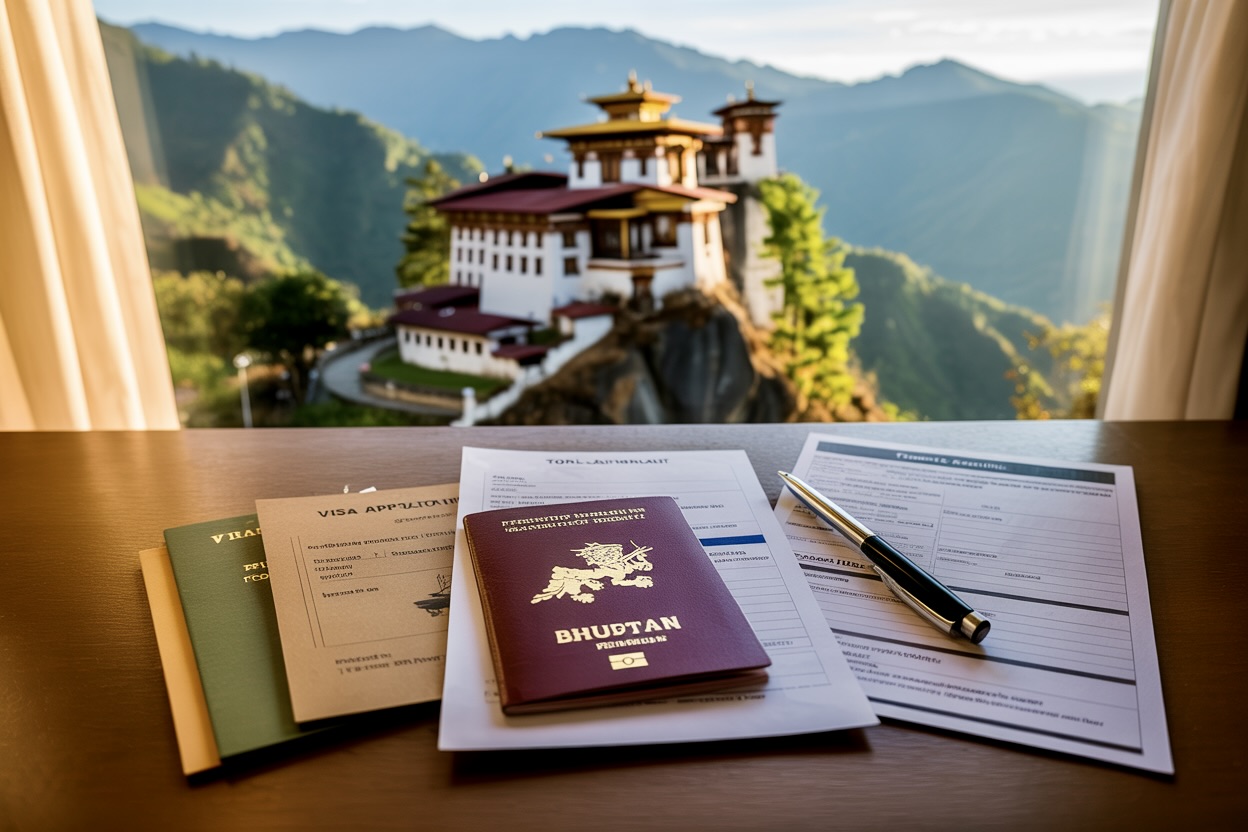
Traveling to Bhutan requires careful advance planning, particularly regarding visa requirements. All international travelers must obtain a pre-arranged Bhutan visa before arrival, with the notable exception of visitors from SAARC (South Asian Association for Regional Cooperation) countries and India. This pre-arrangement system ensures that all tourism activities align with Bhutan's sustainable tourism policies and cultural preservation efforts.
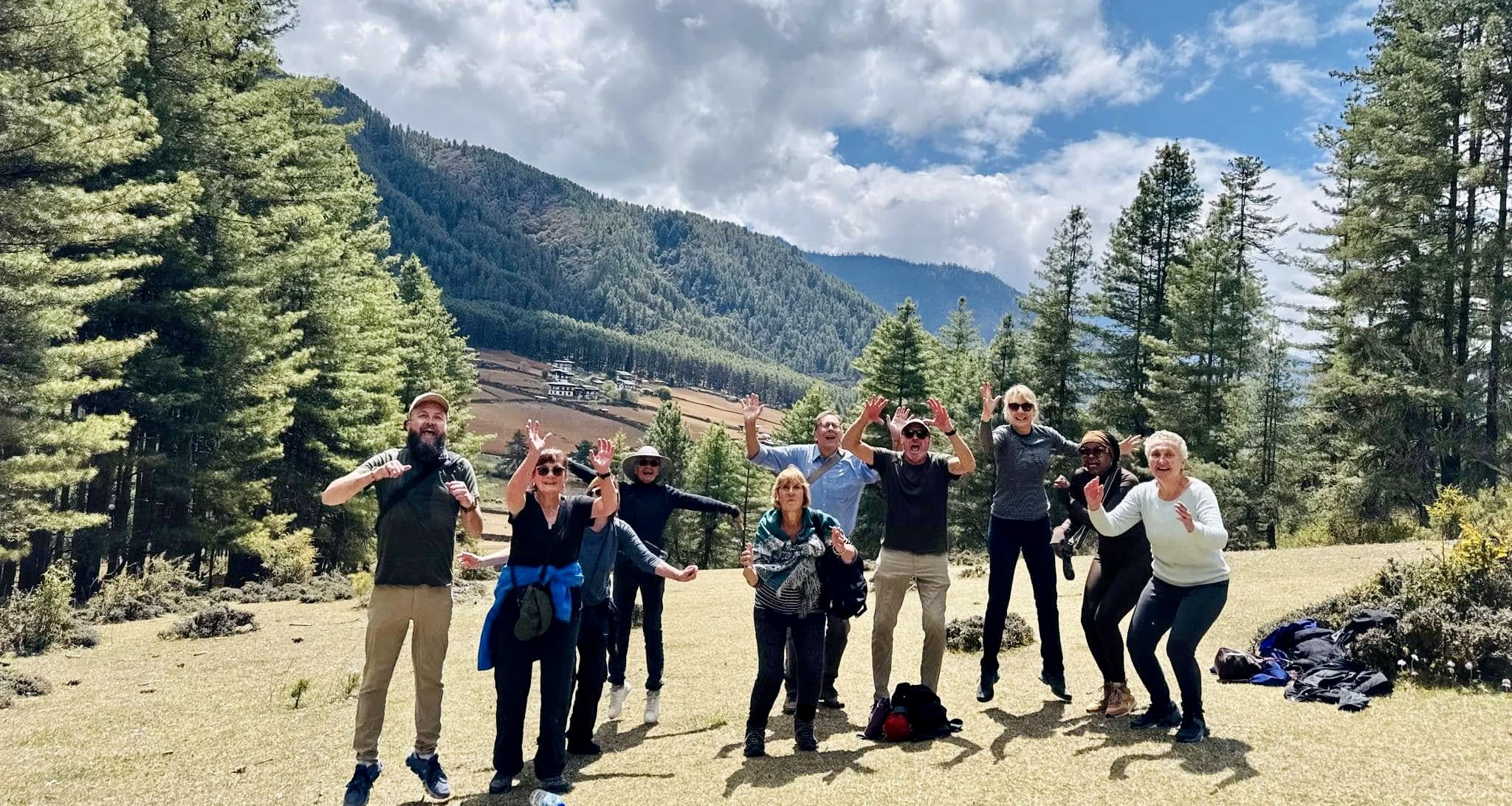
The visa application process must be completed through a licensed tour operator, as independent travel is not permitted for most international visitors. This requirement forms part of Bhutan's "High Value, Low Impact" tourism philosophy, ensuring that every visitor contributes meaningfully to the local economy while minimizing environmental impact.
Sustainable Development Fee Structure
Now that we have covered the visa requirements, it's essential to understand Bhutan's unique fee structure. The Sustainable Development Fee (SDF) stands at USD 100 per person per night. This fee represents a significant component of travel costs to Bhutan and serves multiple purposes within the kingdom's tourism framework.
The SDF directly funds various development projects, environmental conservation initiatives, and cultural preservation programs throughout Bhutan. This investment ensures that tourism revenue contributes to the country's Gross National Happiness index while maintaining the pristine natural environment and rich cultural heritage that make Bhutan such a unique destination.
Mandatory Licensed Tour Operator Bookings
With this fee structure in mind, next we'll examine the booking requirements. All tours to Bhutan must be arranged through a licensed tour operator, eliminating the possibility of independent travel for most international visitors. This mandatory requirement ensures that visitors receive proper guidance, cultural interpretation, and logistical support throughout their journey.
We possess extensive knowledge of local customs, regulations, and hidden gems that enhance the overall travel experience. They coordinate all aspects of the journey, from accommodation and transportation to cultural activities and permit arrangements for restricted areas.
Entry Points and Transportation Options
Previously mentioned requirements lead us to the practical aspects of reaching Bhutan. The kingdom offers limited but well-established entry points for international travelers. Air travel represents the primary access method, with flights to Paro Airport available from Nepal, India, Thailand, and Singapore. These flight connections provide convenient access from major Asian hubs, making Bhutan accessible despite its exclusive tourism policies.
For those preferring overland travel, entry from India remains possible through designated border crossings. This option particularly appeals to travelers already exploring the Indian subcontinent or those seeking a more gradual transition into Bhutanese culture and landscape.
Best Times to Visit Bhutan for Optimal Experience
Peak Season Benefits (March-May and September-November)
The optimal travel windows for visiting Bhutan fall during two distinct periods that offer the most favorable conditions for an exceptional journey. The months of March through May and September through November represent the peak season for international visitors, providing the ideal balance of weather conditions and cultural experiences. During these periods, travelers can expect the most reliable weather patterns and the clearest atmospheric conditions, making them the preferred choice for those seeking the ultimate Bhutanese adventure.

These peak seasons offer visitors the opportunity to experience Bhutan at its most accessible and visually stunning. The moderate temperatures during these months create comfortable conditions for exploring the country's diverse landscapes, from the subtropical lowlands to the towering Himalayan peaks. The consistent weather patterns during these periods also ensure that outdoor activities and sightseeing excursions proceed without weather-related disruptions.
Clear Sky Conditions and Weather Advantages
The peak travel periods are particularly renowned for offering clear skies that provide unobstructed views of Bhutan's spectacular mountain scenery. These clear sky conditions create exceptional visibility for experiencing the dramatic Himalayan landscape that defines much of Bhutan's natural beauty. The atmospheric clarity during these months allows visitors to fully appreciate the country's pristine environment and capture stunning photographs of the mountain vistas.
The weather advantages extend beyond mere visibility, as the stable atmospheric conditions contribute to more comfortable travel experiences throughout the country. These clear periods minimize the likelihood of weather-related travel delays and enhance the overall quality of outdoor exploration activities.
Festival Seasons and Cultural Events
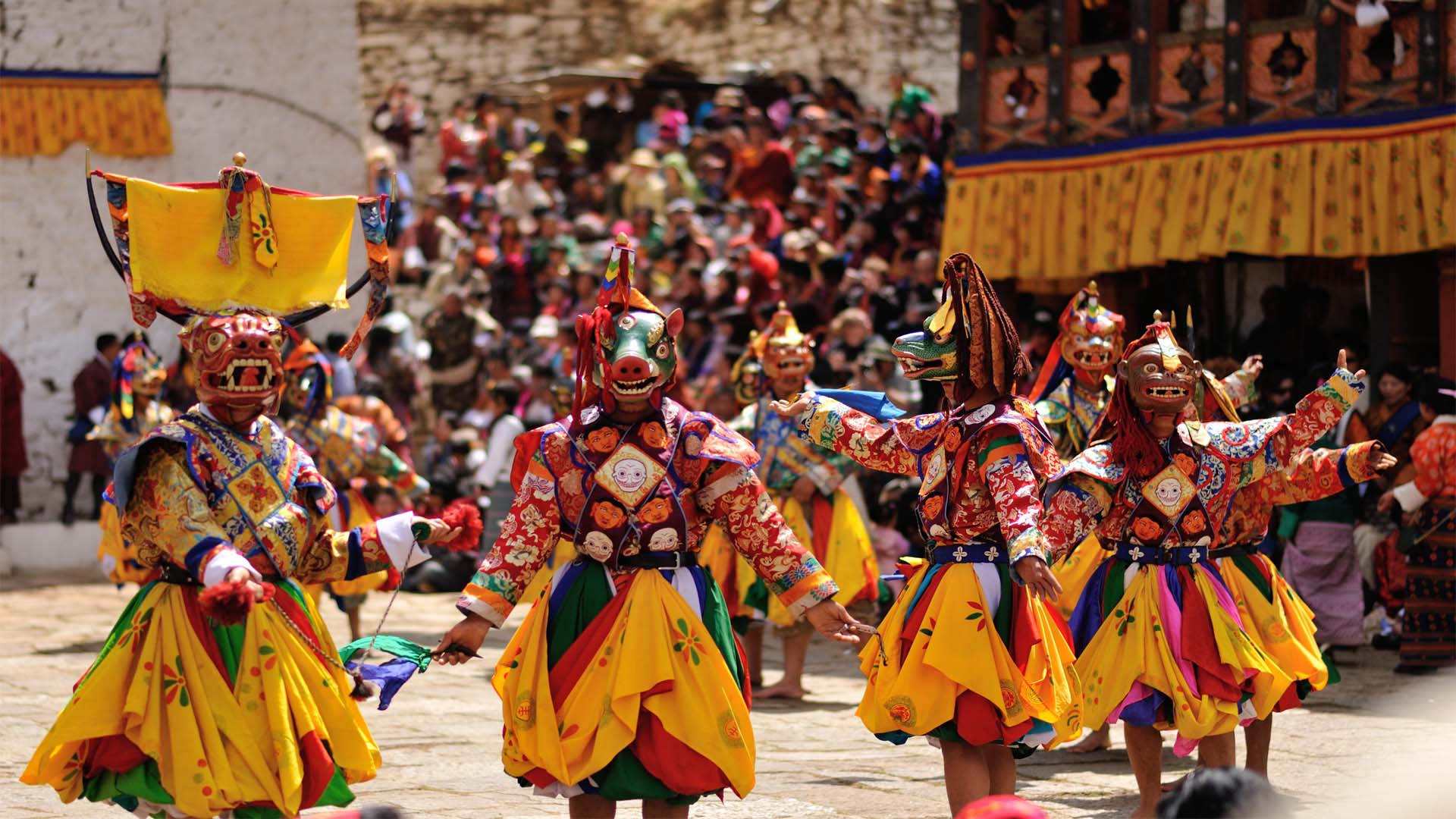
The peak travel months coincide perfectly with Bhutan's most significant festival seasons, offering visitors authentic cultural immersion opportunities. This period is particularly known for hosting numerous traditional festivals that showcase Bhutan's rich cultural heritage and spiritual traditions. The timing allows travelers to witness these spectacular cultural events that provide insight into the country's Buddhist traditions and local customs.
These festival seasons represent some of the most vibrant and colorful celebrations in Bhutan's cultural calendar, featuring traditional dances, music, and ceremonial displays that offer visitors unparalleled cultural experiences.
Seasonal Travel Planning Considerations
When planning travel during these optimal periods, visitors should consider the increased demand for accommodations and services that naturally accompany peak season travel. The popularity of these months among international visitors necessitates advance planning and early booking to secure preferred travel arrangements and accommodations.
Must-Visit Attractions and Cultural Highlights
Tiger's Nest Monastery and Spiritual Sites
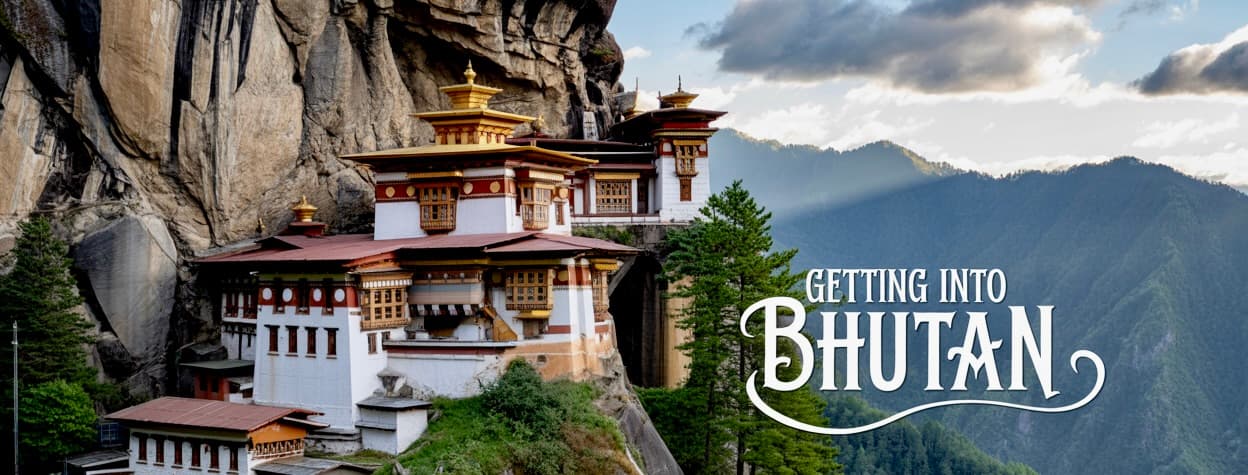
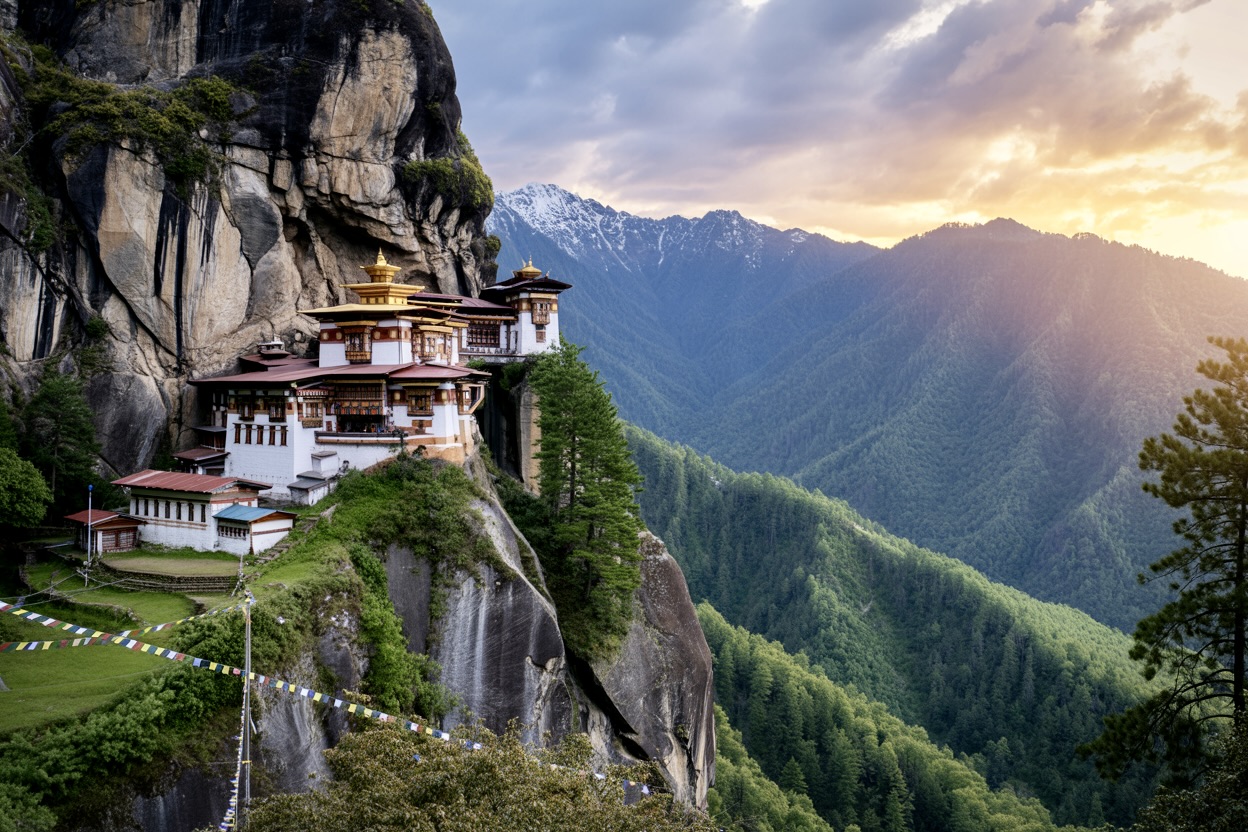
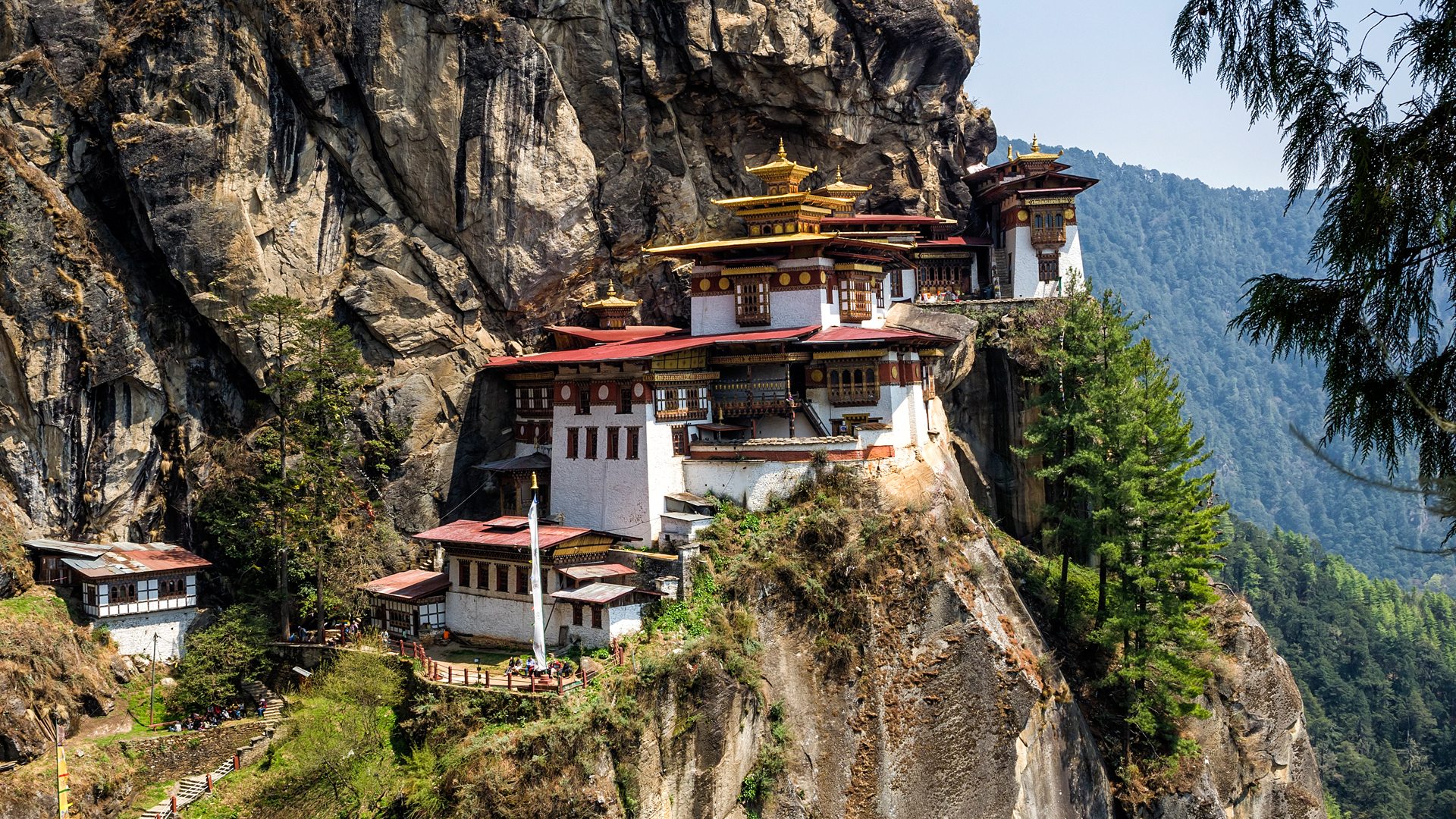
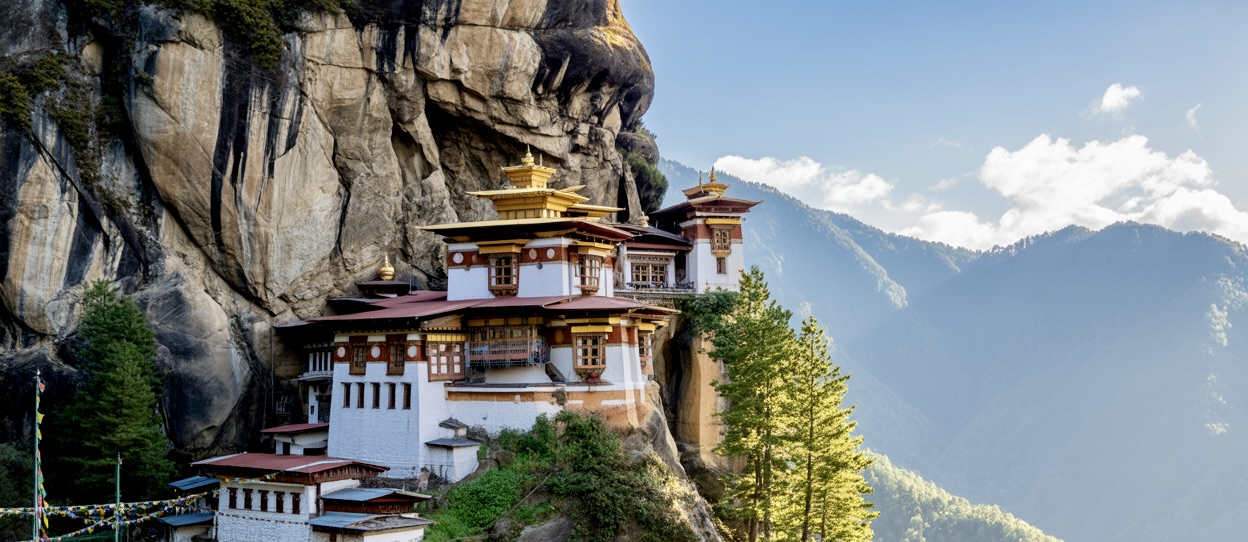
Tiger's Nest Monastery stands as Bhutan's most iconic spiritual destination, representing the pinnacle of the kingdom's rich Buddhist heritage. This sacred monastery, dramatically perched on a cliff face 900 meters above the Paro Valley, offers visitors an extraordinary glimpse into Bhutan's deep-rooted spiritual traditions. The monastery complex serves as a testament to the unwavering devotion and architectural ingenuity of Bhutanese craftsmen, who constructed this remarkable structure in seemingly impossible terrain.
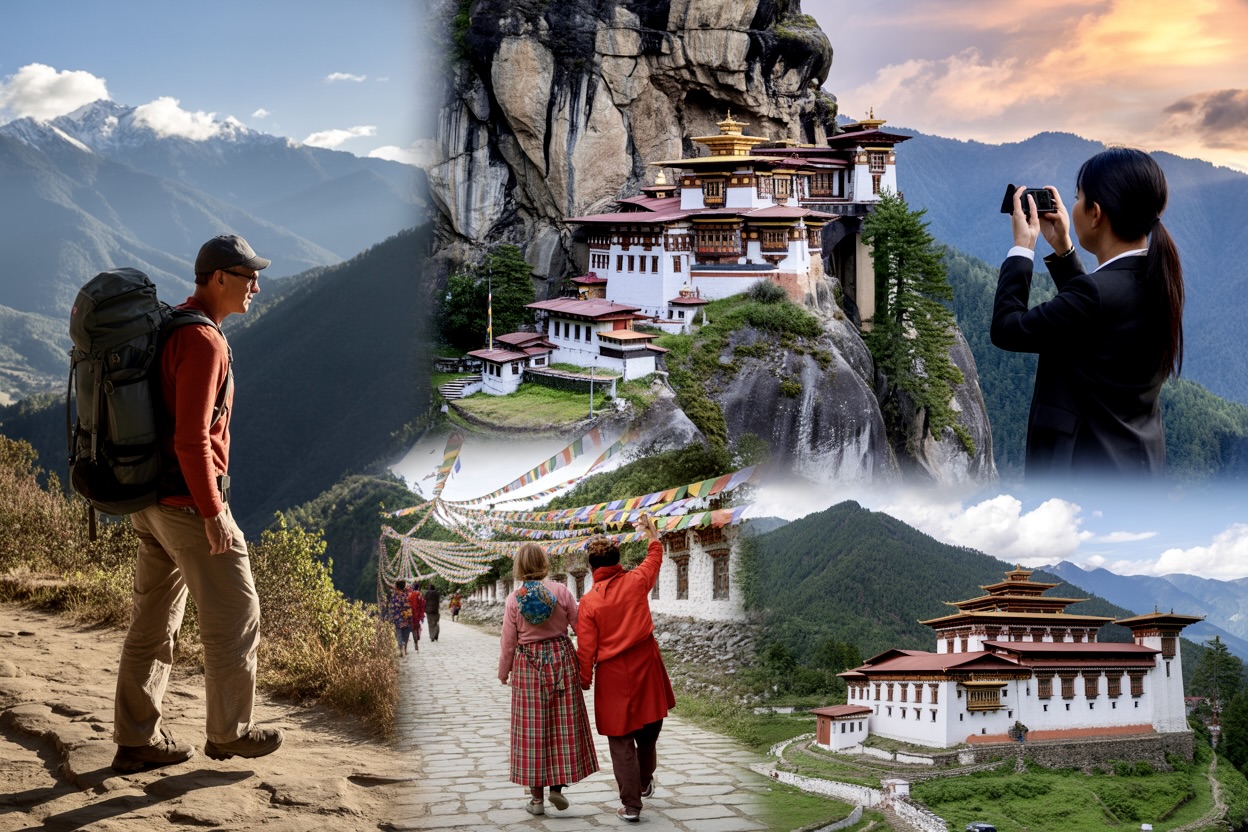
The journey to Tiger's Nest Monastery itself becomes a spiritual pilgrimage, requiring a challenging yet rewarding trek through pristine mountain forests. Visitors often describe the experience as transformative, with the monastery's peaceful atmosphere and stunning location providing moments of profound reflection and connection with Bhutan's spiritual essence.
Punakha Dzong and Historical Architecture
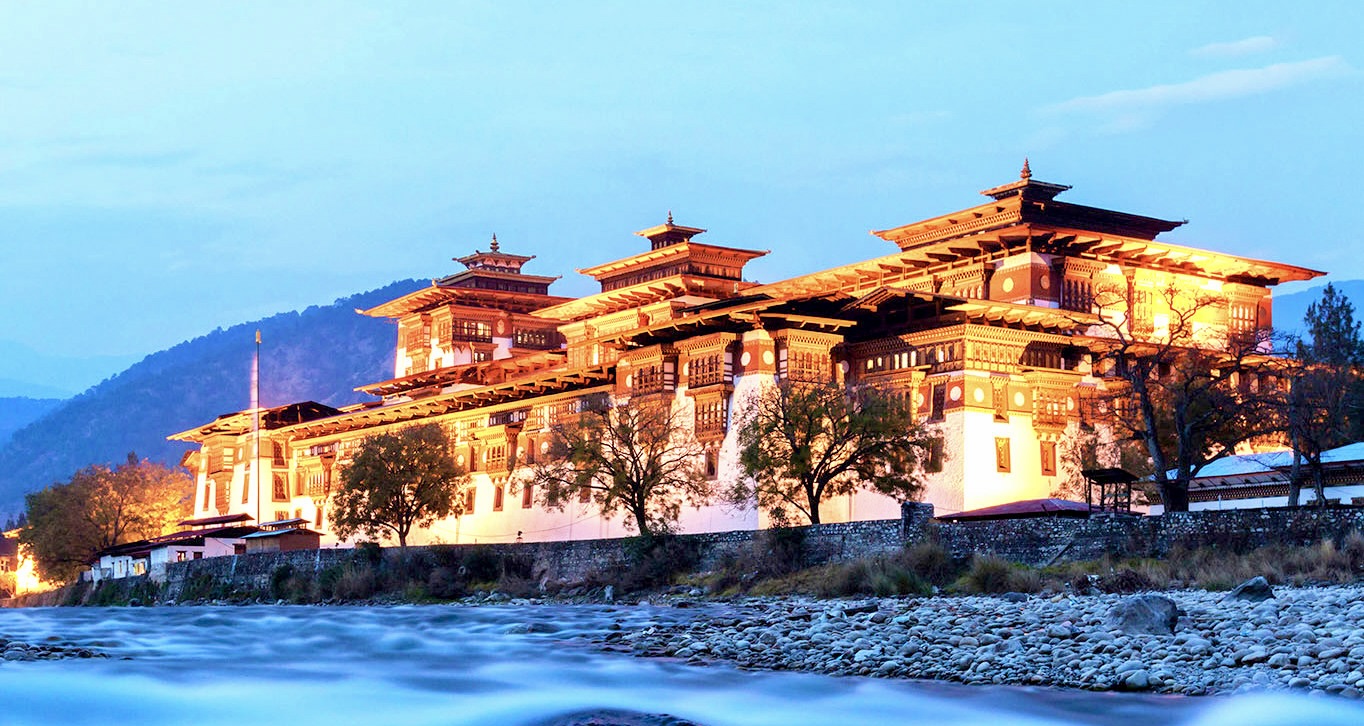
Now that we have explored Bhutan's spiritual heights, Punakha Dzong represents the architectural mastery and historical significance that define Bhutanese cultural identity. This magnificent fortress-monastery showcases the distinctive Bhutanese architectural style, featuring intricate woodwork, vibrant paintings, and strategic positioning at the confluence of two rivers.
Punakha Dzong serves as both an administrative center and spiritual sanctuary, embodying the unique fusion of temporal and religious governance that characterizes Bhutan's political system. The dzong's elaborate courtyards, towering walls, and ornate temples demonstrate the sophisticated building techniques passed down through generations of Bhutanese artisans.
Thimphu Capital City Exploration
With this appreciation for traditional architecture in mind, Thimphu, the capital city, presents visitors with a fascinating blend of ancient traditions and modern development. The capital offers an authentic window into contemporary Bhutanese life while maintaining its cultural authenticity through careful urban planning and preservation efforts.
Thimphu provides numerous opportunities to experience Bhutanese culture firsthand, from bustling weekend markets to traditional craft centers where visitors can observe skilled artisans creating intricate textiles, wood carvings, and metalwork. The capital city successfully balances modernization with cultural preservation, creating a unique urban environment that respects traditional values while embracing necessary progress.
Paro Valley and Natural Landscapes
Previously exploring urban and architectural wonders, Paro Valley showcases Bhutan's extraordinary natural beauty and pristine landscapes. This fertile valley encompasses some of the kingdom's most spectacular scenery, featuring terraced farmlands, ancient forests, and snow-capped mountain backdrops that create picture-perfect vistas at every turn.
Paro Valley serves as the gateway to many of Bhutan's most significant cultural and natural attractions, offering visitors diverse experiences from gentle nature walks through rhododendron forests to challenging mountain treks. The valley's pristine environment reflects Bhutan's commitment to environmental conservation and sustainable tourism practices.
Accommodation Options for Every Travel Style
Heritage Hotels and Traditional Stays
Now that we have covered the essential requirements for entering Bhutan, let's explore the accommodation landscape that awaits travelers. Heritage hotels form the backbone of Bhutan's hospitality sector, offering visitors an authentic glimpse into the kingdom's rich cultural heritage. These cozy heritage hotels provide more than just a place to rest; they serve as living museums where traditional Bhutanese architecture, craftsmanship, and hospitality converge to create memorable experiences.
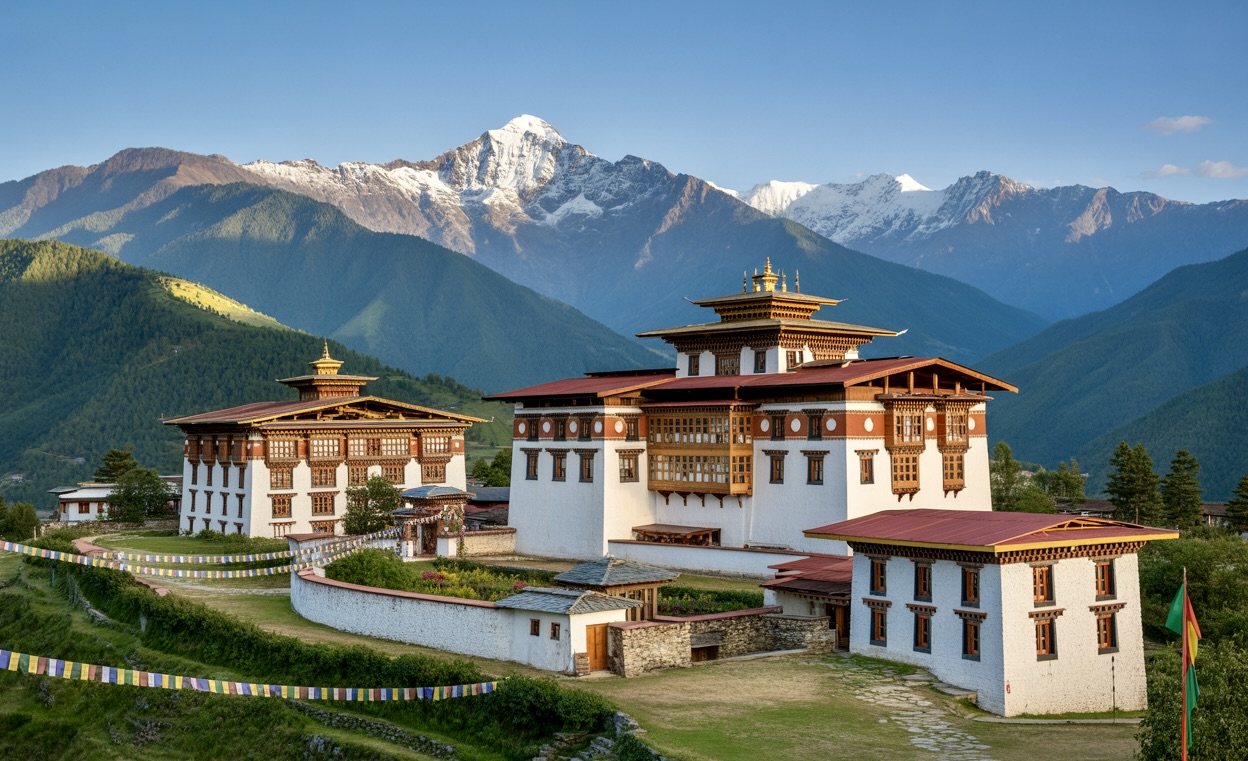
The charm of heritage accommodations lies in their ability to transport guests into Bhutan's storied past while providing modern comforts. These properties typically feature traditional wooden construction, intricate carvings, and locally sourced materials that reflect centuries-old building techniques. Guests can expect to find rooms adorned with handwoven textiles, traditional furnishings, and artwork that tells the story of Bhutanese culture.
Luxury Lodges by Six Senses and Amankora
With this in mind, next, we'll explore the pinnacle of luxury accommodation in Bhutan. For travelers seeking unparalleled comfort and sophistication, luxury lodges by Six Senses and Amankora represent the finest hospitality offerings in the kingdom. These world-renowned brands have established properties that seamlessly blend international luxury standards with authentic Bhutanese design principles.
Six Senses and Amankora lodges are strategically positioned across Bhutan's most scenic locations, providing guests with exclusive access to pristine natural environments while maintaining the highest levels of service and amenity standards. These luxury establishments cater to discerning travelers who appreciate exceptional attention to detail, personalized service, and immersive cultural experiences that go beyond conventional hospitality.
Boutique Properties and Local Hospitality
Previously established accommodation categories represent just part of Bhutan's diverse lodging landscape. The kingdom's hospitality sector continues to evolve with emerging boutique properties that offer unique approaches to guest experiences, though specific details about these establishments require further exploration for comprehensive coverage.
Comfort Levels and Booking Considerations
When planning accommodation in Bhutan, understanding comfort levels and booking procedures becomes essential for ensuring a smooth travel experience. The accommodation sector offers varying degrees of comfort and service standards, requiring careful consideration of individual preferences and travel requirements during the planning phase.
Travel Experiences and Journey Types
Spiritual Retreats and Meditation Programs
Bhutan offers spiritual retreats that provide an unparalleled opportunity for inner transformation and mindfulness practice. The kingdom's deeply rooted Buddhist heritage creates an authentic environment where visitors can engage in meaningful spiritual experiences. These retreats are designed to immerse participants in traditional meditation techniques, allowing for genuine spiritual growth within one of the world's most spiritually significant destinations.
The retreat programs typically incorporate ancient Buddhist practices that have been preserved for centuries in Bhutan's monasteries and meditation centers. Participants can experience guided meditation sessions led by experienced practitioners who understand the profound teachings of Bhutanese Buddhism. These spiritual journeys offer a rare chance to disconnect from modern distractions and focus entirely on personal spiritual development.
Cultural Exploration and Local Immersion
Bhutan provides opportunities for cultural exploration that allow travelers to experience the authentic essence of this remarkable Himalayan kingdom. The cultural immersion experiences enable visitors to engage directly with local communities, witnessing traditional ways of life that have remained largely unchanged for generations.
These cultural exploration programs offer deep insights into Bhutanese customs, festivals, and daily practices. Travelers can participate in traditional ceremonies, learn about ancient crafts, and understand the philosophical foundations that guide Bhutanese society. The local immersion experiences create meaningful connections between visitors and residents, fostering genuine cultural exchange and understanding.
Luxury Escapes and Premium Services
Bhutan is suitable for luxury escapes that combine the kingdom's unique cultural heritage with world-class hospitality and premium amenities. These luxury experiences ensure that discerning travelers can explore Bhutan's wonders while enjoying exceptional comfort and personalized service throughout their journey.
The luxury escape options provide exclusive access to Bhutan's most remarkable destinations while maintaining the highest standards of accommodation and service. Premium services include personalized itineraries, private guides, and carefully curated experiences that showcase the best of Bhutanese culture, nature, and spirituality in an atmosphere of refined elegance.
Adventure Activities and Nature Experiences
Previously, we've explored the spiritual and cultural dimensions of Bhutan, and with this in mind, it's important to note that while adventure activities and nature experiences are certainly part of what makes Bhutan special, specific details about these offerings require further exploration beyond the current available information to provide comprehensive guidance for travelers seeking outdoor adventures in this pristine Himalayan destination.
Practical Travel Information and Tips
Currency and Payment Methods
Now that we have covered the essential planning aspects of your Bhutan journey, understanding the financial landscape becomes crucial for a smooth travel experience. While specific currency and payment information is not readily available through standard channels, travelers should prepare for a unique monetary system that reflects Bhutan's distinctive approach to tourism and commerce. The Kingdom of Bhutan maintains its own financial infrastructure that visitors must navigate carefully.
Payment methods in Bhutan may differ significantly from Western standards, requiring advance preparation and consultation with authorized tour operators. Luxury Holidays Nepal recommends coordinating with local representatives to understand accepted payment forms and currency exchange protocols before departure.
Health and Safety Considerations
Previously, we've discussed the logistical requirements for entry, but health and safety preparation demands equal attention. Comprehensive health and safety data requires verification through official medical and governmental sources, as general information may not capture the current situation accurately.
Travelers should consult healthcare professionals familiar with Himalayan region requirements and current health advisories. Safety protocols in Bhutan's unique geographical and cultural environment necessitate specialized guidance from experienced operators who understand local conditions and emergency procedures.
Cultural Etiquette and Dress Codes
With accommodation and travel experiences in mind, next, we'll examine the cultural considerations that enhance respectful interaction with Bhutanese society. Cultural etiquette and appropriate dress codes reflect Bhutan's deep-rooted traditions and spiritual values, though specific guidelines require consultation with cultural experts and local guides.
Bhutan's commitment to preserving its cultural identity means visitors should approach dress codes and behavioral expectations with sensitivity. Professional tour operators like Luxury Holidays Nepal provide detailed cultural briefings to ensure travelers understand and respect local customs throughout their journey.
Communication and Connectivity Options
Communication infrastructure in Bhutan requires specific planning due to the kingdom's unique technological landscape. Connectivity options may vary significantly from typical international standards, necessitating advance arrangements for reliable communication during your stay.
Travelers should coordinate communication needs through established tour operators who understand local connectivity limitations and solutions. Digital communication requirements, including internet access and international calling capabilities, benefit from professional guidance to ensure seamless connectivity throughout your Bhutanese adventure.
The mystical Kingdom of Bhutan offers an extraordinary travel experience that seamlessly blends ancient traditions with sustainable tourism practices. From the essential visa requirements and Sustainable Development Fee to the breathtaking attractions like Tiger's Nest Monastery and Punakha Dzong, every aspect of your journey requires careful planning through licensed tour operators. The country's commitment to preserving its cultural heritage while providing luxury accommodations ensures that visitors can enjoy both authentic experiences and modern comfort.
Whether you're seeking spiritual enlightenment at sacred monasteries, exploring vibrant festivals during the optimal travel seasons, or indulging in world-class hospitality at heritage hotels and luxury lodges, Bhutan promises a transformative adventure. With convenient entry points from major regional hubs and expert guidance from experienced tour operators, your journey to the Last Shangri-La awaits. Start planning your customized Bhutan itinerary today and discover why this carbon-negative kingdom continues to captivate travelers from around the world.
Frequently Asked Questions (FAQs)
1. Do I need a visa to enter Bhutan?
Yes. Most international travelers need a visa to enter Bhutan. The visa is arranged in advance through a licensed Bhutanese tour operator and approved before arrival.
2. Can I travel independently in Bhutan?
No. Bhutan does not allow independent travel for most foreign visitors. You must book your trip through a registered tour operator who manages your itinerary, accommodation, transport, guide, and visa.
3. Who does NOT need a Bhutan visa?
Citizens of India, Bangladesh, and the Maldives do not need a traditional tourist visa. However, they still require an entry permit and must pay the applicable Sustainable Development Fee (SDF).
4. How do I apply for a Bhutan visa?
You don’t apply directly. Once you confirm your trip with a licensed tour operator, they submit your visa application to Bhutan’s tourism authorities on your behalf.
5. Where is the main international entry point to Bhutan?
Most travelers enter Bhutan by air through Paro International Airport, the country’s only international airport. Flights are limited and must be booked in advance.
6. Can I enter Bhutan by land?
Yes. Overland entry is possible via border towns such as Phuentsholing, Samdrup Jongkhar, and Gelephu. Entry is still arranged and managed by your tour operator.
7. What is the Sustainable Development Fee (SDF)?
The SDF is a daily fee paid by visitors to support Bhutan’s education, healthcare, infrastructure, and environmental conservation. It is mandatory and separate from tour costs.
8. When is the best time to visit Bhutan?
The best seasons are spring (March–May) and autumn (September–November). These months offer clear weather, pleasant temperatures, and major cultural festivals.
9. How long does it take to get a Bhutan visa approval?
Visa approval usually takes a few working days once all documents and payments are submitted. It’s recommended to book your trip well in advance, especially during peak seasons.
10. Is Bhutan suitable for luxury travelers?
Yes. Bhutan offers high-end resorts, private guided tours, scenic flights, and curated cultural experiences, making it ideal for travelers seeking comfort, exclusivity, and authenticity.
11. What documents do I need on arrival in Bhutan?
You’ll need your passport, visa clearance letter (issued before travel), and travel documents provided by your tour operator. The visa stamp is issued on arrival.
12. Can I combine Bhutan with Nepal or India in one trip?
Yes. Bhutan is commonly combined with Nepal or India. Flights and overland routes make multi-country itineraries convenient when arranged through an experienced operator.