
Bhutan Travel Guide – Essential Tips Before You Visit
Bhutan is a mystical destination known for its untouched landscapes, rich traditions, and unique philosophy of Gross National Happiness. Unlike many modern destinations, Bhutan has carefully preserved its culture, environment, and spiritual heritage, offering travelers an experience that feels authentic and deeply meaningful. From ancient monasteries perched on dramatic cliffs to peaceful valleys surrounded by snow-capped mountains, Bhutan offers a rare sense of serenity and connection with nature.
Whether you are seeking cultural exploration, spiritual retreats, scenic hikes, or luxury Himalayan experiences, Bhutan has something truly special to offer. Visitors can explore colorful festivals, traditional Bhutanese architecture, sacred temples, and breathtaking landscapes while enjoying the warmth and hospitality of the local people. If you are planning a journey to this extraordinary kingdom, this Bhutan travel guide covers everything you need to know before visiting Bhutan, including the best places, travel costs, visa information, food, culture, and travel tips.
Why Visit Bhutan
Bhutan is not just another travel destination — it is a place where ancient traditions, spiritual values, and untouched natural beauty come together in perfect harmony. Unlike crowded tourist hotspots, Bhutan offers a peaceful and authentic experience that allows travelers to truly disconnect from busy modern life and reconnect with nature and culture. The country is known for its breathtaking Himalayan landscapes, centuries-old monasteries, colorful festivals, and warm hospitality. Bhutan’s focus on sustainable tourism and its philosophy of Gross National Happiness make every journey feel meaningful rather than commercialized. Whether you are looking for adventure, cultural immersion, spiritual healing, or luxury travel, Bhutan delivers a once-in-a-lifetime experience that leaves a lasting impression on every visitor.
Why People Love Visiting Bhutan:
-
Stunning Himalayan mountain views and peaceful valleys
-
Ancient monasteries and sacred Buddhist sites
-
Unique culture preserved through traditions and festivals
-
Safe, clean, and environmentally conscious destination
-
Warm hospitality and friendly local people
-
Exclusive travel experience away from mass tourism
-
Opportunities for hiking, trekking, and nature exploration
-
Luxury resorts and wellness retreats surrounded by nature
-
Spiritual atmosphere perfect for relaxation and mindfulness
-
Rich cultural festivals like Paro Tsechu and traditional masked dances
Best Time to Visit Bhutan
Bhutan is a year-round destination, with each season offering a different travel experience. From colorful spring blooms to clear autumn mountain views, Bhutan’s changing landscapes make every visit unique. Choosing the right season depends on whether you prefer festivals, trekking, photography, cultural experiences, or peaceful travel.
Spring (March to May): Spring is considered one of the best times to visit Bhutan. The valleys and hills come alive with blooming rhododendrons, fresh greenery, and pleasant weather. This season is perfect for sightseeing, hiking, photography, and enjoying clear Himalayan views.
Summer / Monsoon (June to August): Summer brings monsoon rains, especially in southern regions, but it also transforms Bhutan into a lush green paradise. The countryside becomes vibrant and beautiful, making it ideal for nature lovers and travelers looking for fewer crowds and peaceful experiences.
Autumn (September to November): Autumn is another peak travel season in Bhutan, known for crystal-clear skies and stunning mountain scenery. The weather is comfortable, making it ideal for trekking, cultural tours, and attending famous Bhutanese festivals like Thimphu Tsechu.
Winter (December to February): Winter in Bhutan is cold, especially in higher regions, but it offers calm and less crowded travel experiences. Snow-covered mountains create breathtaking landscapes, while lower valleys remain pleasant for cultural sightseeing and photography.
Best Places to Visit in Bhutan
Bhutan is filled with breathtaking destinations that combine natural beauty, spirituality, and rich cultural heritage. From peaceful valleys and ancient monasteries to vibrant towns and scenic mountain landscapes, every region in Bhutan offers a unique travel experience. Whether you are visiting for adventure, cultural exploration, or relaxation, these are some of the best places to visit in Bhutan.
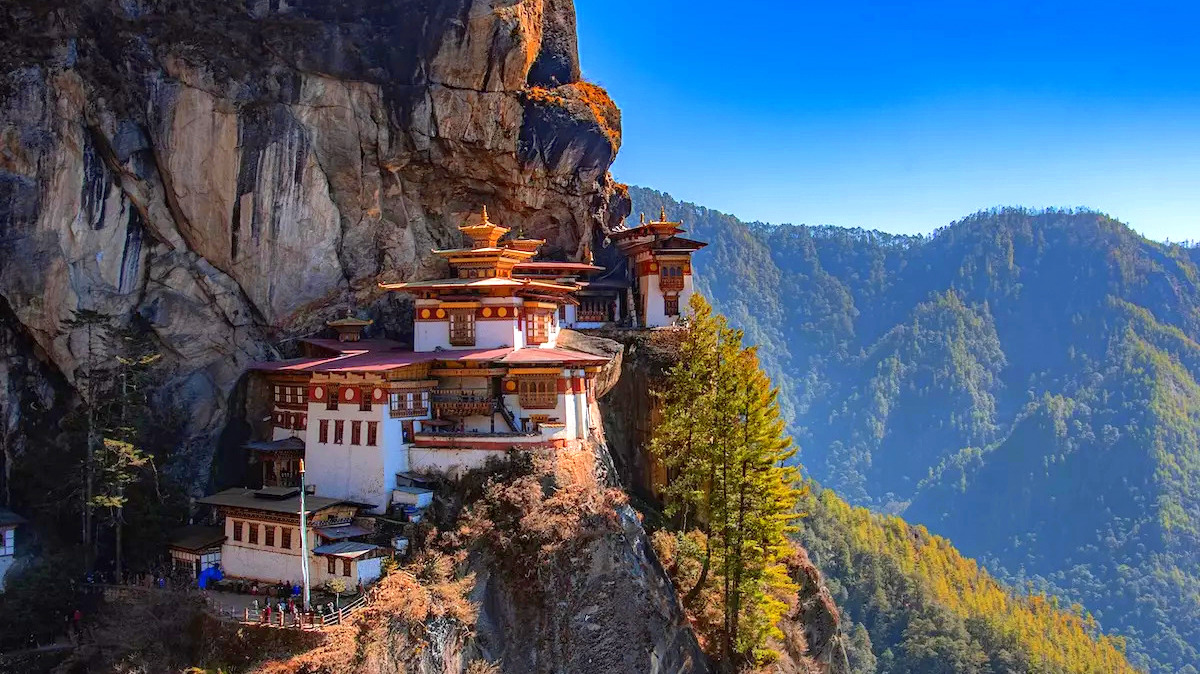
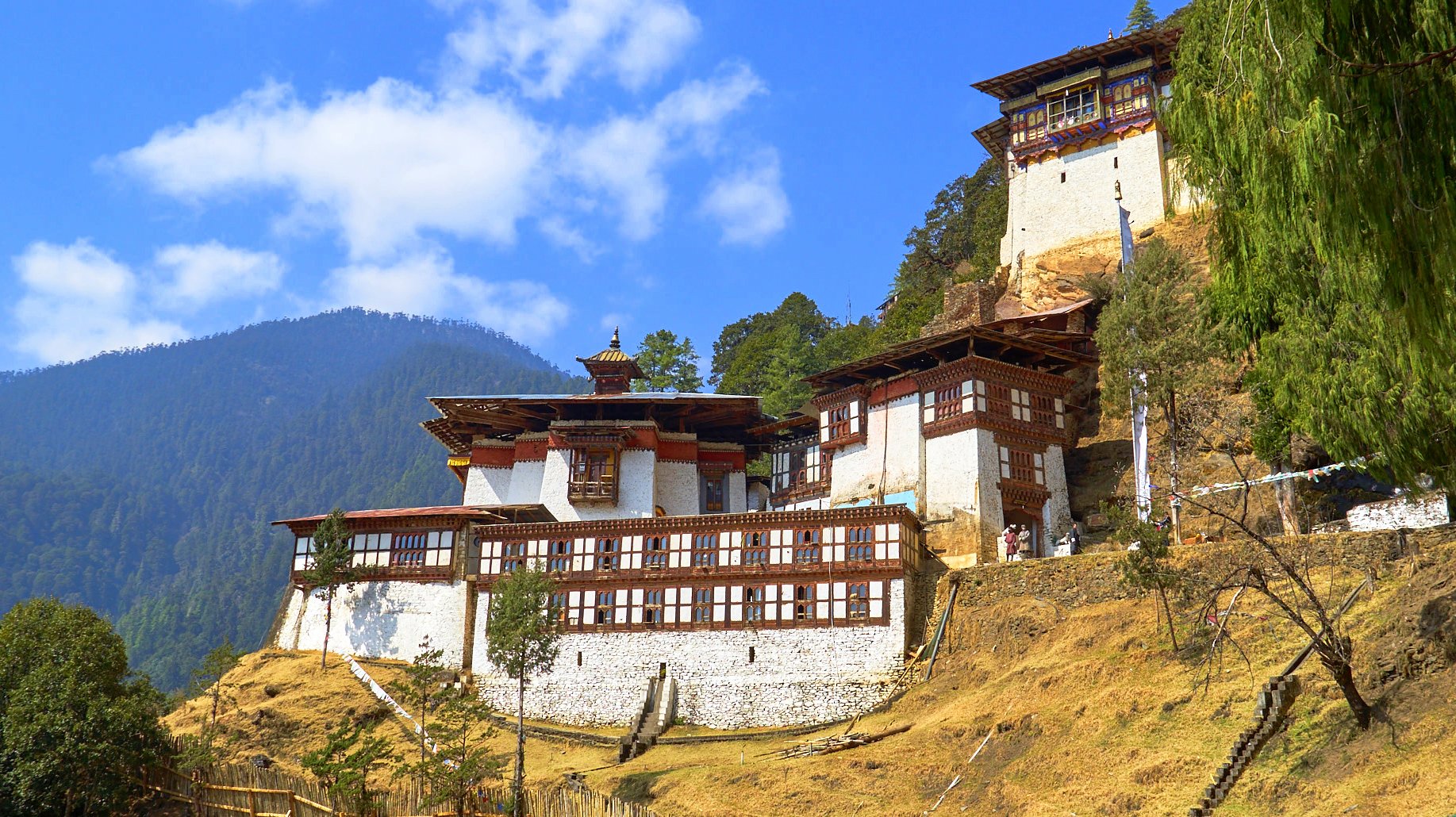
Paro: Paro is one of the most popular destinations in Bhutan and the main gateway for international travelers. Surrounded by beautiful valleys and mountains, Paro is home to the iconic Tiger’s Nest Monastery, one of Bhutan’s most sacred landmarks. Visitors can also explore traditional Bhutanese architecture, museums, and ancient temples while enjoying stunning Himalayan scenery.
Thimphu: Thimphu, the capital of Bhutan, perfectly blends tradition with modern development. The city is famous for the giant Buddha Dordenma statue overlooking the valley. Travelers can visit local markets, handicraft shops, monasteries, museums, and cultural sites while experiencing Bhutan’s urban lifestyle and traditions.
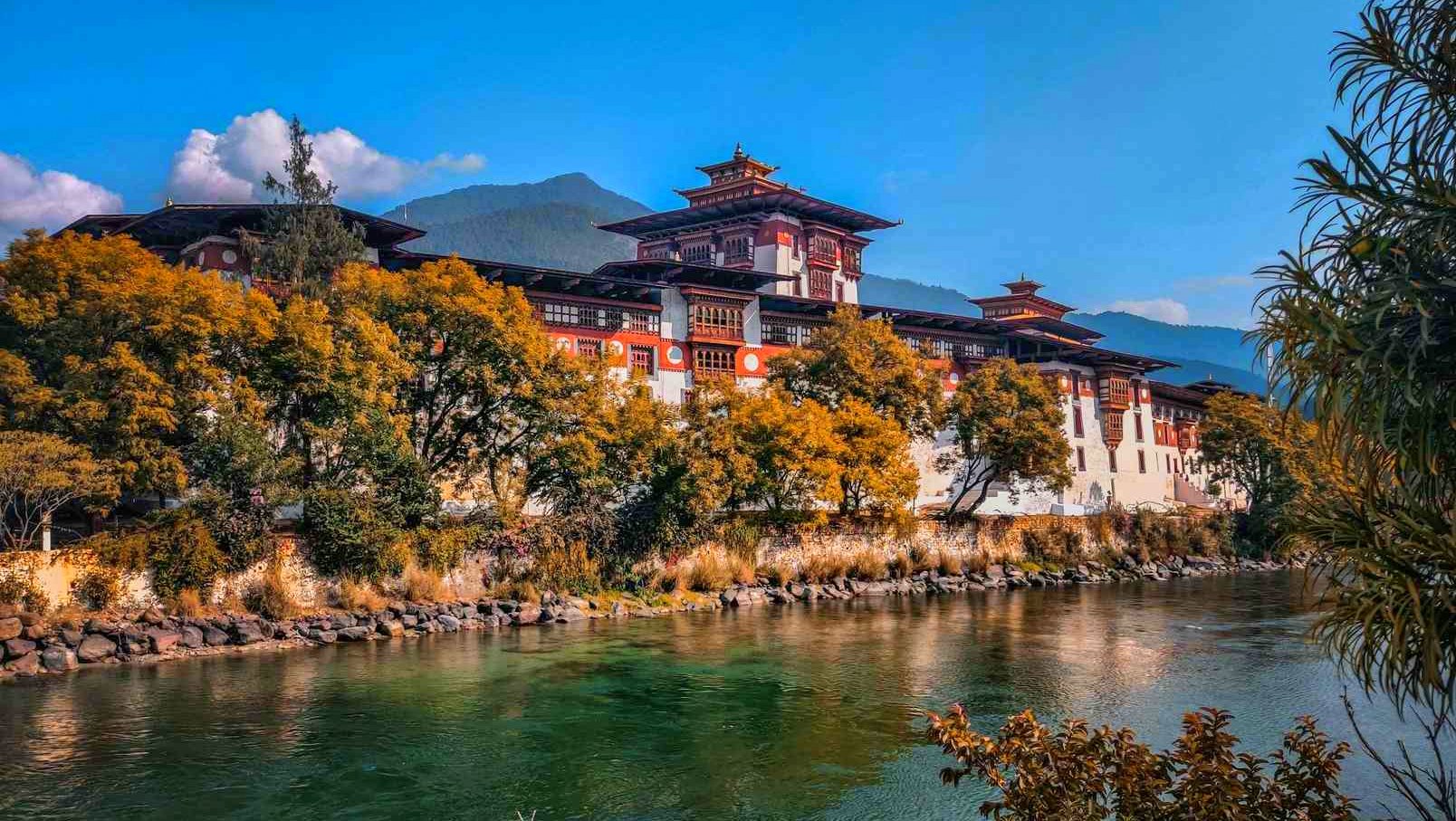
Punakha: Punakha is known for its warmer climate, beautiful landscapes, and historical importance. The stunning Punakha Dzong, located between two rivers, is considered one of the most beautiful dzongs in Bhutan. The region also offers scenic suspension bridges, rice fields, river rafting, and peaceful countryside views.
Phobjikha Valley: Phobjikha Valley is a peaceful and picturesque glacial valley surrounded by forests and rolling hills. It is famous for the endangered black-necked cranes that migrate here during winter. This valley is ideal for nature lovers, eco-tourism, photography, and travelers seeking quiet and relaxing experiences.
Bumthang: Bumthang is often called the spiritual heart of Bhutan because of its many ancient monasteries and sacred temples. The region offers deep cultural experiences, beautiful villages, apple orchards, and scenic landscapes that reflect Bhutan’s traditional way of life.
Haa Valley: Haa Valley is one of Bhutan’s lesser-explored gems, offering untouched beauty and authentic cultural experiences. Surrounded by mountains and traditional villages, Haa Valley is perfect for travelers looking to escape crowds and enjoy peaceful Himalayan landscapes.
Dochula Pass: Dochula Pass is a famous mountain pass located between Thimphu and Punakha. Known for its 108 memorial chortens and panoramic Himalayan views, it is one of the most scenic stops in Bhutan, especially during clear weather.
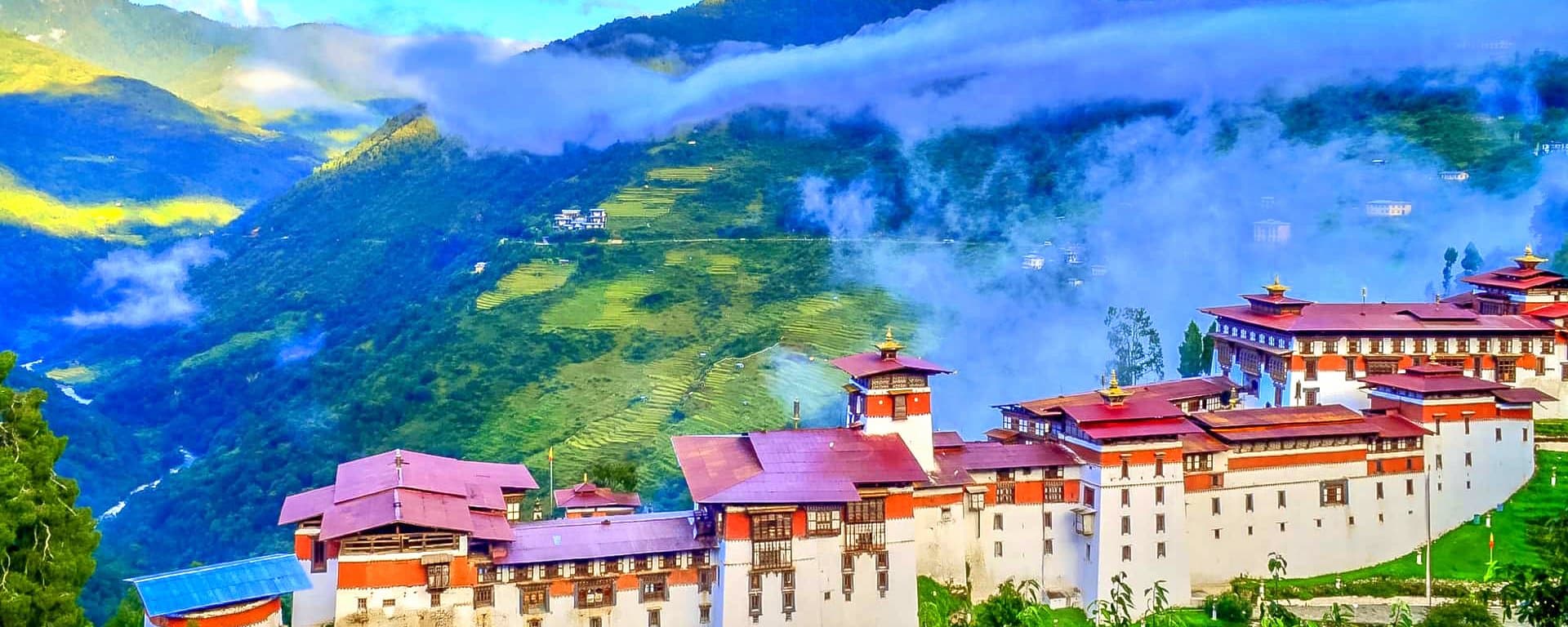
Trongsa: Trongsa is an important historical and cultural destination in central Bhutan. The massive Trongsa Dzong overlooks the valley and showcases Bhutan’s royal history and traditional architecture.
Wangdue Phodrang: Wangdue Phodrang is known for its beautiful landscapes, traditional villages, and rich cultural heritage. It is a great place for nature walks, local interactions, and exploring rural Bhutanese life.
Jigme Dorji National Park: Jigme Dorji National Park is one of the best places in Bhutan for trekking and wildlife experiences. The park is home to rare Himalayan animals, glaciers, forests, and remote mountain scenery, making it ideal for adventure travelers and nature enthusiasts.
Best Things to Do in Bhutan
Bhutan offers much more than sightseeing — it provides meaningful travel experiences filled with culture, spirituality, adventure, and natural beauty. Whether you want to hike through Himalayan landscapes, explore ancient monasteries, experience colorful festivals, or simply relax in peaceful valleys, Bhutan has activities for every type of traveler. The country’s untouched environment and rich traditions make every moment feel authentic and memorable.
Best Things to Do in Bhutan:
-
Hike to Tiger’s Nest Monastery for breathtaking mountain views and spiritual experiences
-
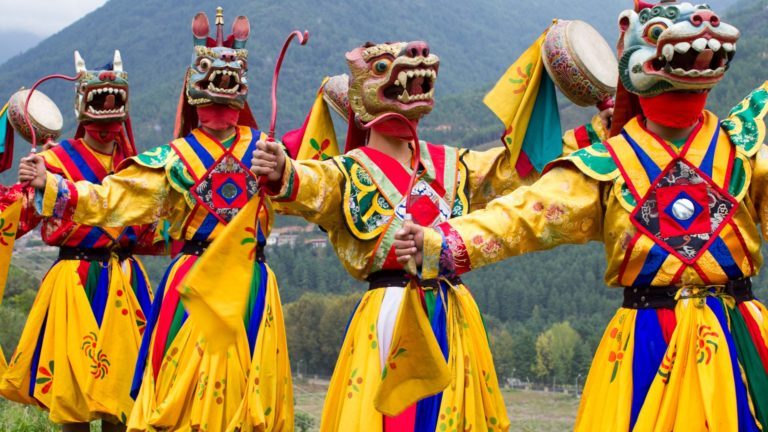
Attend traditional festivals like Paro Tsechu and enjoy masked dances, music, and local celebrations
-
Explore beautiful dzongs such as Punakha Dzong and Trongsa Dzong
-
Visit the giant Buddha Dordenma in Thimphu
-
Experience traditional Bhutanese culture and interact with friendly local communities
-
Enjoy scenic hikes and nature walks through valleys like Phobjikha Valley
-
Try authentic Bhutanese dishes, including Ema Datshi
-
Go trekking in the Himalayas for incredible mountain landscapes and remote village experiences
-
Visit ancient monasteries, temples, and meditation sites across Bhutan
-
Explore local handicraft markets and traditional Bhutanese art
-
Experience luxury wellness retreats and hot stone baths surrounded by nature
-
Enjoy river rafting and outdoor adventure activities in Punakha
-
Watch black-necked cranes during winter in Phobjikha Valley
-
Take photography tours to capture Bhutan’s landscapes, culture, and festivals
-
Learn about Bhutan’s unique philosophy of Gross National Happiness through cultural experiences
Bhutan Travel Cost
Bhutan follows a unique “High Value, Low Impact” tourism policy, which helps preserve the country’s culture and environment while offering travelers a premium experience. Unlike many destinations, most Bhutan tour packages include accommodation, meals, transportation, a licensed guide, and sightseeing, making travel smooth and convenient.
The cost of traveling in Bhutan depends on your travel style and hotel category. On average, standard tours cost around $100–$200 per day, while luxury travel can range from $500 or more per day. International visitors are also required to pay a Sustainable Development Fee (SDF), which supports Bhutan’s education, healthcare, and environmental conservation.
What Is Usually Included?
-
Hotel accommodation
-
Licensed tour guide
-
Private transportation
-
Meals during the trip
-
Sightseeing and entry fees
Additional Costs
-
International flights
-
Sustainable Development Fee (SDF)
-
Travel insurance
-
Personal expenses and shopping
Although Bhutan may seem more expensive than other Asian destinations, the country offers a unique, peaceful, and highly organized travel experience that many visitors consider worth the cost.
Bhutan Visa Information
Traveling to Bhutan requires a visa for most international travelers, except citizens of India, Bangladesh, and the Maldives. Bhutan visas are usually arranged through a licensed Bhutanese tour operator as part of your travel package, and independent travel is generally not permitted for foreign visitors.
To apply for a Bhutan visa, travelers must have a passport valid for at least six months from the date of entry. Once your tour is confirmed and payment is completed, the visa approval is processed before your arrival. Visitors receive a visa clearance letter, which is checked before boarding their flight to Bhutan.
Important Bhutan Visa Information:
-
Visa required for most international travelers
-
Visa processed through a licensed tour operator
-
The passport must be valid for at least 6 months
-
Independent travel is restricted
-
Visa approval is issued before arrival
-
Citizens of India, Bangladesh, and the Maldives have different entry requirements
It is always recommended to check the latest visa rules and travel updates before planning your trip to Bhutan.
Suggested Bhutan Itineraries
Bhutan offers a perfect mix of culture, spirituality, nature, and Himalayan beauty. Whether you have a few days or a longer vacation, Bhutan has itineraries suitable for every traveler. Here are some recommended Bhutan itineraries to help you plan your journey.
5-Day Bhutan Itinerary
Day 1: Arrival in Paro – Drive to Thimphu
Day 2: Explore Thimphu
Day 3: Drive to Paro
Day 4: Hike to Tiger’s Nest Monastery
Day 5: Departure from Paro
7-Day Bhutan Itinerary
Day 1: Arrival in Paro – Drive to Thimphu
Day 2: Full-Day Sightseeing in Thimphu
Day 3: Drive to Punakha
Day 4: Explore Punakha
Day 5: Return to Paro
Day 6: Tiger’s Nest Monastery Hike
Day 7: Departure
10-Day Bhutan Itinerary
Day 1: Arrival in Paro – Transfer to Thimphu
Day 2: Explore Thimphu
Day 3: Drive to Punakha
Day 4: Punakha Exploration
Day 5: Drive to Phobjikha Valley
Day 6: Drive to Bumthang
Day 7: Explore Bumthang
Day 8: Return Journey to Punakha
Day 9: Drive to Paro
Day 10: Tiger’s Nest Hike & Departure
Luxury Travel in Bhutan
Bhutan is one of the world’s most exclusive luxury travel destinations, offering a rare combination of privacy, untouched nature, and deeply personalized experiences. Unlike conventional luxury destinations, Bhutan focuses on meaningful luxury—where comfort meets culture, and exclusivity blends with sustainability. Travelers can enjoy peaceful Himalayan landscapes, private guided tours, and carefully curated cultural experiences far away from mass tourism.
Luxury stays in Bhutan are designed to reflect the country’s traditional architecture and natural surroundings while providing world-class comfort. High-end lodges and resorts offer exceptional hospitality, wellness experiences, and immersive cultural activities such as private monastery visits, meditation sessions, and customized trekking routes. One of the most renowned luxury collections is Amankora, known for its elegant design, serene locations, and seamless service across Bhutan's valleys.
Key Highlights of Luxury Travel in Bhutan:
-
Exclusive boutique resorts and luxury lodges in scenic locations
-
Private guided tours with expert local guides
-
Personalized cultural experiences and monastery visits
-
Wellness retreats, spa treatments, and meditation sessions
-
Scenic helicopter rides and premium trekking experiences
-
Fine dining with authentic Bhutanese and international cuisine
-
Seamless, all-inclusive travel packages with premium services
Luxury travel in Bhutan is not just about comfort—it is about experiencing the country in a deeper, more intimate way while enjoying complete peace, privacy, and authenticity.
Bhutan vs Nepal Travel
Bhutan is best known for its exclusive, peaceful, and highly controlled tourism model. The country focuses on preserving its culture, environment, and traditions through a “High Value, Low Impact” policy, which ensures fewer tourists and more meaningful experiences. Travelers in Bhutan enjoy guided tours, well-organized itineraries, and a calm atmosphere surrounded by untouched Himalayan landscapes, ancient monasteries, and deep spiritual heritage. It is ideal for those seeking luxury, cultural immersion, and a slow, mindful travel experience.
Nepal, on the other hand, is a more open, diverse, and adventure-driven destination. It is famous for world-class trekking routes like Everest Base Camp, vibrant cities such as Kathmandu and Pokhara, and a wide range of budget to luxury travel options. Nepal offers more flexibility for independent travelers and attracts adventure seekers, trekkers, and backpackers from around the world. While Bhutan provides exclusivity and structured travel, Nepal delivers variety, accessibility, and a strong sense of adventure—making both countries unique but very different Himalayan experiences.
Overall, Bhutan is perfect for calm, curated, and cultural journeys, while Nepal is ideal for adventure, exploration, and flexibility. Both destinations beautifully showcase the magic of the Himalayas in their own unique way.
Food and Culture
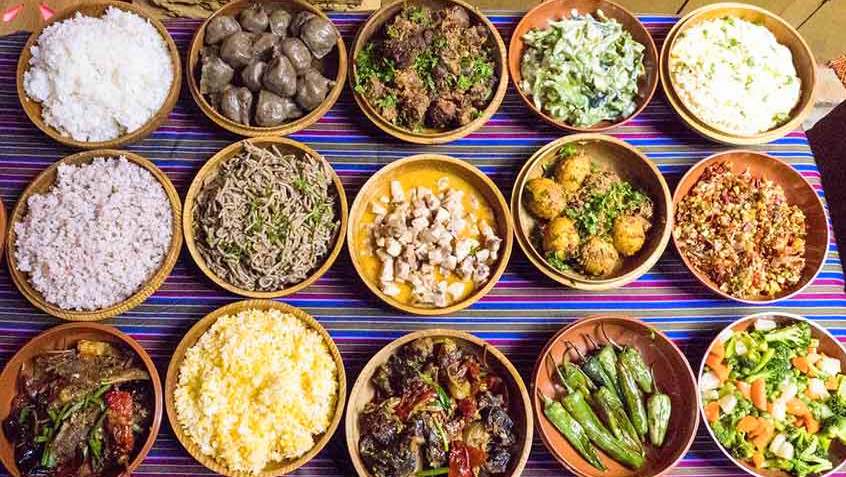
Bhutan offers a unique blend of simple yet flavorful cuisine and deeply rooted cultural traditions. Bhutanese food is known for its spicy taste, fresh ingredients, and comforting home-style cooking, where chili is often treated as a vegetable rather than just a spice. The culture is strongly influenced by Buddhism, which is reflected in everyday life, traditional festivals, monasteries, and the respectful way of living. Visitors can also see locals wearing traditional attire—gho for men and kira for women—which adds a strong sense of identity and cultural pride throughout the country. This combination of food and culture makes Bhutan a truly authentic and memorable travel destination.
Top Bhutanese Dishes:
-
Ema Datshi – The national dish made with chili and cheese
-
Phaksha Paa – Pork cooked with dried chilies and radish
-
Jasha Maru – Spicy minced chicken curry with tomatoes and spices
-
Momos – Steamed or fried dumplings filled with meat or vegetables
-
Suja – Traditional Bhutanese butter tea made with tea, butter, and salt
-
Red Rice – Nutty-flavored local rice served with most meals
-
Kewa Datshi – Potato and cheese curry, mild and comforting
-
Shakam Paa – Dried beef cooked with chilies and vegetables
Bhutanese food is not just about taste—it reflects the country’s warmth, simplicity, and strong cultural identity.
Travel Tips
When traveling to Bhutan, being well-prepared can make your journey smoother, safer, and more enjoyable. The country’s climate, culture, and travel system are quite unique, so following a few simple tips will help you make the most of your trip while respecting local traditions and regulations.
Essential Travel Tips for Bhutan:
-
Pack layered clothing, as weather can change quickly between valleys and mountains
-
Always respect local customs, especially when visiting monasteries and religious sites
-
Book your trip in advance through a licensed tour operator, as independent travel is restricted
-
Carry enough cash, since card facilities may be limited in rural areas
-
Keep your passport valid for at least six months before travel
-
Travel with comprehensive insurance for safety and peace of mind
-
Follow your guide’s instructions, especially during hikes and cultural visits
-
Be mindful of photography rules in sacred places
-
Stay hydrated and carry basic medications for altitude and travel comfort
-
Dress modestly to respect Bhutanese cultural norms
By following these travel tips, you can enjoy a more comfortable, respectful, and enriching experience in Bhutan while fully immersing yourself in its culture and natural beauty.
Is Bhutan Worth Visiting
Bhutan is absolutely worth visiting for travelers who seek peace, authenticity, and a deeper connection with nature and culture. Unlike many commercialized destinations, Bhutan offers a rare opportunity to experience untouched Himalayan landscapes, ancient monasteries, and a way of life deeply rooted in spirituality and tradition. Every journey here feels calm, meaningful, and far removed from the rush of modern tourism, making it ideal for reflection and relaxation.
A trip to Bhutan is not just about sightseeing—it is a transformative experience that stays with you long after you leave. From hiking to sacred sites to witnessing vibrant festivals and interacting with warm local communities, Bhutan offers experiences that feel both personal and enriching. It is truly a destination that changes the way you see travel itself.
FAQs
Q. Do I need a visa to visit Bhutan?
A. Yes, most international travelers need a visa to enter Bhutan. It is usually processed through a licensed tour operator as part of a pre-arranged travel package.
Q. Can I travel to Bhutan independently?
A. No, independent travel is not allowed for most foreign visitors. You must book your trip through an authorized Bhutanese tour operator with a guide and a planned itinerary.
Q. What is the best time to visit Bhutan?
A. The best time to visit Bhutan is during spring (March–May) and autumn (September–November) when the weather is clear, pleasant, and ideal for sightseeing and trekking.
Q. How expensive is a trip to Bhutan?
A. Bhutan is a premium travel destination. On average, travelers spend around $100–$200 per day for standard tours, while luxury travel can cost significantly more depending on hotels and services.
Q. What is Bhutan famous for?
A. Bhutan is famous for its Gross National Happiness philosophy, beautiful monasteries like Tiger’s Nest Monastery, stunning Himalayan landscapes, and rich Buddhist culture.
Q. Is Bhutan safe for tourists?
A. Yes, Bhutan is considered one of the safest countries in the world. It has low crime rates and a peaceful environment, making it ideal for solo and group travelers.
Q. What currency is used in Bhutan?
A. The official currency is the Bhutanese Ngultrum (BTN), which is also pegged with the Indian Rupee. Indian Rupees are widely accepted in many areas.
Q. What should I wear while traveling in Bhutan?
A. It is best to wear modest and layered clothing. Comfortable walking shoes, warm jackets, and respectful attire are recommended, especially when visiting monasteries and religious sites.
Bhutan is a destination that offers more than just travel—it offers a meaningful journey filled with peace, culture, and unforgettable Himalayan beauty. From ancient monasteries and vibrant festivals to stunning valleys and warm hospitality, every moment in Bhutan feels authentic and deeply enriching. It is a place where nature and spirituality come together, leaving travelers with lasting memories and a renewed sense of calm.
If you are ready to experience this unique Himalayan kingdom, now is the perfect time to start planning your trip. Get in touch with a trusted Bhutan travel like Luxury Holiday Nepal specialist today to design your personalized itinerary and begin your unforgettable journey to Bhutan.
If you need any further information, please contact us by email at [email protected] or phone at +977-985-100-5129 (WhatsApp)
#Tags
Tripadvisor
5.01152 reviewsGoogle
4.8154 reviewsFacebook
4.1 recommend44 ReviewsTrustpilot
4.1 Great(12 reviews)- Trusted by50K plus traveller