
Bhutan’s $100/Night Fee: Is It Worth It? (2026 Guide)
Bhutan is one of the world's most unique travel destinations. Unlike most countries, Bhutan limits visitor numbers through a special tourism policy that prioritizes sustainability over mass tourism. One of the biggest questions travelers ask before planning their trip is
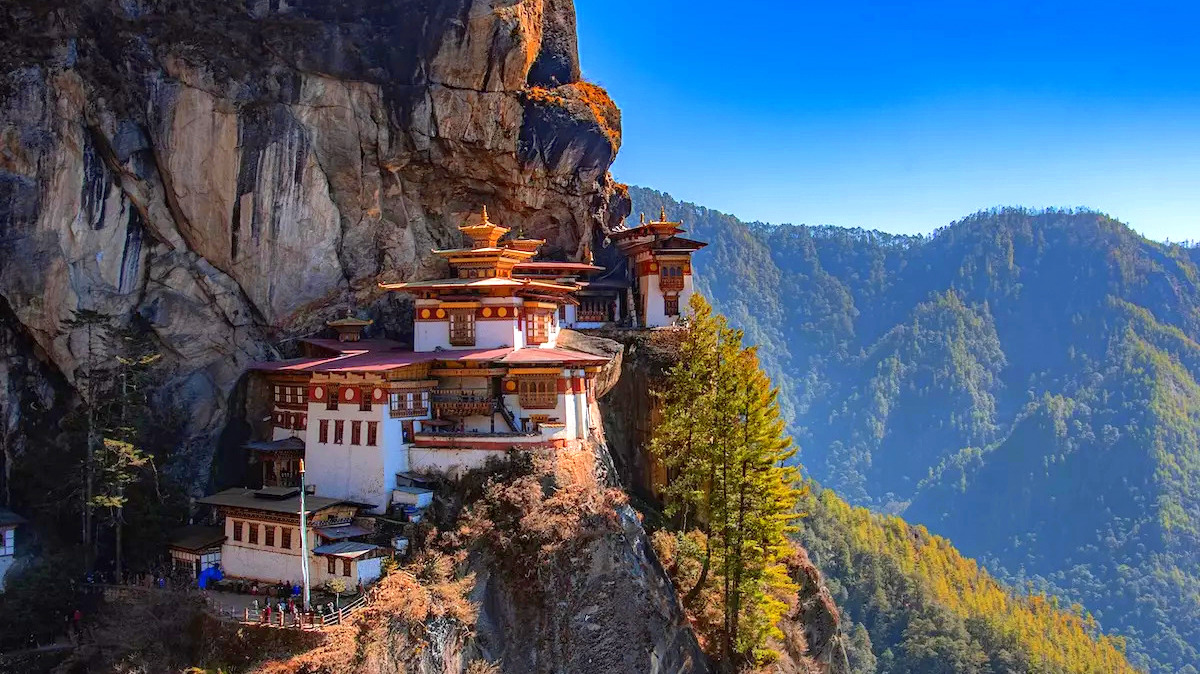
"Is Bhutan's $100 per night fee really worth paying?"
The short answer is yes—for many travelers, it absolutely is. While the fee makes Bhutan more expensive than neighboring countries like Nepal or India, it helps preserve the country's natural beauty, culture, and quality of life while providing visitors with a cleaner, safer, and less crowded travel experience.
In this comprehensive guide, we'll explain exactly what Bhutan's $100 Sustainable Development Fee (SDF) is, who pays it, what it covers, who is exempt, how much a trip actually costs, and whether it's worth the investment in 2026.
What Is Bhutan's $100/Night Fee?
If you're planning a trip to Bhutan, one of the first costs you'll come across is the Sustainable Development Fee (SDF). As of 2026, most international visitors are required to pay USD 100 per person, per night, in addition to their travel expenses.
The SDF is not a hotel charge, tour package fee, or visa fee. Instead, it is a government-mandated fee that supports Bhutan's unique tourism policy of "High Value, Low Volume Tourism." This approach focuses on attracting responsible travelers while protecting the country's natural environment, cultural heritage, and quality of life for its citizens.
Unlike many destinations that encourage mass tourism, Bhutan intentionally limits visitor numbers to reduce overcrowding and preserve its pristine landscapes, historic monasteries, and traditional way of life. The money collected through the SDF helps fund national priorities such as free healthcare, free education, environmental conservation, infrastructure development, cultural preservation, and sustainable tourism initiatives across the country.
The fee is calculated based on the number of nights you spend in Bhutan. For example, if you stay for five nights, your total Sustainable Development Fee will be USD 500.
Bhutan Sustainable Development Fee (SDF) Examples
| Length of Stay | SDF Cost (USD) |
| 3 Nights | $300 |
| 4 Nights | $400 |
| 5 Nights | $500 |
| 7 Nights | $700 |
| 10 Nights | $1,000 |
It's important to note that the SDF does not include accommodation, meals, transportation, sightseeing, flights, travel insurance, or the Bhutan visa application fee. These are separate costs that are typically included in your tour package or paid individually, depending on how you arrange your trip.
Although paying an additional USD 100 per night may seem expensive compared to other destinations in South Asia, many travelers consider it an investment in a cleaner, less crowded, and more authentic travel experience. The fee plays a significant role in ensuring that Bhutan remains one of the world's most sustainable and well-preserved tourist destinations, allowing visitors to enjoy its spectacular Himalayan scenery and rich Buddhist culture while contributing to the country's long-term development.
Why Does Bhutan Charge Tourists?
Bhutan's tourism policy is unlike that of almost any other country. Instead of trying to maximize visitor numbers, the country has chosen a different path—one that prioritizes sustainability, cultural preservation, and the well-being of its people.
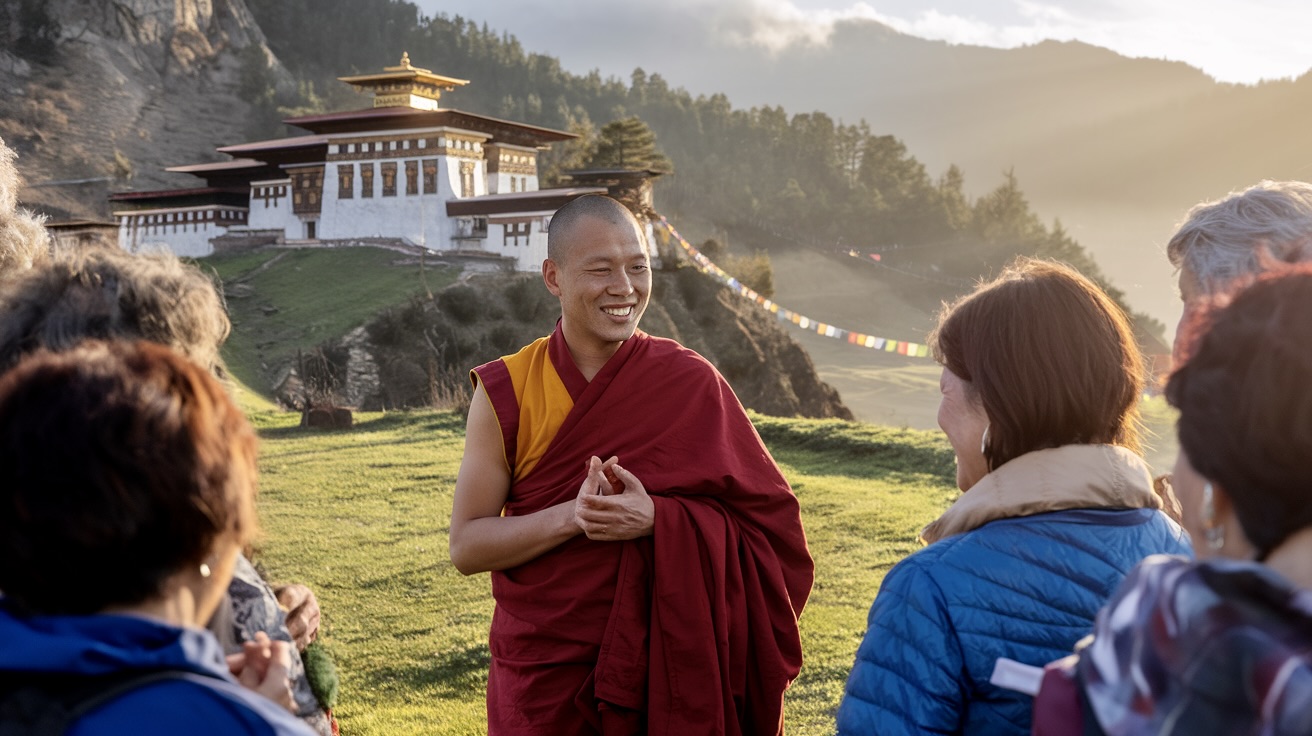
Bhutan's Philosophy: "High-Value, Low-Volume Tourism"
Bhutan follows the principle of "High-Value, Low-Volume Tourism." This approach is designed to welcome travelers who want meaningful, authentic experiences while minimizing the negative impacts of mass tourism.
Rather than attracting millions of visitors each year, Bhutan carefully manages tourism to ensure that growth remains sustainable. The Sustainable Development Fee (SDF) is a key part of this strategy, helping the country balance economic benefits with environmental and cultural protection.
Why This Policy Matters
Many of the world's most famous destinations face challenges caused by overtourism, including overcrowded attractions, pollution, traffic congestion, rising living costs for local communities, and damage to historic landmarks and natural environments.
Bhutan has taken a proactive approach to avoid these issues. By limiting visitor numbers and reinvesting tourism revenue into national development, the country has preserved much of its unique character while still welcoming international travelers.
Here are some of the best packages to explore Bhutan: -
The Goals of Bhutan's Tourism Policy
The revenue generated through the Sustainable Development Fee helps Bhutan achieve several long-term objectives:
● Prevent overtourism and reduce pressure on popular attractions.
● Protect ancient monasteries, dzongs, temples, and heritage sites for future generations.
● Conserve forests, wildlife, and fragile Himalayan ecosystems.
● Reduce environmental pollution through sustainable tourism initiatives.
● Preserve Bhutanese culture, traditions, language, and festivals.
● Support rural communities by creating jobs and encouraging community-based tourism.
● Maintain clean cities, villages, and public spaces throughout the country.
● Improve public infrastructure, including roads, healthcare, education, and essential services.
● Protect trekking trails and national parks, ensuring they remain clean and enjoyable for visitors.
● Promote responsible travel that respects local customs, religious sites, and the natural environment.
A Sustainable Tourism Model
Bhutan's tourism strategy has earned international recognition as one of the world's leading examples of sustainable tourism. The country is famous for maintaining more than 70% forest cover and is recognized as the world's only carbon-negative country, meaning it absorbs more carbon dioxide than it produces.
The Sustainable Development Fee plays an important role in supporting conservation projects, protecting biodiversity, and maintaining Bhutan's pristine landscapes, from the lush valleys of Punakha to the snow-capped peaks of the eastern Himalayas.
A Better Experience for Visitors
Bhutan's tourism policy doesn't just benefit the country—it also enhances the visitor experience.
With fewer tourists, travelers can enjoy quieter monasteries, less crowded hiking trails, peaceful mountain villages, and more meaningful cultural interactions. Instead of rushing through overcrowded attractions, visitors have the opportunity to explore Bhutan at a relaxed pace and gain a deeper appreciation of its traditions, spirituality, and natural beauty.
While Bhutan may cost more than many other destinations in Asia, its commitment to quality over quantity creates an experience that many travelers find truly unique and well worth the investment.
What Does the Sustainable Development Fee Pay For?
Many travelers assume the $100 fee goes directly into tourism businesses. In reality, it is used to support Bhutan's long-term development.
The revenue helps fund:
Free Healthcare: Bhutan provides universal healthcare for its citizens. Tourism contributes to maintaining hospitals, clinics, and medical services across the country.
Free Education: The government uses tourism revenue to support schools, universities, and educational programs.
Environmental Conservation
Bhutan is famous for being the world's only carbon-negative country.
SDF revenue helps fund:
● Forest conservation
● Wildlife protection
● National parks
● Biodiversity projects
● Climate initiatives
● Waste management
Infrastructure Development
The fee supports:
● Roads
● Bridges
● Public facilities
● Rural development
● Water supply
● Community projects
Cultural Preservation
Funds help preserve:
● Ancient monasteries
● Dzongs
● Traditional festivals
● Historic temples
● Local arts
● Handicrafts
● Traditional architecture
What Does Bhutan's $100 Sustainable Development Fee Not Cover?
One of the biggest misconceptions about Bhutan's USD 100 Sustainable Development Fee (SDF) is that it covers your entire trip. In reality, the SDF is a government levy that supports Bhutan's sustainable development and is separate from your travel expenses.
While the fee contributes to healthcare, education, environmental conservation, and cultural preservation, you'll still need to budget for the rest of your trip.
The SDF does not include:
● Accommodation (hotels, resorts, or lodges)
● Meals and beverages
● International or domestic flights
● Bhutan visa application fee
● Professional tour guide services
● Private transportation or transfers
● Travel and medical insurance
● Monument and attraction entrance fees
● Trekking permits (where applicable)
● Personal expenses and shopping
● Tips and gratuities
● Optional activities and experiences
Most travelers book a tour package that bundles many of these services—such as accommodation, transportation, meals, and guided sightseeing—but the Sustainable Development Fee remains a separate government charge.
Understanding what the SDF covers and what it does not helps you plan your travel budget more accurately and avoid unexpected expenses.
Who Has to Pay the Sustainable Development Fee (SDF)?
The USD 100-per-night sustainable development fee applies to most international visitors traveling to Bhutan.
If you are visiting Bhutan from countries outside the South Asian region, you will generally be required to pay the full SDF for each night you spend in the country.
This includes travelers from:
● United States
● Canada
● United Kingdom
● Australia
● New Zealand
● European countries
● Japan
● South Korea
● Singapore
● Malaysia
● Most other international destinations
The fee is calculated based on the number of nights you stay in Bhutan and is collected as part of the visa and travel booking process.
Who Gets Discounts or Exemptions?
Although the standard USD 100-per-night fee applies to most international travelers, Bhutan offers reduced rates or exemptions for certain categories of visitors.
Indian Nationals: Indian citizens are subject to a different Sustainable Development Fee than most international visitors. The amount is set separately by the Royal Government of Bhutan and may change over time, so travelers should confirm the current rate before booking their trip.
Children: Bhutan offers reduced SDF rates or exemptions for children, depending on their age. These policies are designed to make family travel more accessible. Because age-based discounts and eligibility requirements can change, it's recommended to verify the latest regulations when planning your visit.
Diplomatic and Official Visitors: Certain diplomatic passport holders, government delegations, and official visitors may qualify for exemptions or special arrangements under Bhutan's travel regulations.
These exemptions apply only to specific categories of official travel and are determined by the Bhutanese government.
Always Check the Latest Regulations: Bhutan's tourism policies are occasionally updated to support the country's sustainable tourism goals. Before making travel arrangements, check the latest Sustainable Development Fee policies with your licensed Bhutan tour operator or the official Bhutan tourism authorities to ensure you have the most up-to-date information.
Here are some of the best packages to explore Bhutan and other Asian countries as well: -
Is the Sustainable Development Fee the Same as the Bhutan Visa Fee?
No. The Sustainable Development Fee (SDF) and the Bhutan visa application fee are two separate charges. The SDF is a daily government fee of USD 100 per night, while the visa application fee is a one-time processing fee paid when applying for entry into Bhutan.
Most international visitors are required to obtain a visa before traveling, and the application is typically arranged by a licensed Bhutan tour operator after your trip has been confirmed. Once your itinerary and payment are finalized, the operator submits your visa application to the Bhutanese authorities on your behalf.
Although the visa process is straightforward, it's important to remember that paying the SDF does not include the visa application fee, so both costs should be included when planning your overall travel budget.
How Much Does a Trip to Bhutan Actually Cost in 2026?
One of the most common questions travelers ask is, "How much should I budget for a trip to Bhutan?" The answer depends on your travel style, the time of year, your choice of accommodation, and your international flight costs.
While the USD 100 per night Sustainable Development Fee (SDF) is a significant part of your budget, it represents only one component of the overall cost. Most visitors also need to account for accommodation, meals, transportation, visa fees, flights, and sightseeing.
For a 5-day, 4-night mid-range trip, here's what you can generally expect to spend.
Estimated Cost of a 5-Day Bhutan Trip
| Expense | Estimated Cost (USD) |
| Sustainable Development Fee (5 Nights) | $500 |
| Bhutan Visa Application Fee | $40 |
| Hotel Accommodation | $500–900 |
| Meals | $150–250 |
| Licensed Tour Guide | Included in most tour packages |
| Private Transportation | Included in most tour packages |
| International Flights | $500–1,200* |
| Entrance Fees & Activities | $100–300 |
| Shopping & Personal Expenses | Varies |
Estimated Total Cost: $2,000–$4,000 per person
Flight costs vary depending on your departure city, travel season, and airline.
What About Luxury Travel?
If you're planning a luxury holiday, your budget will naturally be higher. Staying at premium hotels such as Amankora, Six Senses Bhutan, COMO Uma Paro, or other luxury lodges, along with private cultural experiences and premium services, can increase the total trip cost to $5,000–$10,000+ per person for a similar itinerary.
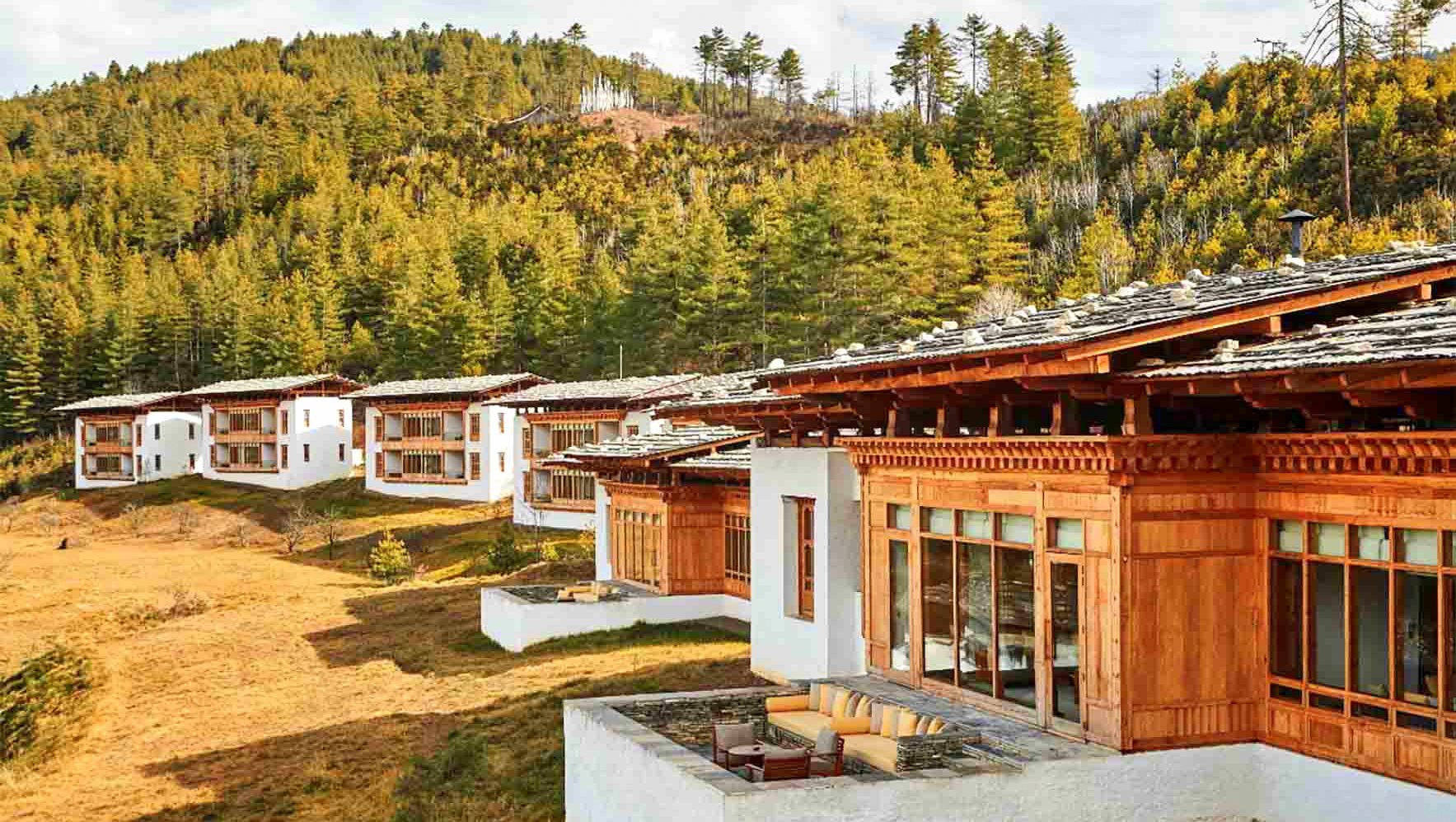
Although Bhutan is more expensive than many destinations in Asia, the country offers excellent value for travelers seeking personalized service, uncrowded attractions, exceptional hospitality, and carefully preserved natural and cultural heritage.
Is Bhutan Expensive Compared to Nepal?
Bhutan and Nepal are neighboring Himalayan countries, but they offer two very different travel experiences. Nepal is known for its affordability, flexibility, and wide range of trekking and cultural adventures, while Bhutan focuses on sustainable tourism with controlled visitor numbers and a more exclusive travel experience.
Here's how they compare.
| Category | Bhutan | Nepal |
| Sustainable Development Fee | Yes ($100/night) | No |
| Budget Travel | Limited | Excellent |
| Independent Backpacking | Limited | Very Easy |
| Luxury Travel | Excellent | Excellent |
| Tourist Crowds | Very Low | Moderate to High (seasonal) |
| Cultural Preservation | Exceptional | Excellent |
| Environmental Protection | Outstanding | Good |
| Tourism Model | High Value, Low Volume | Open Tourism |
| Flexibility | Moderate | High |
Which Destination Offers Better Value?
If your priority is traveling on a budget, trekking independently, or spending several weeks exploring the Himalayas, Nepal offers significantly better value.
However, if you're looking for peaceful monasteries, pristine landscapes, uncrowded attractions, and a destination that places sustainability and cultural preservation above mass tourism, Bhutan offers a unique experience that many travelers feel justifies the higher cost.
Rather than asking which country is "better," it's more helpful to consider what kind of experience you're looking for. Nepal provides variety, adventure, and affordability, while Bhutan offers exclusivity, tranquility, and one of the world's most carefully managed tourism models.
What Makes Bhutan Different?
Many travelers describe Bhutan as unlike anywhere else in the world. It's not just the dramatic Himalayan scenery that makes the country special—it's the way Bhutan has successfully balanced tourism, environmental conservation, and cultural preservation.
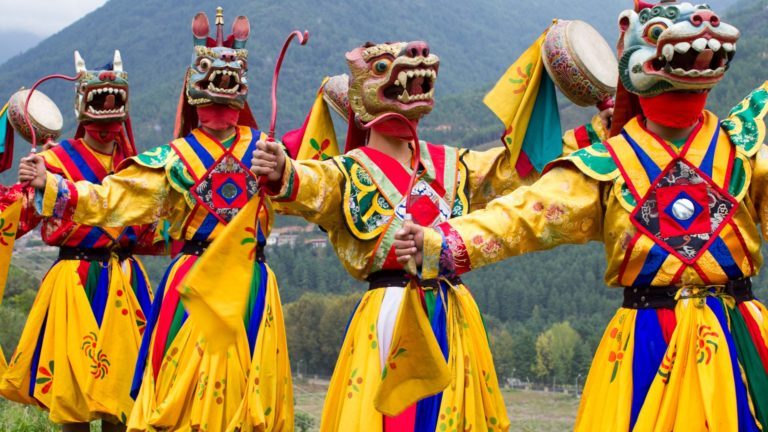
From quiet mountain villages to centuries-old monasteries, Bhutan offers experiences that feel increasingly rare in today's fast-changing world.
A Clean and Well-Protected Environment
Bhutan is widely recognized as one of the cleanest countries in Asia. Environmental conservation is deeply embedded in national policy, and more than 70% of the country's land remains covered by forests.
Visitors will notice:
● Exceptionally clean towns and villages
● Minimal plastic waste in many areas
● Protected forests and national parks
● Fresh mountain air and pristine landscapes
● Strong commitment to environmental sustainability
This dedication has helped Bhutan become the world's only carbon-negative country, making it a global leader in environmental stewardship.
A Peaceful and Relaxed Atmosphere
Unlike many popular tourist destinations, Bhutan offers a slower pace of life that encourages visitors to disconnect and enjoy their surroundings.
Travelers often appreciate:
● Fewer tourists at major attractions
● Light traffic compared to many Asian cities
● Quiet monasteries and temples
● Calm mountain villages
● A relaxed travel experience with less commercialization
This peaceful atmosphere is one of the reasons many visitors consider Bhutan an ideal destination for wellness, mindfulness, and cultural immersion.
A Living Buddhist Culture
Buddhism shapes nearly every aspect of life in Bhutan, from its architecture and festivals to its daily customs and traditions.
Throughout your journey, you'll encounter:
● Ancient monasteries perched on cliffs and mountain ridges
● Magnificent dzongs that serve as religious and administrative centers
● Colorful prayer flags fluttering across mountain passes
● Monks engaged in daily rituals and prayers
● Traditional festivals featuring vibrant masked dances
● Sacred temples that have welcomed pilgrims for centuries
Rather than existing solely for tourism, these cultural traditions remain an active and meaningful part of everyday Bhutanese life.
Spectacular Himalayan Landscapes
Bhutan's scenery is remarkably diverse despite its relatively small size.
Depending on your itinerary, you'll experience:
● Snow-capped Himalayan peaks
● Deep river valleys
● Dense pine and rhododendron forests
● High mountain passes decorated with prayer flags
● Peaceful alpine meadows
● Traditional farming villages
● Crystal-clear rivers and glacial streams
Whether you're hiking to Tiger's Nest Monastery, exploring the Phobjikha Valley, or driving through the scenic Dochula Pass, breathtaking mountain views are a constant companion.
Authentic Travel Experiences
One of Bhutan's greatest strengths is its authenticity. Unlike destinations where tourism has significantly changed local culture, Bhutan has carefully protected its traditions while welcoming international visitors.
Here, you'll find genuine interactions with local communities, traditional architecture still used in everyday life, and cultural practices that have been preserved for generations. Rather than feeling like a destination built for tourists, Bhutan offers an opportunity to experience a living culture that remains deeply connected to its history, spirituality, and natural surroundings.
For many travelers, this authenticity is what transforms a visit to Bhutan from a simple vacation into a truly memorable and meaningful journey.
Is Bhutan's $100 Sustainable Development Fee Worth Paying?
For many travelers, yes. If you value authentic experiences, peaceful destinations, and sustainable tourism, Bhutan's USD 100 per night Sustainable Development Fee (SDF) is often seen as an investment rather than just an extra cost. It helps preserve the country's natural beauty, cultural heritage, and unique way of life while providing a less crowded and more meaningful travel experience.
The SDF Is Worth It If You Want:
● Peaceful, uncrowded destinations
● Authentic Bhutanese culture
● Stunning Himalayan landscapes
● Sustainable and responsible travel
● Well-preserved heritage and traditions
It May Not Be Worth It If You:
● Are traveling on a tight budget
● Prefer backpacking or spontaneous travel
● Want nightlife and entertainment
● Are looking for the cheapest luxury experience
● Plan an extended low-cost trip
Pros of Bhutan's Tourism Policy
Bhutan's "High Value, Low Volume Tourism" model has attracted worldwide attention because it balances tourism growth with environmental and cultural preservation. While no tourism system is perfect, Bhutan's approach has produced several long-term benefits.
1. Protects the Natural Environment
Bhutan has successfully preserved much of its natural landscape by limiting visitor numbers and investing tourism revenue in conservation.
This helps maintain:
● Protected forests and national parks
● Clean mountain trails
● Healthy wildlife habitats
● Minimal environmental degradation
● Beautiful Himalayan landscapes
As a result, Bhutan remains one of the cleanest and most environmentally conscious countries in Asia.
2. Prevents Overtourism
Unlike many famous tourist destinations where attractions become overcrowded during peak seasons, Bhutan intentionally controls visitor numbers.
This means travelers can often enjoy:
● Peaceful monasteries
● Quiet hiking trails
● Scenic viewpoints without large crowds
● Less traffic in popular towns
● A more relaxed sightseeing experience
The result is a more enjoyable visit for both tourists and local communities.
3. Supports Local Communities
Revenue generated through tourism contributes to national development while also creating employment opportunities across Bhutan.
Tourism supports:
● Local guides
● Drivers
● Hotels and guesthouses
● Restaurants
● Farmers supplying local produce
● Traditional artisans and handicraft makers
By encouraging responsible tourism, Bhutan helps ensure that local communities benefit directly from visitors.
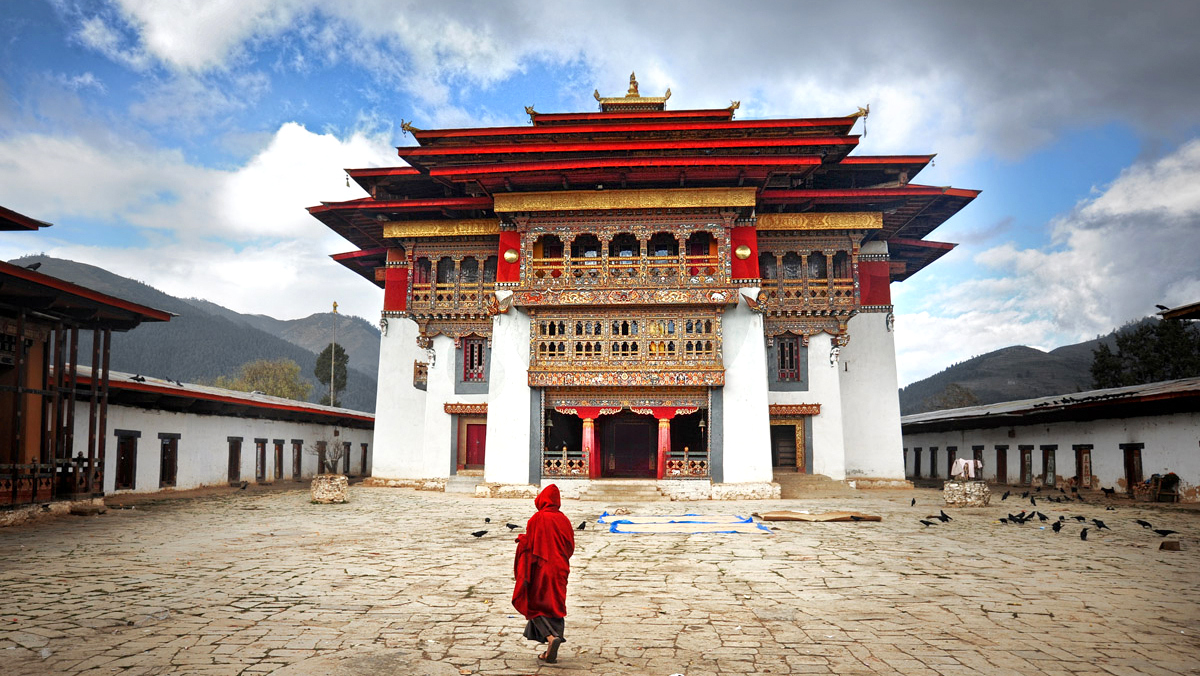
4. Preserves Bhutan's Cultural Heritage
One of Bhutan's greatest achievements is protecting its cultural identity while welcoming international travelers.
Tourism revenue helps preserve:
● Historic monasteries and temples
● Ancient dzongs
● Traditional festivals (Tshechus)
● Bhutanese arts and crafts
● Traditional architecture
● Local customs and religious practices
Visitors experience a living culture rather than attractions created solely for tourism.
5. Creates a Better Visitor Experience
Perhaps the greatest benefit of Bhuxtan's tourism model is the overall quality of the travel experience.
Because visitor numbers remain relatively low, travelers often enjoy:
● More meaningful cultural interactions
● Better opportunities for photography
● Quieter attractions
● Personalized service
● A slower, more immersive pace of travel
For many visitors, this exclusivity is one of Bhutan's biggest attractions.
Cons of Bhutan's Tourism Policy
While Bhutan's tourism strategy has many advantages, it also comes with some trade-offs that travelers should consider before planning their trip.
Potential drawbacks include:
● Higher overall travel costs, particularly due to the Sustainable Development Fee.
● Limited options for budget travelers compared with neighboring countries.
● Additional government fees, including the visa application fee.
● Less flexibility for spontaneous travel, as most visitors arrange their trips in advance through licensed tour operators.
● Shorter average stays, as the daily SDF encourages many travelers to keep their itineraries relatively brief.
For some travelers, these limitations may make Bhutan less appealing than other destinations in South Asia. However, for others, they are part of what keeps the country peaceful, well-preserved, and free from overtourism.
How to Get the Best Value from Your Bhutan Trip
Since you're already investing in Bhutan's Sustainable Development Fee, it's worth planning an itinerary that allows you to experience more than just the country's most famous attractions. A well-designed trip helps you make the most of both your time and your budget.
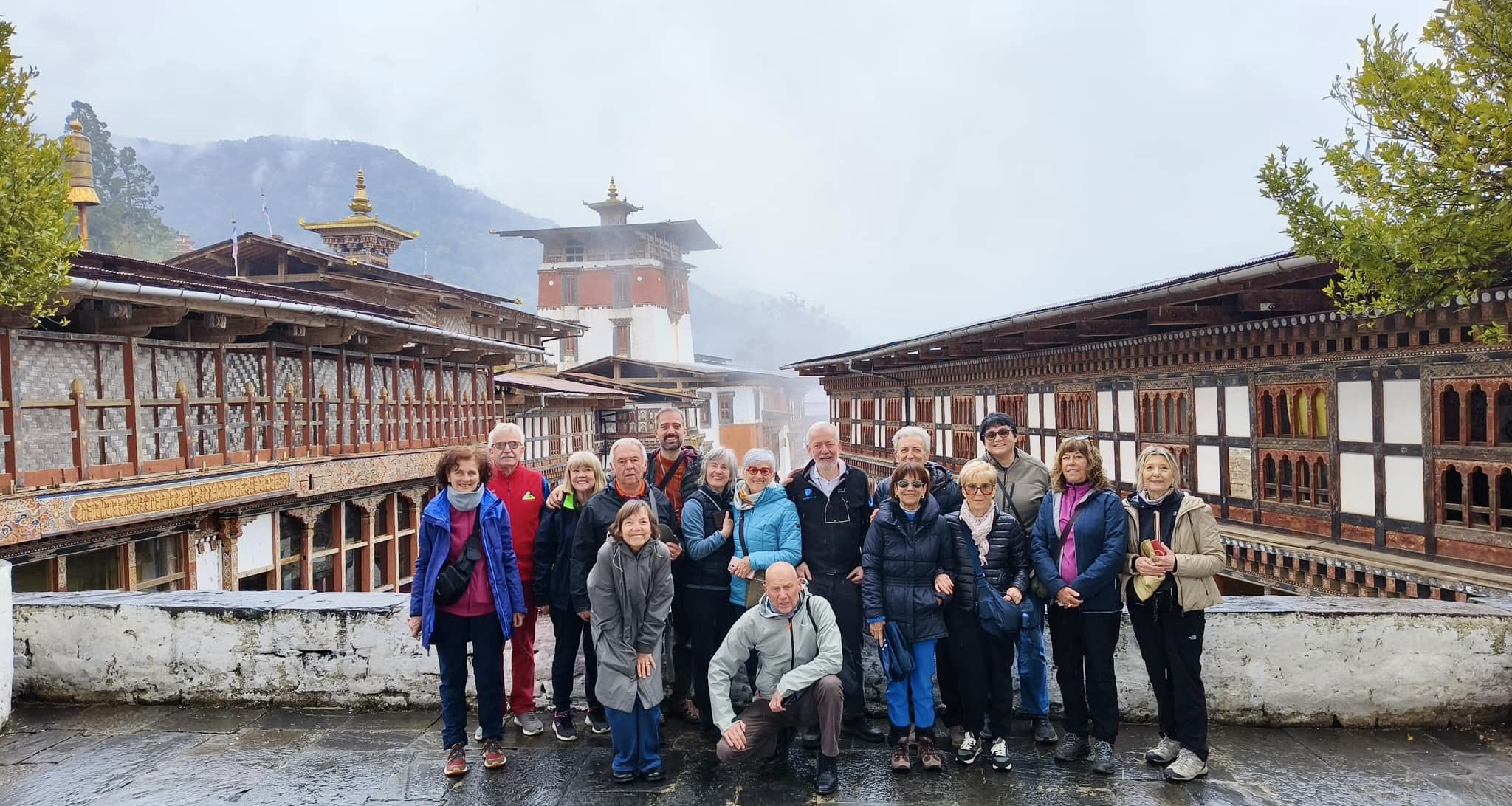
Stay for at Least 5–7 Days
Although shorter visits are possible, spending five to seven days in Bhutan provides enough time to experience its diverse landscapes, cultural heritage, and traditional way of life without feeling rushed.
This also allows you to explore multiple regions beyond Paro while making better value of the nightly SDF.
Travel During a Traditional Festival
Bhutan's Tshechus are among the country's most memorable cultural events.
These festivals feature:
● Colorful masked dances
● Religious ceremonies
● Traditional music
● Local food
● Community celebrations
Planning your visit around a festival offers a deeper understanding of Bhutanese culture and creates unforgettable travel experiences.
Explore Beyond Paro
While Paro is home to the famous Tiger's Nest Monastery, Bhutan has much more to offer.
Consider including destinations such as:
● Thimphu—Bhutan's charming capital city
● Punakha – Home to the magnificent Punakha Dzong
● Phobjikha Valley – Famous for its scenic beauty and endangered black-necked cranes
● Bumthang – Bhutan's spiritual and cultural heartland, known for ancient temples and peaceful valleys
Exploring several regions provides a richer perspective on the country's landscapes, history, and traditions.
Choose a Reputable Tour Operator
A knowledgeable local operator can make a significant difference to your experience. Experienced companies help with visa processing, accommodation, transportation, knowledgeable guides, and carefully planned itineraries that maximize your time while ensuring a smooth and comfortable journey.
Balance Comfort and Budget
You don't have to stay exclusively in luxury resorts to enjoy Bhutan. Many travelers choose a combination of quality boutique hotels, traditional lodges, and premium accommodations, allowing them to experience Bhutan comfortably while keeping overall costs manageable.
A balanced itinerary lets you enjoy memorable experiences, authentic hospitality, and excellent service without necessarily choosing the most expensive option every night.
Explore Bhutan: Recommended Itinerary Ideas
Whether you're visiting Bhutan for a short cultural escape or a more immersive Himalayan journey, choosing the right itinerary can help you make the most of your trip. Here are two of the most popular Bhutan itineraries offered by Luxury Holidays Nepal.
4 Nights / 5 Days – Best of Bhutan Tour
● Day 1: Arrive in Paro → Transfer to Thimphu
● Day 2: Explore Thimphu → Drive to Punakha
● Day 3: Visit Punakha → Return to Paro
● Day 4: Hike to Tiger's Nest Monastery → Explore Paro
● Day 5: Departure from Paro
6 Nights / 7 Days – Majestic Bhutan Tour
● Day 1: Arrive in Paro → Transfer to Thimphu
● Day 2: Full-day sightseeing in Thimphu
● Day 3: Thimphu → Dochula Pass → Punakha
● Day 4: Punakha → Phobjikha Valley
● Day 5: Phobjikha → Paro
● Day 6: Tiger's Nest Monastery Hike → Leisure in Paro
● Day 7: Departure from Paro
Looking for a customized Bhutan holiday? Luxury Holidays Nepal offers a wide range of Bhutan tour packages, from short cultural getaways to luxury journeys and combined Nepal–Bhutan adventures. Every itinerary can be tailored to your interests, travel style, and schedule.
Frequently Asked Questions (FAQs)
Q. What is Bhutan's $100 per night fee?
A: It is the Sustainable Development Fee (SDF) charged to most international visitors. The revenue supports Bhutan's healthcare, education, environmental conservation, cultural preservation, and public infrastructure.
Q. Is the $100 fee included in hotel prices?
A: No. The SDF is a separate government fee and does not cover accommodation, meals, transportation, or activities.
Q. Do I still need a visa after paying the SDF?
A: Yes. Most international visitors must obtain a Bhutan visa, which involves a separate one-time visa application fee.
Q. Who has to pay Bhutan's Sustainable Development Fee?
A: Most international tourists are required to pay the SDF. Different rates or arrangements may apply to visitors from neighboring countries and certain exempt categories.
Q. Why does Bhutan charge tourists an SDF?
A: The fee supports Bhutan's "High Value, Low Volume Tourism" policy, helping to protect the environment, preserve cultural heritage, reduce overtourism, and fund national development.
Q. Is Bhutan more expensive than Nepal?
A: Yes. Bhutan is generally more expensive due to the Sustainable Development Fee and higher travel costs, while Nepal offers more budget-friendly options.
Q. Is Bhutan worth visiting despite the extra cost?
A: For travelers seeking authentic culture, peaceful landscapes, sustainable tourism, and fewer crowds, many consider Bhutan well worth the additional expense.
Q. Does the Sustainable Development Fee cover guides and transportation?
A: No. Guides, transportation, accommodation, and meals are typically included in tour packages or paid separately, depending on your travel arrangements.
Q. Can I travel independently in Bhutan?
A: Yes. Independent travel is permitted, but international visitors must still arrange their visa in advance and comply with Bhutan's tourism regulations. Many travelers choose licensed local tour operators for convenience.
Q. How many days should I spend in Bhutan?
A: A 5 to 7-day itinerary is ideal for first-time visitors, allowing enough time to explore Paro, Thimphu, Punakha, and iconic sites like Tiger's Nest Monastery while making the most of the Sustainable Development Fee.
Conclusion
Bhutan's USD 100 per person per night Sustainable Development Fee (SDF) is more than an additional travel expense—it is a contribution toward preserving one of the world's most unique and carefully protected destinations. While the fee makes Bhutan more expensive than many neighboring countries, it supports environmental conservation, cultural preservation, healthcare, education, and sustainable development, helping protect the country's remarkable landscapes and traditional way of life.
The current $100 rate is a 50% discount from the standard $200 SDF and is scheduled to remain in effect until August 31, 2027. For a five-night trip, that means $500 per person, while for a luxury trip costing around $5,000–$10,000 per person, the SDF represents roughly 5–10% of the overall trip cost.
For travelers seeking authentic Himalayan culture, peaceful landscapes, fewer crowds, and responsible tourism, Bhutan can offer exceptional value beyond its price tag. At Luxury Holidays Nepal, we help travelers experience the best of Bhutan through thoughtfully designed itineraries, knowledgeable local guides, comfortable accommodations, and seamless travel arrangements—making your Bhutan journey memorable, meaningful, and well worth the investment.
If you need any further information, please contact us, Email: at [email protected], Phone: +977-985-100-5129 (WhatsApp)
#Tags

Tripadvisor
5.01152 reviewsGoogle
4.8154 reviewsFacebook
4.1 recommend44 ReviewsTrustpilot
4.1 Great(12 reviews)- Trusted by50K plus traveller