
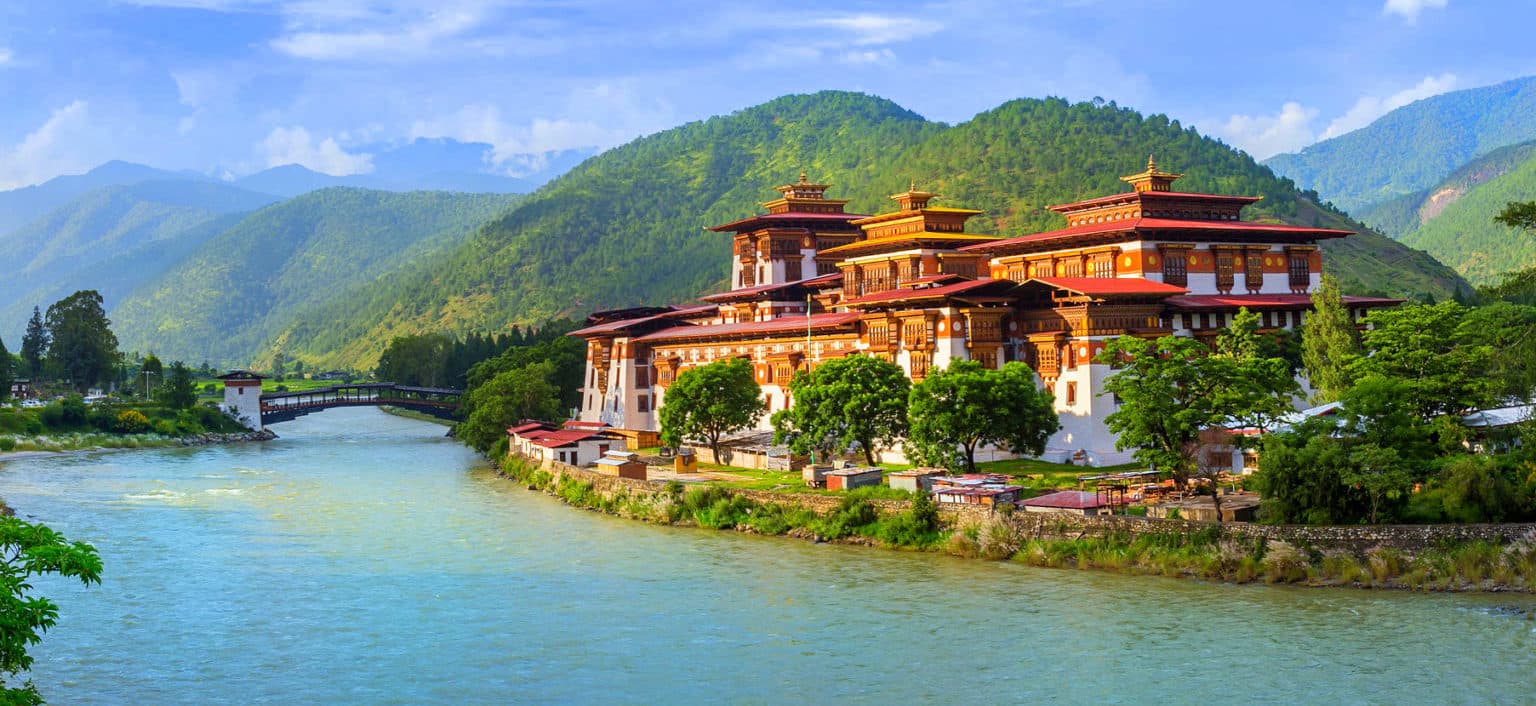
10 Best Festivals in Bhutan to Celebrate During Your Next Trip
Bhutan, the mystical Land of the Thunder Dragon, is one of the most culturally preserved and spiritually rich destinations in the world. Known for its deep-rooted Buddhist traditions, untouched Himalayan landscapes, and philosophy of Gross National Happiness, Bhutan offers travelers a rare opportunity to experience living heritage. One of the best ways to explore Bhutan’s culture is through its vibrant festivals, locally known as Tshechus, which are celebrated across monasteries and fortress dzongs throughout the country.
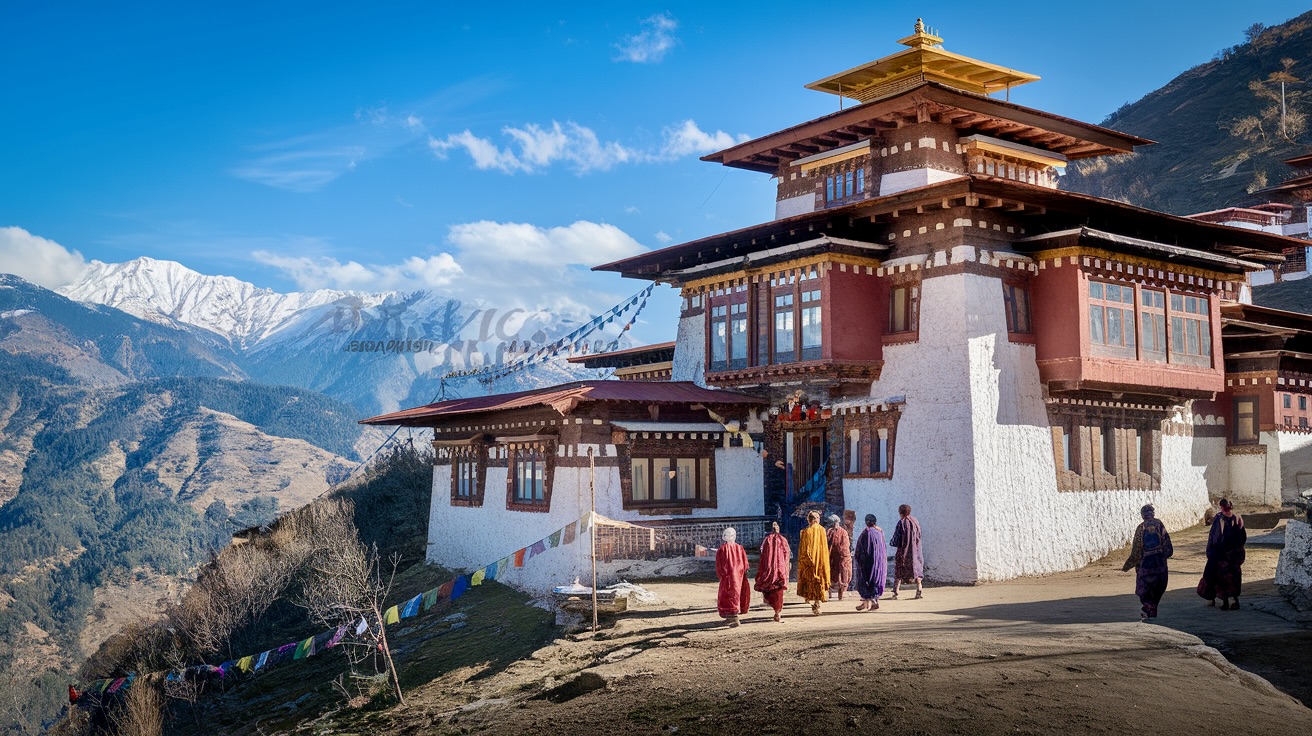
Bhutanese festivals are not just colorful events; they are sacred religious ceremonies that have been practiced for centuries. These celebrations feature traditional masked Cham dances, spiritual rituals, sacred music, and giant Thangka unveilings, all performed by monks and local communities. Festivals play a vital role in Bhutanese society, bringing villagers together to receive blessings, celebrate faith, and preserve ancient traditions. For travelers, attending a Bhutan festival tour offers an immersive cultural experience unlike anywhere else in the Himalayas.
If you’re planning a trip to Bhutan, scheduling your visit around one of these festivals can significantly enhance your journey. From famous Tshechus in Paro and Thimphu to unique cultural, nomadic, and literary festivals, Bhutan’s celebrations provide incredible photography opportunities, authentic cultural encounters, and deep spiritual insights. In this guide, we explore the 10 best festivals in Bhutan, the best time to visit Bhutan for festivals, and how to plan your Bhutan festival tour for an unforgettable Himalayan experience.
Here are the 10 best festivals in Bhutan you shouldn’t miss on your next trip.
1. Thimphu Tshechu – The National Festival of Bhutan
Overview & Significance
Thimphu Tshechu is one of the most important and grandest religious festivals in Bhutan, held annually in the capital city, Thimphu. The festival is dedicated to Guru Rinpoche (Padmasambhava), the revered Buddhist master who introduced Vajrayana Buddhism to Bhutan in the 8th century. Thimphu Tshechu serves both religious and social purposes—locals from across the region gather in their finest traditional attire (gho for men and kira for women) to receive blessings, socialize, and celebrate their cultural identity. As the capital’s main festival, it attracts thousands of Bhutanese people as well as international visitors, making it one of the most vibrant and culturally significant events in the country.
Main Masked Dances (Cham Dances)
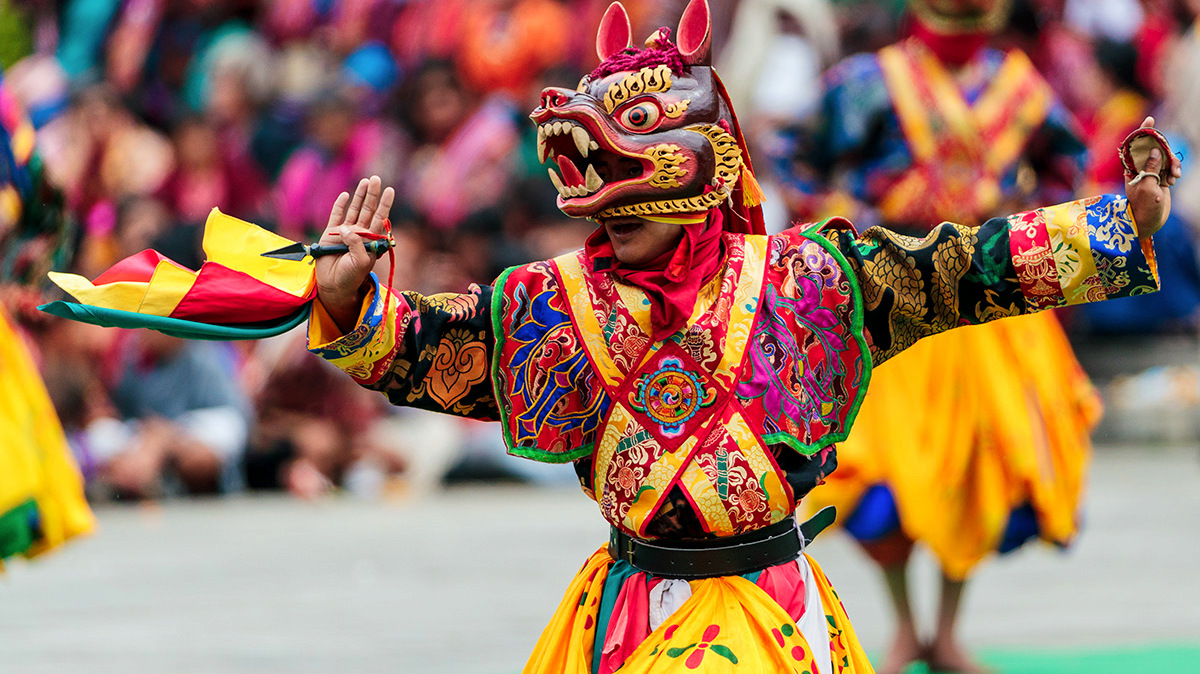
A major highlight of Thimphu Tshechu is the sacred Cham dances, performed by monks and lay dancers in elaborate masks and costumes. These ritual dances depict Buddhist stories, legends, and moral teachings, symbolizing the victory of good over evil and the impermanence of life. Each dance has deep spiritual meaning and is believed to purify negative karma, protect spectators from misfortune, and bring blessings for the coming year. The dancers wear dramatic masks representing deities, animals, demons, and guardians, creating a mesmerizing and symbolic performance that is both religious and theatrical.
Highlights at Tashichho Dzong
The festival takes place at the stunning Tashichho Dzong, one of Bhutan’s most impressive fortress monasteries and the seat of the Bhutanese government and monastic body. With its whitewashed walls, golden roofs, and beautifully decorated courtyards, the dzong provides a spectacular setting for the celebrations. The wide courtyard fills with monks, dancers, musicians, and thousands of spectators, offering incredible opportunities for photography and cultural immersion. The atmosphere is festive yet spiritual, with the scent of incense, rhythmic music, and vibrant traditional costumes creating a truly unforgettable experience.
When to Visit
Thimphu Tshechu is usually held in late September or early October, based on the Bhutanese lunar calendar. This period falls in the autumn season, which is one of the best times to visit Bhutan due to clear skies, pleasant temperatures, and excellent mountain views. It is also peak travel season, so travelers planning to attend Thimphu Tshechu should book their Bhutan festival tour well in advance to secure accommodations and permits.
Here are some of the best picked Bhutan Travel Packages:-
2. Paro Tshechu – Bhutan’s Most Popular Spring Festival
History of Paro Dzong Celebration
Paro Tshechu is one of the most celebrated and visually stunning festivals in Bhutan, held annually at the historic Rinpung Dzong in Paro Valley. The festival dates back to the 17th century and was established to honor Guru Rinpoche (Padmasambhava) and his teachings. Over the centuries, Paro Tshechu has become a major cultural and religious gathering where locals from surrounding villages travel long distances to attend. Today, it is also one of the most popular festivals for international travelers, offering an authentic glimpse into Bhutanese traditions, spirituality, and community life.
Unfurling of the Giant Thangka (Thongdrol)
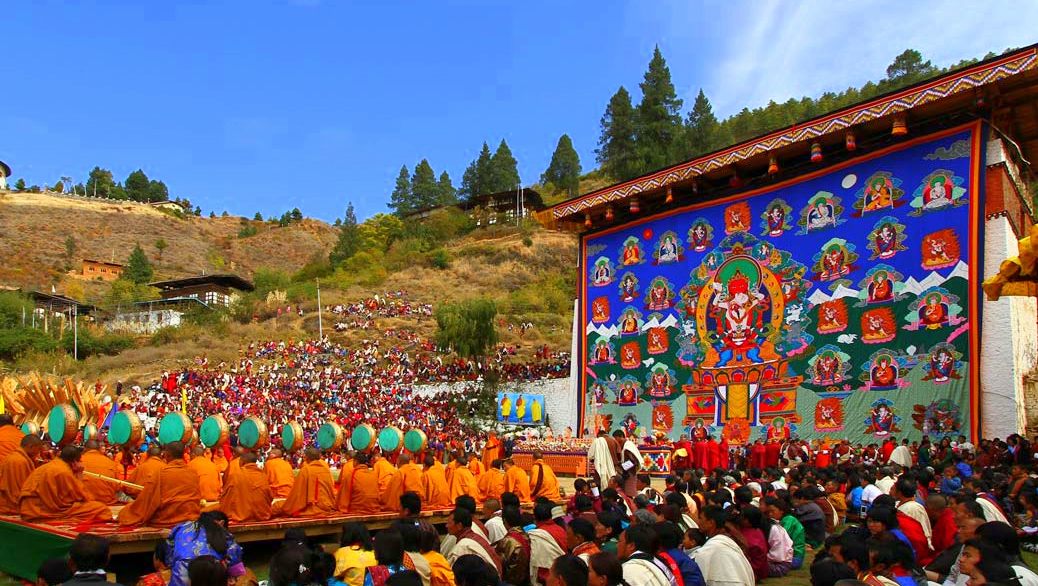
One of the most sacred and anticipated moments of Paro Tshechu is the unveiling of the Thongdrol, a massive silk and embroidery tapestry depicting Guru Rinpoche and other Buddhist deities. The Thongdrol is unfurled before sunrise on the final day of the festival and displayed only for a few hours. Bhutanese believe that simply viewing the Thongdrol cleanses negative karma, grants blessings, and brings spiritual merit. This rare ritual draws thousands of devotees and visitors, creating a deeply spiritual and awe-inspiring atmosphere.
Cultural & Spiritual Importance
Paro Tshechu holds immense spiritual significance for Bhutanese people, symbolizing devotion, purification, and protection. Monks perform sacred Cham dances, representing Buddhist teachings and the triumph of good over evil, while locals gather in traditional attire to receive blessings and socialize. The festival also strengthens community bonds, as families reunite, share food, and celebrate together. For travelers, Paro Tshechu offers a powerful cultural immersion experience, blending spirituality, history, and vibrant Bhutanese traditions.
When to Visit
Paro Tshechu is usually celebrated in March or April, during Bhutan’s spring season. This period offers mild weather, blooming flowers, and clear mountain views, making it one of the best times to visit Bhutan. Due to its popularity, Paro Tshechu is a peak travel period, so visitors should plan and book their Bhutan festival tour well in advance.
3. Jambay Lhakhang Drup – The Sacred Fire Festival
One of Bhutan’s Oldest Temples
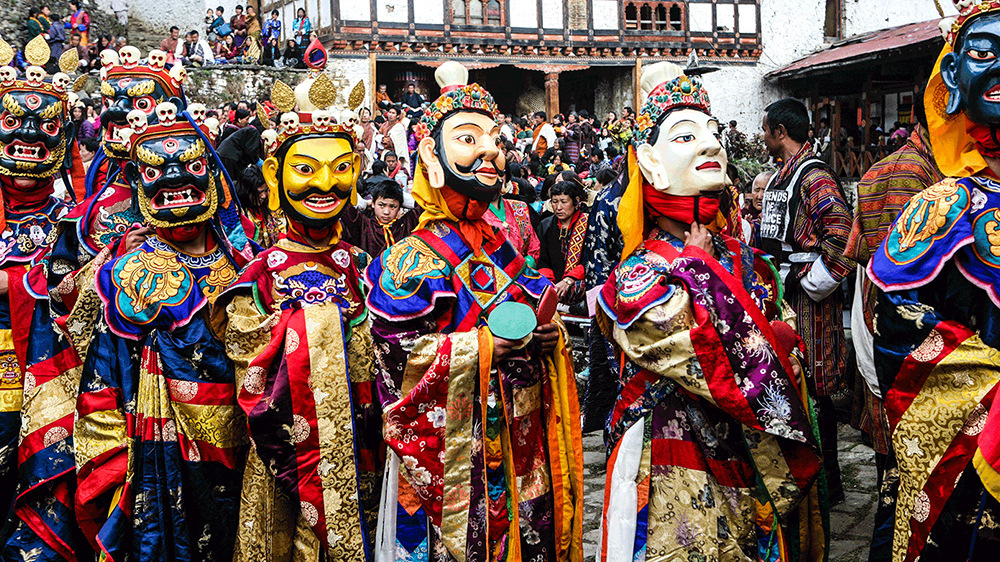
Jambay Lhakhang Drup is held at Jambay Lhakhang, one of Bhutan’s oldest and most sacred temples, built in the 7th century by the Tibetan King Songtsen Gampo. Located in the Bumthang Valley, this temple is considered a spiritual heartland of Bhutan and an important pilgrimage site for Buddhists. The festival was established to honor Guru Rinpoche and celebrate the spread of Buddhism in Bhutan. Today, it remains one of the most ancient and culturally significant festivals in the country, attracting pilgrims, monks, and travelers seeking deep spiritual experiences.
Tercham (Naked Dance) Ritual
One of the most unique and mysterious rituals of Jambay Lhakhang Drup is the Tercham, also known as the Naked Dance. Performed at midnight by male dancers wearing only masks and minimal attire, this ritual is believed to bless infertile couples, purify negative energy, and ward off evil spirits. Rooted in ancient tantric Buddhist traditions, the dance symbolizes fertility, protection, and spiritual power. Due to its sacred nature, the Tercham is considered one of the most extraordinary and rare cultural performances in the Himalayas.
Mewang (Fire Blessing Ceremony)
Another highlight of the festival is the Mewang, or Fire Blessing Ceremony, where participants run through a bonfire to receive blessings for health, prosperity, and protection. This ritual symbolizes purification and the burning away of negative karma, and it is performed under the guidance of monks who chant prayers and conduct sacred rituals. Both locals and visitors often participate, making it a powerful and interactive spiritual experience that connects participants with Bhutan’s ancient religious traditions.
When to Visit
Jambay Lhakhang Drup is usually held in October or November, during Bhutan’s autumn season. This is one of the best times to visit Bhutan, offering clear skies, crisp mountain air, and excellent visibility of the Himalayas. The festival coincides with peak travel season, so early booking is recommended for travelers planning to attend this sacred and culturally rich event.
4. Punakha Drubchen & Punakha Tshechu – Historic Reenactments
Celebration of Bhutan’s Victory Over Tibet
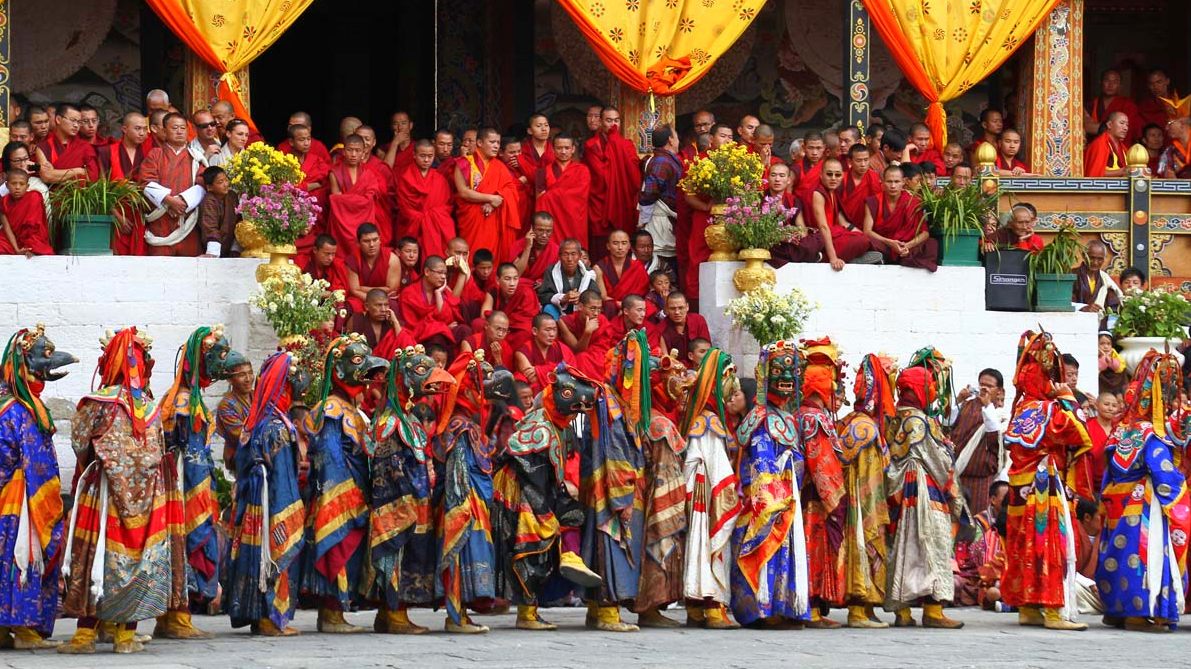
Punakha Drubchen is one of Bhutan’s most historically significant festivals, commemorating Bhutan’s victory over Tibetan invaders in the 17th century. The festival was initiated by Zhabdrung Ngawang Namgyal, the unifier of Bhutan, to honor the Bhutanese warriors who defended the country’s sovereignty. Unlike other Tshechus that focus mainly on religious rituals, Punakha Drubchen uniquely blends history, patriotism, and spirituality, making it an important national and cultural celebration for Bhutanese people.
Traditional Battle Reenactments
A unique highlight of Punakha Drubchen is the dramatic reenactment of ancient battles performed by local villagers dressed as medieval warriors. Participants carry traditional weapons and wear historical costumes, recreating the atmosphere of Bhutan’s past conflicts. These reenactments offer visitors a rare glimpse into Bhutanese military history and folklore, making the festival both educational and visually captivating. It is one of the few festivals in the world where history is brought to life through live cultural performances.
Mask Dances at Punakha Dzong
Following Punakha Drubchen, the Punakha Tshechu features sacred Cham dances performed by monks at the magnificent Punakha Dzong, often regarded as the most beautiful fortress monastery in Bhutan. The dzong’s riverside setting, elegant architecture, and grand courtyards provide a spectacular backdrop for the dances, prayers, and ceremonies. These mask dances convey Buddhist teachings and are believed to bring blessings, protection, and spiritual merit to spectators.
When to Visit
Punakha Drubchen and Punakha Tshechu are usually held in March, during Bhutan’s spring season. This time of year offers pleasant weather, blooming jacaranda flowers, and comfortable temperatures in the Punakha Valley, making it an excellent period for festival travel. Due to high demand, travelers planning to attend should book their Bhutan festival tour well in advance.
Here are some of the best picked Bhutan Travel Packages:-
5. Wangdue Phodrang Tshechu – Celebration of Heritage
Raksha Mangcham (Dance of the Ox)
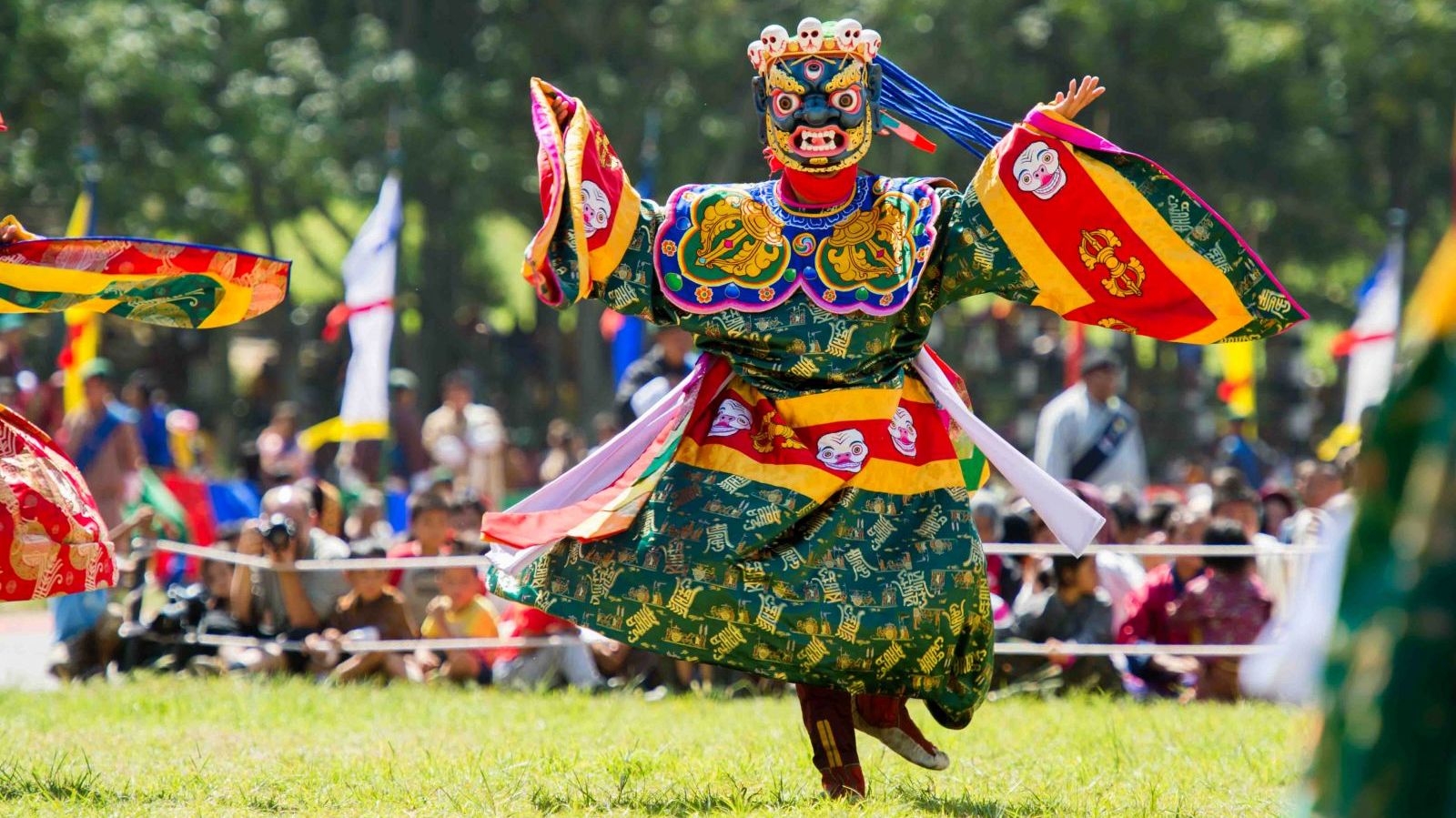
The Raksha Mangcham, also known as the Dance of the Ox, is one of the most dramatic and symbolic performances at Wangdue Phodrang Tshechu. This sacred dance depicts the Buddhist concept of judgment after death, where the soul is guided through the afterlife and judged based on its actions. The performance features dancers wearing fearsome masks representing deities, demons, and guardians, creating a powerful visual narrative of karma, rebirth, and spiritual accountability. For spectators, this dance is both an educational and spiritual experience, illustrating key Buddhist teachings in a theatrical form.
Shaw Shachi (Dance of the Stags)
The Shaw Shachi, or Dance of the Stags, is a lively and colorful folk performance symbolizing peace, harmony, and the connection between humans and nature. Dancers wear elaborate stag masks and costumes, mimicking the graceful movements of deer while performing rhythmic steps accompanied by traditional Bhutanese music. This dance reflects Bhutan’s deep respect for wildlife and the natural environment, making it a joyful and culturally rich highlight of the festival.
Cultural Songs & Performances
Beyond sacred mask dances, Wangdue Phodrang Tshechu features a variety of traditional songs, folk dances, and community performances that showcase Bhutan’s rich cultural heritage. Local villagers, students, and artists participate in the celebrations, creating a festive atmosphere filled with music, laughter, and social gatherings. Visitors can witness authentic Bhutanese traditions, interact with locals, and enjoy regional cuisine, making the festival a vibrant community celebration as well as a spiritual event.
When to Visit
Wangdue Phodrang Tshechu is typically celebrated in September, during Bhutan’s autumn season. This period offers clear skies, mild temperatures, and excellent mountain views, making it one of the best times to visit Bhutan for festivals. September also coincides with peak festival season, so travelers should plan and book their Bhutan festival tour early to secure accommodations and permits.
6. Nomad Festival – Celebrating Highland Traditions
Introduction to Bhutanese Nomadic Culture
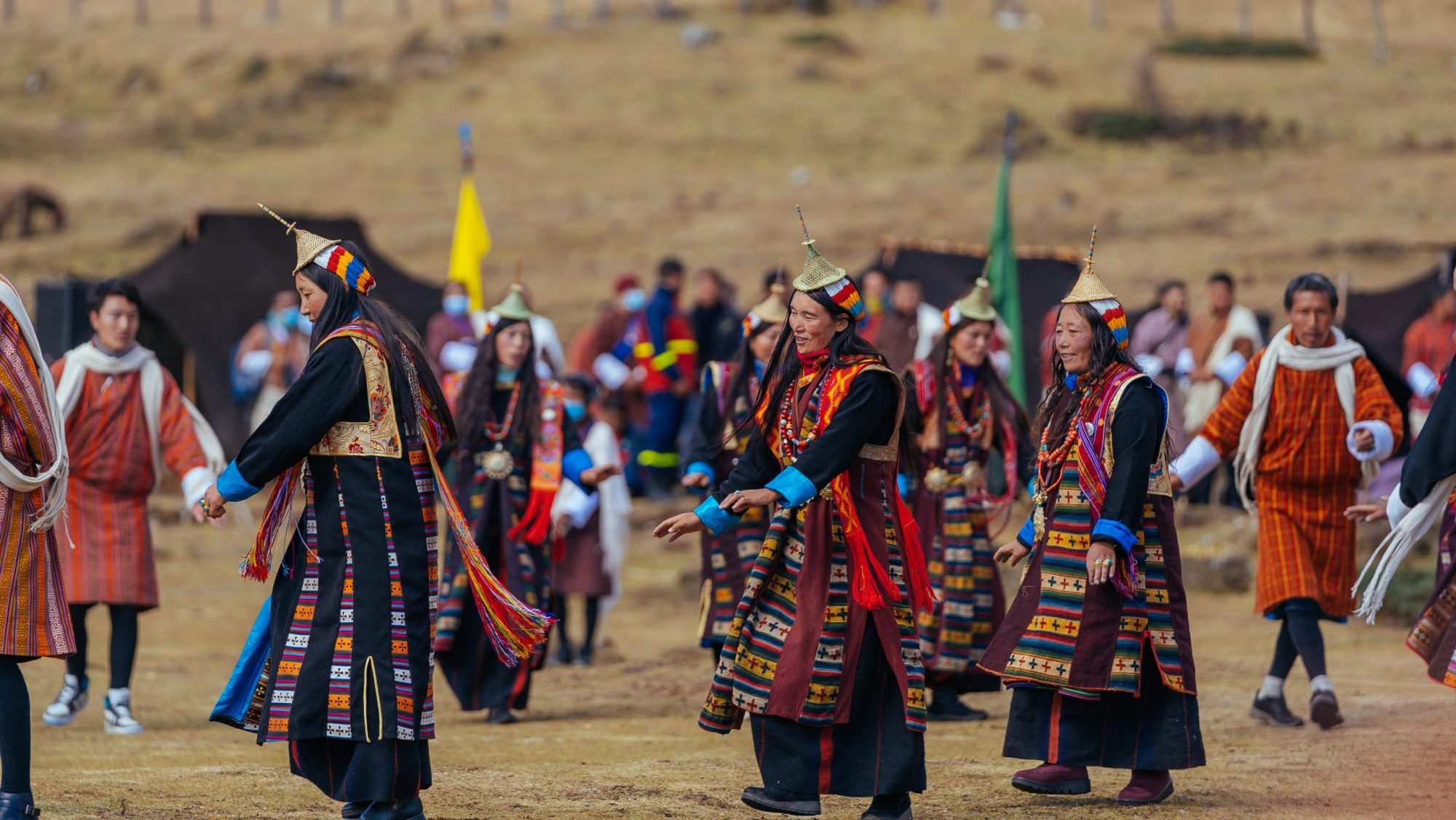
The Nomad Festival, held in the highlands of Bhutan, is a vibrant celebration of the country’s unique nomadic communities, primarily the yak herders of the northern regions. This festival provides a rare opportunity to witness the traditional lifestyles, customs, and survival skills of Bhutan’s highland people, who live in remote mountain villages and move seasonally with their herds. Visitors gain an immersive understanding of how these nomads adapt to the harsh Himalayan environment while preserving centuries-old traditions, making the festival both educational and culturally enriching.
Traditional Games & Food
A major attraction of the Nomad Festival is its exciting array of traditional sports and activities, which highlight the strength, skill, and agility of the local people. Visitors can watch yak races, archery competitions, and traditional wrestling matches, all performed by nomadic participants. Alongside these energetic displays, travelers can savor authentic highland Himalayan cuisine, including yak cheese, butter tea, and local meat dishes, providing a true taste of nomadic life. The combination of sports, food, and community festivities creates a lively and memorable cultural experience.
Artisan Crafts & Highland Products
The festival also serves as a showcase for local artisans and traditional crafts, giving travelers the chance to explore handmade yak products, woolen textiles, and other unique handicrafts. These artisan stalls not only support the local economy but also preserve Bhutanese heritage by promoting age-old crafting techniques. Visitors can purchase souvenirs directly from the makers, interact with the craftsmen, and learn about the cultural significance of each item, making this festival an immersive cultural and shopping experience.
When to Visit
The Nomad Festival is typically held in February, during Bhutan’s winter season. While temperatures in the highlands can be cold, the crisp mountain air and clear skies make it an excellent time to witness the festival’s outdoor activities and stunning Himalayan landscapes. Travelers should plan ahead, as this festival takes place in remote areas, and advance arrangements with a licensed Bhutan tour operator are essential.
7. Haa Summer Festival – A Cultural Summer Celebration
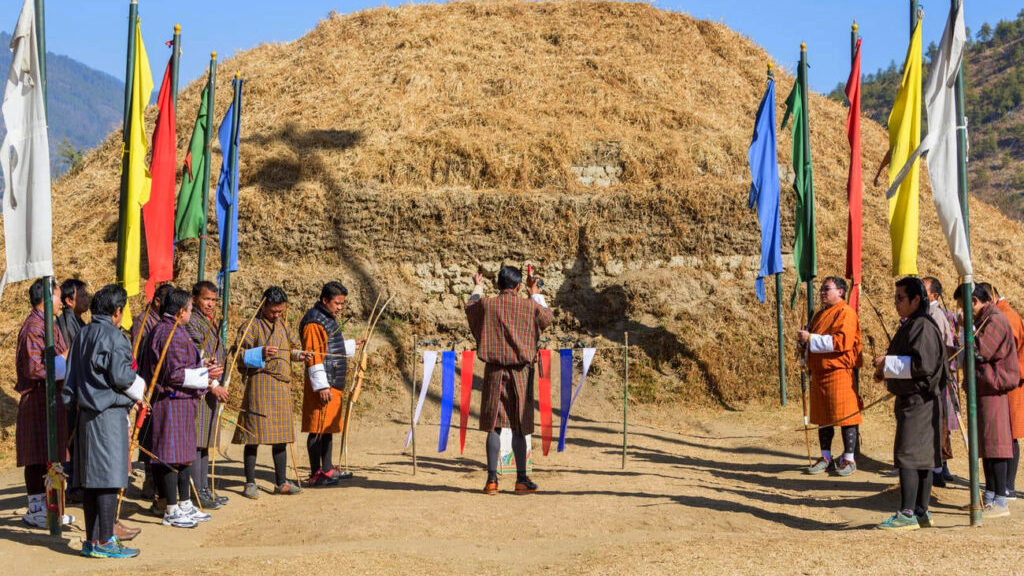
Archery Competitions
Archery, Bhutan’s national sport, takes center stage at the Haa Summer Festival, with villagers from surrounding regions competing in traditional matches. Unlike modern archery, these competitions are vibrant cultural events, featuring ceremonial songs, chants, and playful banter between teams. Visitors can witness the skill, precision, and communal spirit involved in this centuries-old tradition, which remains a cornerstone of Bhutanese identity and rural entertainment.
Mask Dances & Folk Performances
The festival is also a showcase of Bhutanese cultural heritage, with local communities performing colorful mask dances and folk music. Dancers in elaborate costumes represent deities, animals, and spirits, while traditional songs narrate myths, local legends, and moral tales. These performances are both entertaining and spiritually meaningful, giving visitors an authentic insight into Bhutan’s rich cultural and religious traditions.
Alpine Flowers & Traditional Lifestyle
Beyond sports and performances, the Haa Summer Festival celebrates the unique mountain ecology and traditional rural life of the Haa Valley. Visitors can admire the blooming alpine flowers, explore traditional farms, and learn about local customs, crafts, and cuisine. The festival provides a holistic experience, blending nature, culture, and community life in a serene Himalayan setting.
When to Visit
The Haa Summer Festival is typically held in July, during Bhutan’s warm summer season. This is an ideal time to enjoy outdoor activities, lush green landscapes, and pleasant weather in the Haa Valley. Travelers planning to attend should book their Bhutan festival tour in advance, as the festival draws both locals and international visitors seeking an immersive cultural experience.
8. Black-Necked Crane Festival – Conservation & Culture
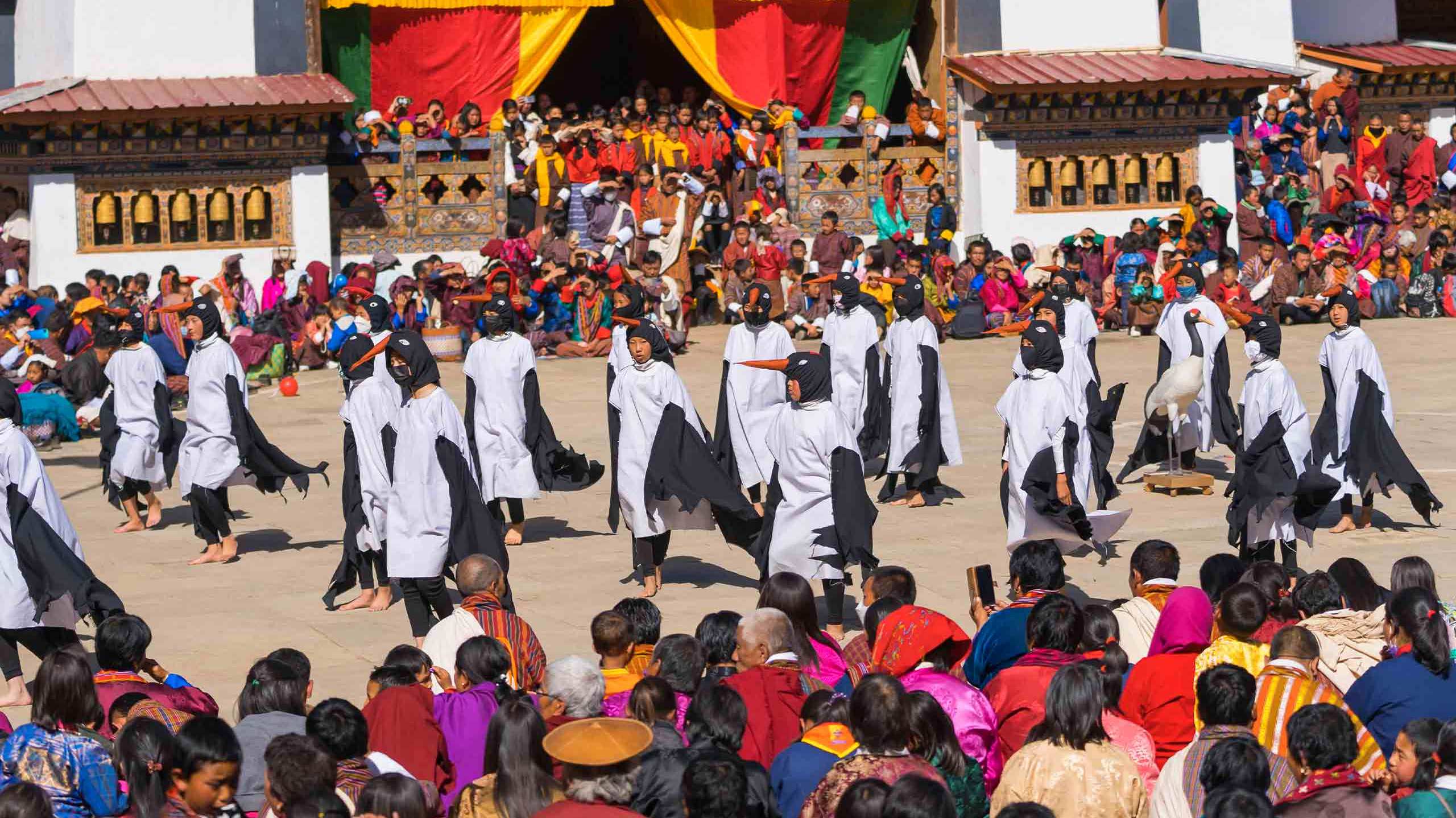
Wildlife Awareness Celebration
The Black-Necked Crane Festival is a unique Bhutanese festival dedicated to raising awareness about the endangered black-necked cranes, which migrate to Bhutan’s Phobjikha Valley every winter. This celebration highlights Bhutan’s commitment to wildlife conservation and environmental protection while promoting cultural traditions connected to nature. Visitors learn about the cranes’ ecological importance, their migratory patterns, and Bhutan’s efforts to preserve their habitat, making the festival both educational and inspiring for nature enthusiasts.
Folk Dances Themed Around Cranes
A key feature of the festival is the performance of folk dances inspired by the graceful movements of black-necked cranes. Local students, monks, and community groups wear traditional costumes and perform choreographed dances that mimic the birds’ elegant flight and courtship rituals. These performances celebrate the harmony between humans and nature, while also offering a colorful and entertaining spectacle for visitors.
Held at Gangtey Monastery
The festival takes place in the picturesque Phobjikha Valley, with the historic Gangtey Monastery serving as the spiritual and cultural hub of the event. Surrounded by rolling hills and pristine landscapes, the monastery provides a stunning backdrop for the celebrations. Visitors can enjoy the serene valley scenery, interact with locals, and participate in cultural and environmental activities, making it a unique fusion of nature, spirituality, and tradition.
When to Visit
The Black-Necked Crane Festival is celebrated in November, coinciding with the arrival of the cranes from the Tibetan plateau. The late autumn weather provides clear skies, crisp air, and excellent opportunities for photography, wildlife observation, and cultural immersion. Travelers are advised to plan their Bhutan festival tour in advance, as accommodations and transportation in the remote Phobjikha Valley can fill up quickly during this peak festival period.
9. Mountain Echoes—Bhutan's Literary & Arts Festival
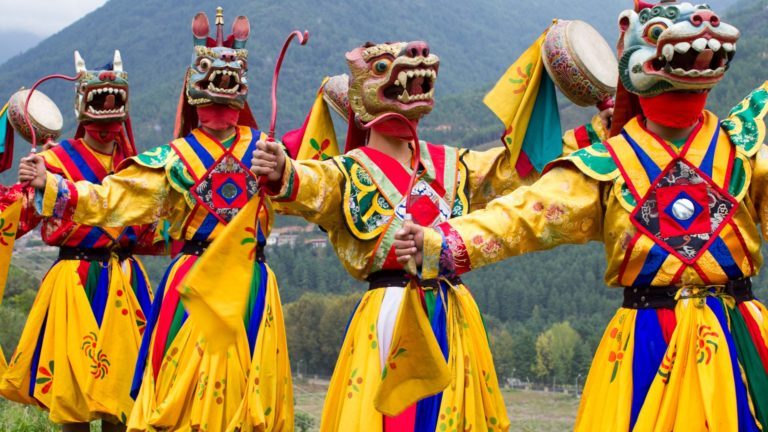
Authors, Poets & Performers Gathering
Mountain Echoes is Bhutan’s premier literary and arts festival, bringing together international authors, poets, filmmakers, and performers for a vibrant celebration of creativity and ideas. Held in Thimphu, the festival attracts global thought leaders, artists, and cultural enthusiasts, offering a rare opportunity to interact with acclaimed writers and performers in an intimate Himalayan setting. This gathering highlights Bhutan’s growing role as a hub for intellectual and artistic exchange in the region.
Contemporary Storytelling
The festival focuses on contemporary storytelling, blending modern literature, film, visual arts, and traditional Bhutanese narratives. Visitors can attend book launches, panel discussions, film screenings, poetry readings, and live performances, providing an immersive cultural experience that explores the intersection of modern and traditional Bhutanese arts. Mountain Echoes celebrates creativity while fostering an appreciation for Bhutan’s literary and cultural heritage.
Cultural Exchange Platform
Beyond performances and discussions, Mountain Echoes serves as a unique platform for cultural exchange, bridging Bhutanese traditions with global perspectives. Artists, scholars, and participants engage in workshops, debates, and collaborative projects that encourage dialogue, learning, and cross-cultural understanding. The festival reinforces Bhutan’s identity as a country that values both its heritage and contemporary creativity, making it a must-visit event for intellectual travelers.
When to Visit
Mountain Echoes is usually held in August or September, during Bhutan’s late summer to early autumn season. This period offers pleasant weather, clear skies, and vibrant landscapes, creating an ideal backdrop for outdoor events and cultural activities. Early planning is recommended for travelers who wish to attend, as festival accommodation and tours fill up quickly due to the event’s international appeal.
10. Dochula Druk Wangyel Festival – Honoring Bhutan’s Heroes
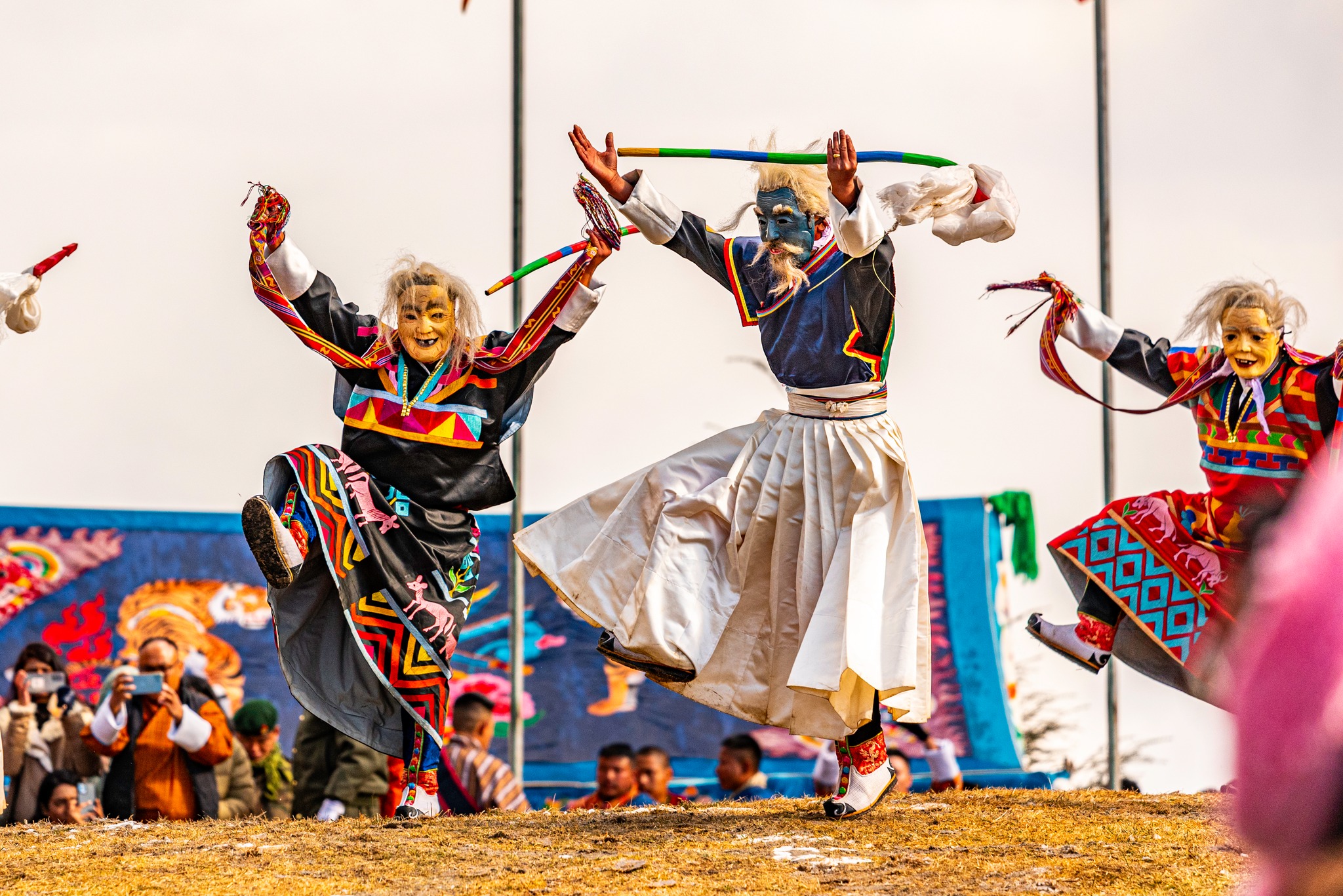
Military Cultural Performances
The Dochula Druk Wangyel Festival features spectacular military cultural performances by the Royal Bhutan Army, held at the scenic Dochula Pass, which sits at an elevation of 3,100 meters above sea level. Soldiers display precision drills, traditional weaponry, and ceremonial pageantry, creating a visually striking and patriotic celebration. These performances honor Bhutanese military traditions while providing visitors with a rare opportunity to witness the discipline, skill, and ceremonial grandeur of the nation’s armed forces.
Tribute to the Fourth King
The festival also serves as a tribute to Bhutan’s Fourth King, Jigme Singye Wangchuck, and commemorates Bhutan’s military victory over insurgents in the early 2000s. It highlights the country’s strong sense of national pride, sovereignty, and unity under the monarchy. Through speeches, ceremonies, and displays, the festival emphasizes Bhutanese values of courage, leadership, and national service, allowing visitors to appreciate the historical and cultural significance behind the celebration.
Folk and Mask Dances
Alongside military displays, the festival combines traditional folk dances and Cham mask performances, creating a unique fusion of Bhutanese cultural heritage and patriotic celebration. Dancers wear elaborate masks representing deities, animals, and spirits, performing sacred rituals alongside military drills. This blend of pageantry and spirituality creates a captivating spectacle that appeals to both cultural enthusiasts and general travelers, highlighting Bhutan’s harmonious balance of tradition, spirituality, and national pride.
When to Visit
The Dochula Druk Wangyel Festival is typically held in December, during Bhutan’s crisp winter season. The festival coincides with clear skies and stunning panoramic views of the Himalayan peaks from Dochula Pass, making it an ideal time for photography and sightseeing. Due to its scenic location and unique cultural significance, travelers are advised to book their Bhutan festival tour in advance to secure accommodations and guided access.
Why Visit Bhutan During Festival Season?
Visiting Bhutan during festival season allows travelers to experience the country’s rich cultural and spiritual heritage in a way that is truly immersive and unforgettable. Festivals, or Tshechus, showcase sacred Cham dances performed by monks, elaborate rituals, and the unveiling of giant Thangkas, offering a rare glimpse into Bhutanese Buddhist traditions. These celebrations transform monasteries and dzongs into vibrant cultural stages, providing spectacular photography opportunities with colorful costumes, intricate masks, and majestic Himalayan backdrops that capture the essence of Bhutanese spirituality and artistry.
Beyond the visual splendor, Bhutan’s festivals provide meaningful opportunities to connect with local communities and participate in living cultural traditions. Travelers can observe centuries-old rituals, engage with villagers, and witness the values that underpin Bhutan’s unique philosophy of Gross National Happiness. From the joyous community gatherings to spiritual ceremonies that promote blessings and well-being, visiting during festival season offers a deeper understanding of Bhutan’s identity, making the journey both culturally enriching and personally transformative.
Best Time to Plan Your Bhutan Festival Trip
Best Time to Plan Your Bhutan Festival Trip
The ideal time to plan a Bhutan festival trip is during spring (March–May) and autumn (September–November), when the weather is most favorable and festival activities are in full swing. In spring, travelers can enjoy clear skies, blooming rhododendrons, and lush landscapes while attending major Tshechu festivals like Paro Tshechu and Punakha Drubchen. This season combines pleasant weather with vibrant cultural experiences, making it perfect for photography, sightseeing, and immersive participation in Bhutanese traditions.
Autumn is considered the peak festival season, with some of Bhutan’s most famous celebrations taking place, including Thimphu Tshechu, Jambay Lhakhang Drup, and the Black-Necked Crane Festival. During this time, the skies are clear, temperatures are moderate, and the natural beauty of valleys and mountains is at its best. Autumn festivals are particularly spectacular, offering travelers the chance to witness elaborate masked dances, sacred rituals, and vibrant community gatherings while enjoying excellent travel conditions across the Himalayan kingdom.
Planning Your Bhutan Festival Tour
Traveling to Bhutan during festival season requires careful planning, as foreign visitors (except nationals from India, Bangladesh, and the Maldives) must book their trip through a licensed Bhutanese tour operator. These operators handle all logistics, including visas, accommodation, transportation, and guided access to festival sites, ensuring a seamless and stress-free experience. By organizing your trip through an official operator, you also gain insider knowledge of festival schedules, cultural protocols, and the best vantage points for performances, maximizing your opportunity to experience Bhutan’s rich heritage.
This controlled tourism model not only guarantees high-quality, personalized experiences but also helps preserve Bhutanese culture, protect sacred sites, and manage festival crowds. Travelers can enjoy exclusive cultural access, immersive local interactions, and expertly guided tours while contributing to sustainable tourism practices. From secure transportation in mountainous regions to curated festival activities, planning your Bhutan festival tour through a licensed operator ensures both comfort and authenticity, making your trip memorable and culturally enriching.
Ready to Experience Bhutan’s Festivals?
Our Bhutan Festival Tours are thoughtfully designed around the country’s major Tshechus, allowing you to witness Bhutan’s most spectacular cultural and spiritual celebrations without the stress of planning. With private guided experiences, carefully curated festival access, and stays in luxury hotels, travelers can enjoy a seamless, comfortable, and immersive journey through Bhutan’s cultural heart. These tours combine convenience, authenticity, and exclusive insights, ensuring that every visitor experiences the vibrancy, tradition, and spiritual richness of Bhutanese festivals to the fullest.
Frequently Asked Questions (FAQ)
Q: What is the best time to visit Bhutan for festivals?
A: The best time to visit Bhutan for festivals is during spring (March–May) and autumn (September–November). Spring offers clear skies, blooming landscapes, and major festivals like Paro Tshechu and Punakha Drubchen, while autumn features peak festival season with Thimphu Tshechu, Jambay Lhakhang Drup, and the Black-Necked Crane Festival.
Q: What are the Tshechu festivals in Bhutan?
A: Tshechus are traditional Bhutanese festivals held at monasteries and dzongs, celebrating Guru Rinpoche and other Buddhist teachings. They feature masked Cham dances, folk performances, religious rituals, and community gatherings, offering visitors a rich cultural and spiritual experience.
Q: Do I need a visa to visit Bhutan for festivals?
A: Yes, most foreign travelers (except nationals from India, Bangladesh, and the Maldives) must obtain a Bhutanese visa, which is arranged through a licensed Bhutan tour operator. The operator handles visa applications, accommodation, transportation, and festival access for a smooth travel experience.
Q: Can I attend festivals without a tour operator?
A: No, Bhutan’s controlled tourism policy requires foreign visitors to book through a licensed tour operator. This ensures cultural preservation, safety, and high-quality travel experiences, while providing expert guidance and access to festival events.
Q: What are the most popular festivals in Bhutan?
A: Some of the most popular Bhutan festivals include Thimphu Tshechu, Paro Tshechu, Punakha Drubchen, Jambay Lhakhang Drup, Black-Necked Crane Festival, Haa Summer Festival, Mountain Echoes Literary Festival, and the Dochula Druk Wangyel Festival. Each offers unique cultural, spiritual, and photographic opportunities.
Q: Where are Bhutan’s festivals held?
A: Festivals take place in dzongs, monasteries, and valleys across Bhutan. Notable locations include Thimphu Dzong, Paro Rinpung Dzong, Punakha Dzong, Gangtey Monastery in Phobjikha Valley, Haa Valley, and Dochula Pass, providing breathtaking Himalayan backdrops.
Q: Are Bhutanese festivals family-friendly?
A: Yes, Bhutanese festivals are family-friendly and suitable for all ages. Visitors can enjoy colorful dances, cultural performances, traditional games, and local food while learning about Bhutanese customs and spirituality.
Q: Can I photograph Bhutan festivals?
A: Absolutely! Festivals provide excellent photography opportunities, with vibrant costumes, sacred masks, dramatic rituals, and picturesque monastery and valley settings. Visitors are advised to respect local customs and ask permission when photographing monks and participants.
Q: How long do Bhutan festivals last?
A: Most Bhutan festivals last 3–5 days, though some, like Thimphu Tshechu, may extend slightly. Each day features a mix of mask dances, cultural performances, religious rituals, and community gatherings.
Q: Can Bhutan festival tours be customized?
A: Yes, licensed tour operators offer fully customizable Bhutan festival tours. Travelers can select specific festivals, accommodation types, guided experiences, and cultural activities, ensuring a personalized and immersive journey through Bhutan’s cultural heart.
If you need any further information, please contact us by email: [email protected], Phone: +977- 985 100 5129 (WhatsApp)
Tripadvisor
5.01110 reviewsGoogle
4.8154 reviewsFacebook
4.1 recommend44 ReviewsTrustpilot
4.1 Great(12 reviews)- Trusted by50K plus traveller