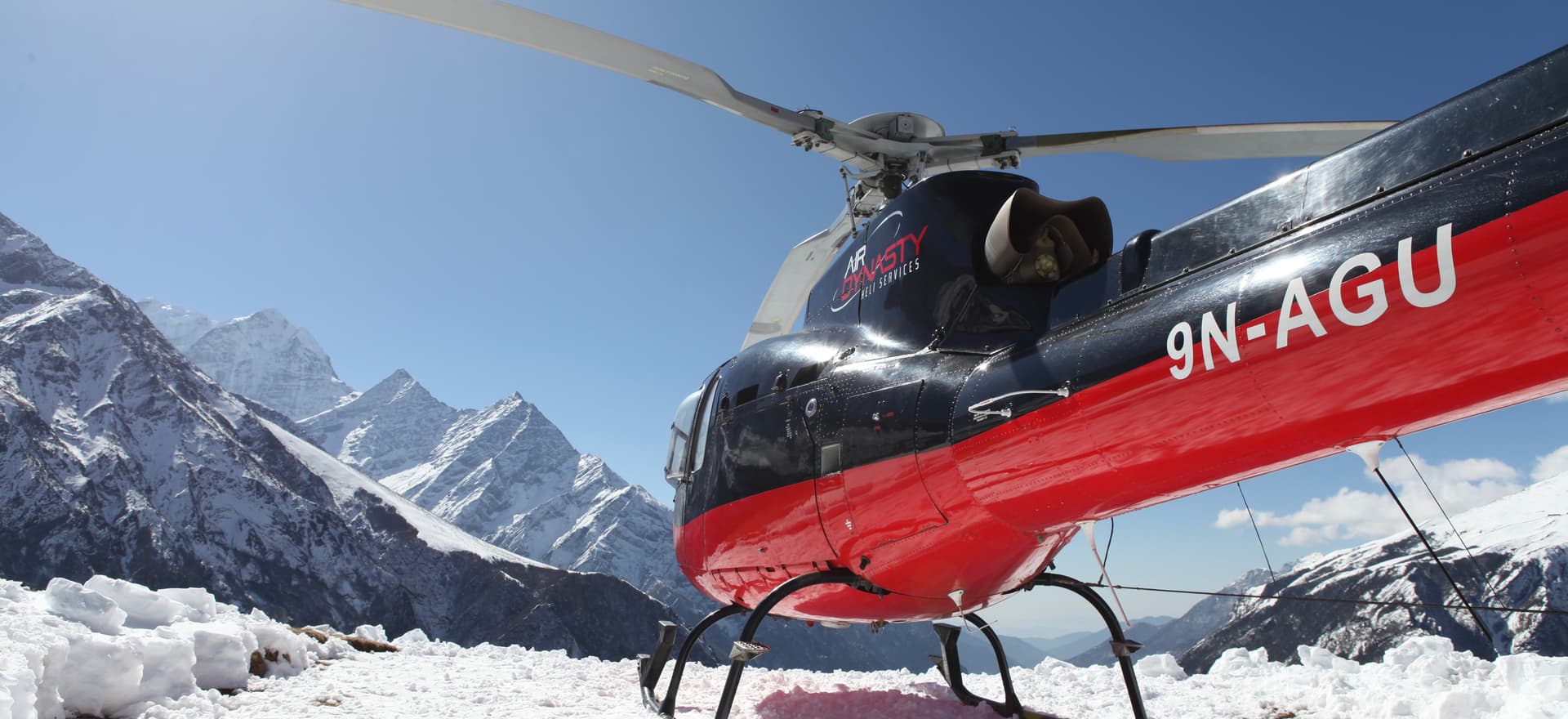
An Everest Base Camp Helicopter Tour is one of the most spectacular ways to experience the Himalayas in a short time. Instead of trekking for days through the mountains, travelers can fly directly to the Everest region and enjoy breathtaking aerial views of the world’s highest peaks, including Mount Everest. The helicopter journey typically departs from Kathmandu and flies over stunning landscapes, glaciers, and traditional Sherpa villages before landing near Everest Base Camp or the nearby viewpoint of Kala Patthar.
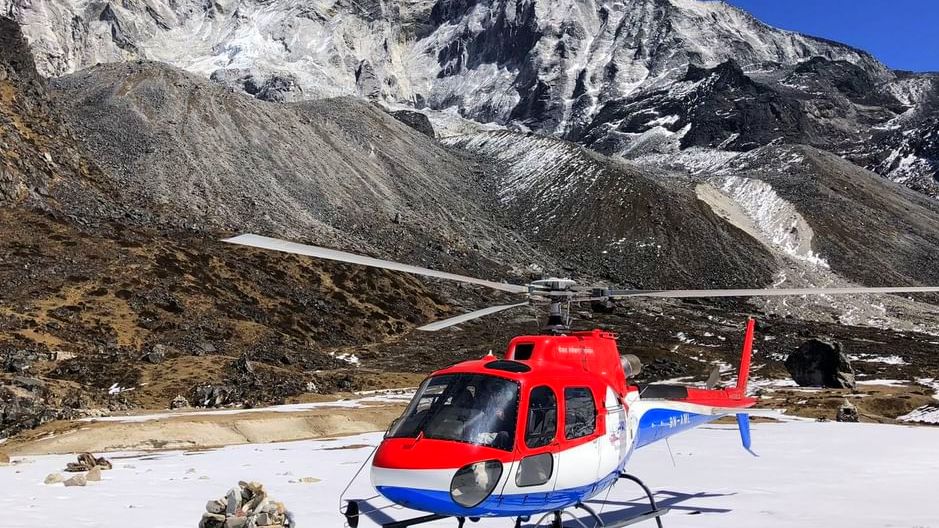
However, due to the high-altitude environment and helicopter safety regulations, weight limits are an important factor for Everest helicopter tours. Helicopters operating in the Everest region must carefully manage passenger and baggage weight to ensure safe takeoff and landing in thin mountain air. In this guide, we explain everything you need to know about Everest Base Camp helicopter tour weight limits, passenger capacity, baggage restrictions, and important travel tips before booking your Himalayan flight.
Why Weight Limits Matter on Everest Helicopter Tours
Helicopters flying in the Everest region operate at very high altitudes where the air is thinner. This affects the aircraft’s lifting capability, meaning the total weight of passengers, fuel, and luggage must be carefully controlled.
At high elevations near Everest Base Camp and Kala Patthar, helicopters cannot carry as much weight as they can at lower altitudes like Kathmandu. For safety reasons, pilots must follow strict weight and balance regulations, which is why passengers may sometimes be split into smaller groups for the final landing in the Everest region.
Standard Weight Limit for Everest Base Camp Helicopter Tours
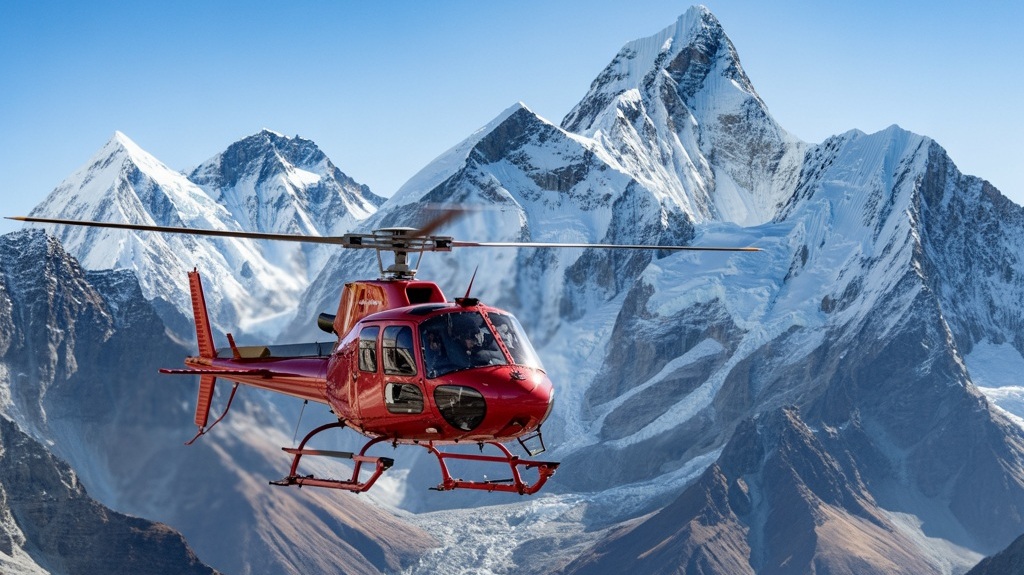
Most Everest helicopter tours in Nepal operate using high-performance aircraft such as the Airbus H125 (AS350 B3e), which is widely known for its ability to fly safely in extreme mountain environments. This helicopter is specially designed for high-altitude operations, making it one of the most reliable aircraft for flights in the Everest region. Since destinations like Mount Everest, Everest Base Camp, and Kala Patthar are located at very high elevations, helicopter performance is significantly affected by the thin mountain air. At higher altitudes, the air density decreases, which reduces the helicopter’s lifting capacity. For this reason, aviation authorities and tour operators must carefully manage the combined weight of passengers, luggage, and fuel before every flight. These weight restrictions are essential to ensure safe takeoff, stable flight performance, and secure landings in challenging Himalayan terrain. As a result, all Everest helicopter tours follow specific passenger and baggage limits that help maintain safety while still allowing travelers to experience breathtaking aerial views of the Everest region.
Typical weight guidelines are:-
-
Maximum passengers per helicopter: 5 passengers (at lower altitude)
-
Maximum combined passenger weight: approximately 450–500 kg total
-
Individual passenger weight: usually recommended under 100–110 kg
However, due to altitude limitations, the helicopter may carry fewer passengers when flying closer to Everest.
Passenger Limit at High Altitude
Due to the extreme altitude in the Everest region, helicopters cannot operate at full passenger capacity once they reach higher elevations. As helicopters climb toward areas near Mount Everest, the air becomes significantly thinner, which reduces engine performance and the aircraft’s ability to carry heavy loads. To maintain safe flying conditions, helicopter operators must reduce the total weight on board. This is why the number of passengers allowed in the helicopter often changes during different stages of an Everest Base Camp Helicopter Tour. Pilots carefully manage passenger distribution to ensure the helicopter can safely land and take off at high-altitude locations such as Everest Base Camp and Kala Patthar.
Typical operating pattern:
From Kathmandu to Lukla
-
Up to 5 passengers
From Lukla to the Everest Region
-
Often, 3 passengers per flight
Because of these restrictions, pilots may perform multiple shuttle flights between Lukla and Everest viewpoints to transport all passengers safely. This approach ensures that every traveler gets the opportunity to experience the spectacular Himalayan scenery while maintaining strict aviation safety standards.
Baggage Weight Limit for Helicopter Tours
During an Everest Base Camp Helicopter Tour, passenger weight and luggage weight are both carefully controlled to maintain safe flight operations in the high-altitude Himalayan environment. Helicopters flying toward destinations such as Mount Everest and Everest Base Camp must manage their total load capacity because thinner air at higher elevations reduces the aircraft’s lifting power. For this reason, helicopter operators place strict limits on baggage weight to ensure that the aircraft can safely carry passengers, fuel, and essential equipment. Travelers are therefore encouraged to bring only necessary items for the short mountain flight and leave unnecessary luggage behind.
Typical baggage allowance:
-
Maximum baggage: 5–10 kg per passenger
-
Recommended: small backpack with essentials only
Travelers usually leave their large suitcases at their hotel in Kathmandu before the helicopter tour.
Here are some of the best handpicked helicopter tour packages:
What Happens If the Weight Limit Is Exceeded?
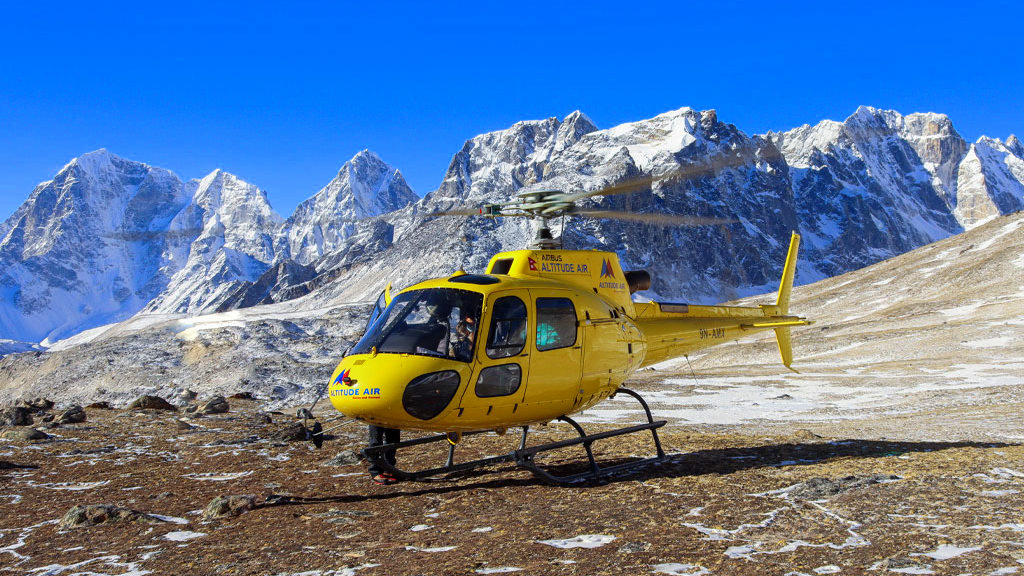
During an Everest Base Camp Helicopter Tour, helicopter operators strictly monitor the combined weight of passengers and luggage to ensure safe flying conditions in the high-altitude Himalayan environment. When flying toward destinations such as Everest Base Camp or Kala Patthar near Mount Everest, the thin air significantly reduces the helicopter’s lifting capacity. If the total passenger weight exceeds the allowed safety limits, the pilot must make adjustments before continuing the flight. These decisions are made to maintain proper aircraft balance and ensure a safe landing and takeoff in the mountainous terrain.
Common solutions include:
-
Dividing passengers into smaller groups
-
Making additional shuttle flights
-
Limiting baggage weight
These adjustments are normal and are done strictly for flight safety in the Himalayas.
Best Helicopters Used for Everest Tours
High-altitude helicopter flights in the Everest region require specially designed aircraft that can perform safely in thin mountain air and extreme weather conditions. During an Everest Base Camp Helicopter Tour, operators typically use helicopters that are specifically built for high-altitude performance, strong engine power, and excellent maneuverability in mountainous terrain. These helicopters are capable of flying over the dramatic landscapes of the Everest Region and landing at viewpoints near Everest Base Camp and Kala Patthar, offering breathtaking aerial views of Mount Everest and surrounding Himalayan peaks.
The most commonly used helicopters for Everest flights include:
-
Airbus H125 (AS350 B3e)
-
Bell 407
These helicopters are among the few aircraft capable of operating safely at extremely high altitudes near Mount Everest. They are widely used in Himalayan aviation because of their powerful engines, lightweight structure, and ability to perform reliable takeoffs and landings in rugged mountain environments. Their advanced technology allows pilots to navigate narrow valleys, steep cliffs, and unpredictable mountain weather while ensuring passenger safety and comfort during the flight.
Tips for Passengers Before the Helicopter Tour
Preparing properly for an Everest Base Camp Helicopter Tour helps ensure a comfortable and safe experience while flying through the breathtaking landscapes of the Everest Region. Because helicopter flights operate in high-altitude mountain conditions near Mount Everest, passengers are encouraged to follow a few simple guidelines before the tour. Being well prepared not only improves your comfort during the flight but also helps helicopter operators maintain safety standards in the Himalayas.
Travel Light: Bring only essential items such as a camera, sunglasses, gloves, and a light jacket. Since helicopters have strict weight limitations, carrying minimal luggage helps maintain safe operating conditions during the flight.
Inform the Operator About Weight: Providing accurate passenger weight before the tour allows operators to properly plan seating arrangements and balance the helicopter for high-altitude flying.
Wear Warm Clothing: Even though the helicopter flight is relatively short, temperatures near Kala Patthar can be extremely cold due to the high altitude and strong mountain winds. Wearing warm layers, gloves, and a hat is highly recommended.
Follow Pilot Instructions: Helicopter pilots in Nepal are highly experienced in mountain aviation. Always follow their safety instructions during boarding, landing, and while taking photographs near the helicopter.
Here are some of the best handpicked helicopter tour packages:
Everest Helicopter Tour Landing Points
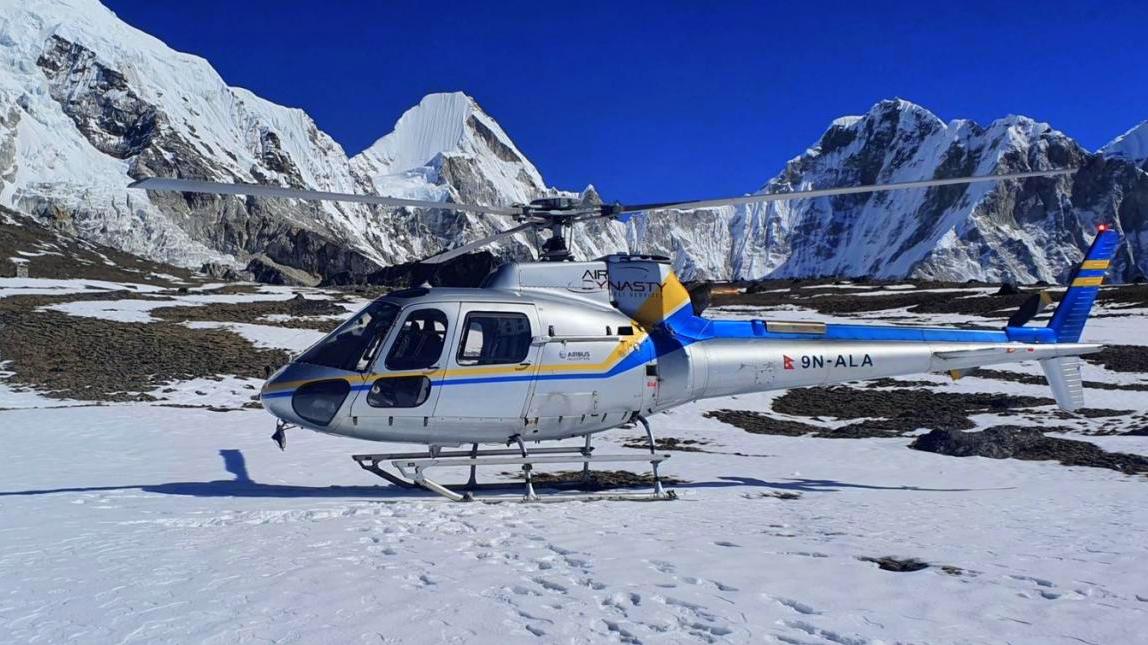
Most Everest Base Camp Helicopter Tour itineraries include several scenic landing points that allow travelers to experience the spectacular Himalayan landscape up close. These stops provide opportunities for photography, short breaks, and panoramic views of the world’s highest mountains.
Tenzing-Hillary Airport, Lukla — The Gateway to Everest
Often called the gateway to the Everest region, this famous mountain airport in Lukla is usually the first stop during the helicopter journey.
Kala Patthar — The Best Viewpoint of Mount Everest
Kala Patthar is widely considered the best viewpoint of Mount Everest. Helicopters usually land here briefly, allowing passengers to enjoy stunning panoramic views of Everest and surrounding Himalayan peaks.
Everest Base Camp — Iconic Trekking Destination
Depending on weather and flight conditions, helicopters may fly over or land near Everest Base Camp, the legendary destination for trekkers attempting to climb Mount Everest.
Hotel Everest View — Scenic Breakfast Stop
Many luxury helicopter tours include a stop at this famous hotel above Namche Bazaar, where travelers can enjoy breakfast while admiring spectacular views of Everest and nearby Himalayan peaks.
These landing points provide some of the most unforgettable panoramic views in the Himalayas, making the Everest helicopter tour one of the most remarkable travel experiences in Nepal.
Safety Regulations for Everest Helicopter Flights
Helicopter companies operating flights in the Everest region follow strict aviation safety standards regulated by the Civil Aviation Authority of Nepal. These regulations ensure that every Everest Base Camp Helicopter Tour operates under carefully monitored conditions, especially because flights take place in the challenging high-altitude environment of the Himalayas near Mount Everest. Operators prioritize passenger safety by following strict operational procedures, checking weather conditions, and maintaining aircraft to the highest standards before each flight.
Safety measures include:
-
Strict passenger weight limits
-
Weather monitoring before flights
-
Experienced high-altitude pilots
-
Regular aircraft maintenance
These safety measures ensure that Everest helicopter tours remain safe, reliable, and professionally managed, allowing travelers to enjoy the spectacular Himalayan scenery with confidence.
Who Should Consider an Everest Helicopter Tour?
An Everest Base Camp Helicopter Tour is an excellent option for travelers who want to experience the beauty of the Everest region without committing to a long trekking expedition. The tour offers breathtaking aerial views of the world’s highest mountain, Mount Everest, along with surrounding Himalayan peaks, glaciers, and valleys. It provides a unique opportunity to witness iconic destinations such as Everest Base Camp and Kala Patthar within just a few hours.
This tour is especially ideal for travelers who:
-
Have limited time in Nepal
-
Cannot complete the full Everest trek
-
Want a luxury Himalayan experience
-
Want spectacular aerial views of Mount Everest
For many visitors, the Everest helicopter tour becomes one of the most exclusive and unforgettable adventures in the Himalayas, combining comfort, adventure, and world-class mountain scenery in a single day.
Understanding the weight limits for Everest Base Camp helicopter tours is essential for a safe and enjoyable experience. Because helicopters must operate in extreme high-altitude conditions near Mount Everest, strict passenger and baggage weight restrictions are necessary. These regulations ensure that flights remain safe while allowing travelers to witness the breathtaking beauty of the Everest region from the sky.
Despite these limitations, the Everest helicopter tour remains one of the most extraordinary travel experiences in Nepal—offering spectacular mountain views, unforgettable landings near Everest, and a once-in-a-lifetime Himalayan adventure.
Frequently Asked Questions (FAQs)
Q: What is the weight limit for an Everest Base Camp helicopter tour?
A: Most Everest Base Camp Helicopter Tour flights allow a maximum combined passenger weight of around 450–500 kg per helicopter. Individual passenger weight is generally recommended to be under 100–110 kg, although exact limits may vary depending on weather conditions and aircraft type.
Q: How many passengers can fly in one helicopter?
A: At lower altitudes, helicopters can usually carry up to 5 passengers. However, when flying closer to Mount Everest and high-altitude locations like Kala Patthar, flights are often limited to 2–3 passengers at a time for safety reasons.
Q: What happens if the passenger's weight exceeds the allowed limit?
A: If the total weight exceeds the safe operating limit, the pilot may divide passengers into smaller groups or make additional shuttle flights. This is a normal safety procedure during Everest helicopter tours.
Q: What is the baggage limit for the helicopter tour?
A: Passengers are typically allowed 5–10 kg of baggage. Since helicopters have strict weight restrictions, travelers are advised to bring only essential items in a small backpack and leave large luggage at their hotel in Kathmandu.
Q: Where does the Everest helicopter tour usually land?
A: Most tours include scenic stops at Tenzing-Hillary Airport in Lukla, Kala Patthar for panoramic views of Everest, and often a breakfast stop at Hotel Everest View above Namche Bazaar.
Q: Is the Everest Base Camp Helicopter Tour safe?
A: Yes. Helicopter flights in Nepal are regulated by the Civil Aviation Authority of Nepal. Operators follow strict safety protocols, including weather monitoring, experienced high-altitude pilots, passenger weight management, and regular aircraft maintenance.
Q: Do I need trekking experience for the helicopter tour?
A: No trekking experience is required. The helicopter tour allows travelers to experience the beauty of the Everest region and see Everest Base Camp and Mount Everest without completing the full Everest trek.
Q: What should I wear for the Everest helicopter tour?
A: Even though the flight is short, temperatures at high-altitude locations like Kala Patthar can be very cold. It is recommended to wear warm layers, sunglasses, gloves, and comfortable shoes.
Q: How long does an Everest Base Camp Helicopter Tour take?
A: Most helicopter tours from Kathmandu last 4–5 hours in total, including scenic flights, brief landings, and a possible breakfast stop with mountain views.
Q: Is the Everest Helicopter Tour worth it?
A: Absolutely. The Everest Base Camp Helicopter Tour offers breathtaking aerial views of the Himalayas, close-up views of Mount Everest, and the chance to visit iconic places like Everest Base Camp in a single day, making it one of the most unforgettable experiences in Nepal.
If you need any further information, please contact us by email: [email protected], Phone: +977- 985 100 5129 (WhatsApp)